What do you actually get for Monterey's median home price? Ask that question and the honest answer is: nothing in particular. As of June 2026, the city's median list price sat near $1,048,167, comfortably below Pacific Grove and Carmel-by-the-Sea and just as comfortably above Seaside. Anyone shopping the Peninsula sees that number and reads it as a discount, a way to buy Carmel's coastline for less. That reading is wrong, and the reason it's wrong is more interesting than the number itself.
Monterey's median isn't describing one market that's cheaper than its neighbors. It's averaging two markets that barely interact, run on different clocks, and would look nothing alike if you separated them. One is anchored to a nearby military installation's housing allowance and churns on a schedule set by orders, not the resale calendar. The other is a small, slow-moving tier of water-view single-family homes that trades on retirement timelines and family estate planning. Blend them together and you get a median that describes neither.
Two Markets, One Zip Code
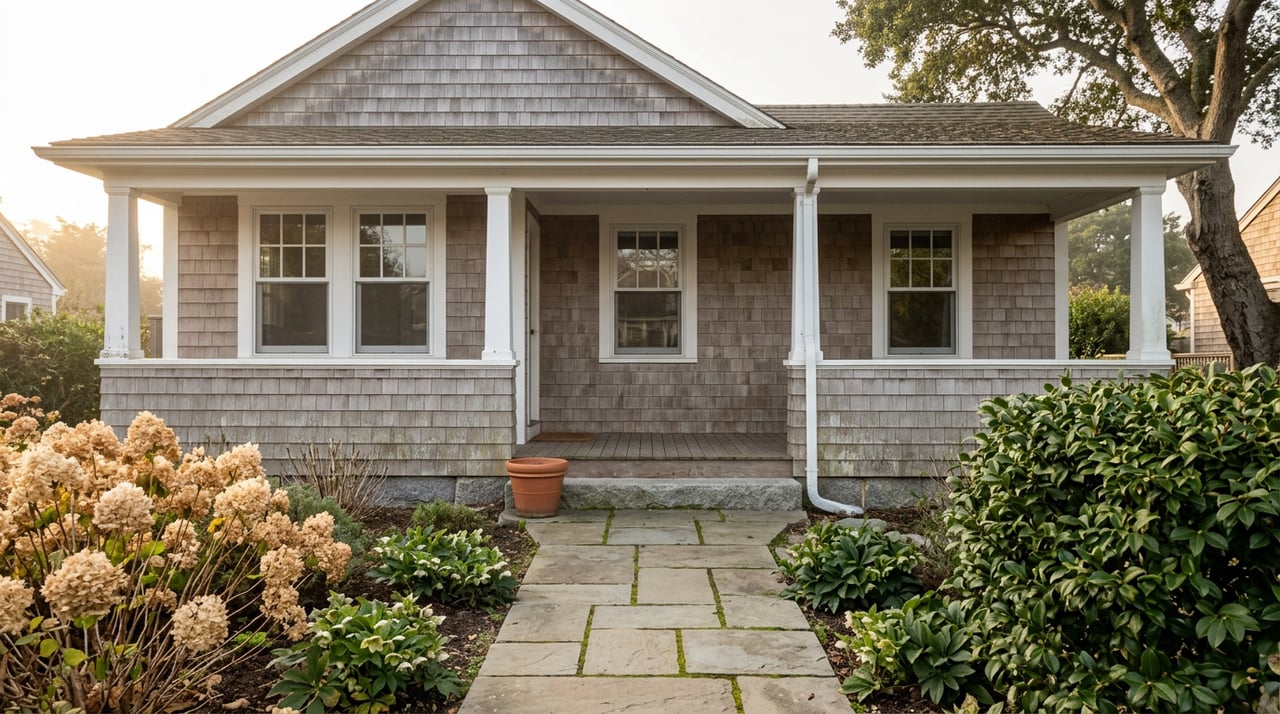
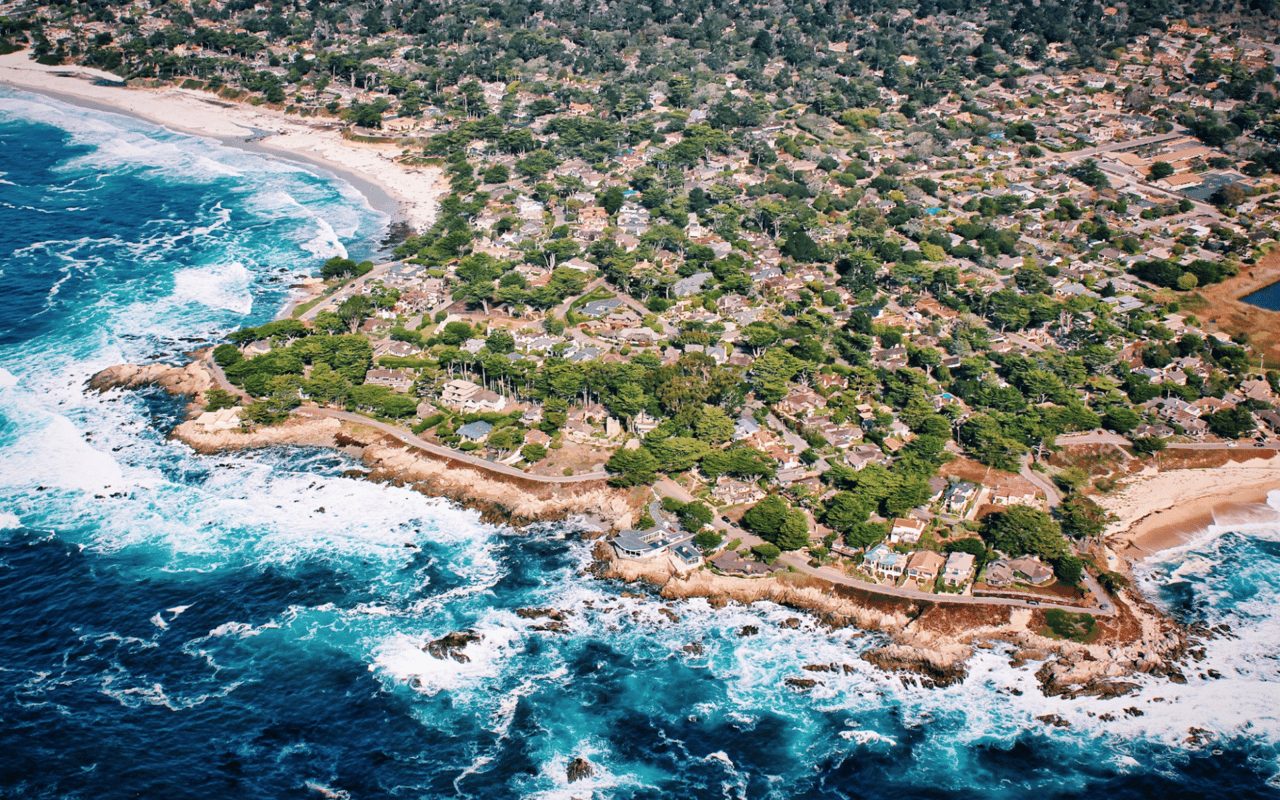
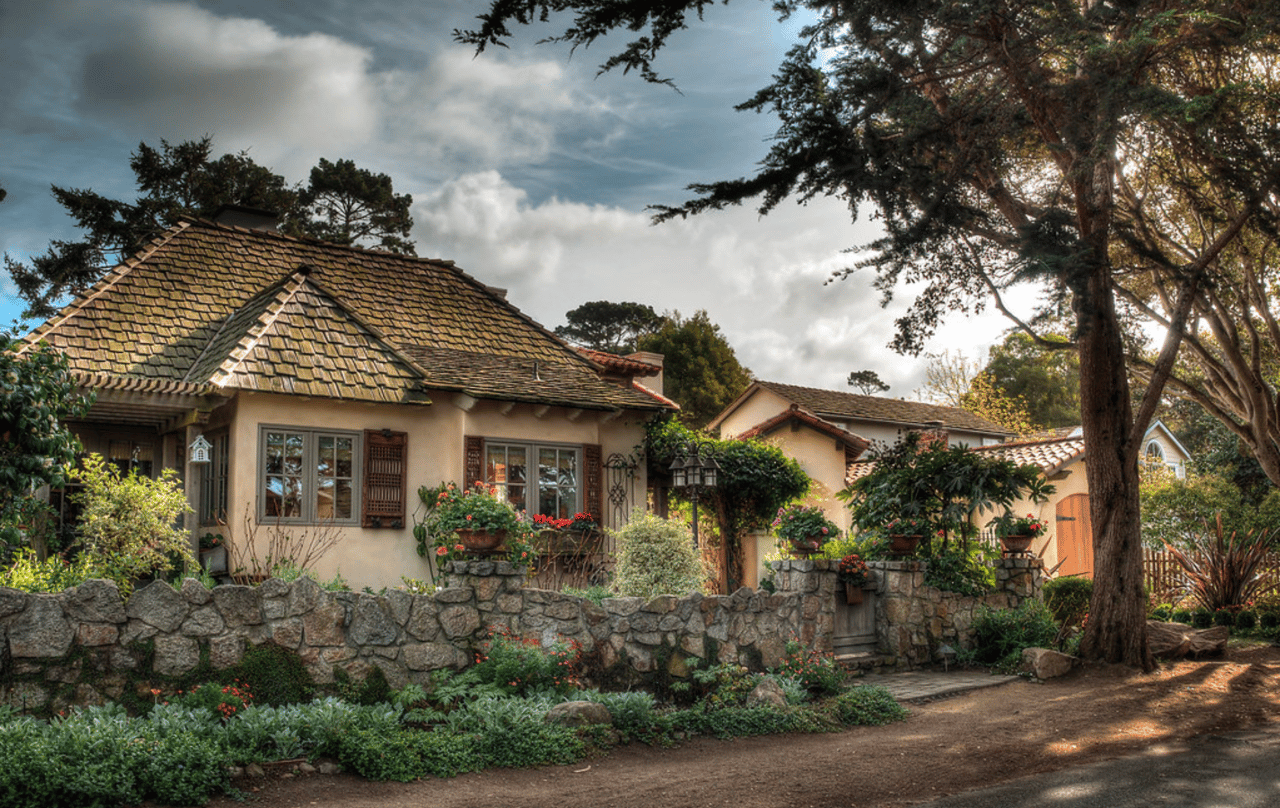
Every other village on the Peninsula sells a fairly consistent product. Carmel-by-the-Sea sells storybook cottages on a village grid where, as anyone who has tried to build there knows, the supply of new construction is effectively zero. Pebble Beach sells gated, forested lots tied to golf frontage. Pacific Grove sells Victorian-era streetscapes at an increasingly competitive price point.
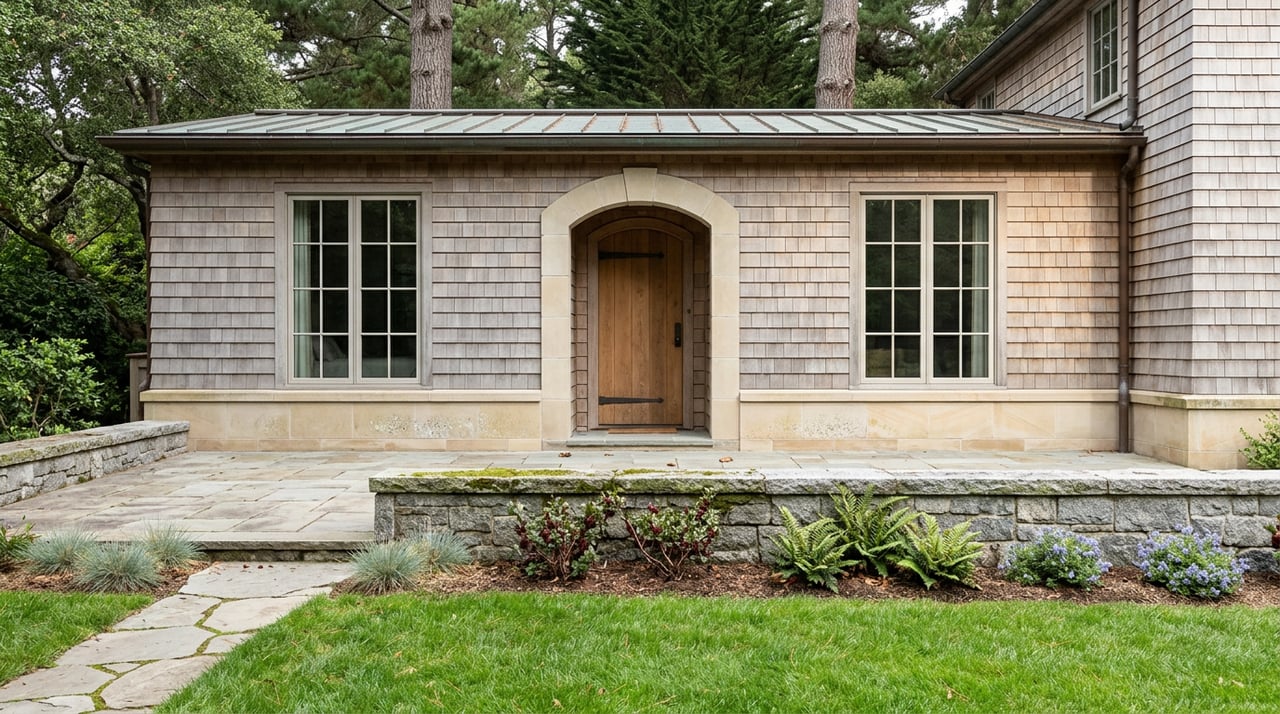
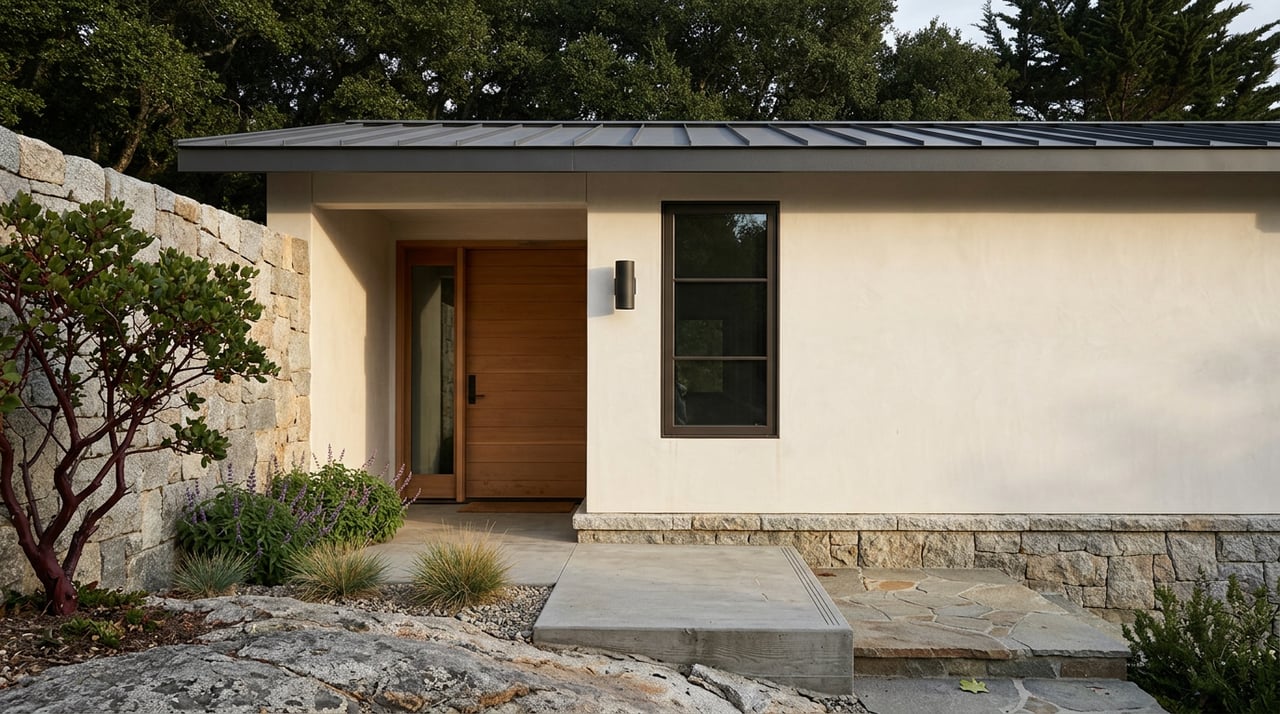
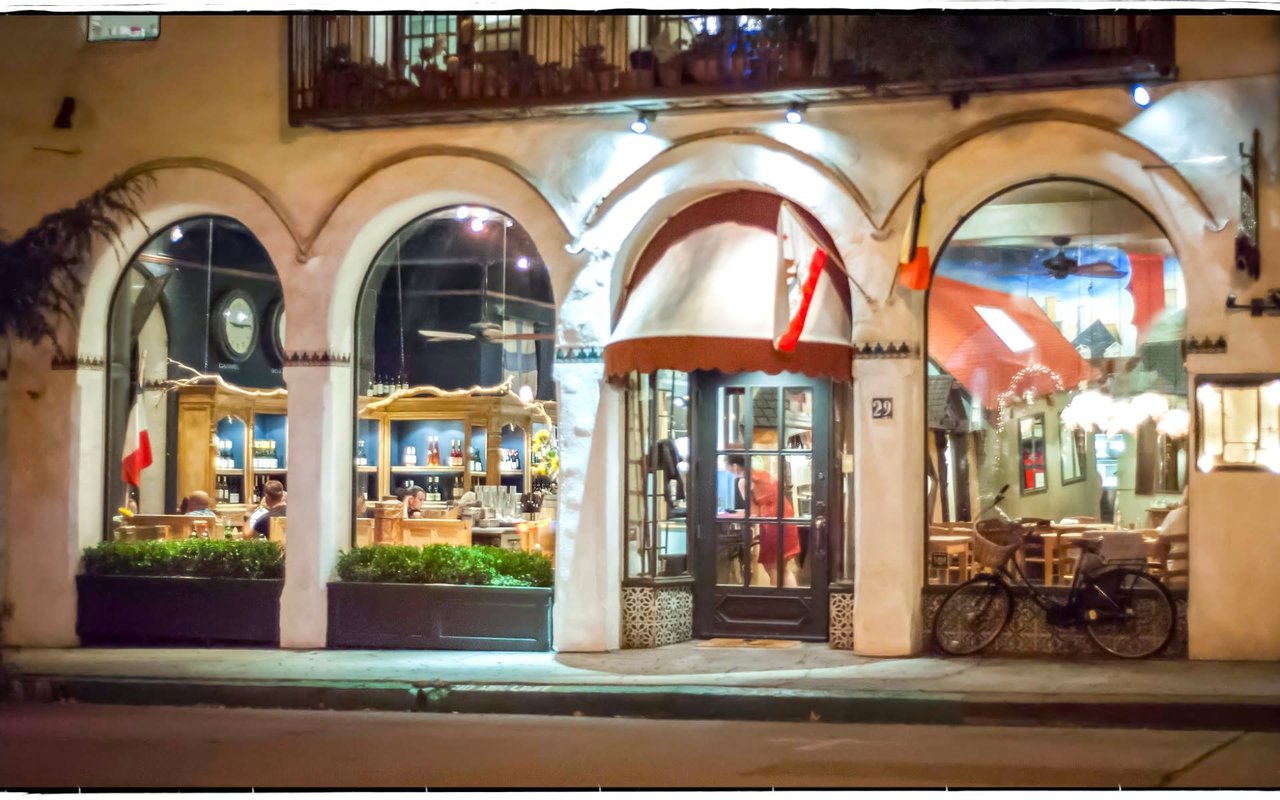
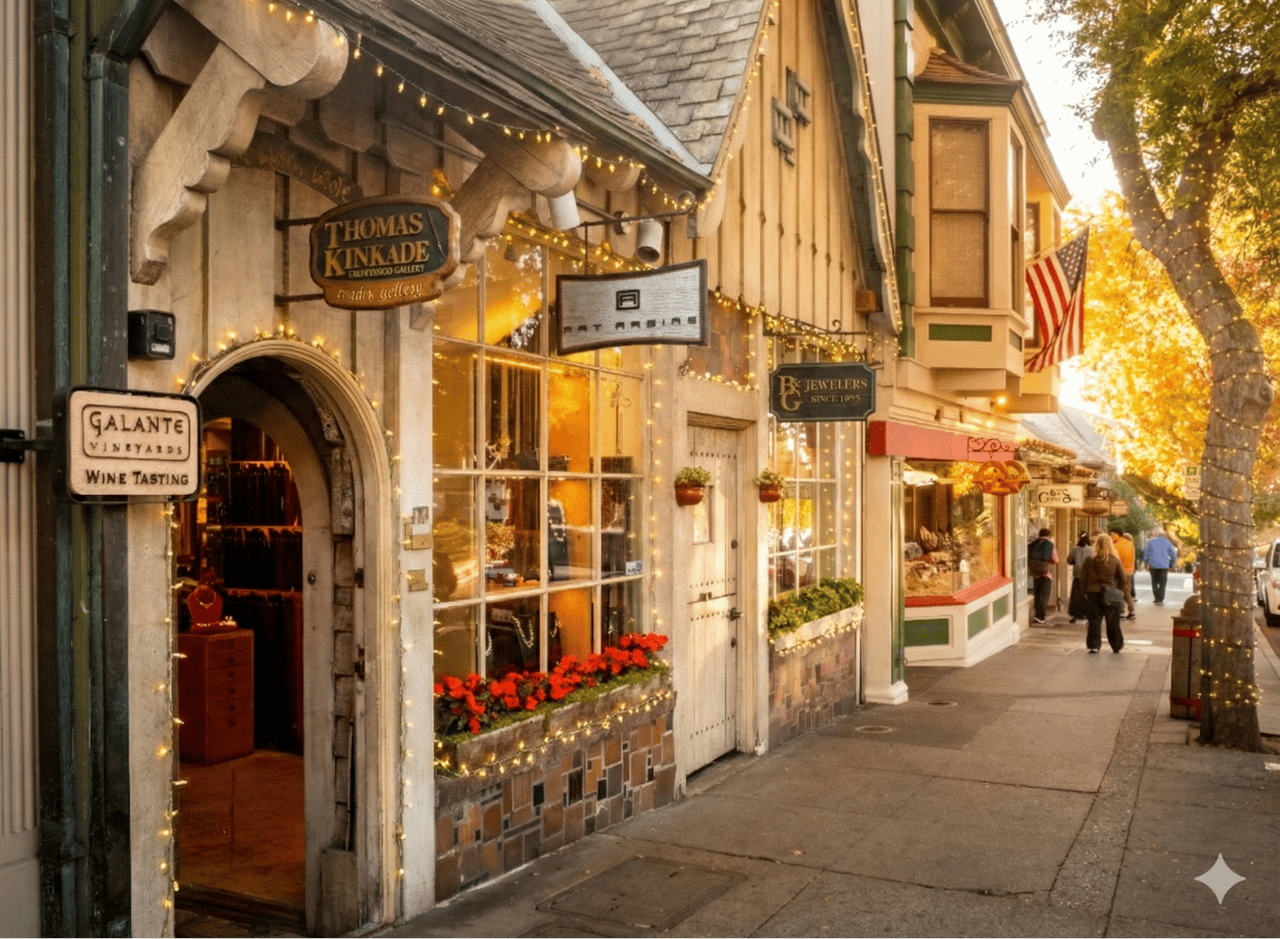
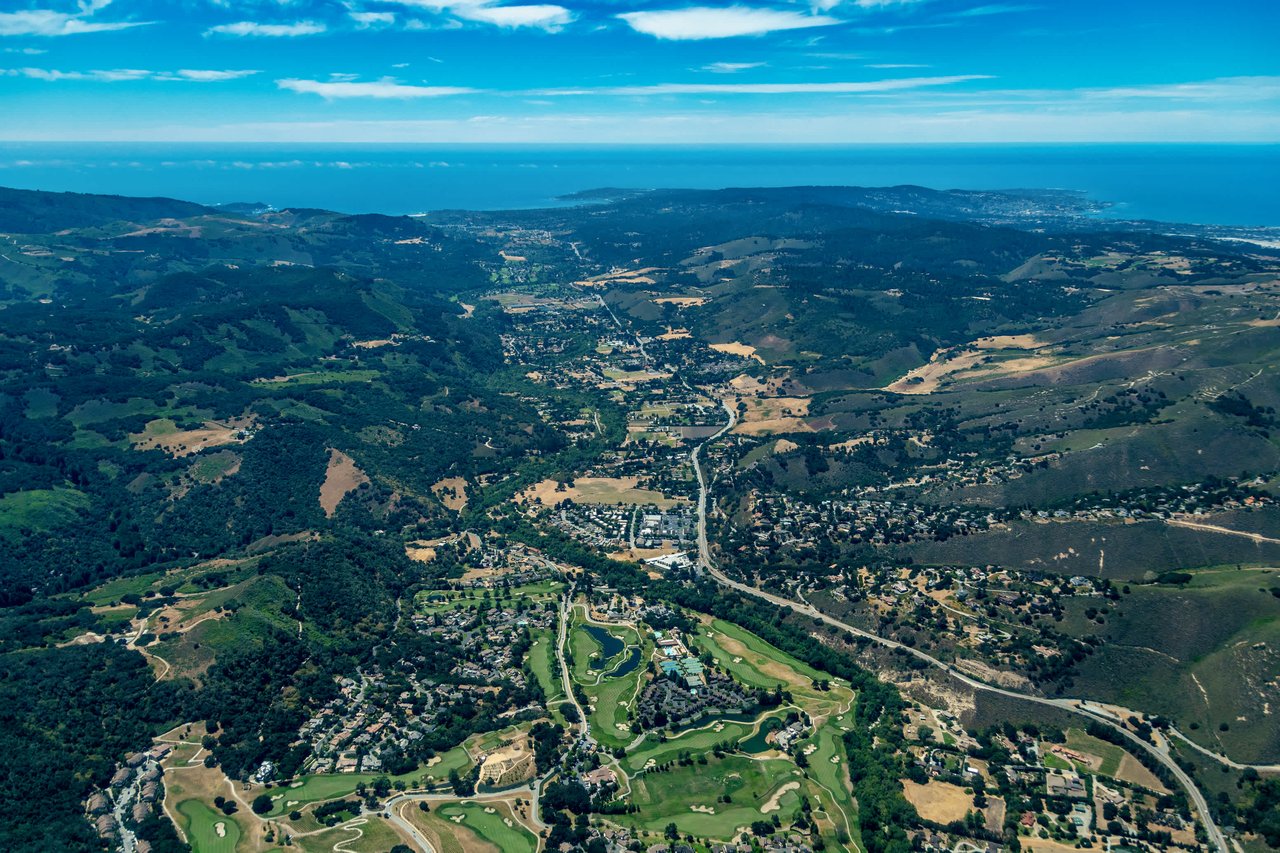
Monterey doesn't sell one product. It sells a downtown condo market that turns over constantly because a meaningful share of its renters and short-term owners are tied to institutional postings, and it separately sells a small cluster of hillside and beachfront single-family homes that almost never come up for sale and, when they do, sell to people who plan to stay for decades. A search of the city's own housing pages lists more than a dozen distinct sub-neighborhoods, from New Monterey and Old Town Monterey down through Skyline Forest, Mar Vista, Alta Mesa, Oak Grove, and Del Monte Beach. That's not marketing copy. It reflects a city built around genuinely different housing stock sitting inside one municipal boundary, which is precisely why a single median can't do justice to what's actually for sale.
What the Presidio Actually Does to Prices
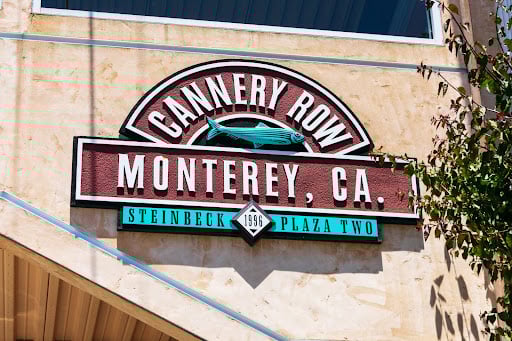
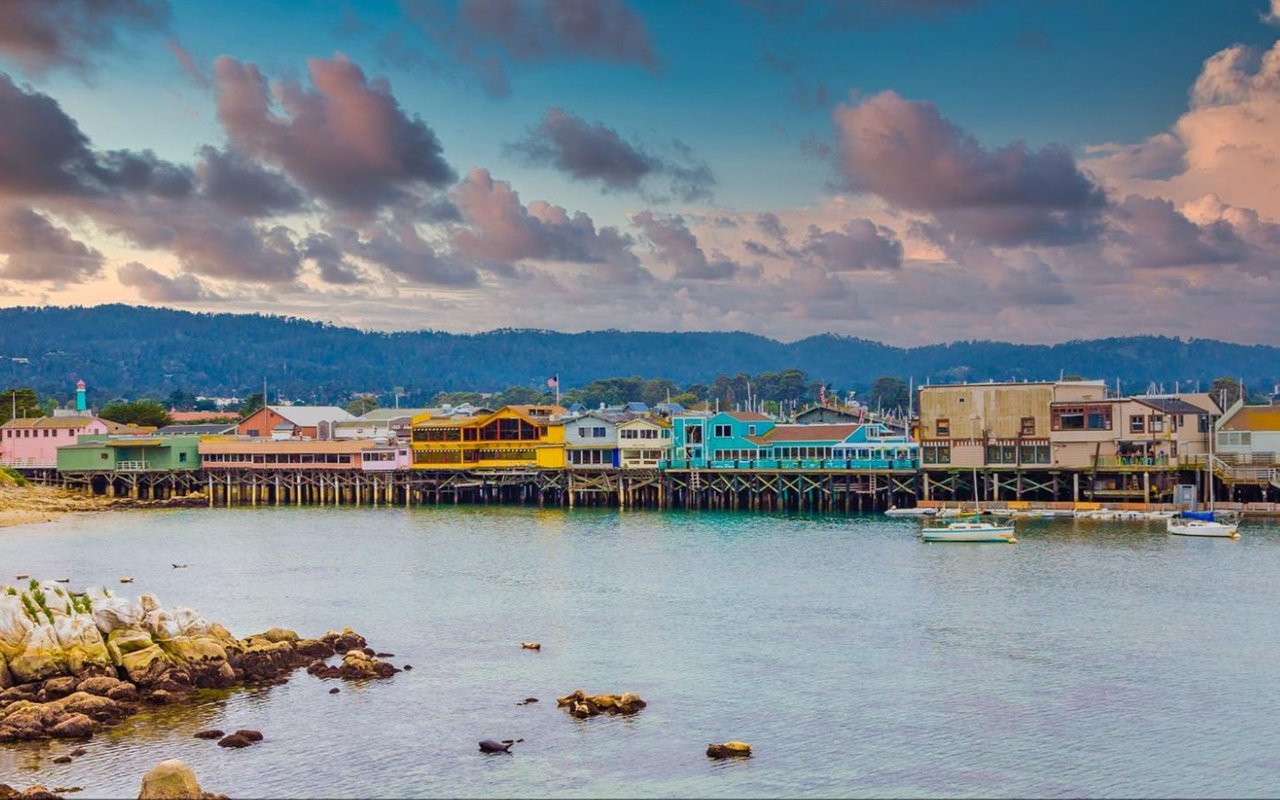
The institutional half of Monterey's market has a name, and it isn't abstract. The Naval Postgraduate School enrolls nearly 1,500 students at a time, drawn from all five U.S. uniformed services plus officers from roughly 30 other countries. Next door, the Defense Language Institute Foreign Language Center trains military linguists at the Presidio of Monterey. Add California State University Monterey Bay and the Monterey Institute of International Studies, plus a hospitality and tourism workforce that needs housing near Cannery Row and Fisherman's Wharf, and you have a renter base that doesn't wax and wane with tourism seasons or mortgage rates. It rotates on permanent change-of-station orders, which keeps a steady stream of rental units cycling through the market whether the broader economy is hot or cold.
That renter base has a price floor with a name too: Basic Allowance for Housing. For 2026, Presidio of Monterey BAH rates rose 6.4 percent from 2025, and the Department of Defense ranks it eighth highest of all Army installations nationwide. Troops with dependents receive 21 percent more than those without. None of that money buys equity for the renter, but it does something more relevant to a seller comparing Monterey to Carmel: it keeps the rental segment liquid. Landlords near downtown and New Monterey aren't pricing against Pebble Beach scarcity. They're pricing against a housing allowance that the Department of Defense recalculates every year from actual local rental costs.
BAH rates have been directly tied to the costs of rental housing in local markets since 2008, which means the allowance is a lagging measure of local rents, not an independent force inflating them. What it does provide is scale and stability: a renter population large enough, and financially predictable enough, that this corner of Monterey's market rarely sits vacant for long.
That's the piece missing from most conversations. The military isn't pushing prices up in some crude sense. It's supplying a demand floor that behaves nothing like the scarcity-driven appreciation you find in a village with no new construction.
The Other Monterey: Skyline Forest, Del Monte Beach, and the View Tier
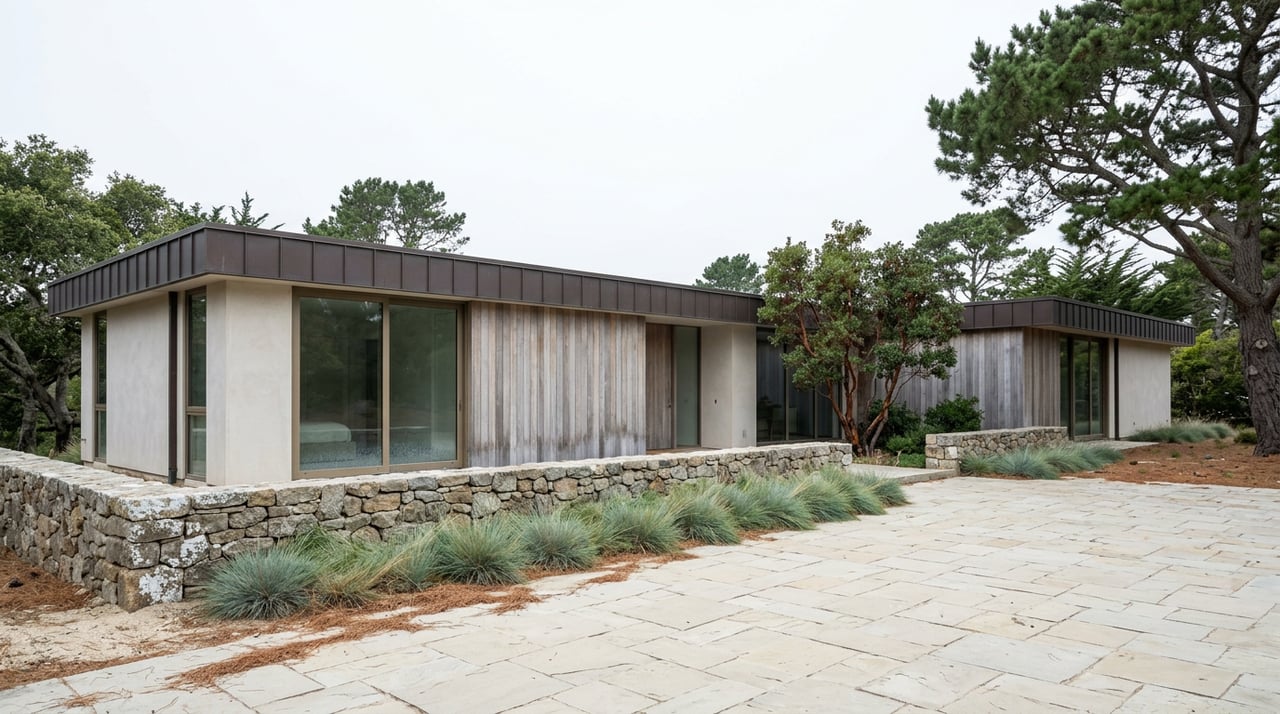
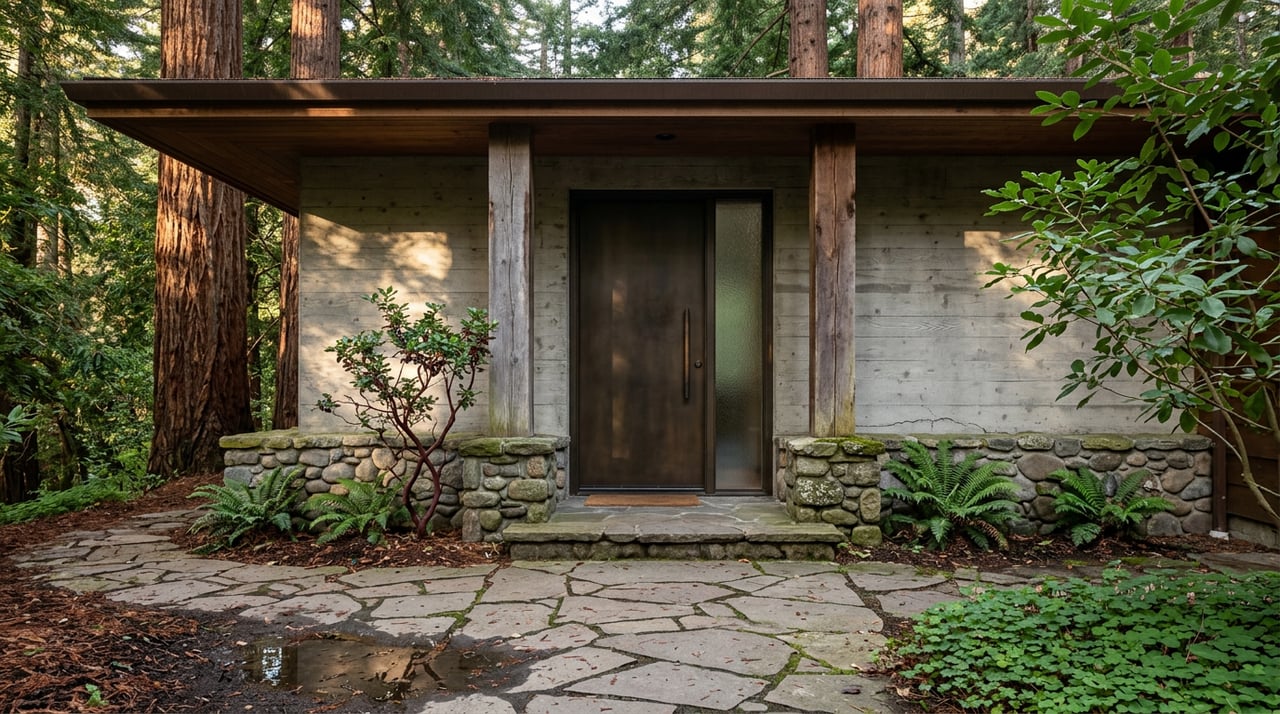
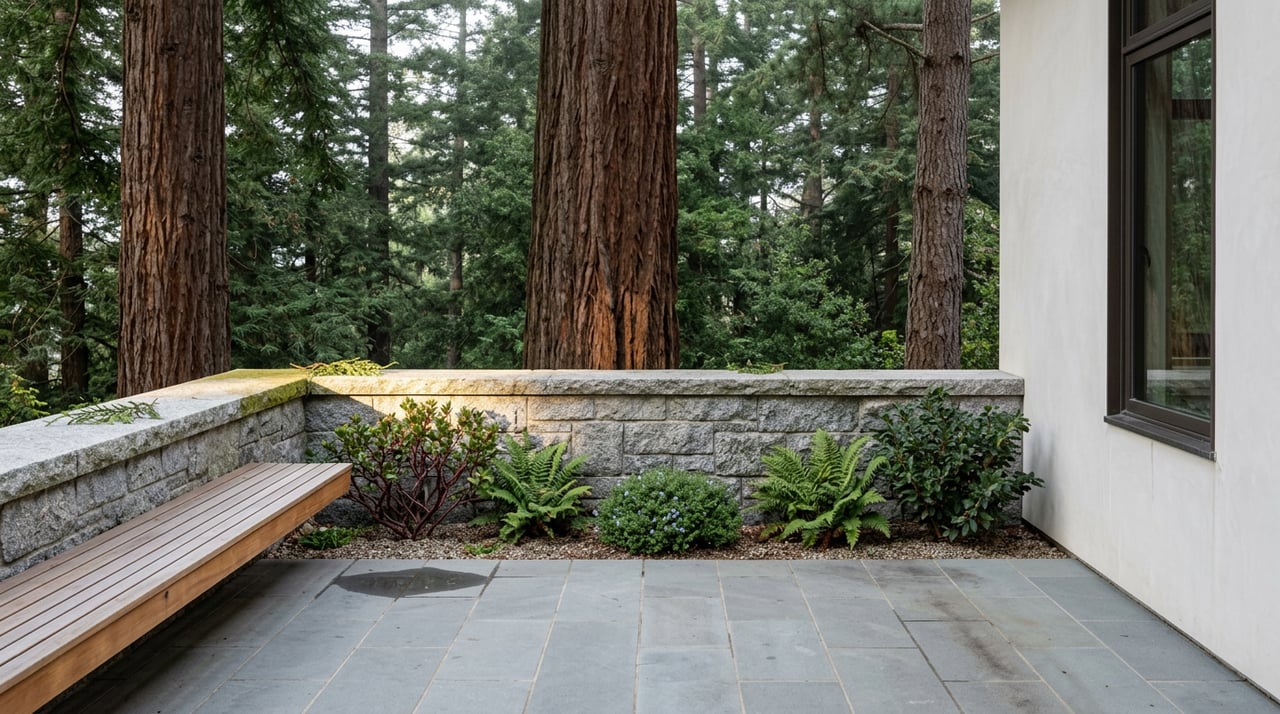
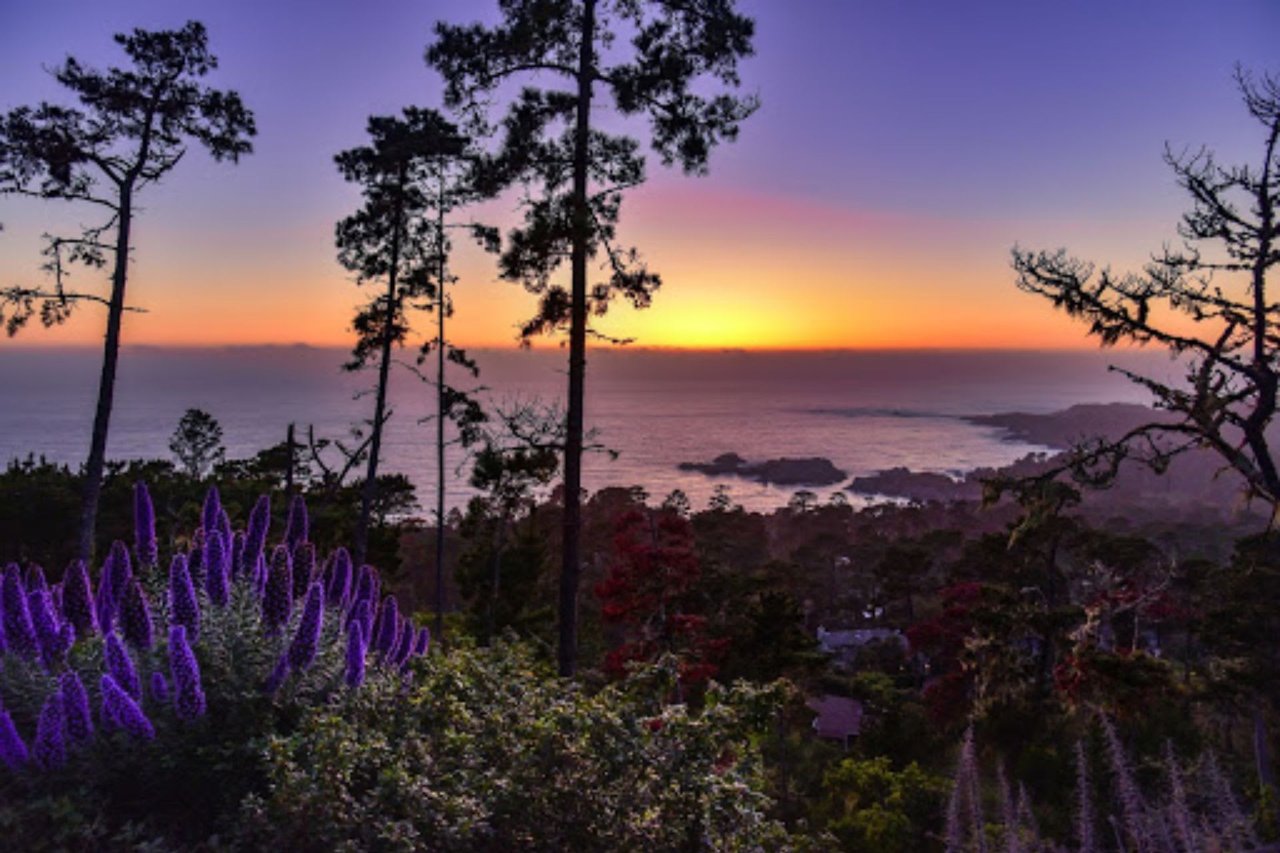
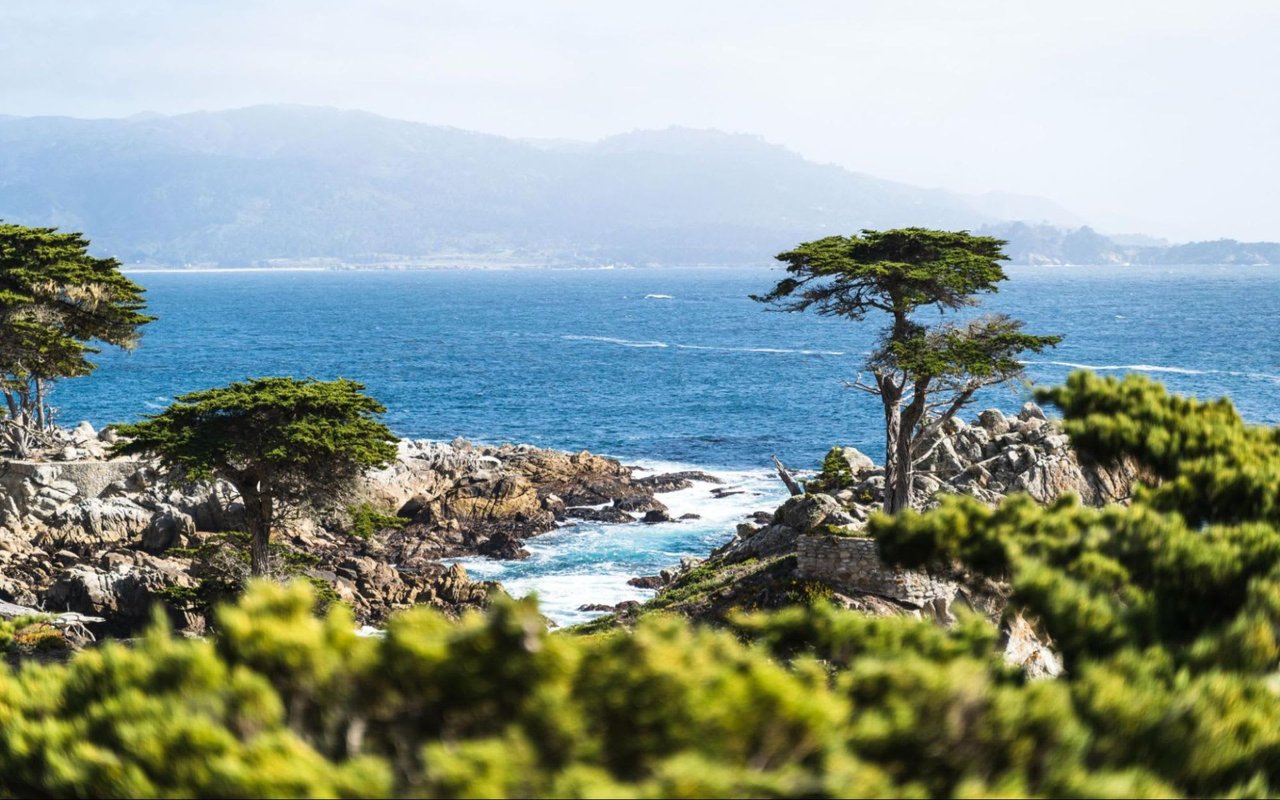
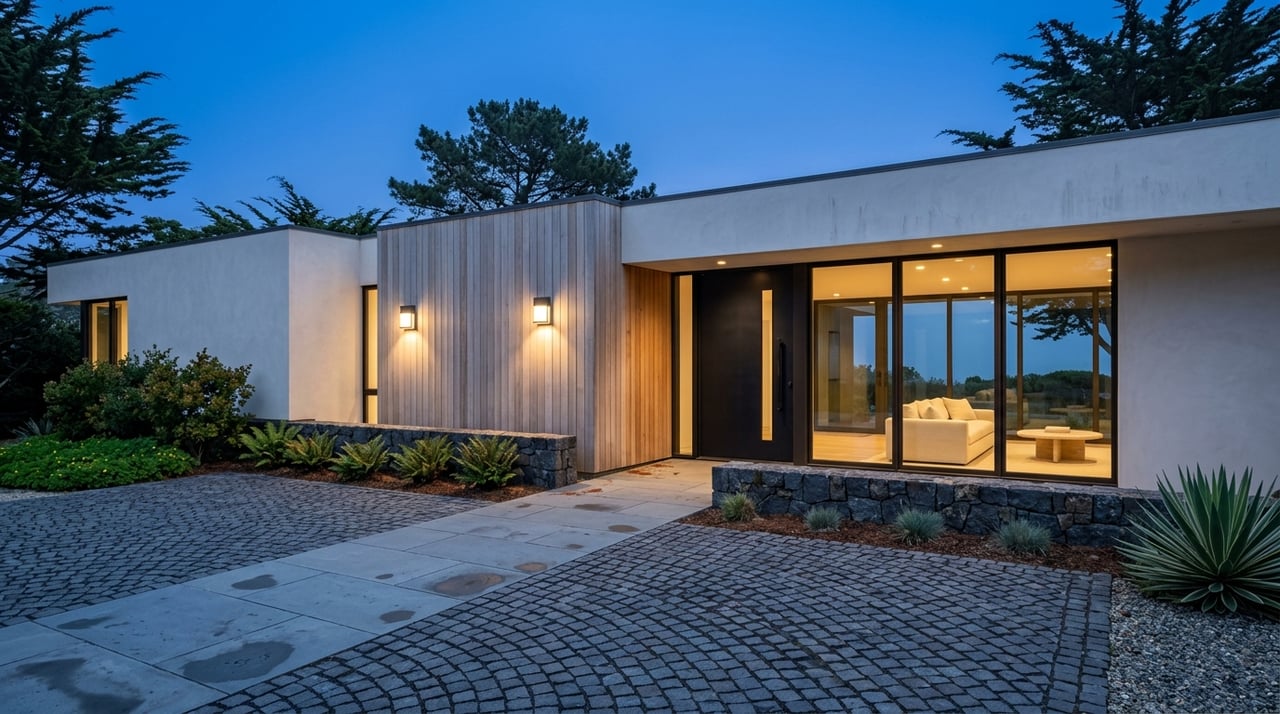
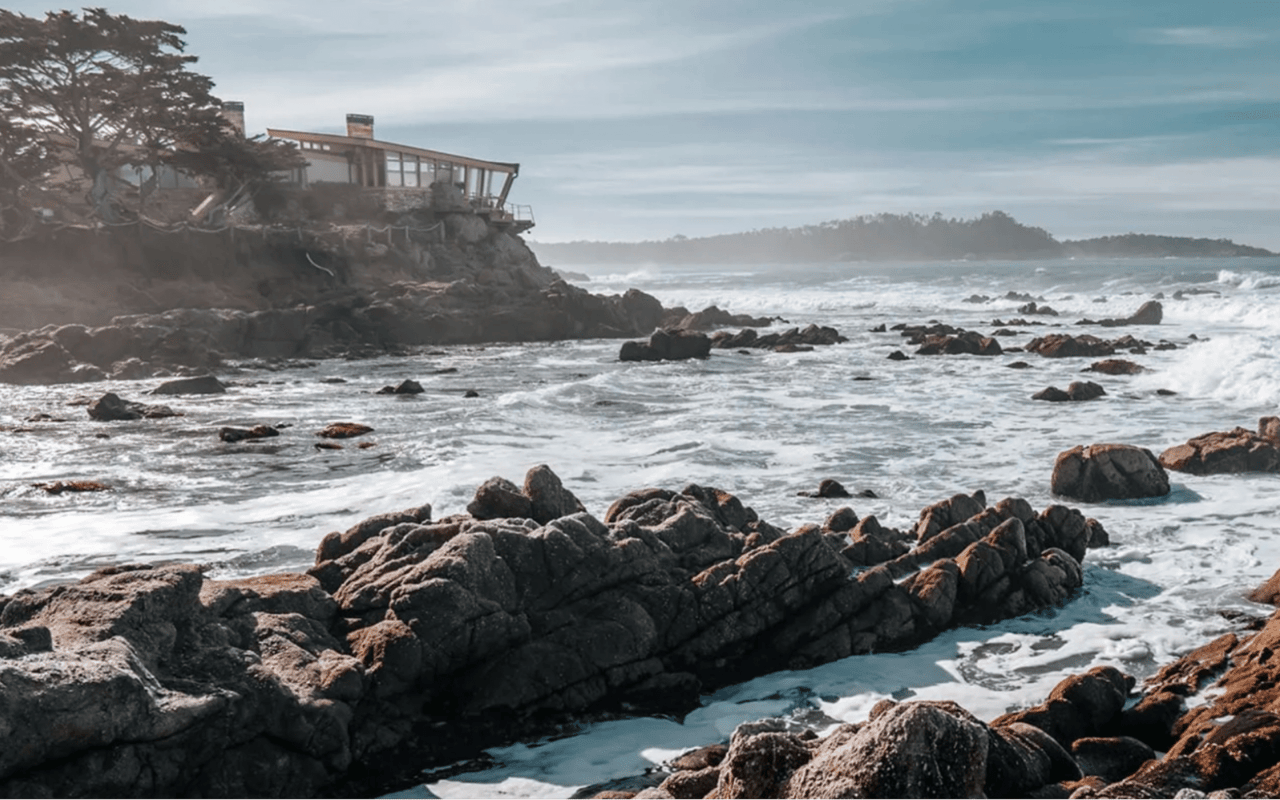
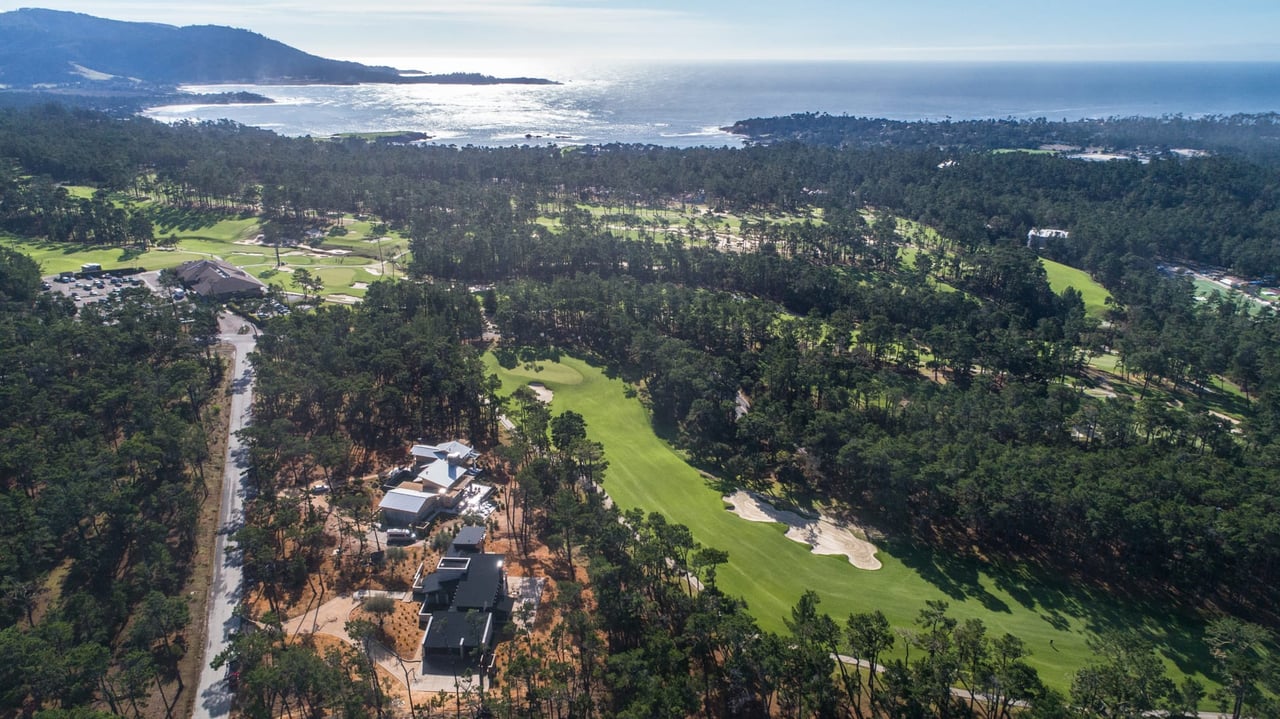
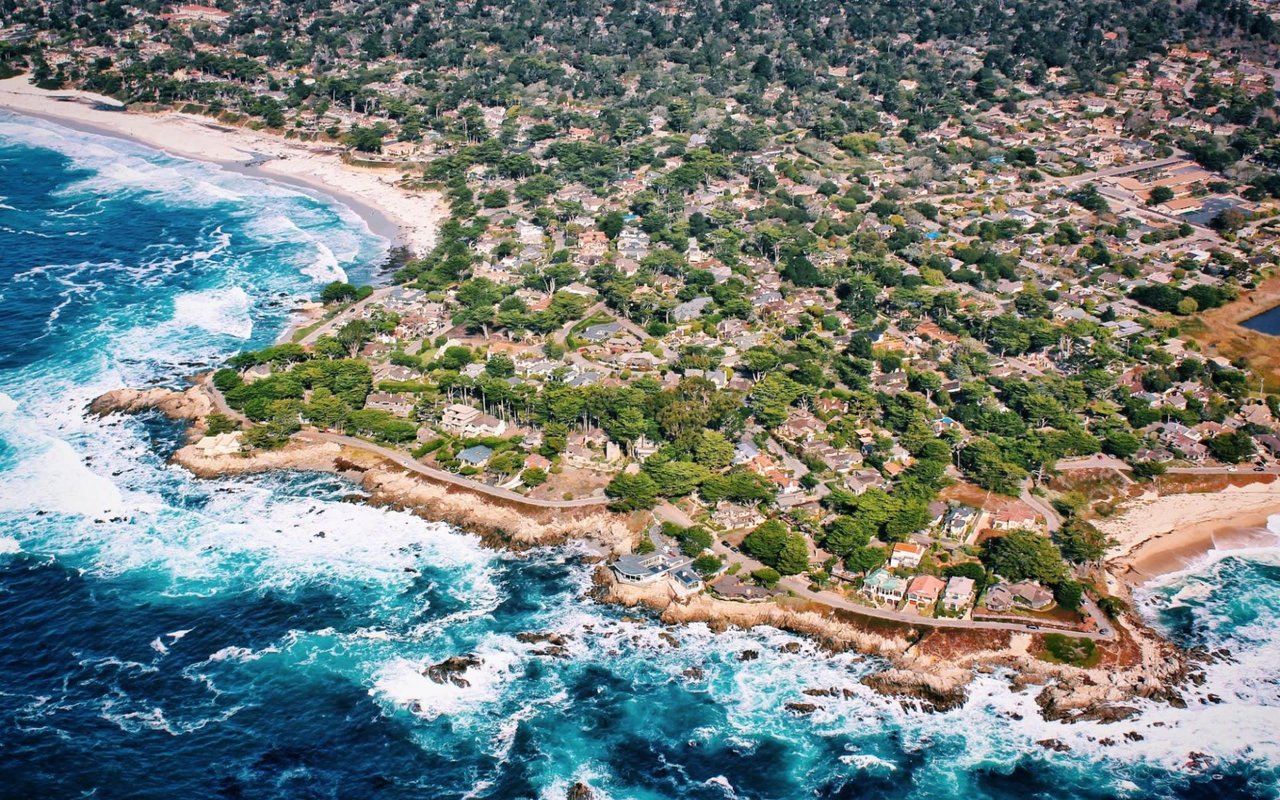
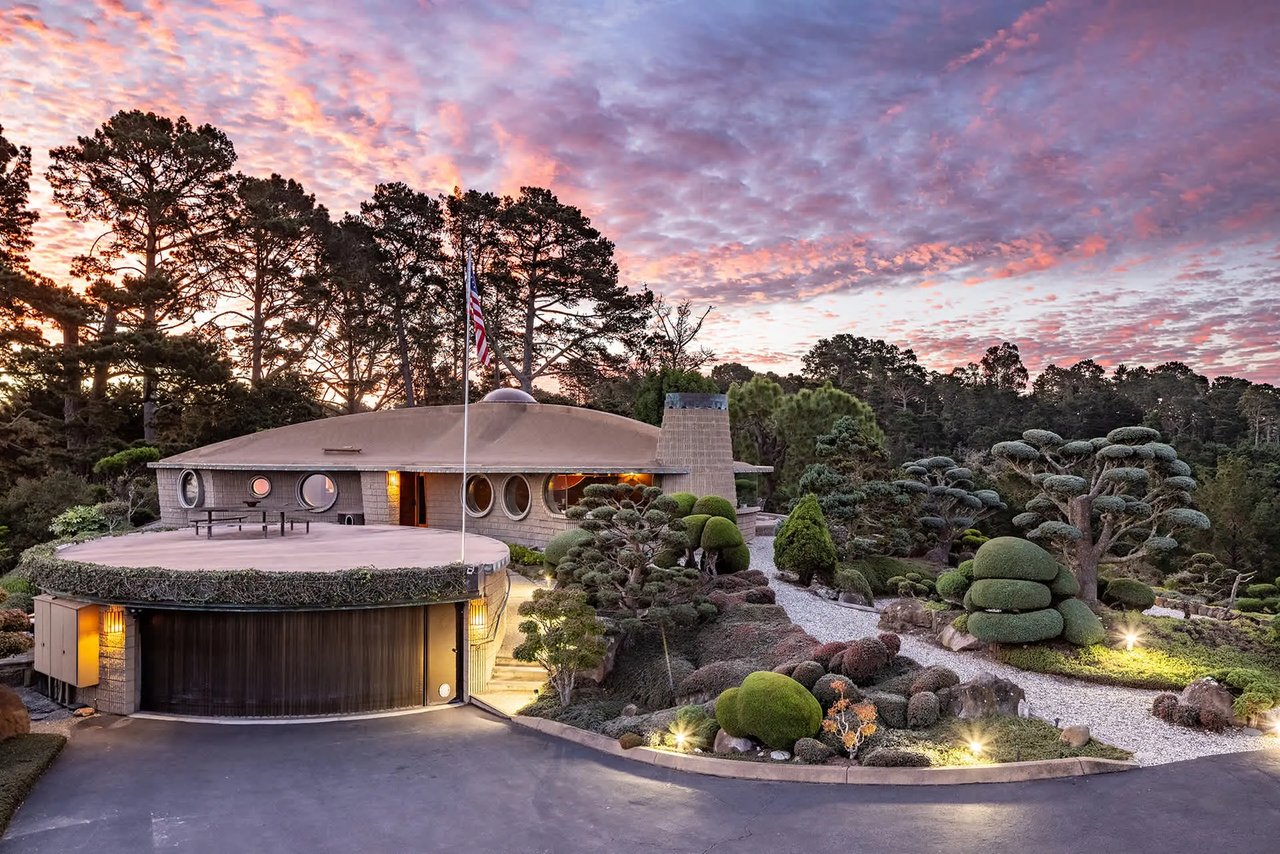
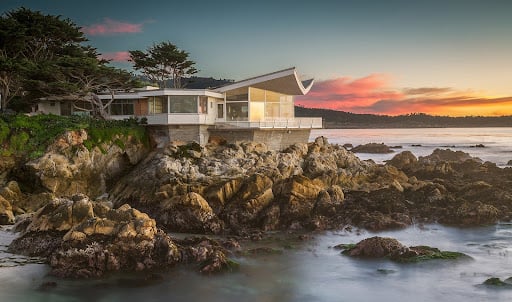
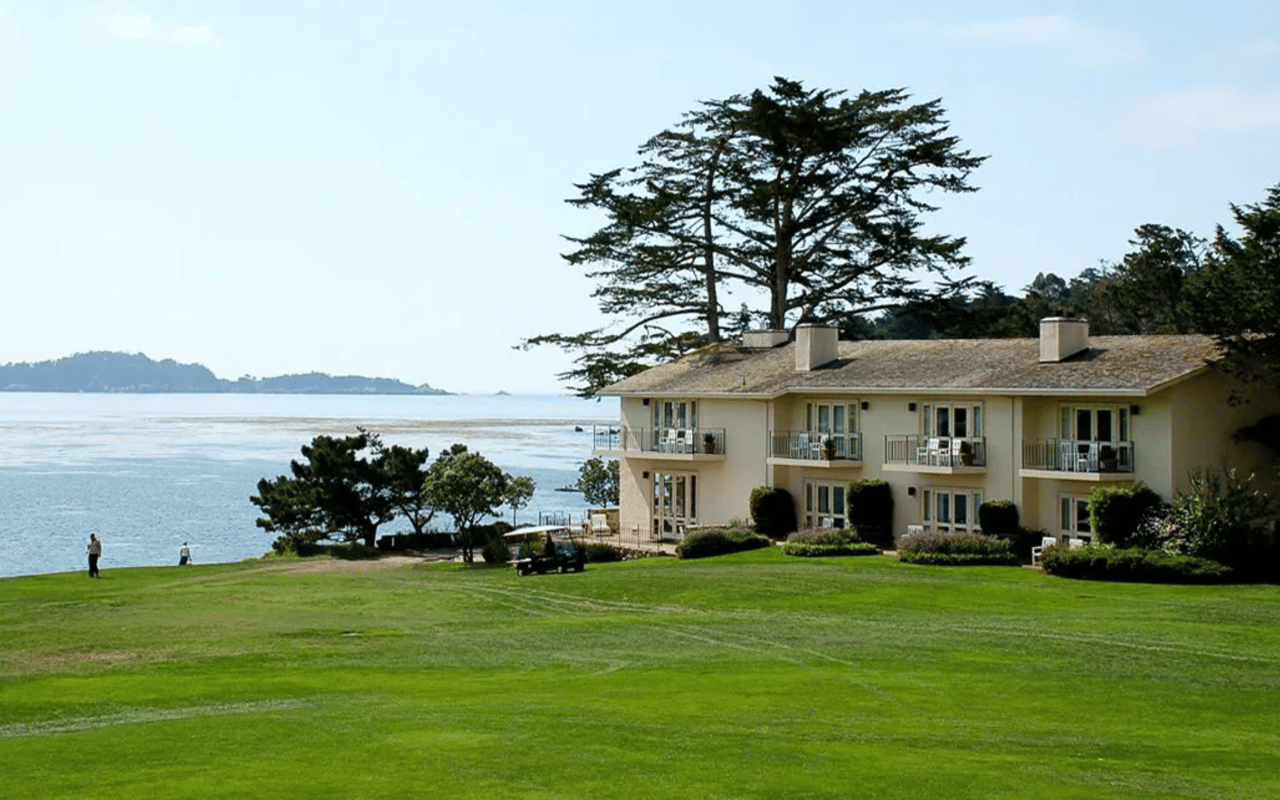
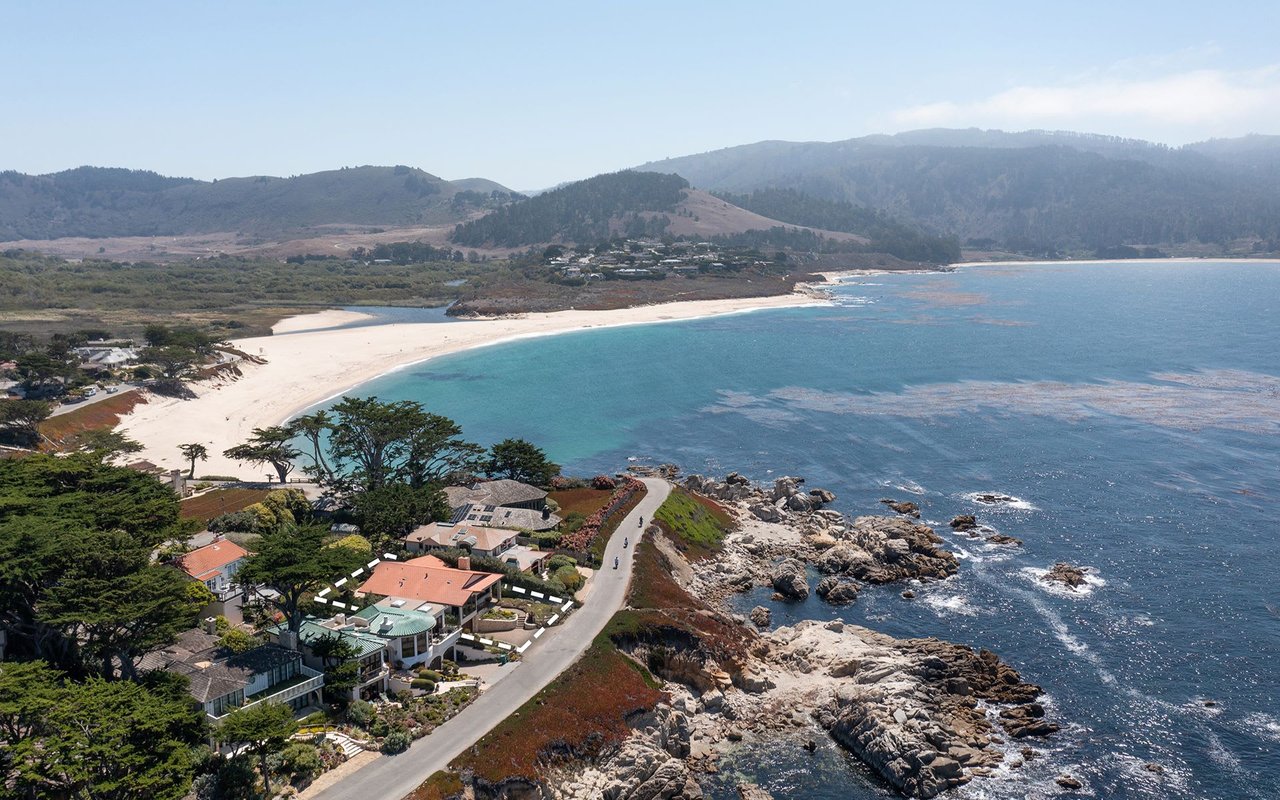
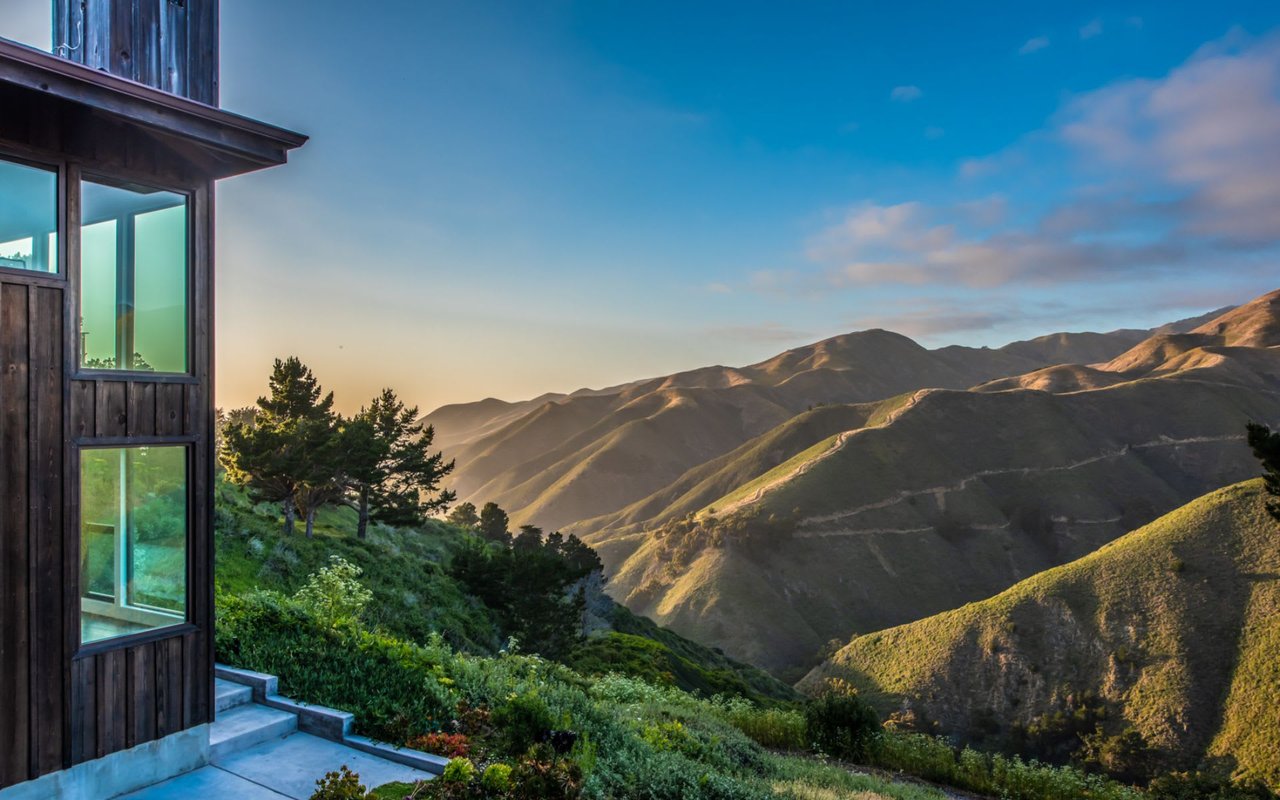
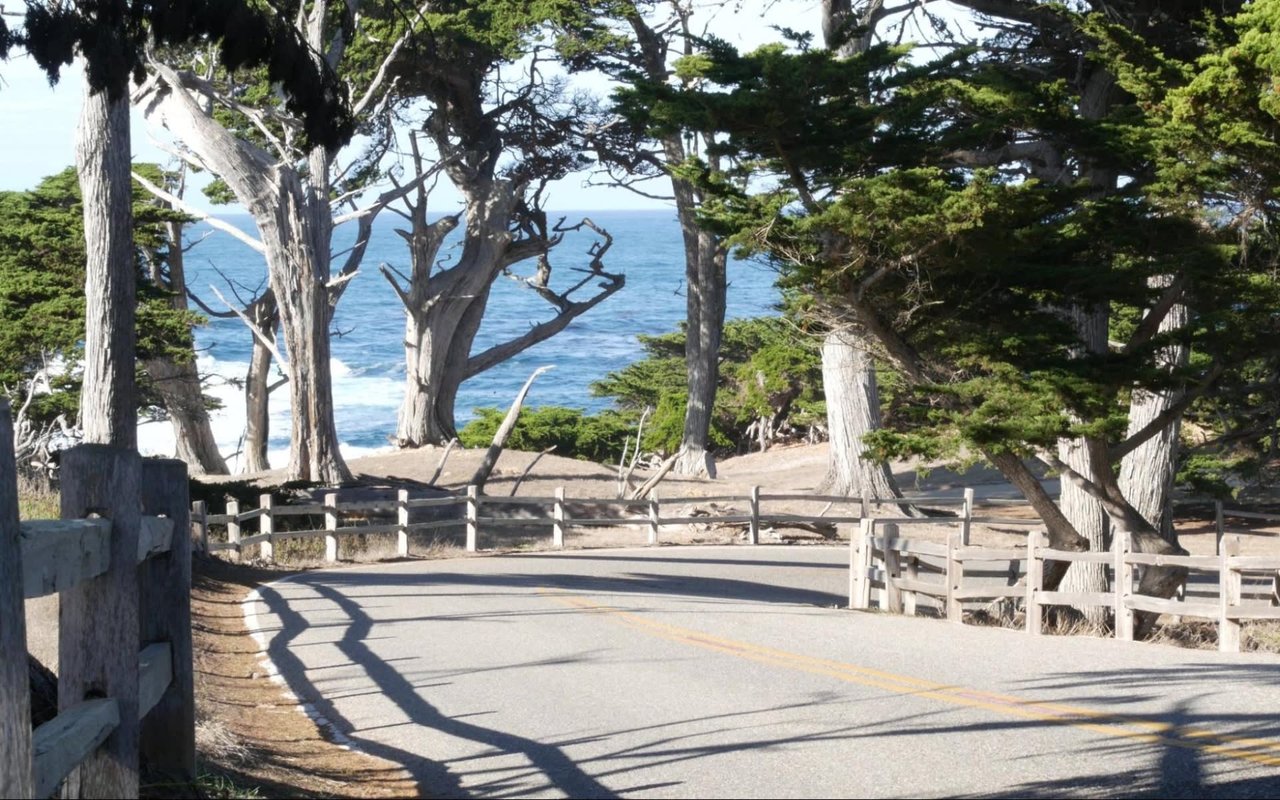
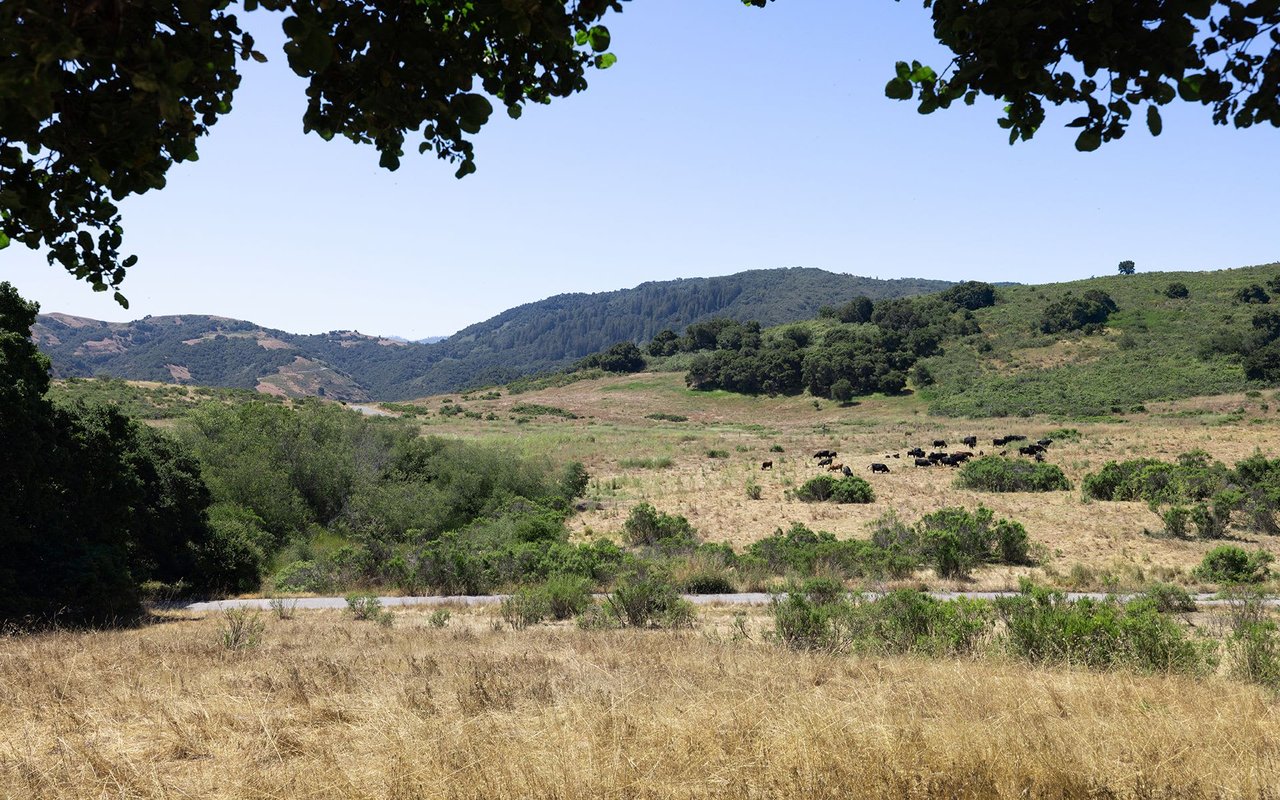
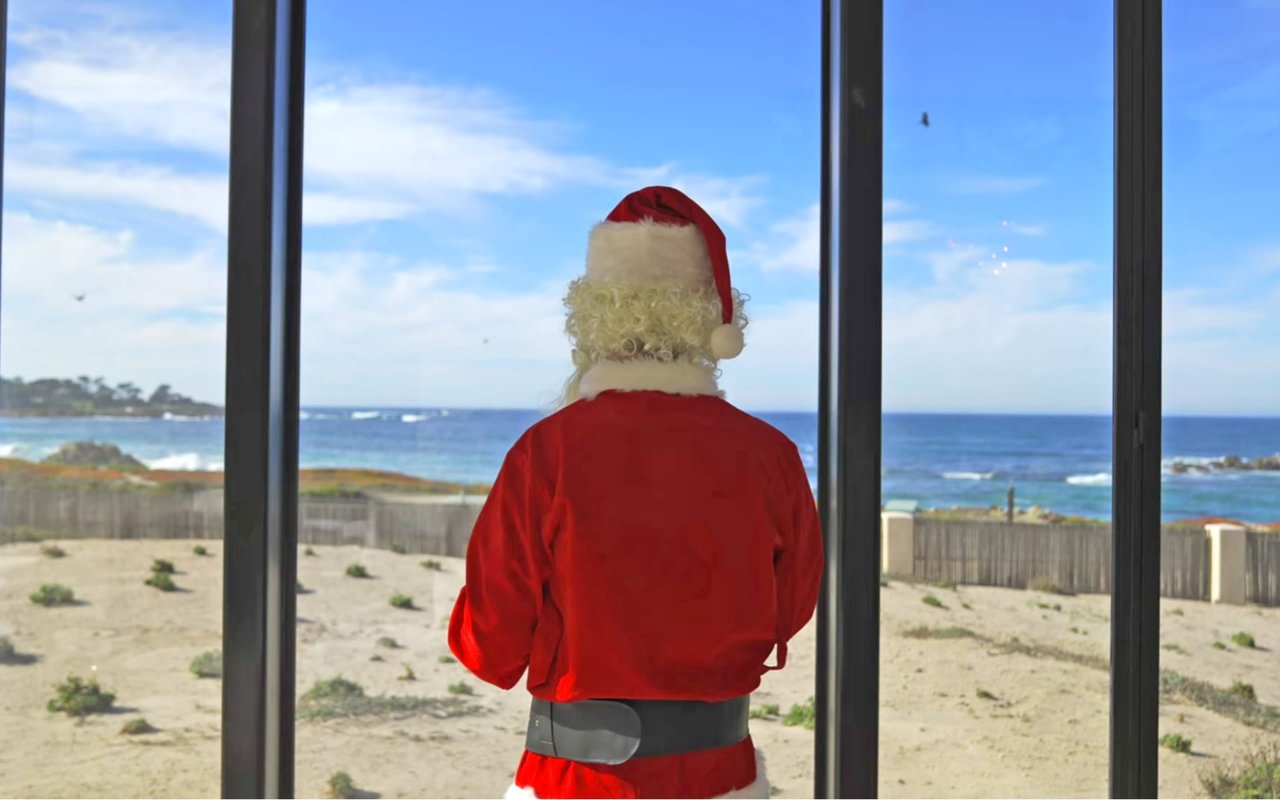
Then there's the Monterey that has nothing to do with any of this. Skyline Forest sits on a narrow ridge west of downtown, bordering Pebble Beach to the west and Huckleberry Hill Nature Preserve to the north, and recent listings there have clustered near $1.2 million, driven by dense oak canopy and bay views rather than proximity to any institution. Down at sea level, Del Monte Beach occupies the last stretch of true waterfront inside city limits, a small pocket of mid-century modern homes on streets named Surf Way, Beach Way, and Dunecrest Avenue, where a mix of renters, second-home owners, and full-time residents share the longest sandy beach on the Peninsula. Further out along the Highway 68 corridor, the Bay Ridge area offers larger lots with sweeping views stretching from Cannery Row around to Santa Cruz.
None of these pockets turn over on a PCS schedule. They trade the way scarcity markets everywhere trade, slowly, and mostly among people who plan to stay. That's the second half of Monterey's median, and it looks nothing like the first.
Why the Comparison to Carmel Breaks Down
Put the two halves together and Monterey's market behavior stops looking like a smaller, cheaper Carmel and starts looking like something structurally different. As of May 2026, Monterey carried roughly 103 active listings against a median list price near $1,017,500, with homes sitting a median of 53 days on market and selling around 99 percent of asking. Zillow's June 2026 data showed a similar shape from a different angle: a typical home value of $1,180,394, down 1.6 percent year over year, with homes going pending in around 21 days and for-sale inventory sitting at 89 units.
At the county level, the same pattern shows up in the seasonal swing. Monterey County's active listings climbed from 397 in January 2026 to 516 by May, while median days on market fell from 79 to 47 over the same stretch. That's a market absorbing a lot of new supply reasonably fast, which is exactly what you'd expect if a meaningful share of that supply is rental-adjacent housing cycling through institutional turnover rather than scarce single-family stock waiting for the right buyer.
Compare that to Carmel-by-the-Sea, where the village's zero-new-construction environment means every listing is inherently scarce, or to Pacific Grove, which has become one of the Peninsula's more active and accessible markets on its own terms. Those villages behave like markets with one product and one clock. Monterey behaves like two markets sharing a mailing address, one that refills itself constantly and one that barely moves at all.
What This Means If You're Actually Comparing Neighborhoods
If you're cross-shopping the Peninsula on price alone, Monterey's median will make it look like the value play. Sometimes it is. A condo near downtown or New Monterey genuinely does offer more house, and more room to negotiate, than an equivalent unit in Carmel or Pacific Grove, and the reason is transparent once you see it: that segment is priced against a renter population with a government-set floor, not against a fixed inventory of storybook cottages.
But if what you actually want is Carmel's kind of scarcity, the version of Monterey that matches it isn't the median at all. It's Skyline Forest, Del Monte Beach, or the Bay Ridge stretch of Highway 68, where homes trade on the same slow, low-turnover rhythm you'd find in any other coastal village on the Peninsula. Comparing the citywide median to Carmel's median compares two different products by accident. Comparing sub-neighborhood to sub-neighborhood tells you something true.
A Couple of Questions Worth Asking Before You Compare Further
Does the military housing allowance affect home purchase prices, or only rents? BAH is calculated from local rental costs and paid to service members who rent or, in some cases, use as qualifying income toward a VA loan. It doesn't set sale prices directly, but the renter base it supports gives Monterey's condo and rental-adjacent segment a demand floor that ownership-driven markets like Carmel simply don't have.
Why does Monterey show more listings and faster absorption than Carmel or Pacific Grove despite a similar or lower price point? Because a meaningful share of Monterey's inventory turns over on institutional and rental cycles, not aesthetic scarcity. Carmel's supply is capped by its zero-new-construction environment. Monterey's is refreshed continually by a population that rotates on orders rather than on the local resale calendar.
If you're weighing Monterey against Carmel, Pacific Grove, or Pebble Beach and want a read on which of Monterey's sub-markets actually matches what you're picturing, Tim Allen Luxury Rentals can walk you through the specific streets and price bands that behave the way you expect them to. Get in touch with our Luxury Rentals concierge to start that conversation.