Are you thinking about turning a Big Sur estate into a destination rental? It is an exciting idea, but in Big Sur, great marketing starts with something more important than beautiful photos or polished copy. You need a strategy that fits the area’s rules, protects the property, and reflects what makes a stay here special. If you want to position a Big Sur estate the right way, this guide will show you what matters most and how to market with clarity and care. Let’s dive in.
Start With Legal Positioning
Before you plan a campaign, verify what type of rental use your property can support. Monterey County’s current materials state that commercial vacation rentals are not allowed in Big Sur, and the Big Sur Coast Land Use Plan area is listed as prohibited for Commercial Vacation Rentals in the county’s coastal planning table.
That makes parcel-level review the first step, not the last. If you market a property for short-term stays before confirming its allowed use, you risk building demand for a rental format that may not be permitted.
County guidance also notes that coastal vacation rental regulations took effect on October 24, 2025, and draft amended vacation rental ordinances were still under development as of June 6, 2026. In practical terms, that means you should confirm the latest county rules before publishing listings, launching advertising, or accepting reservations.
Understand Big Sur’s Rental Reality
Big Sur is not a high-volume rental market in the usual sense. County planning and stewardship documents frame the area as a scenic corridor where preservation of wild and scenic beauty is a core priority.
That context changes how an estate should be presented. The strongest position is not a fast-turnover vacation product, but a carefully managed, place-based stay centered on privacy, scenery, and low-impact occupancy.
This is one reason Big Sur marketing needs a different tone than a standard luxury rental. You are not simply offering bedrooms and amenities. You are presenting a rare setting where access, stewardship, and guest fit matter as much as the home itself.
Choose the Right Stay Model
If a property is not authorized for vacation-rental use, Monterey County says rentals longer than 30 nights are not regulated by HCD. The county also says listings and calendars should clearly show a 31-day minimum stay if the property is not authorized for vacation-rental use.
For some Big Sur owners, that can create a more workable path. A longer seasonal lease may align better with local rules, reduce turnover, and support a more private and intentional guest experience.
This matters from a marketing standpoint because your messaging, calendar structure, and guest expectations should all match the permitted use. In Big Sur, the right strategy often begins with restraint and precision.
Build the Campaign Around Place
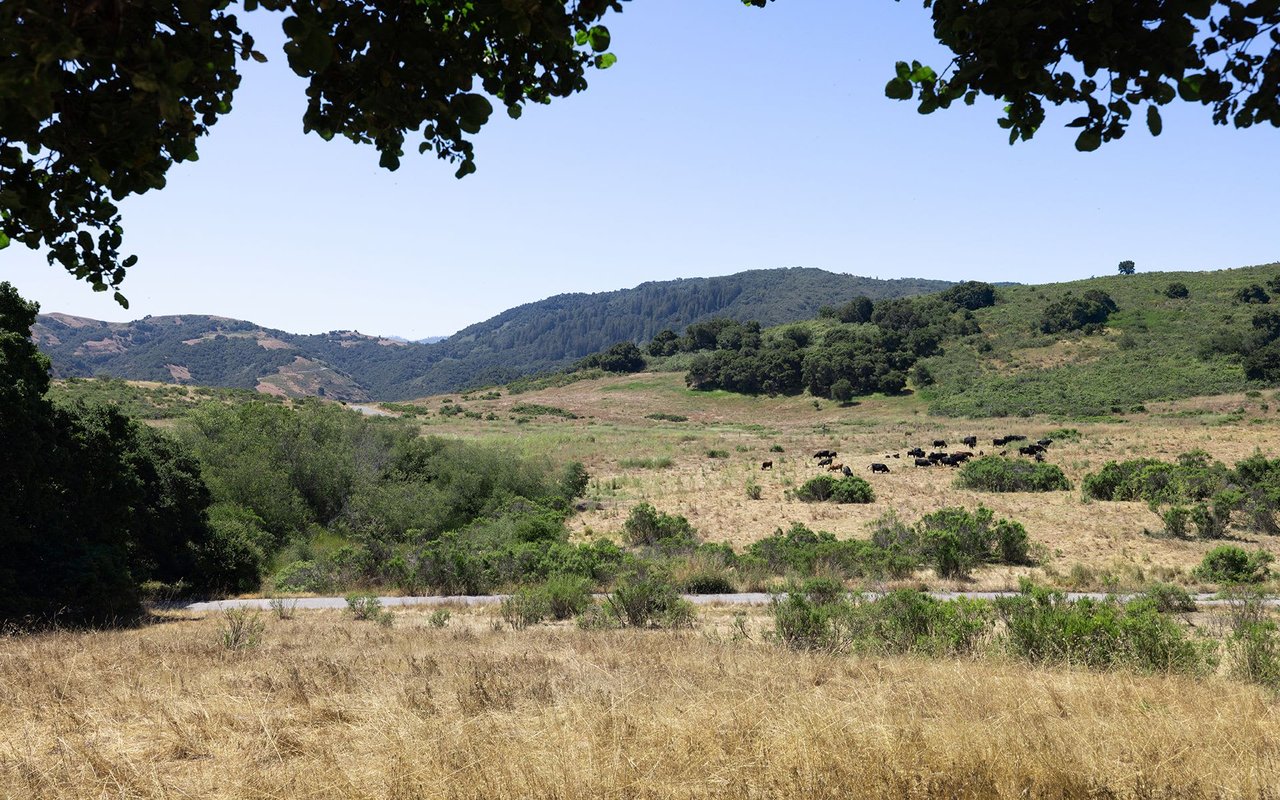
A Big Sur estate should be marketed as a destination, not a commodity. The area’s travel and stewardship planning emphasizes the rugged scenic experience, sustainable access, and careful management of visitor pressure.
That means your campaign should focus on what it feels like to arrive, settle in, and experience the property over time. Privacy, quiet, landscape context, and the rhythm of a stay often carry more weight than a long list of features.
For luxury audiences, this kind of positioning feels more credible and more compelling. It signals that the property is being presented with discretion and respect for its setting.
Lead With Visual Storytelling
In luxury rentals, the first showing usually happens online. Research cited in the source material notes that 81 percent of buyers rated listing photos as the most useful feature in their online search, while hospitality research shows that travelers want to see the experience before they book.
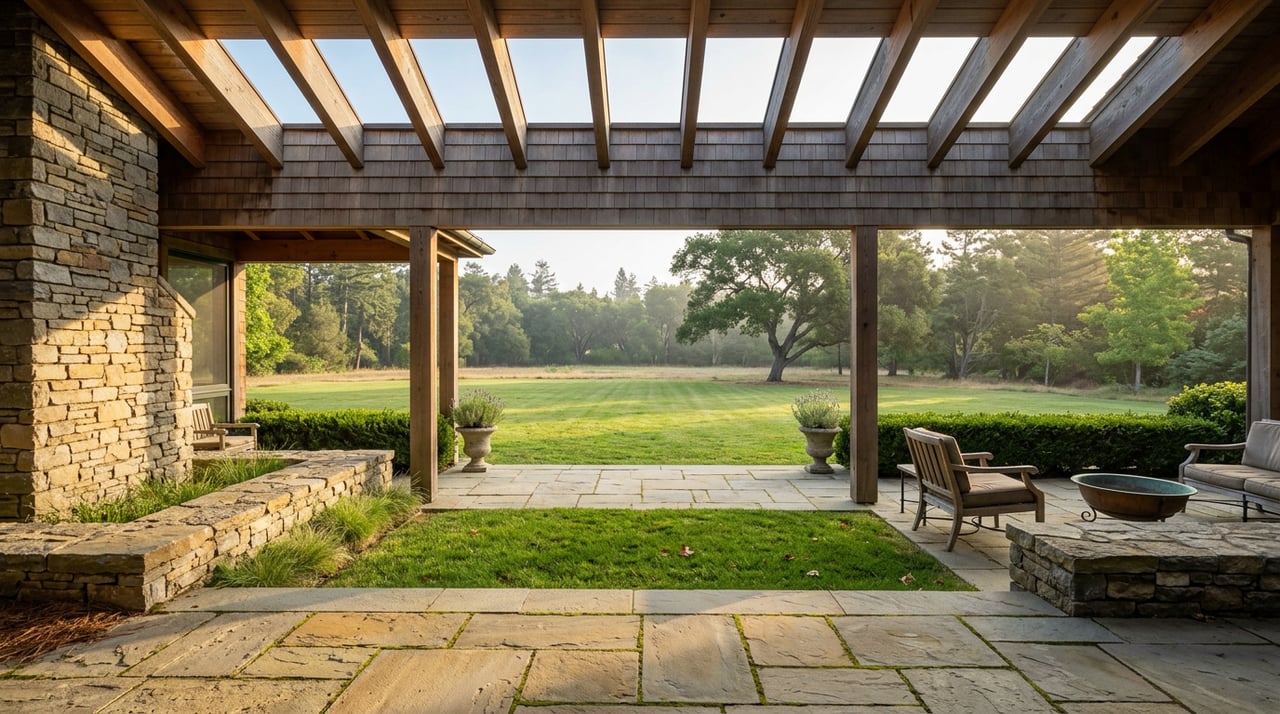
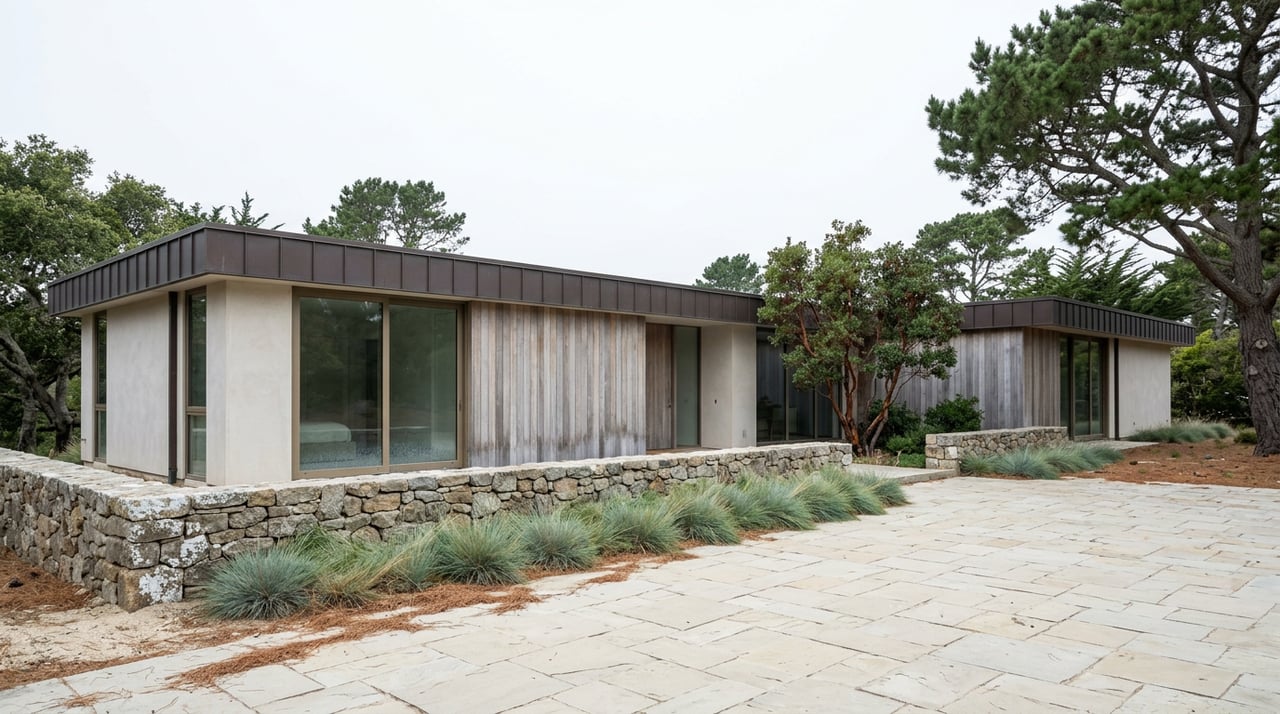
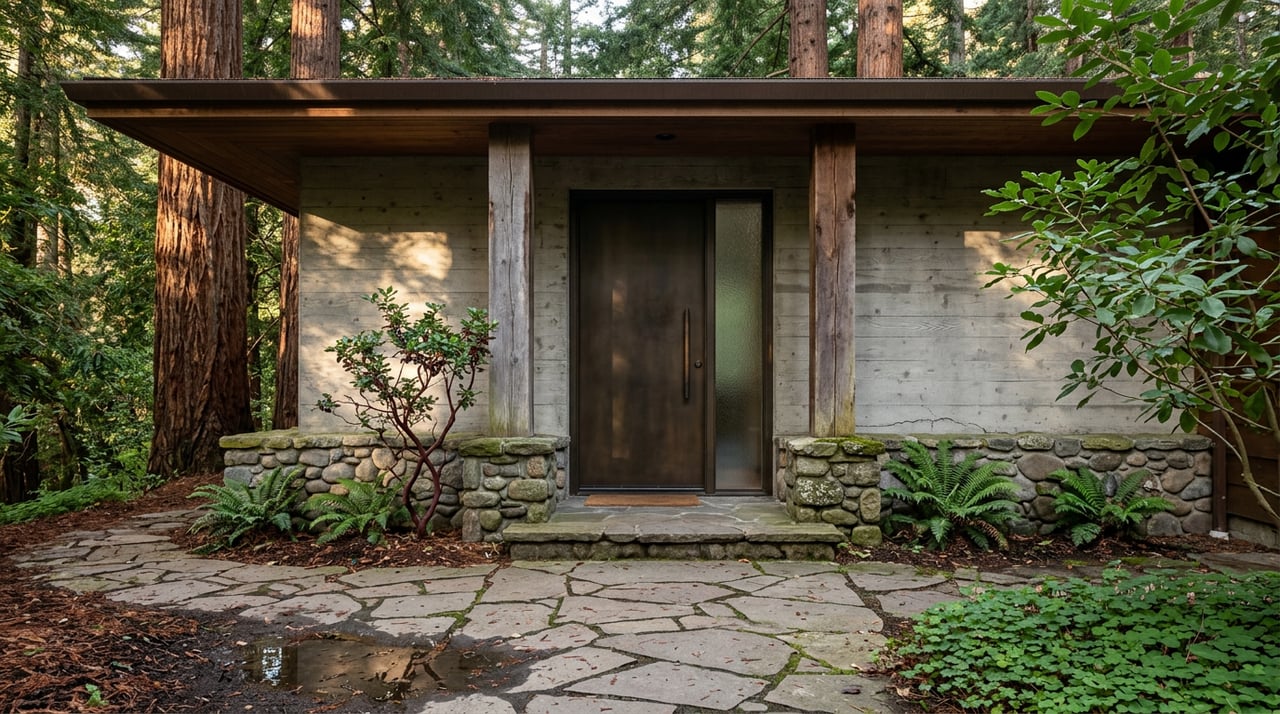
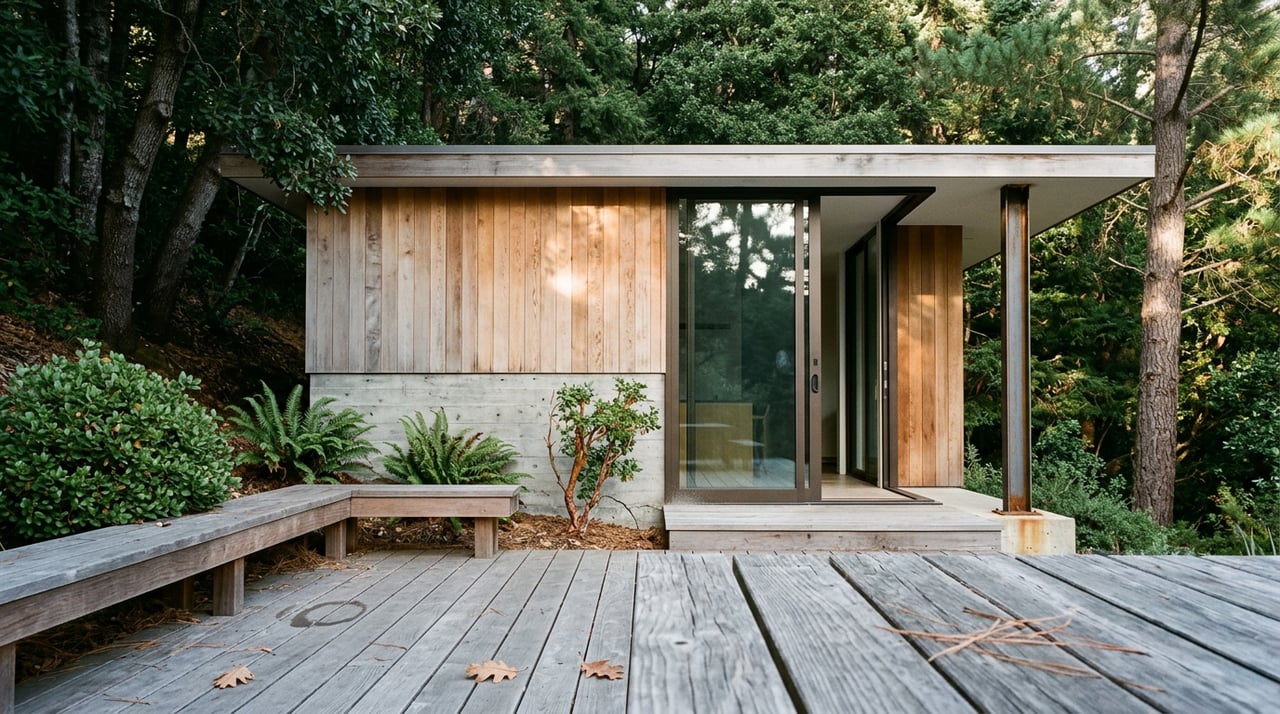
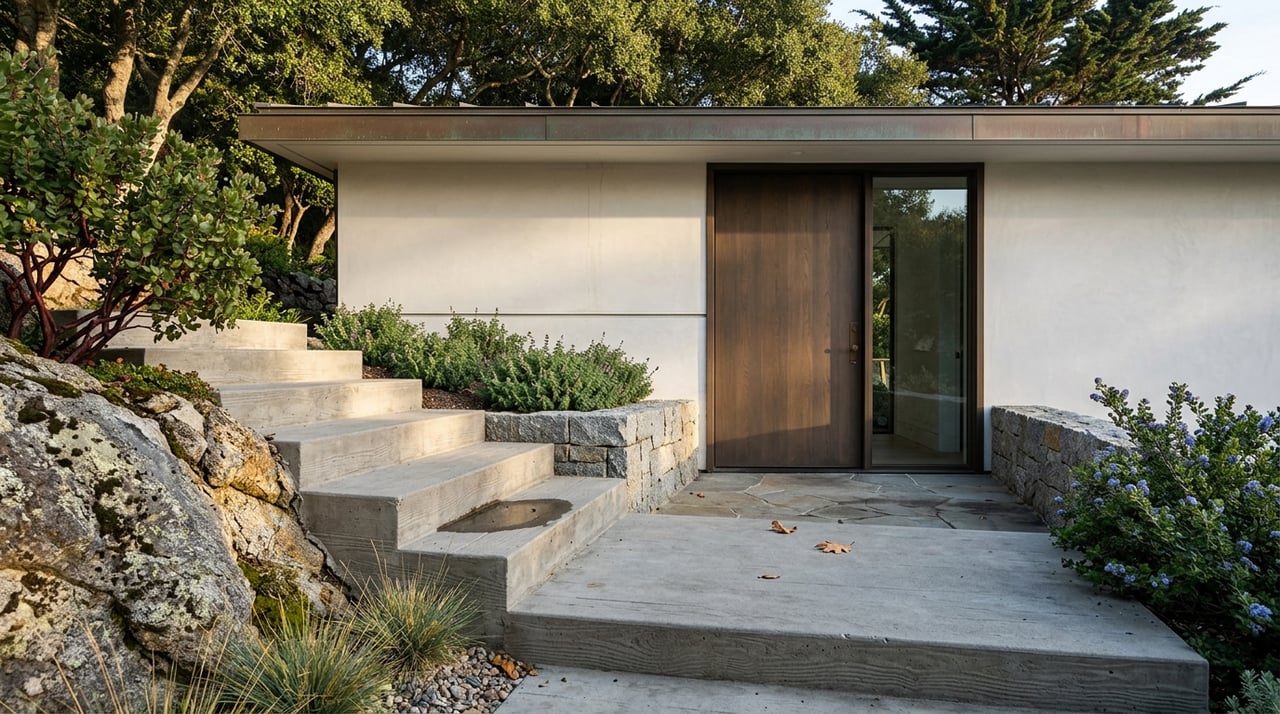
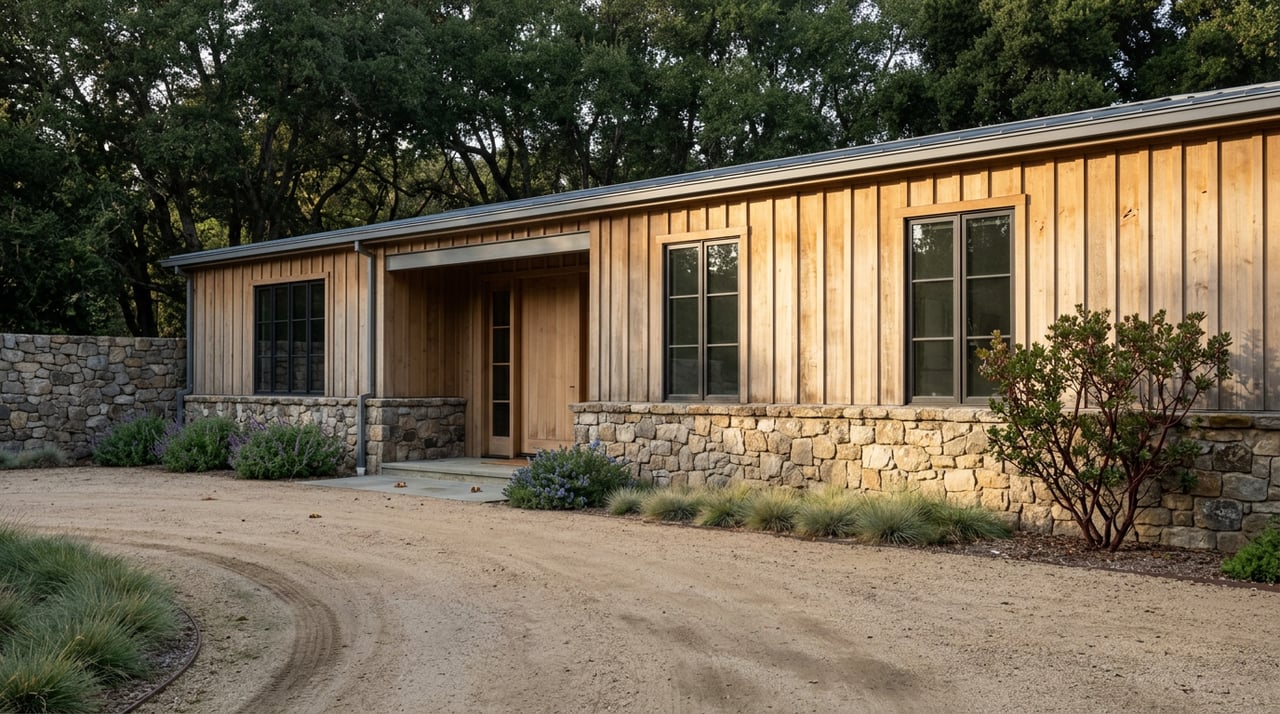
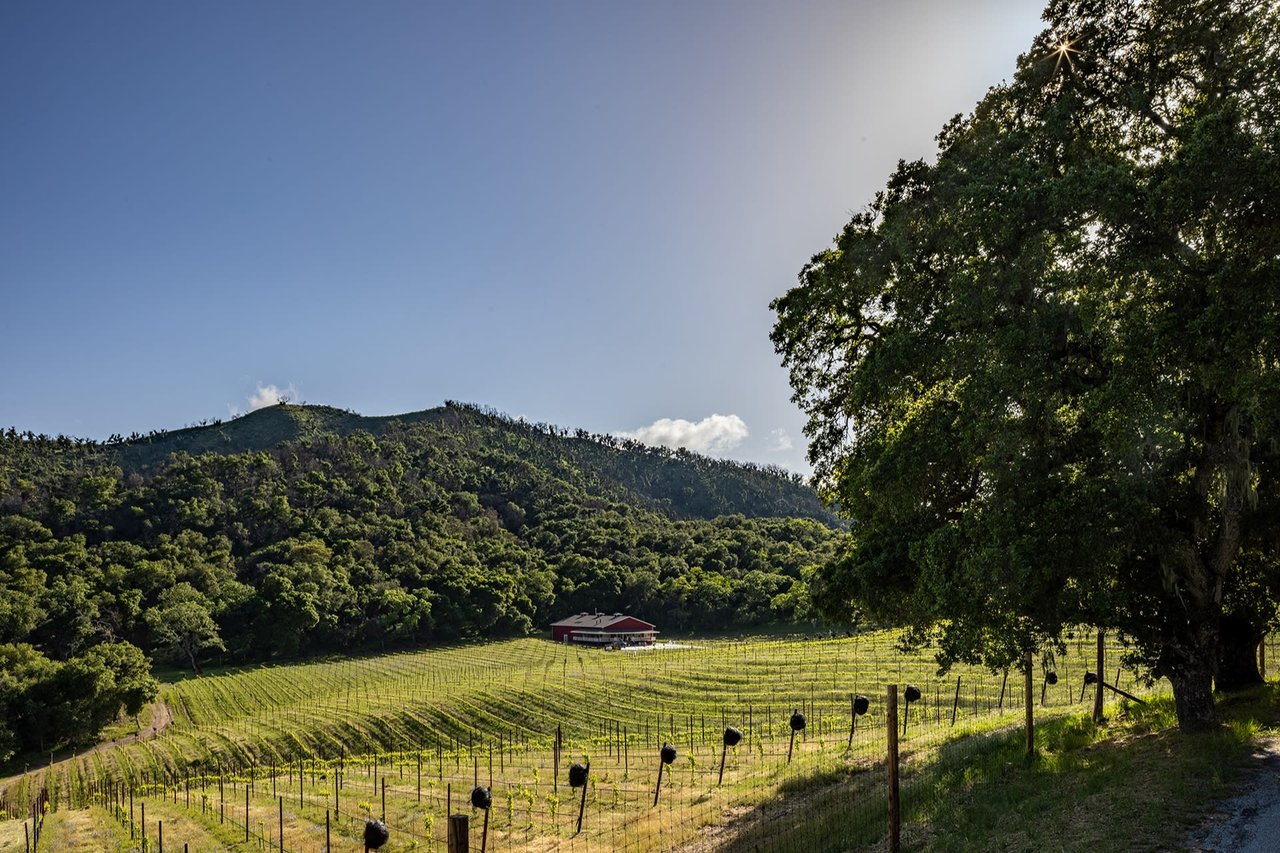
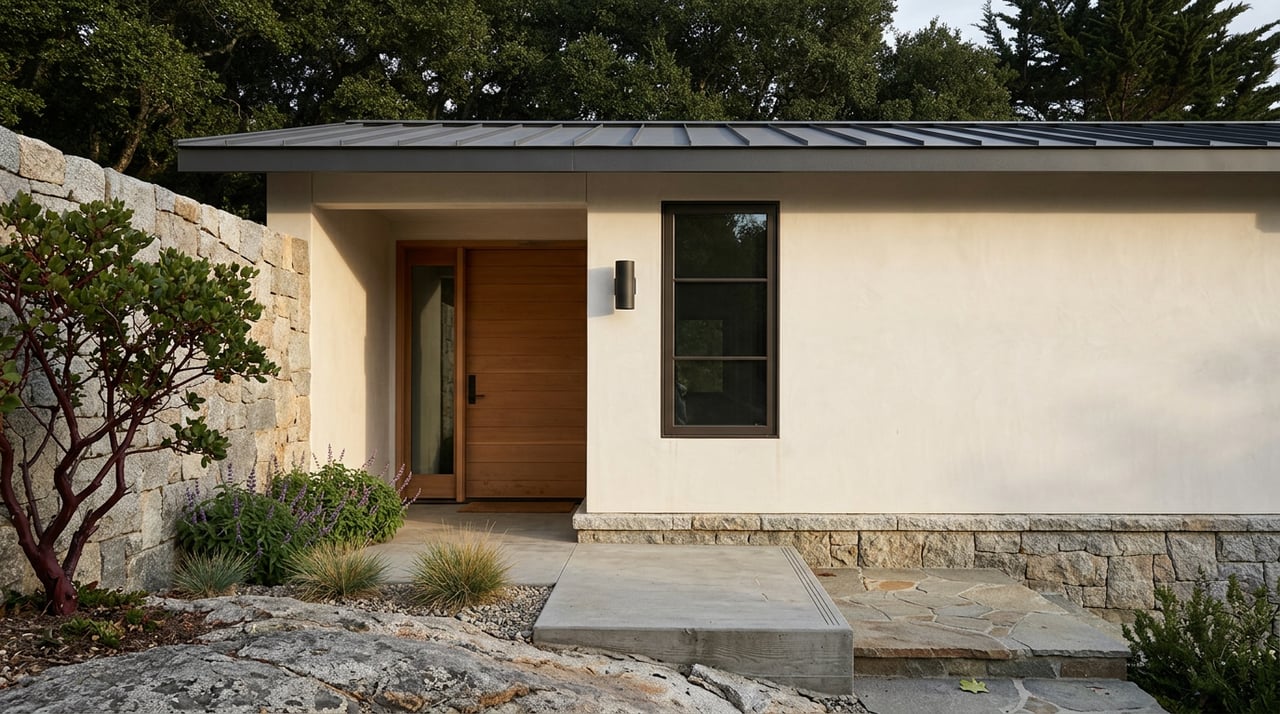
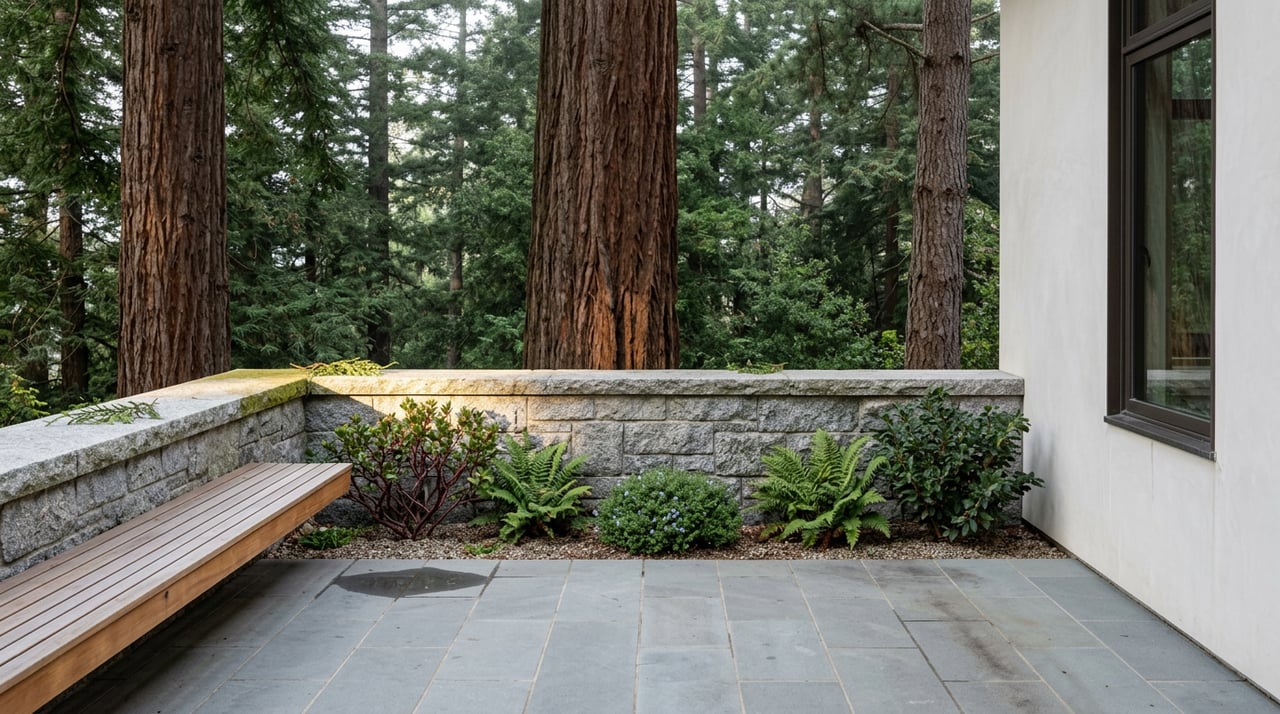
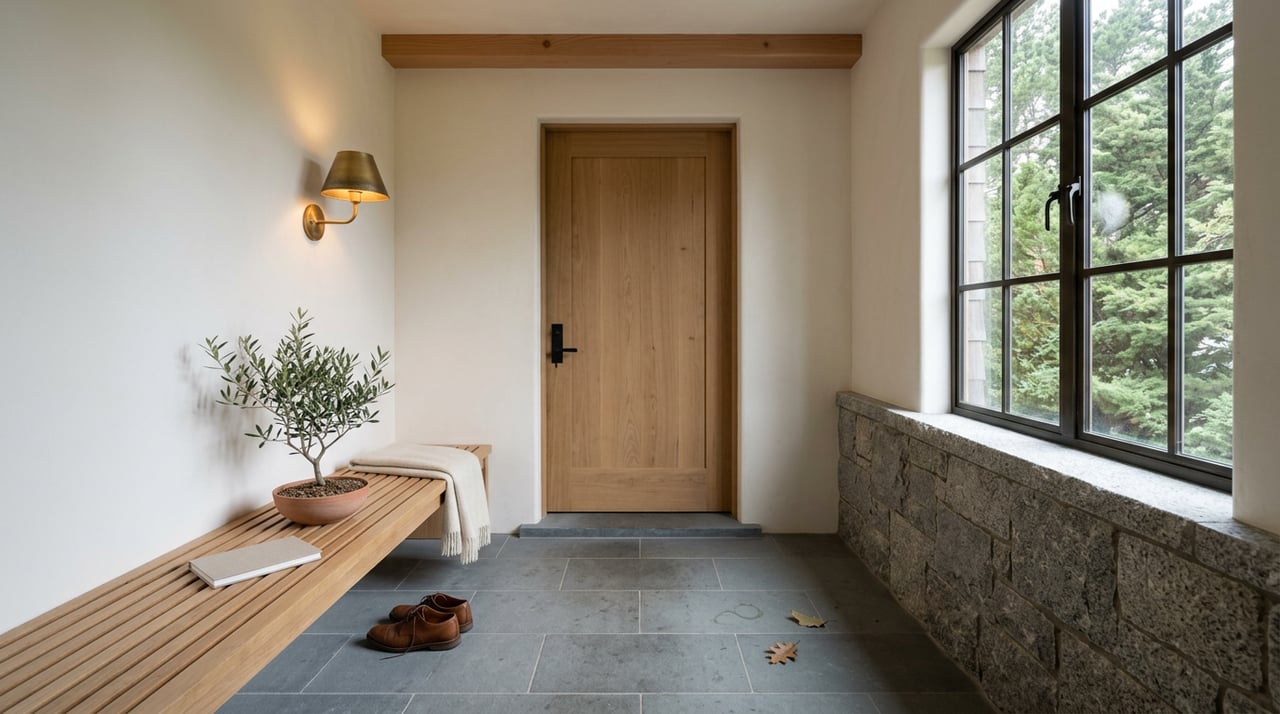
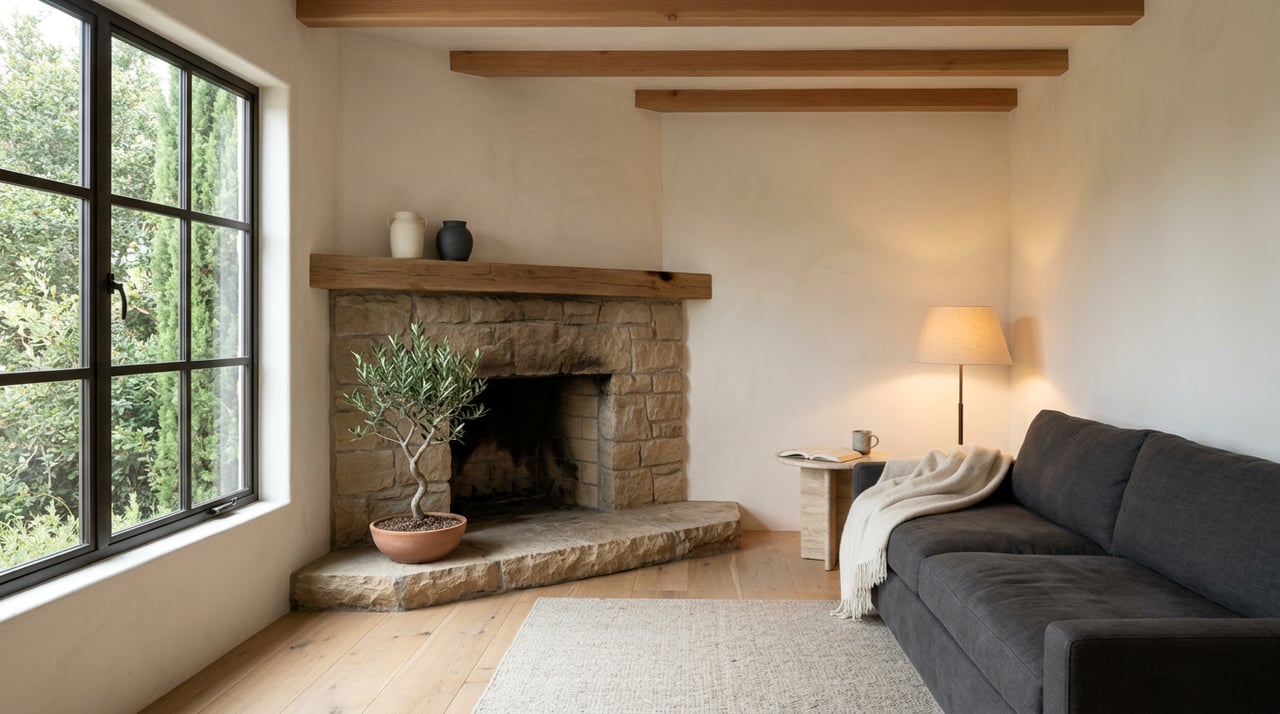
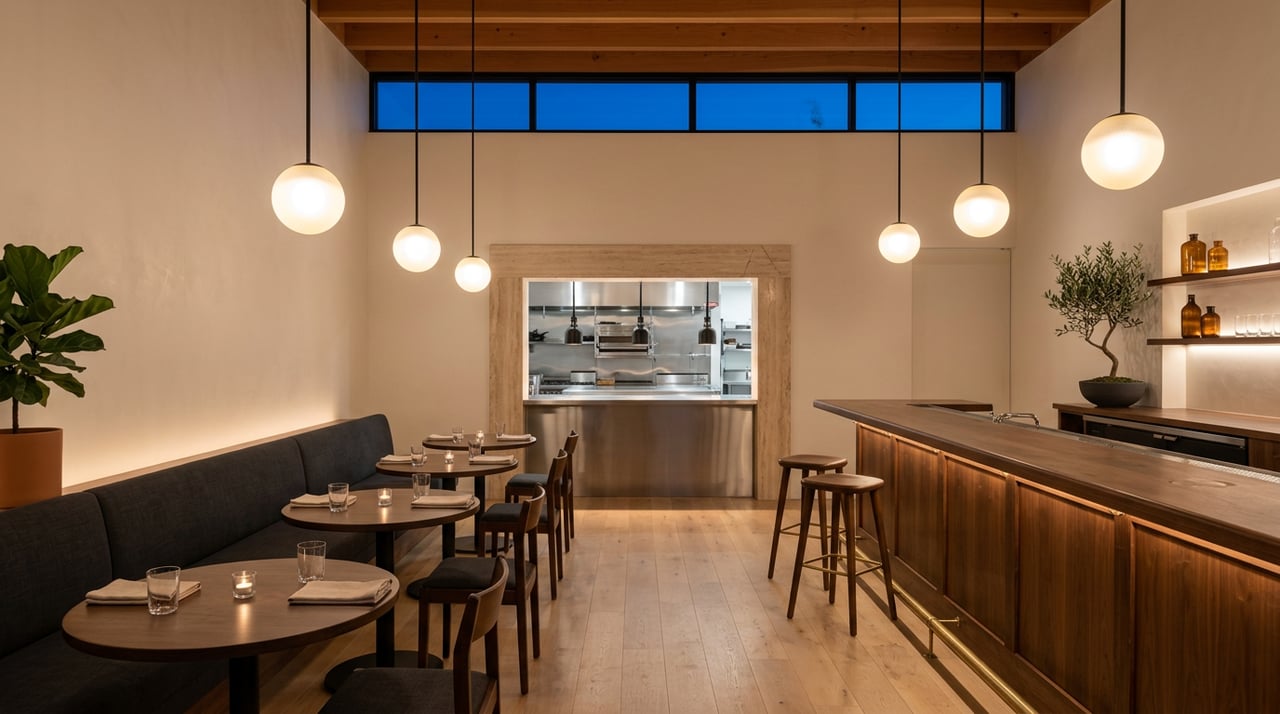
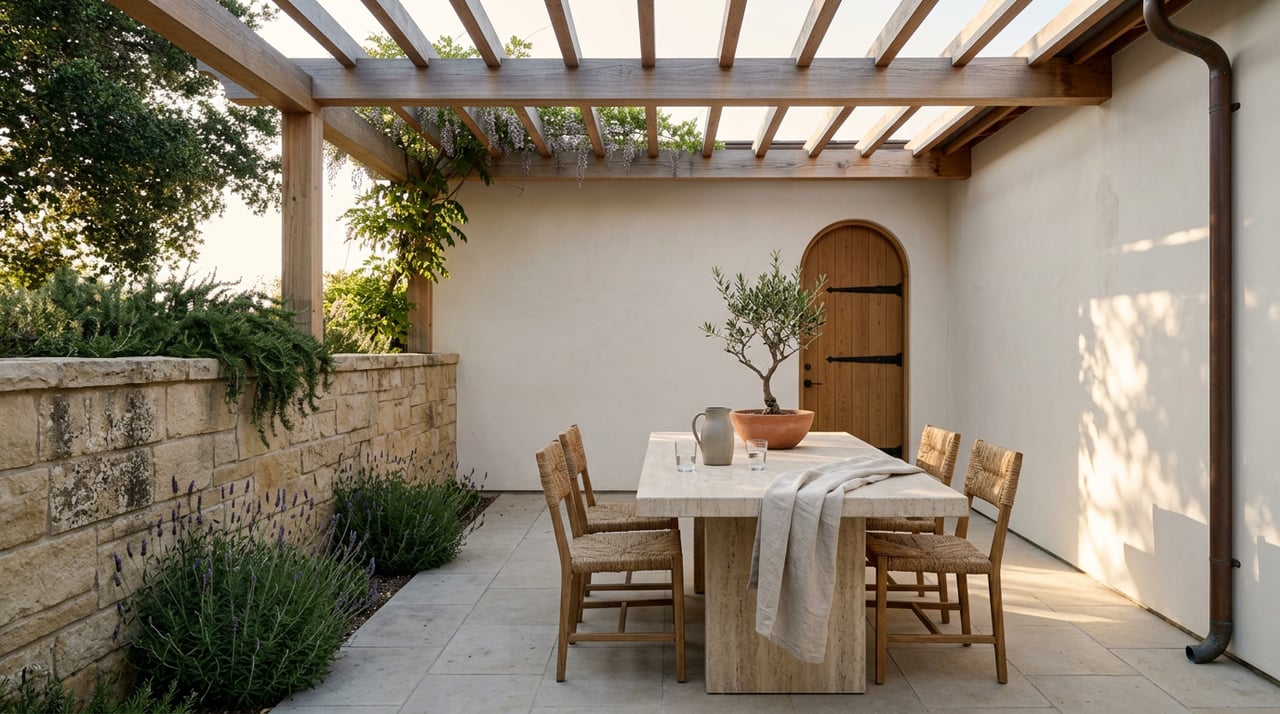
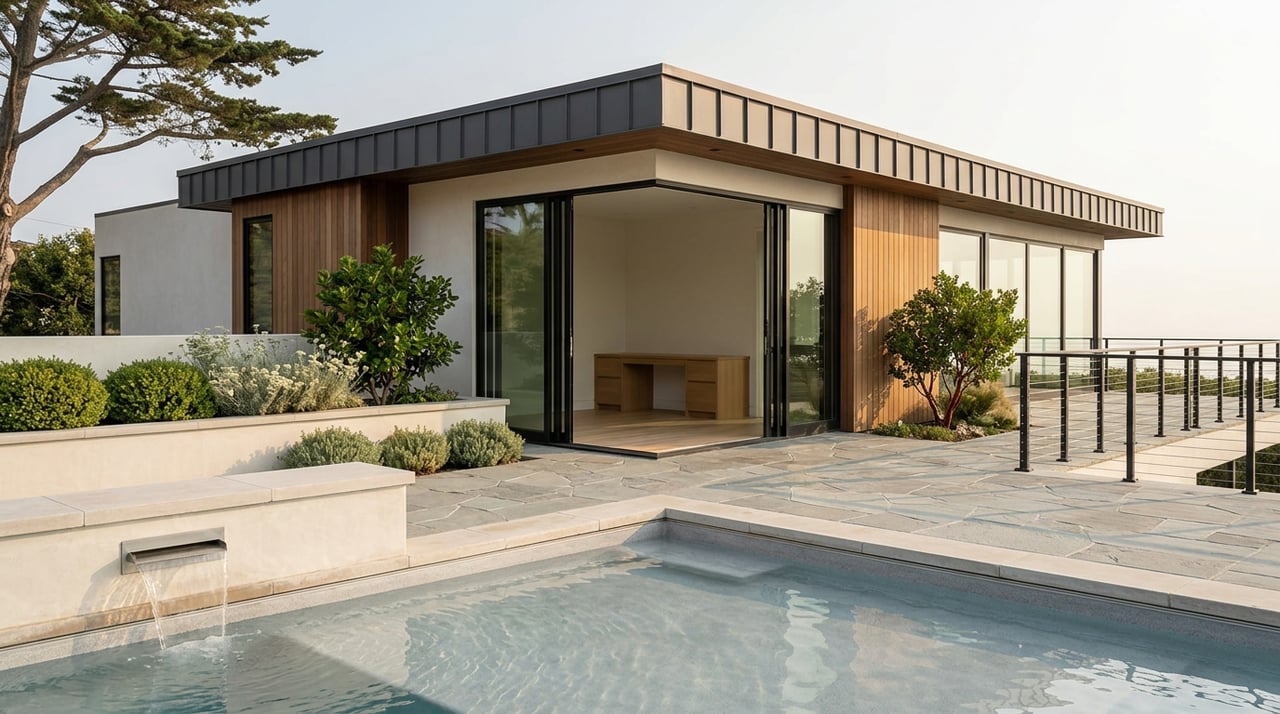
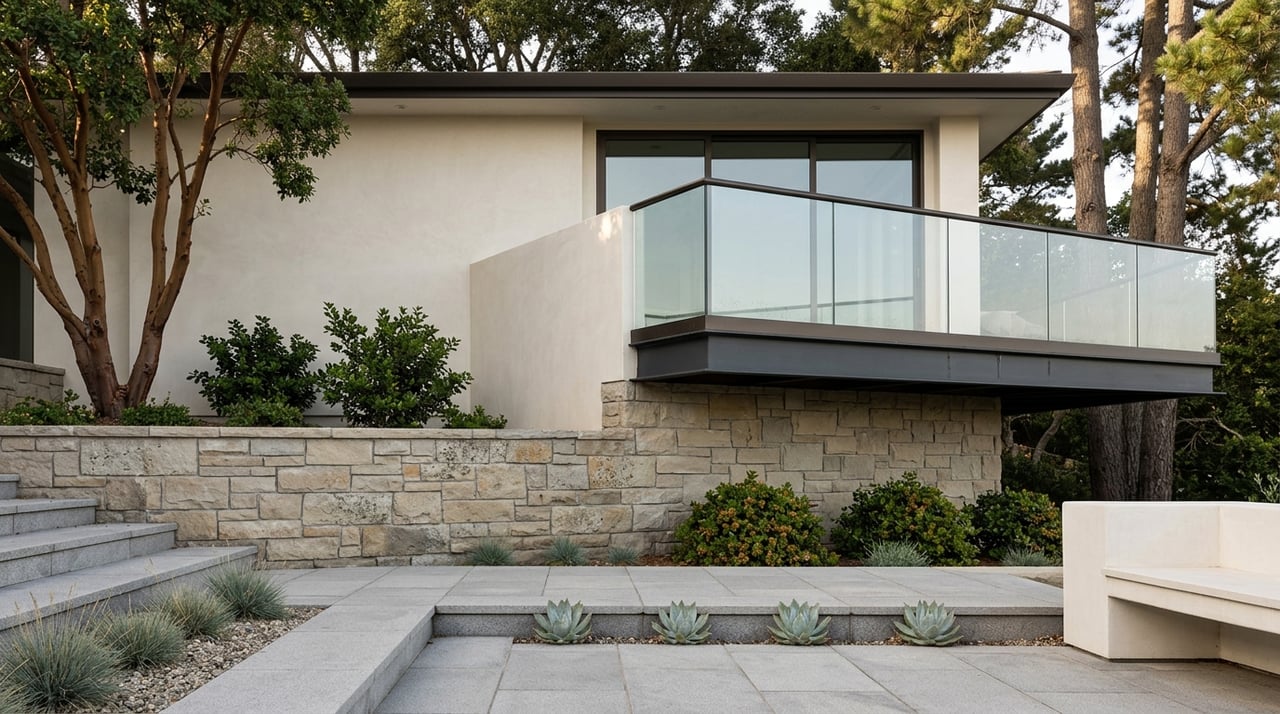
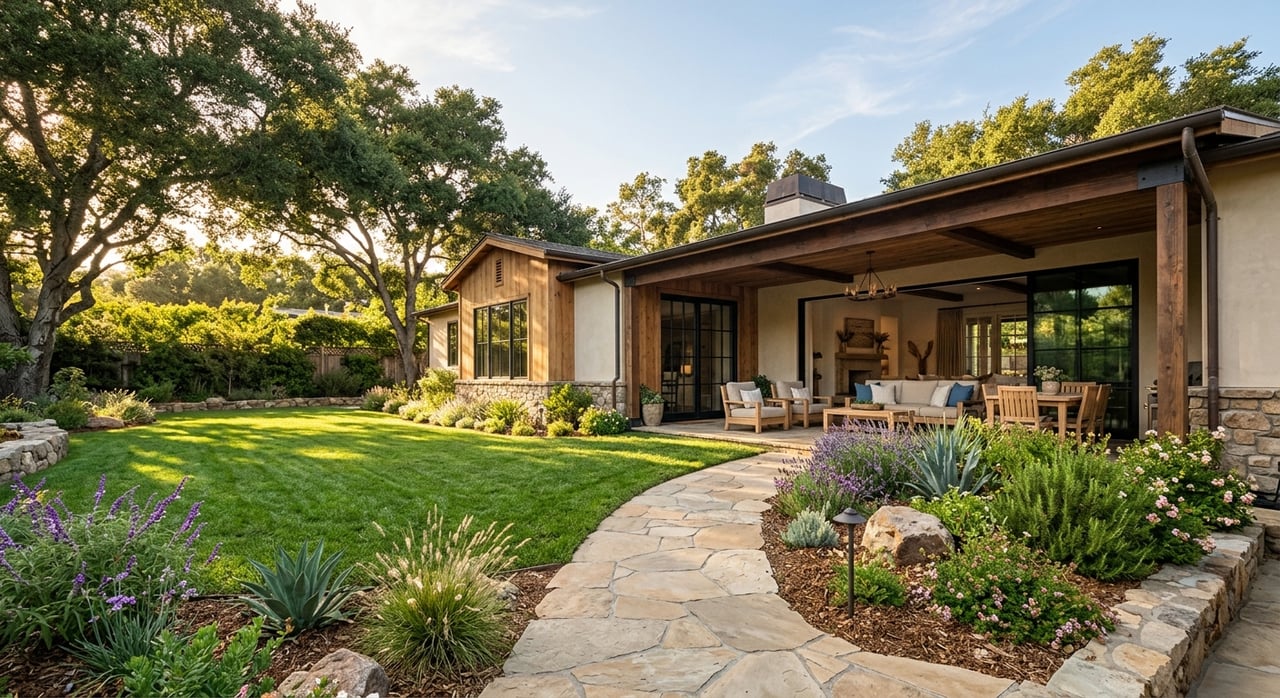
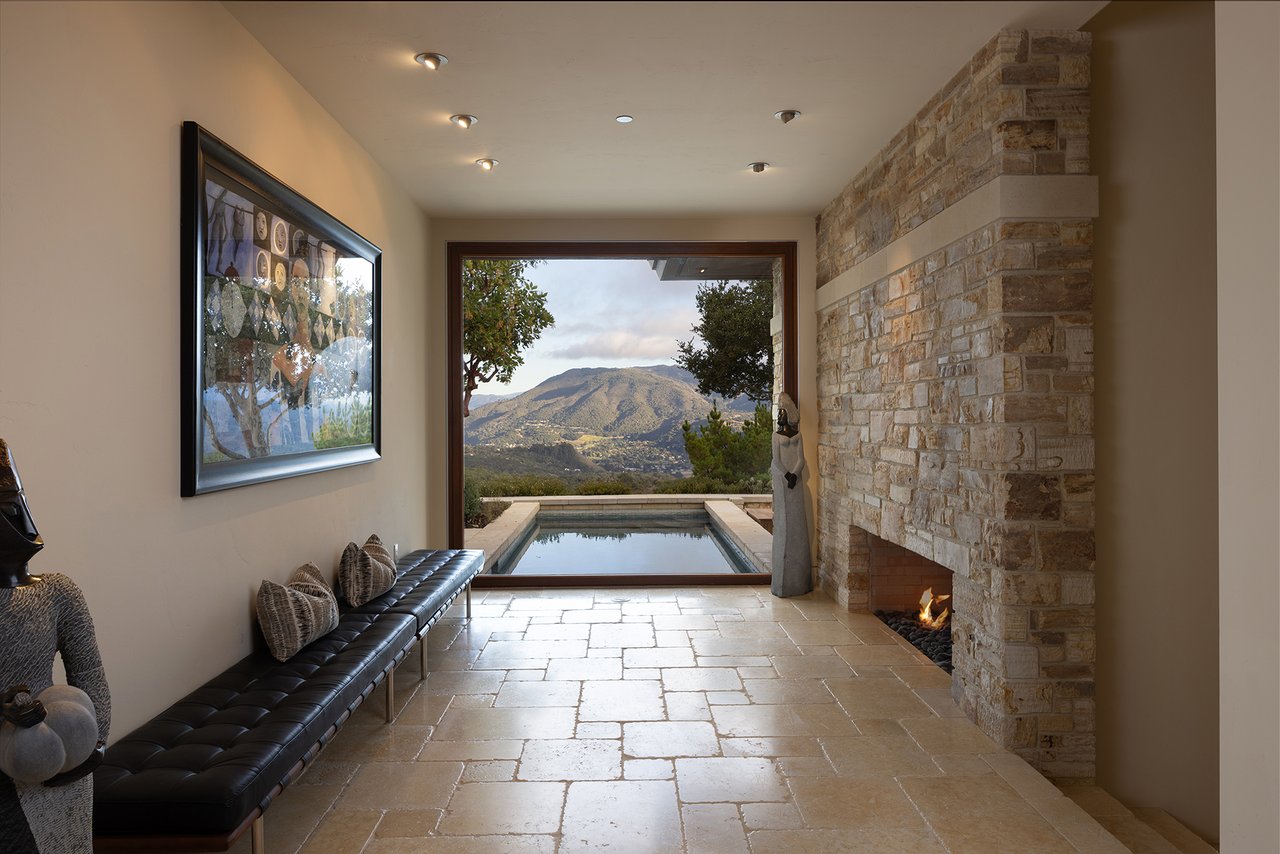
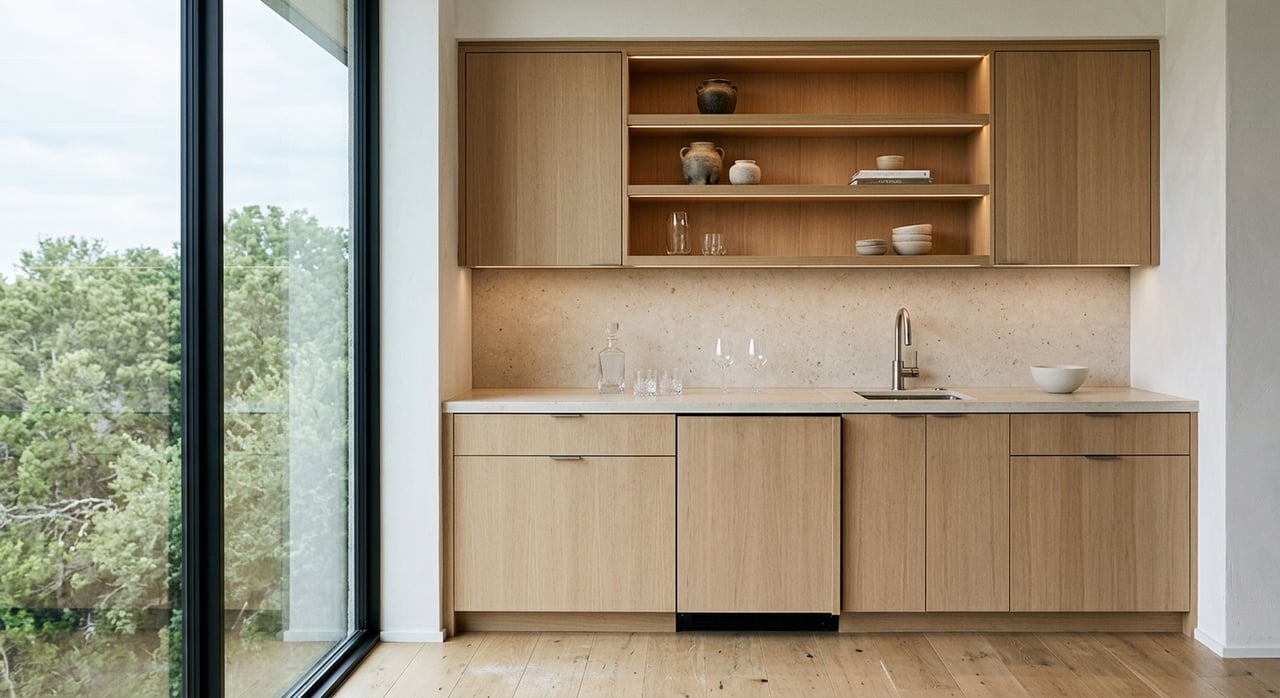
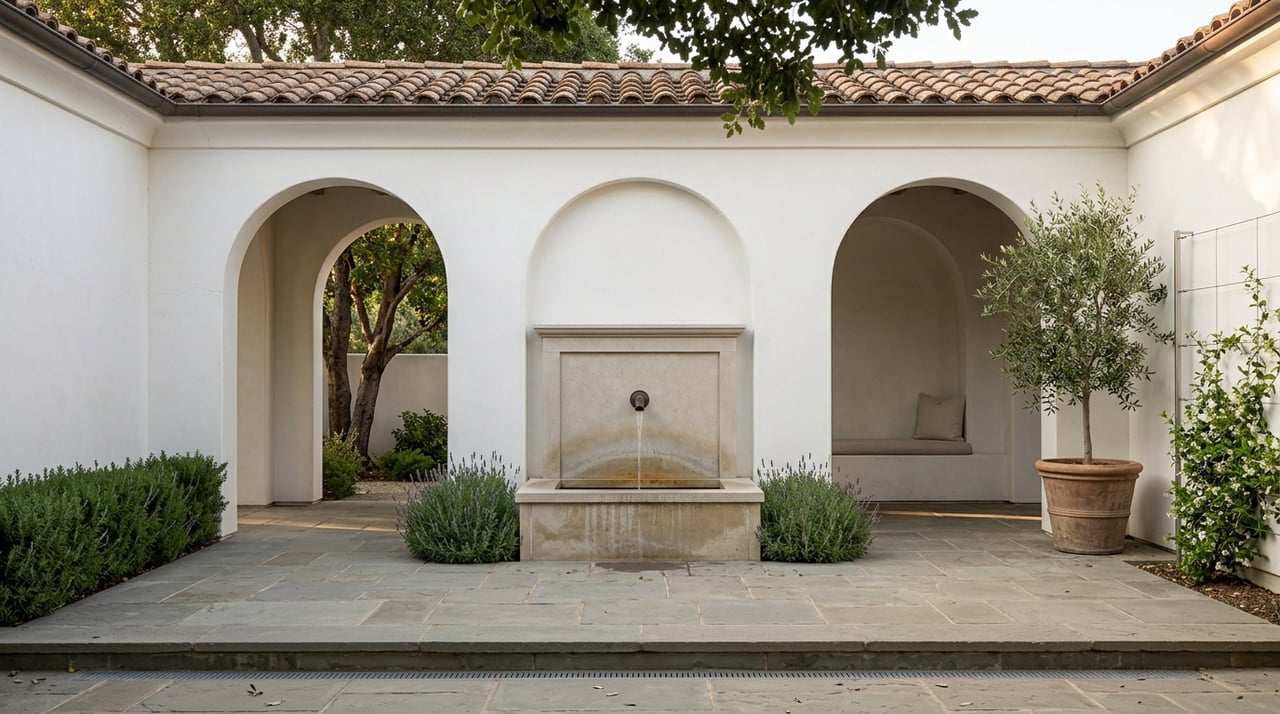
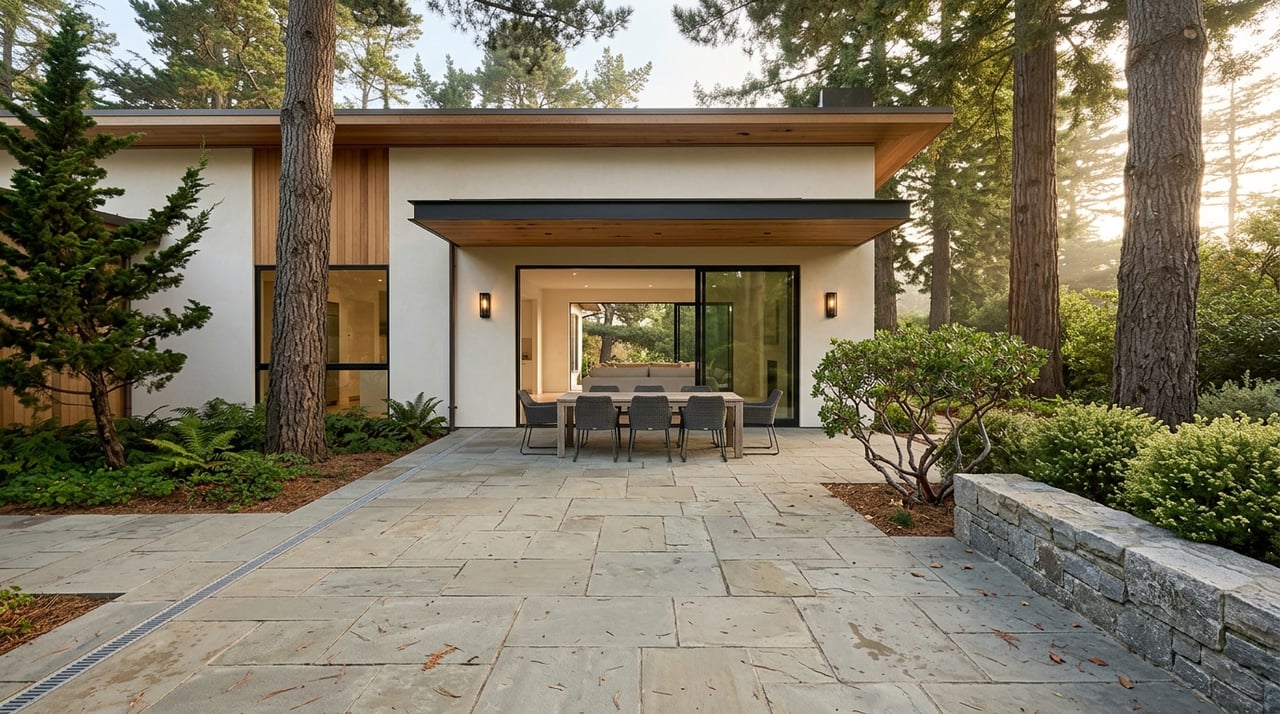
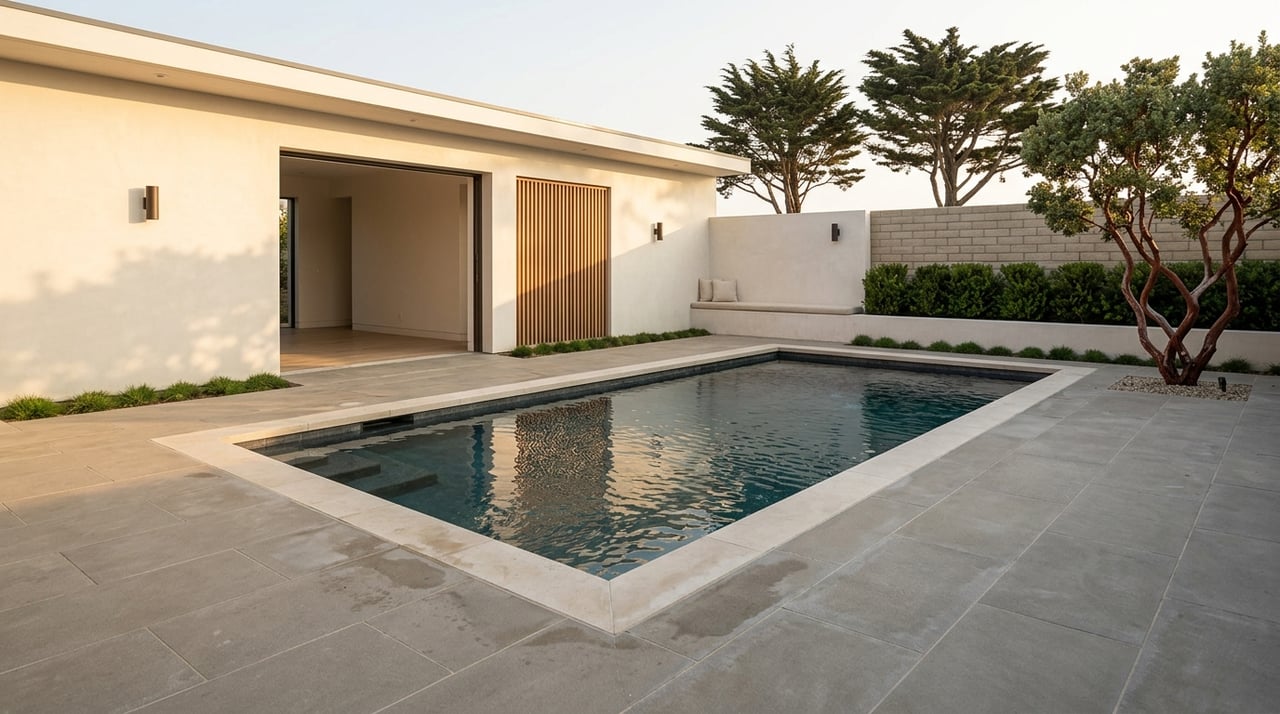
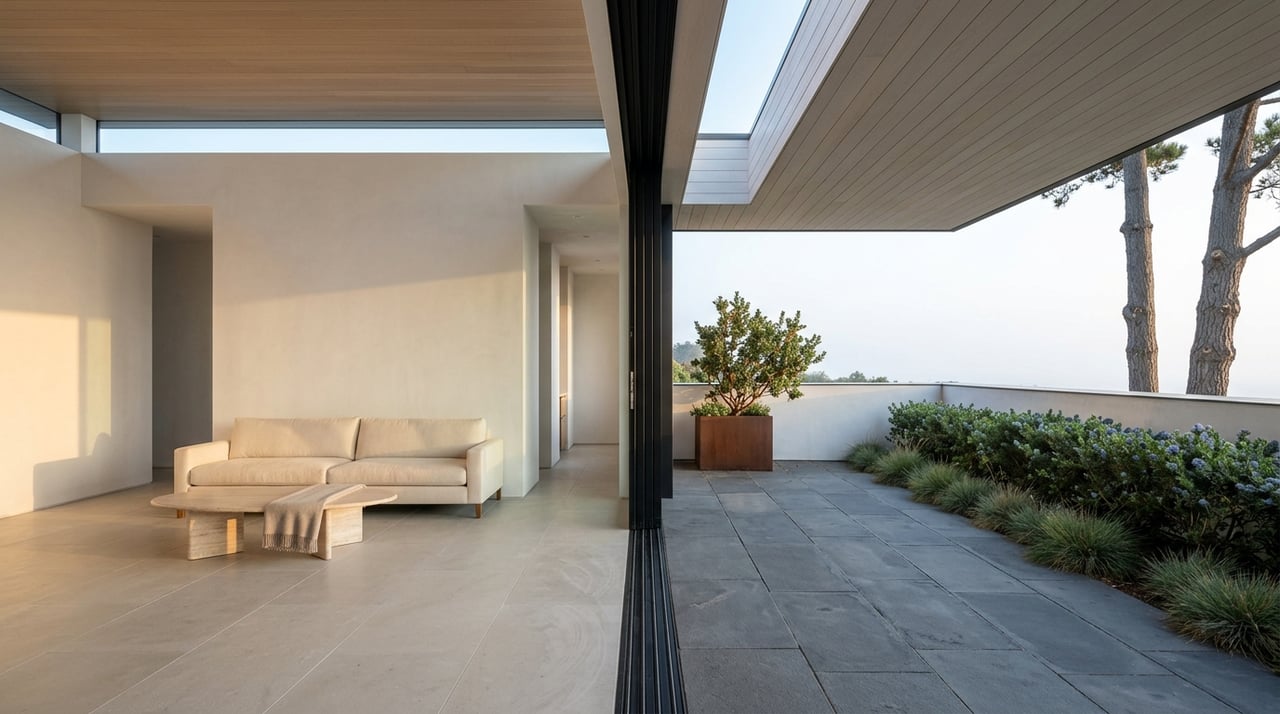
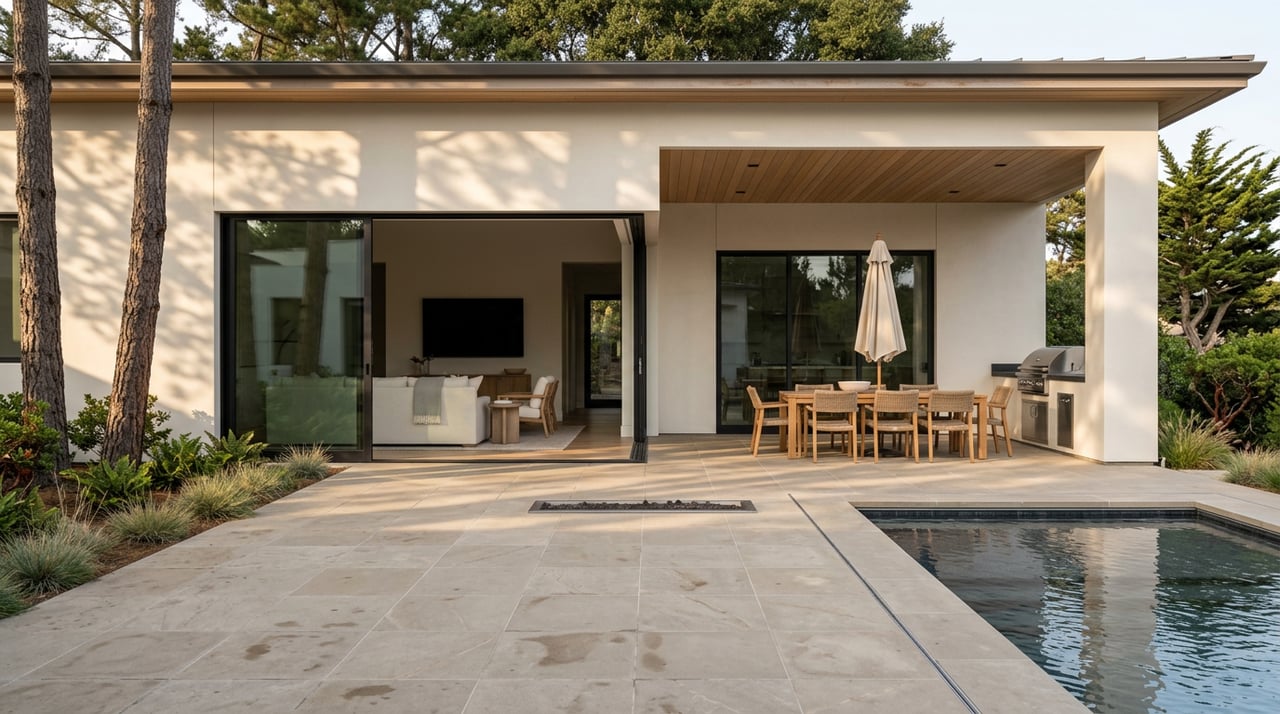
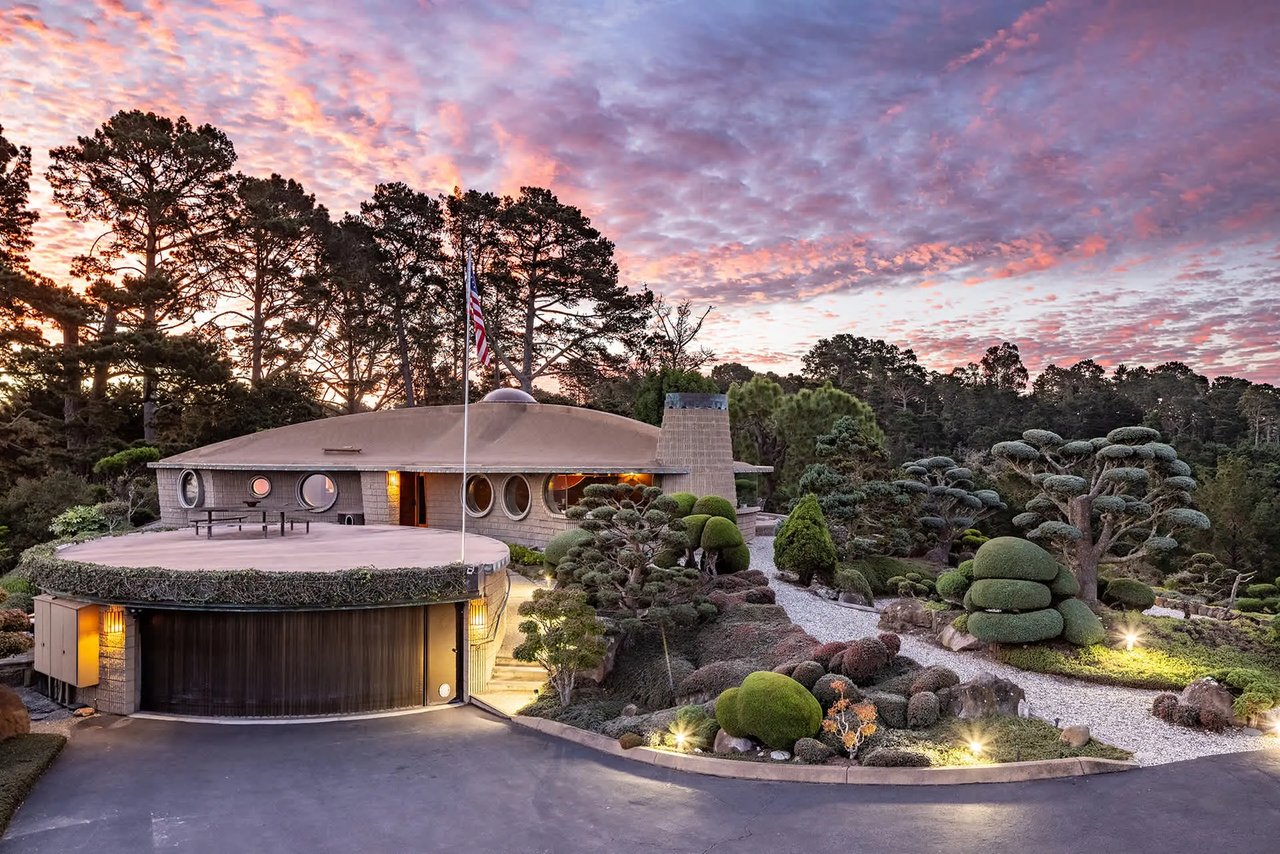
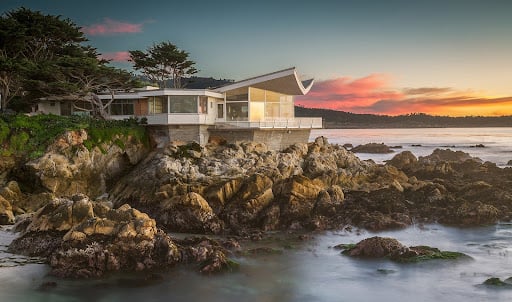
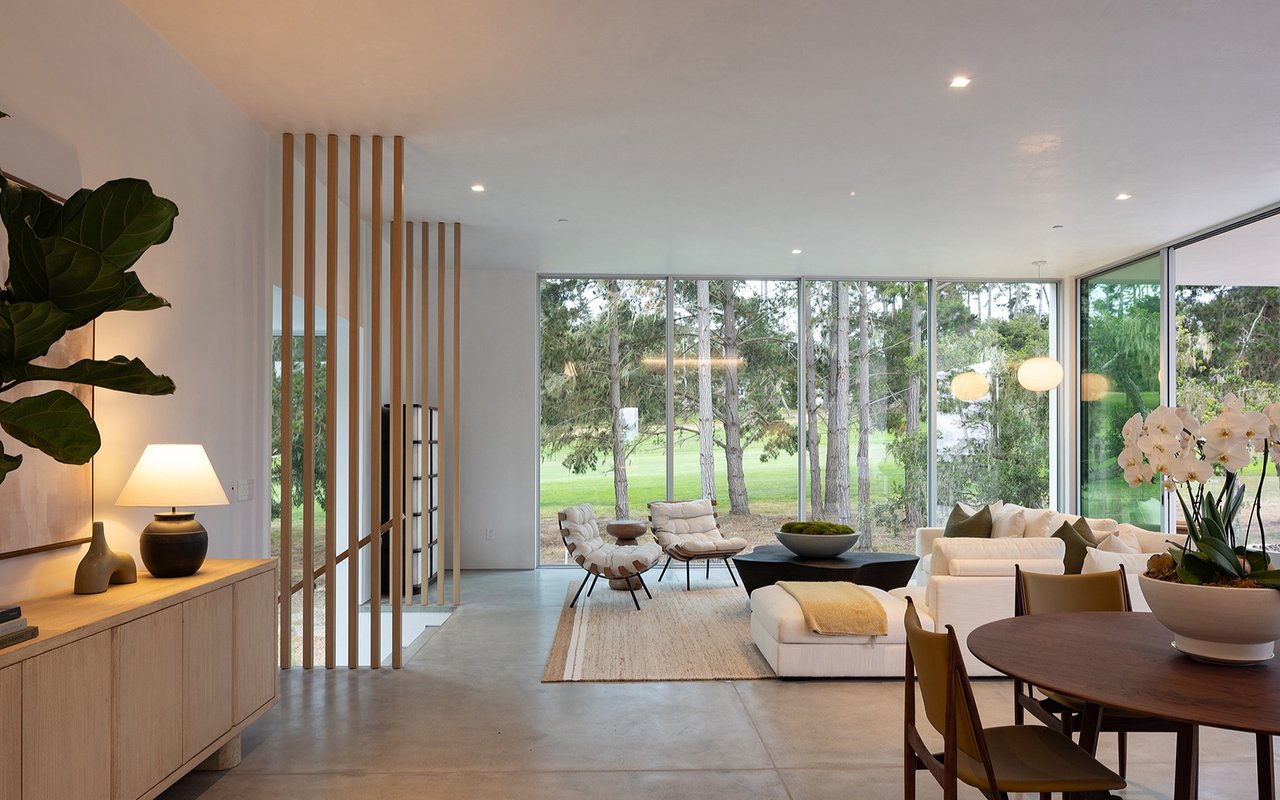
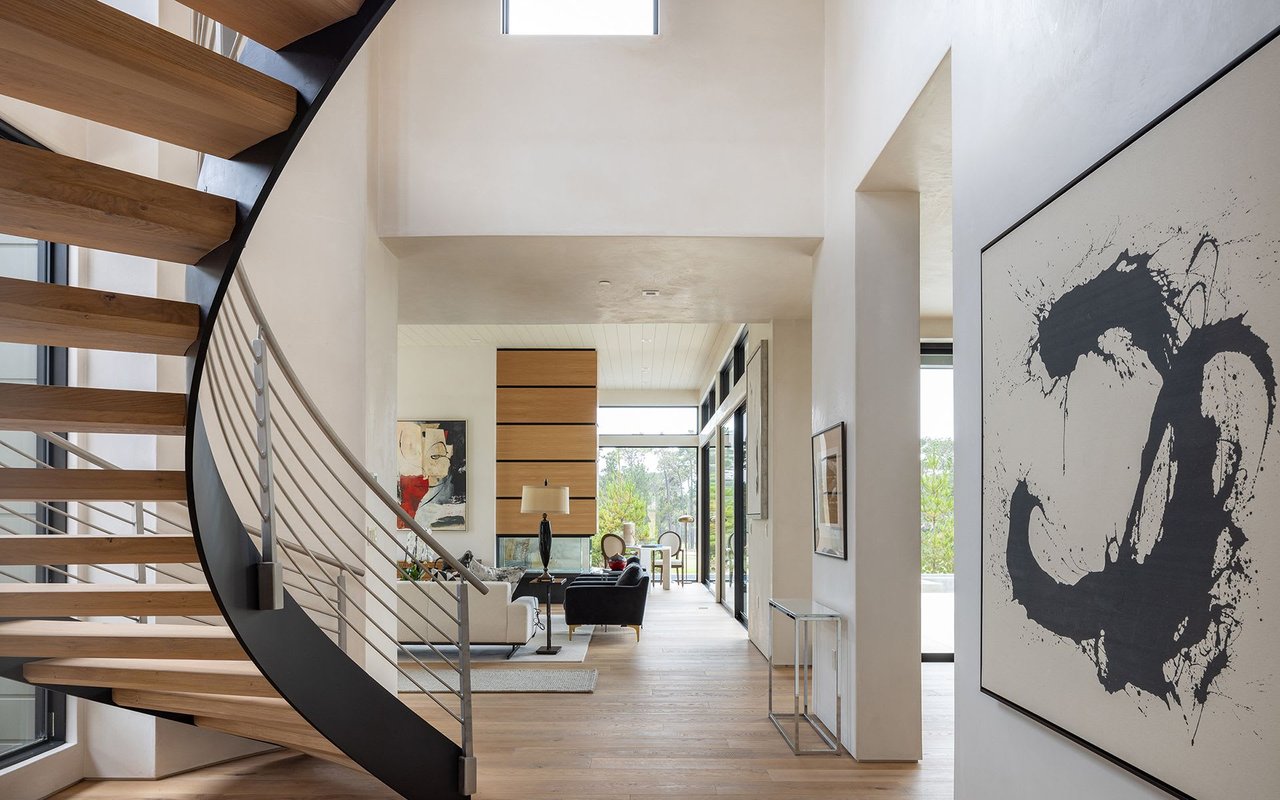
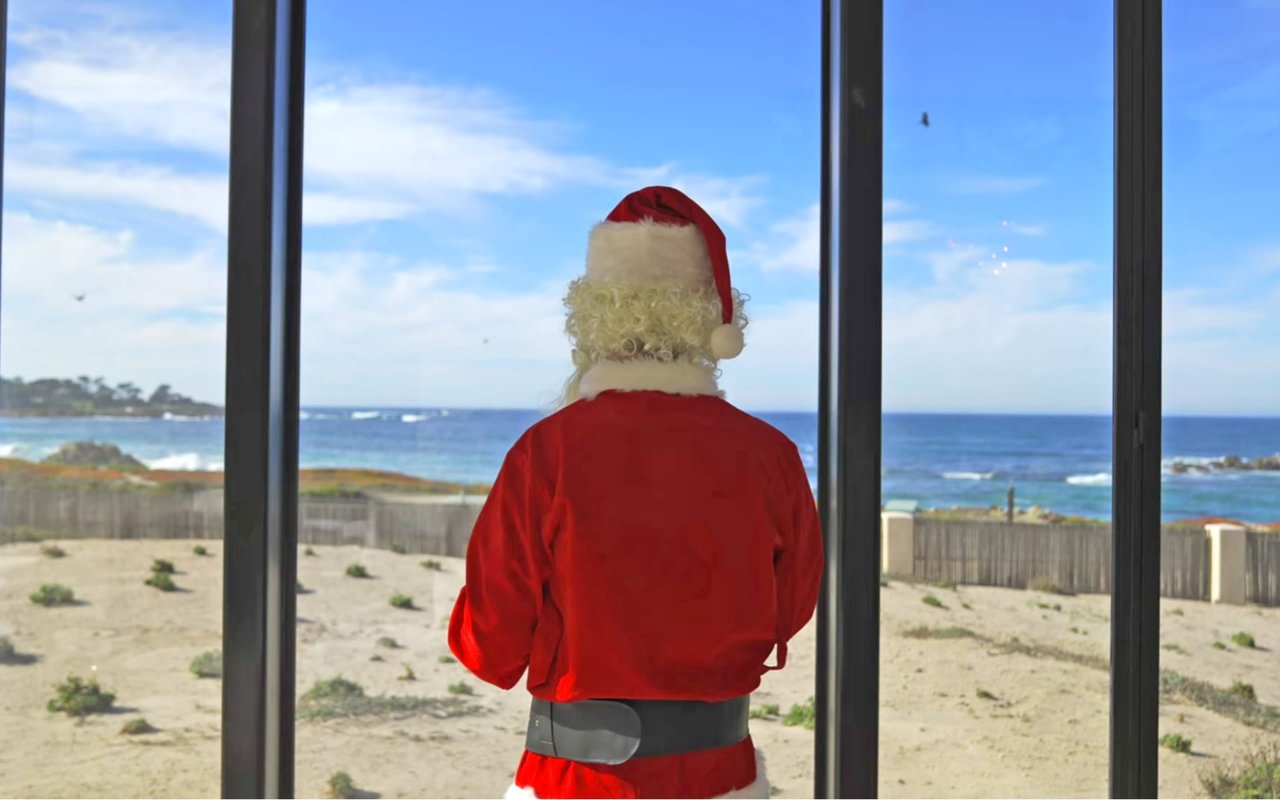
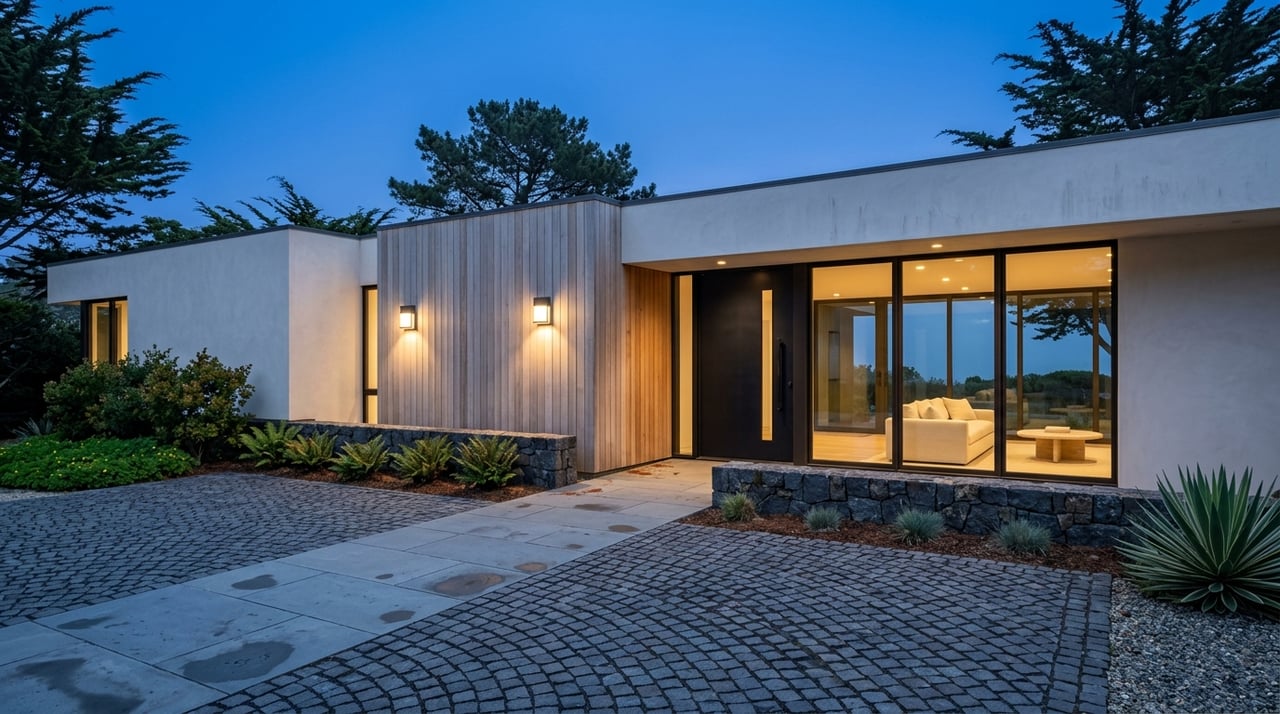
For a Big Sur estate, strong media should do more than document rooms. It should tell a visual story about approach, scale, outdoor living, light, views, and how the home sits within the landscape.
That is where high-production photography and video can make a real difference. Editorial, cinematic media helps communicate the experience of being there, which is exactly what destination-rental marketing needs to achieve.
What to Highlight in the Media
When a Big Sur estate is presented visually, the most effective assets usually emphasize:
- The drive in and sense of arrival
- Outdoor terraces, decks, and gathering spaces
- Privacy and separation from surrounding activity
- Natural light and framed landscape views
- The relationship between the home and its setting
- The pace and atmosphere of a longer, more intentional stay
This style of storytelling supports premium positioning without overselling. It helps the right guest understand the property before they ever step through the door.
Screen for the Right Guest
Big Sur’s stewardship documents note that social media and marketing can concentrate demand at a small number of bucket-list locations, while access points and parking areas can become overwhelmed. That is why guest fit is not just an operational issue. It is part of the marketing strategy itself.
A well-positioned estate should attract guests who value privacy, understand the setting, and are comfortable with a more intentional stay experience. Minimum stays, careful inquiry handling, and clear expectations can support that goal.
This approach protects both the home and the guest experience. It also aligns with the broader reality that Big Sur works best when visitation is managed thoughtfully.
Keep Capacity and Use Clear
Monterey County guidance also makes another point owners should not miss. Residential spaces rented for meetings or events generally violate the code if the space is intended for residential use.
That means your marketing should avoid language that suggests event-venue use unless a separate and appropriate land-use path exists. Terms, imagery, and guest communications should all reinforce residential occupancy rather than group events or large gatherings.
In practice, clear boundaries help avoid the wrong inquiries and reduce compliance risk. They also support a more refined brand presentation.
Prepare the Property for Operations
In Big Sur, operations and marketing are closely connected. If you are promoting a premium stay, the behind-the-scenes systems need to support that promise.
For vacation-rental applications, Monterey County asks for items such as evacuation maps, recent waste, sewer, and water bills or proof of water quality. For commercial rentals, the county also asks for proof of septic good standing, private-road easement and maintenance documents when applicable, and distances to the nearest fire station and emergency care.
Those requirements tell you something important about this market. Septic readiness, water systems, waste service, road access, and emergency planning are not side issues. They are central parts of whether a property is operationally ready.
Operational Priorities to Address Early
Before marketing begins, review whether the property is ready in these areas:
- Access and arrival logistics
- Evacuation route information
- Water documentation and utility readiness
- Septic system status and service coordination
- Waste removal and turnover planning
- Private road documents, if applicable
- Emergency response distance awareness
When these details are handled early, the guest experience tends to be smoother and the marketing message becomes more credible.
Plan for Permits and Timing
If a rental use is allowed, owners should also understand the county process and timeline. Monterey County says vacation rentals generally need a Transient Occupancy Tax certificate, a Vacation Rental Operation License, and a business license. The county’s TOT rate in unincorporated areas is 10.5 percent.
For commercial vacation rentals where they are allowed, the county says a use permit or coastal development permit is also required. The county notes that commercial applications can take four to five months to review, with additional time if Environmental Health review is needed.
Even beyond Big Sur’s current prohibition on commercial vacation rentals, this timeline is a reminder that luxury rental marketing should not get ahead of entitlement and operational readiness. A polished campaign works best when the legal foundation is already in place.
Match the Message to the Market
The most effective Big Sur rental campaigns are selective by design. They do not try to appeal to everyone, and they do not rely on volume.
Instead, they speak to guests who value privacy, scenery, and a well-managed stay. They also reassure owners that the property will be presented with discretion, professional media, and a clear operational framework.
For estate-scale homes, that alignment matters. The better the positioning, the better the fit between the property, the guest, and the long-term stewardship of the asset.
Why Big Sur Marketing Requires a Specialist
A Big Sur estate asks more of a rental strategy than most coastal properties. You need careful rule verification, strong visual storytelling, disciplined guest screening, and a marketing approach that respects both the home and the setting.
That is where a luxury-rentals partner with local knowledge can add real value. When marketing, logistics, and guest experience are handled as one system, the result is more polished, more compliant, and more protective of the property’s long-term value.
If you are exploring how to position a Big Sur estate for permitted rental use or a longer seasonal lease, Tim Allen can help you shape a discreet, high-touch strategy built around stewardship, presentation, and qualified demand.
FAQs
Can a Big Sur estate be marketed as a short-term vacation rental?
- Monterey County’s current materials state that commercial vacation rentals are not allowed in Big Sur, so the first step is to verify the property’s parcel-level status and permitted use before marketing it.
What is different about marketing a Big Sur destination rental?
- Big Sur marketing should emphasize privacy, scenery, low-impact occupancy, and operational readiness because the area’s planning framework is centered on preservation and managed access.
Can a Big Sur estate be advertised for events or large gatherings?
- Monterey County says residential spaces rented for meetings or events generally violate the code if the space is intended for residential use, so marketing should avoid implying event use unless a separate land-use path exists.
Why are professional photos and video important for a Big Sur rental?
- Research in the source material shows that visual assets strongly shape online discovery, and in Big Sur they help communicate the experience of the property, not just its layout.
Can a Big Sur property be offered for stays longer than 30 nights?
- Monterey County says rentals longer than 30 nights are not regulated by HCD, and if a property is not authorized for vacation-rental use, listings and calendars should clearly show a 31-day minimum stay.
What operational details matter before marketing a Big Sur estate rental?
- Key items include access logistics, evacuation information, water and waste documentation, septic readiness, private-road records when applicable, and awareness of emergency response distances.