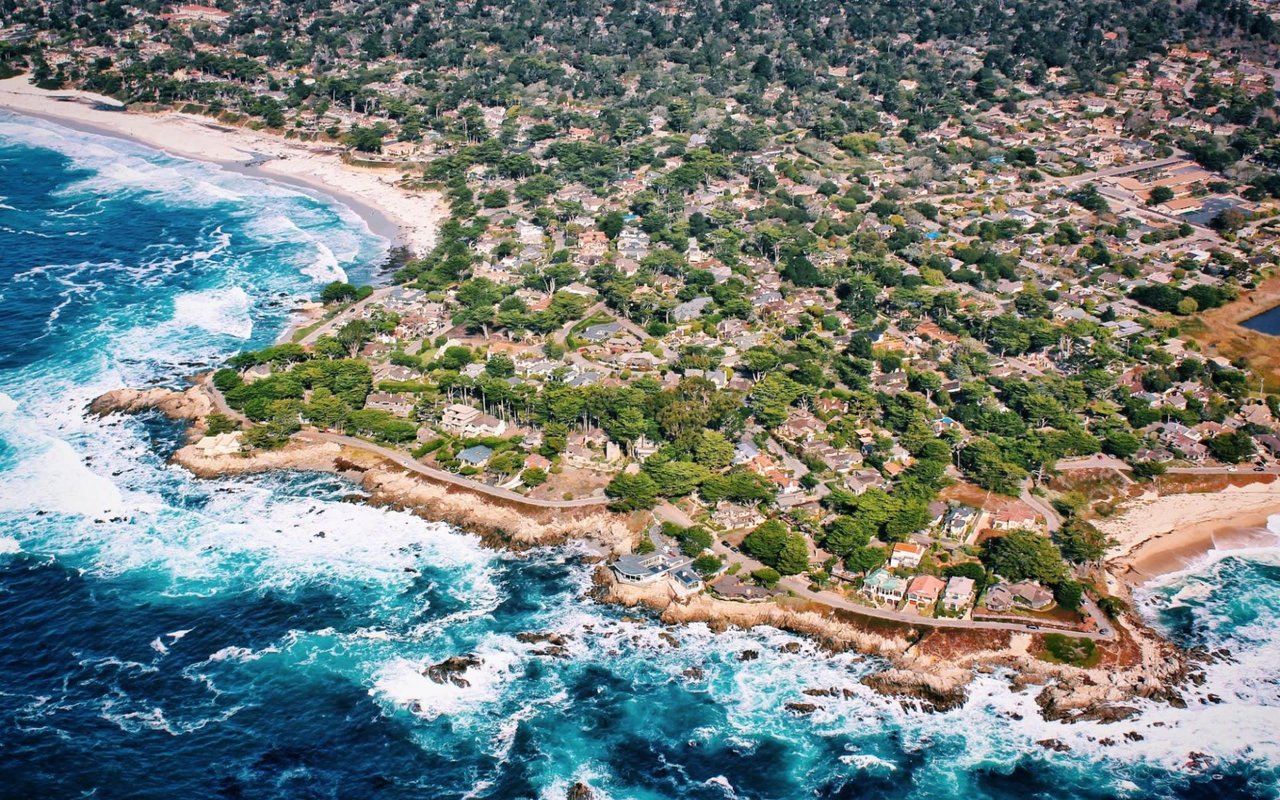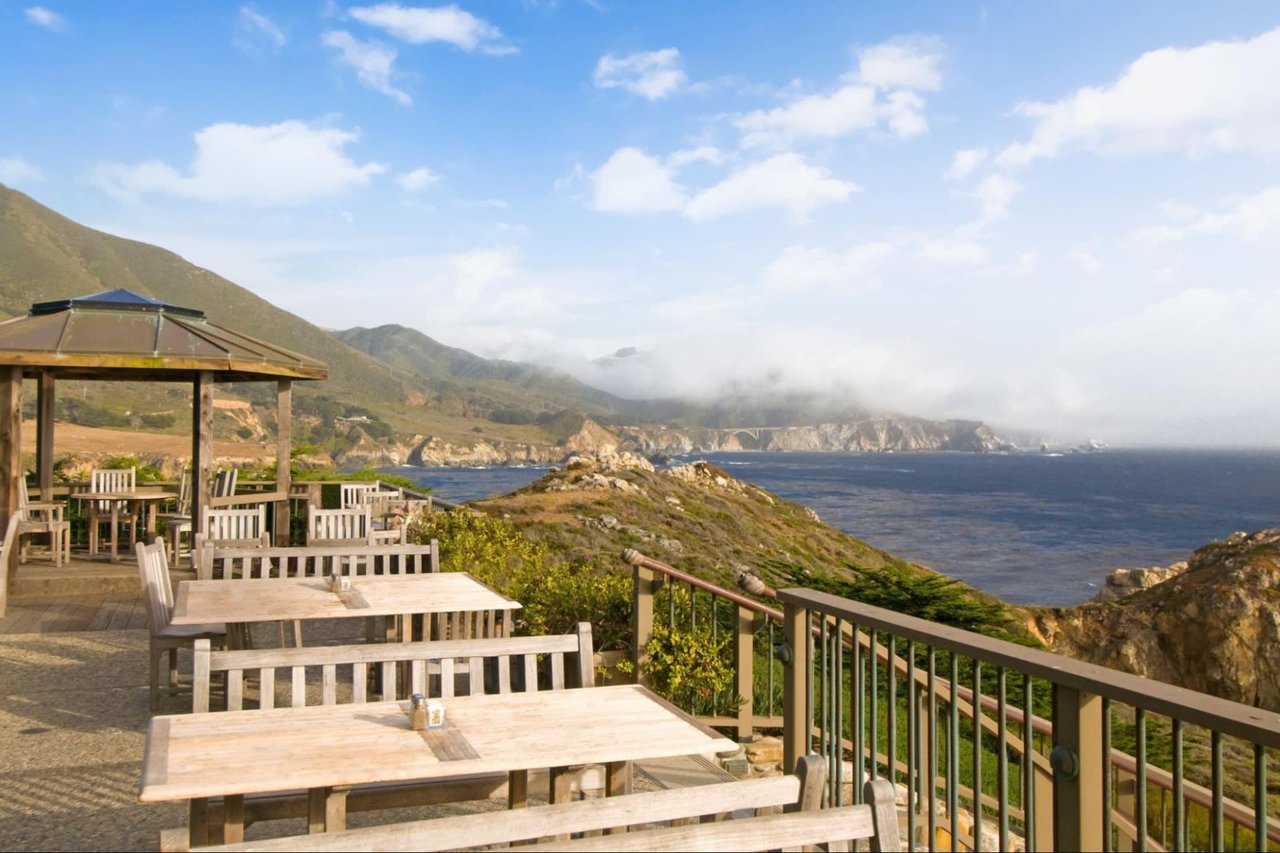
"It's too dramatic to go to zero," Coastal Commissioner Jose Preciado said in August 2025, arguing against a rule that would eliminate commercial vacation rentals in Big Sur and Carmel Highlands entirely. He lost that argument. The California Coastal Commission certified the ordinance by a vote of 6-2 anyway, and Big Sur went to zero commercial short-term rentals that October.
A year later, zero is starting to look like the easy part. A new staff report now moving through the county's planning process would replace the entire licensing structure with a binary choice, hosted or non-hosted, and it would allow Big Sur only the first option. If it survives the Board of Supervisors in something close to its current form, an owner who doesn't live at the property, or employ someone who lives at it full time, won't be able to rent it out for a night, a week, or a weekend, under any license, at any price.
The strange part is why this is happening. The rule got stricter because a lawsuit was filed to make it fairer.
What Big Sur Was Already Excluded From
Most of unincorporated Monterey County settled into a 4% cap on commercial vacation rentals when the Board of Supervisors passed its ordinance in August and September of 2024. Big Sur never got a cap. It got a ban. Along with Carmel Highlands, Carmel Valley's residential zones, and Moss Landing's residential district, Big Sur was carved out entirely from the commercial category, defined as any rental advertised or booked more than three times a year without the owner present.
That distinction matters because Big Sur has never treated short-term rentals as a use the land is entitled to in the first place. Under the Big Sur Coast Land Use Plan, short-term rentals have not been recognized as a principal permitted use at all, a point the local land use group Keep Big Sur Wild has made directly in its own tracking of the ordinance. The 2024 ordinance formalized what had effectively already been the region's default posture.
What Big Sur did retain, at least on paper, were two narrower paths: unlimited homestays, where an owner rents a room while present, and a limited vacation rental license allowing an owner to rent the whole property up to three times a year for stretches of up to 30 days each. Public reporting put the number of unhosted rentals eliminated in Big Sur at 37, though the figure surfaces elsewhere in county discussion as the combined operator count for Big Sur and neighboring Carmel Highlands together. Either way, the population was already small and already boxed in. The new draft would box it in further.
A Lawsuit Aimed at Fairness, Answered With a Ban
The Monterey County Vacation Rental Alliance filed suit against the county in November 2024, arguing that parts of the ordinance treated non-resident and corporate owners differently than owners who live in the county. It's a reasonable objection on its face: a rule that applies more harshly to someone because they don't live on the property they own invites exactly this kind of challenge.
The county's first response was not to narrow the disparity. It was to erase the distinction by removing the more permissive category altogether. On January 6, 2026, the Board of Supervisors voted 3-2 to instruct planning staff to draft a ban on all short-term rentals in all residential zones countywide, with a narrow exception for Rural Residential parcels tied to agricultural use. When that draft came back, the Planning Commission rejected it 8-1. A revised version went to a Planning Commission hearing on February 11, 2026, and commissioners again declined to support it as written, sending staff back to the table over concerns about clarity and enforceability.
Big Sur has never allowed short-term rentals as a use, yet weak enforcement and vague definitions are now enabling exactly that outcome.
That line comes from Keep Big Sur Wild, the local land use group that has tracked the rewrite hearing by hearing, and it captures the logic behind what came next. The newest staff report, released in the past several weeks, proposes scrapping the homestay, limited, and commercial categories entirely and replacing them with two: hosted and non-hosted. Under the draft, Big Sur would be permitted hosted rentals only.
The county's proposed model for what "hosted" means borrows from an approach Sonoma County already has certified into its own Local Coastal Program: a whole-house rental is never considered hosted, even when the owner lives in a separate structure on the same parcel. The host has to be present in the same dwelling as the guest. An owner who built a guest cottage specifically to keep their own bedroom private while renting the main house would not qualify. Neither would an owner who pays a full-time caretaker to live in a separate unit on the property. If Big Sur adopts that same definition, the limited vacation rental option, the one narrow path that still let an absentee owner rent a whole home for up to three 30-day stretches a year, disappears along with the commercial category it was meant to replace.
The Cost of Compliance, Even Where It's Still Legal
None of this comes cheap even under the current, more permissive interim framework. A vacation rental operation license runs $965 to $1,100 a year. A separate county business license adds roughly $207 in the first year and $115 annually after that. Any owner who wanted a discretionary commercial-type permit, the kind that would have covered a true unhosted operation, faced an Inland Use Permit fee near $8,000 or a Coastal Development Permit near $14,000, good for up to seven years before renewal. Violations carry escalating fines, from up to $1,000 on the first day of a violation to as much as $5,000 a day if it continues into a third day or beyond.
Those numbers were steep even when there was a commercial category left to pay them for. If Big Sur moves to hosted-only, the expensive discretionary permits stop being a cost of doing business in Big Sur and become a cost of doing business somewhere else in the county instead.
The Category the Entire Fight Doesn't Touch
Here's the detail that gets lost in most of the coverage of this rewrite: Monterey County defines a short-term rental as transient lodging for 30 days or fewer. Every part of this dispute, the 2024 ordinance, the January 2026 total-ban attempt, the hosted-only draft now moving toward the Board of Supervisors, governs that window and nothing past it. A lease of 31 days or longer sits entirely outside the ordinance, regardless of who owns the property or whether anyone is present.
Keep Big Sur Wild has been explicit about why the county keeps tightening the shorter end of that window. Co-founder Marcus Foster put it plainly when the original ordinance passed: "We're just losing our community, it's a struggle to keep our community in Big Sur because there aren't many housing opportunities." The pressure driving each successive draft is housing, not hospitality, and it is aimed squarely at nightly and weekly turnover.
For an owner weighing what a Big Sur property is actually for, that line at 30 days is worth sitting with. A hosted-only rule doesn't touch a longer seasonal lease. Neither did the ban the Planning Commission rejected, nor the one the county is drafting now. The uncertainty in this fight lives entirely inside a 30-day window that a longer stay simply steps around.
Where This Leaves an Owner Right Now
Nothing described here is final. The hosted-only draft is a staff proposal working its way toward the Board of Supervisors, not an adopted rule, and the county has already shown twice in the past year that a draft can arrive at a hearing and leave rejected. An owner making decisions today is making them against a moving target, which is its own kind of information: the direction of every revision since the lawsuit was filed has been toward less room for an absentee owner, not more.
That's exactly the kind of terrain where a longer-term, concierge-managed lease earns its keep, since it never depended on the categories the county keeps rewriting. If you own, or are considering, a home in Big Sur and want a clearer read on how these drafts intersect with the way you'd actually use or lease the property, Tim Allen Luxury Rentals works this coastline every day and can help you think through the options that hold up regardless of which version of the ordinance eventually clears the Board of Supervisors.
FAQ
Is the hosted-only rule for Big Sur adopted yet? No. It is a staff proposal from a report released in recent weeks, following a February 11, 2026 Planning Commission hearing where an earlier draft was sent back for revision. It still has to clear the Planning Commission and the Board of Supervisors.
What would "hosted" actually require if the county follows the Sonoma model it's referencing? Under Sonoma's certified framework, which the county's staff report points to directly, a host has to be present in the same dwelling as the guest. Living in a separate structure on the same parcel does not qualify, even if the owner or a caretaker is on site.
Does any of this apply to a 30-day or longer lease? No. Monterey County's short-term rental ordinance, in every version drafted so far, defines a short-term rental as transient lodging for 30 days or fewer. Longer leases fall outside the ordinance entirely.