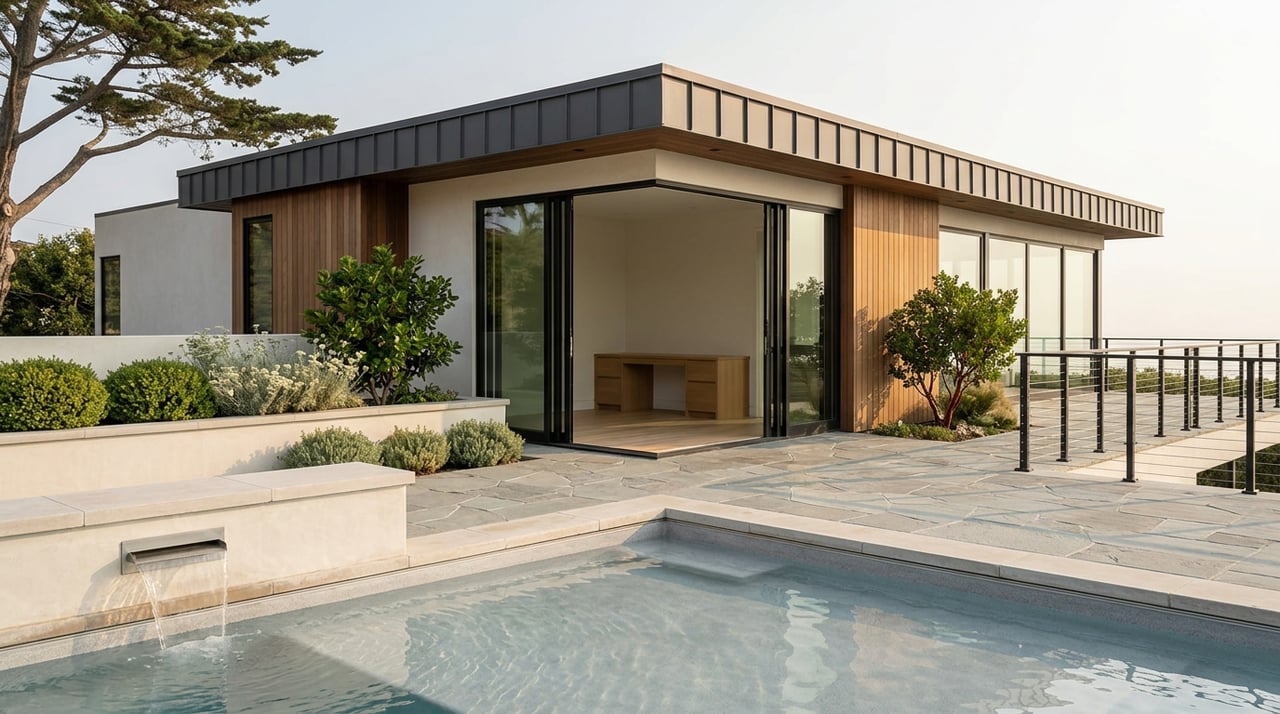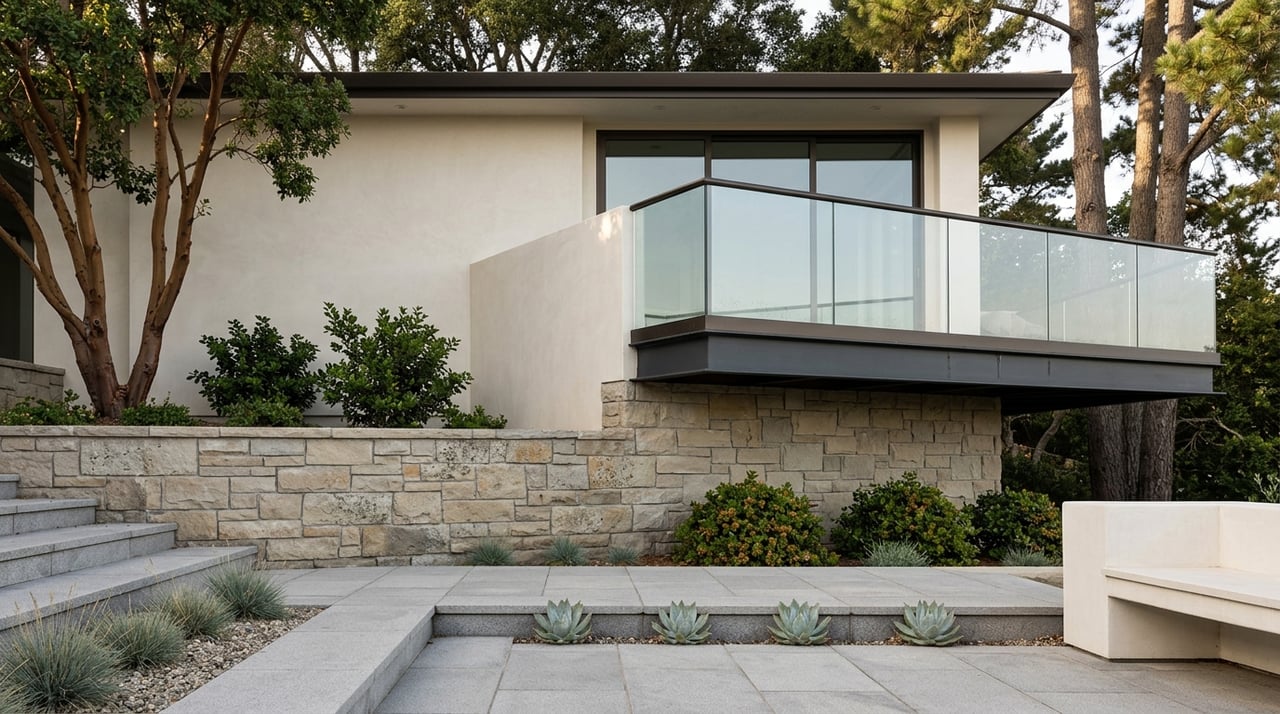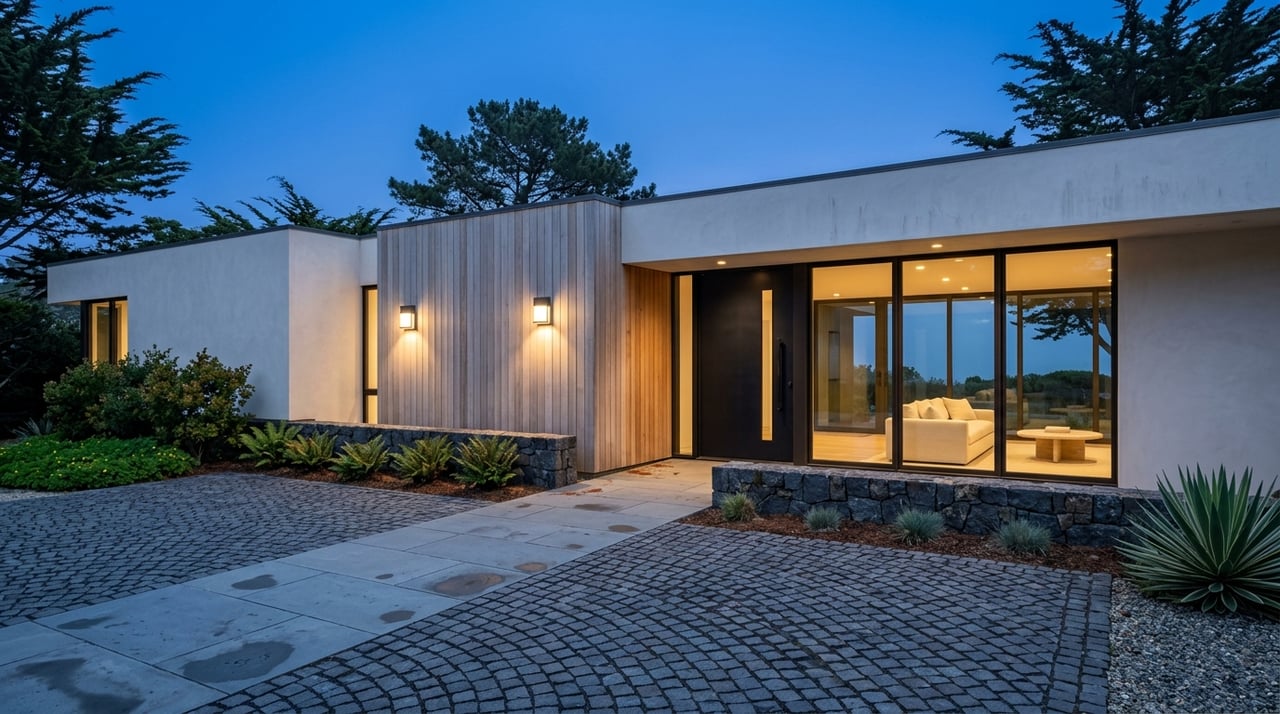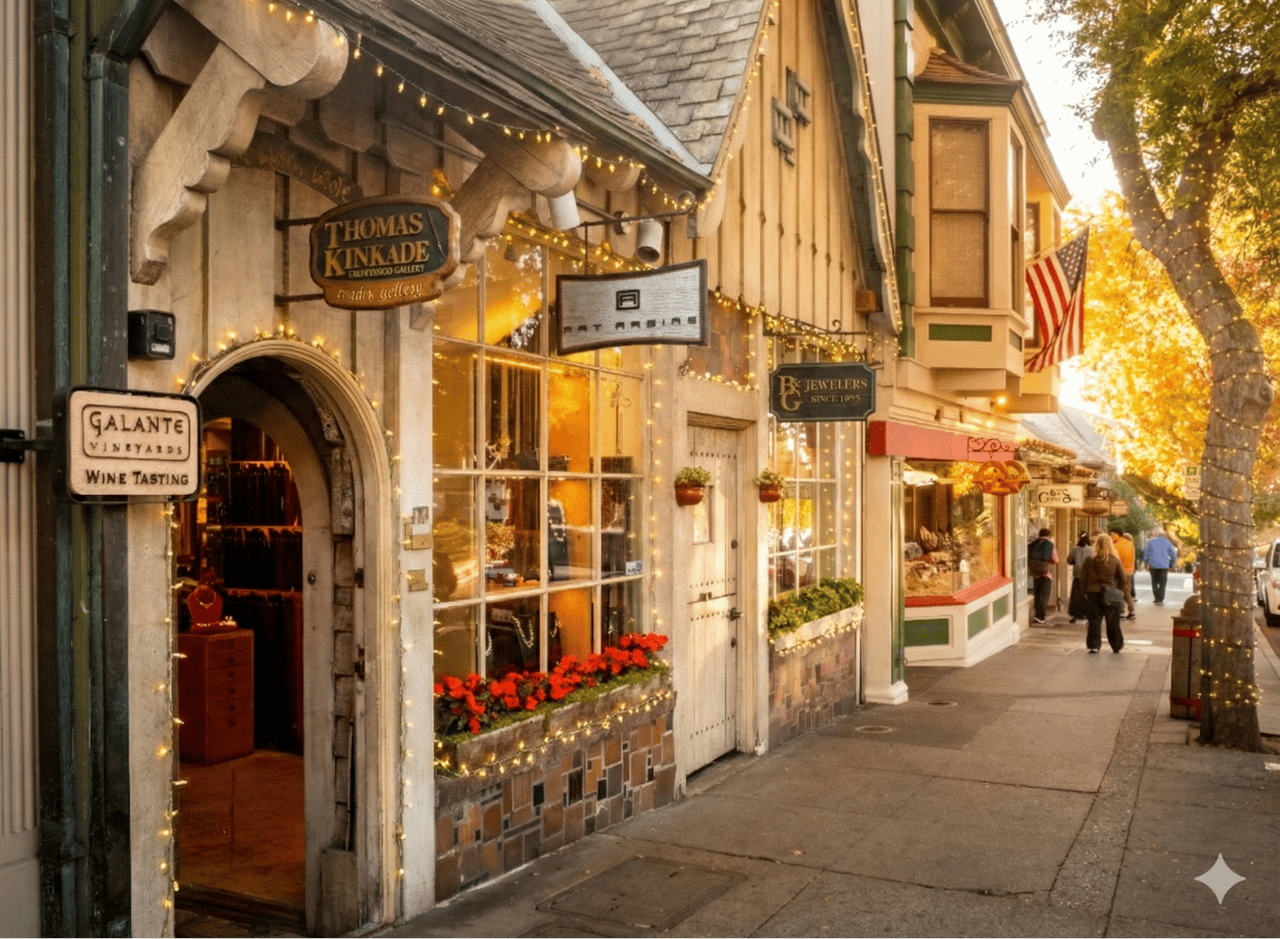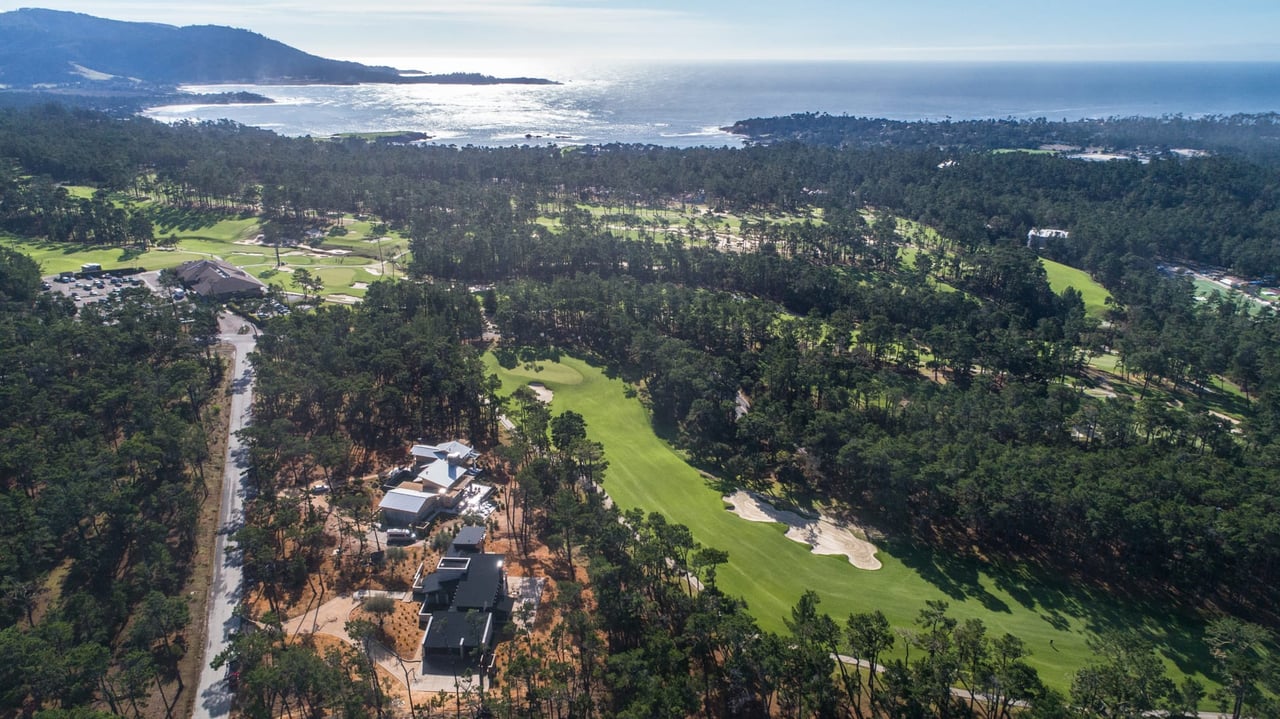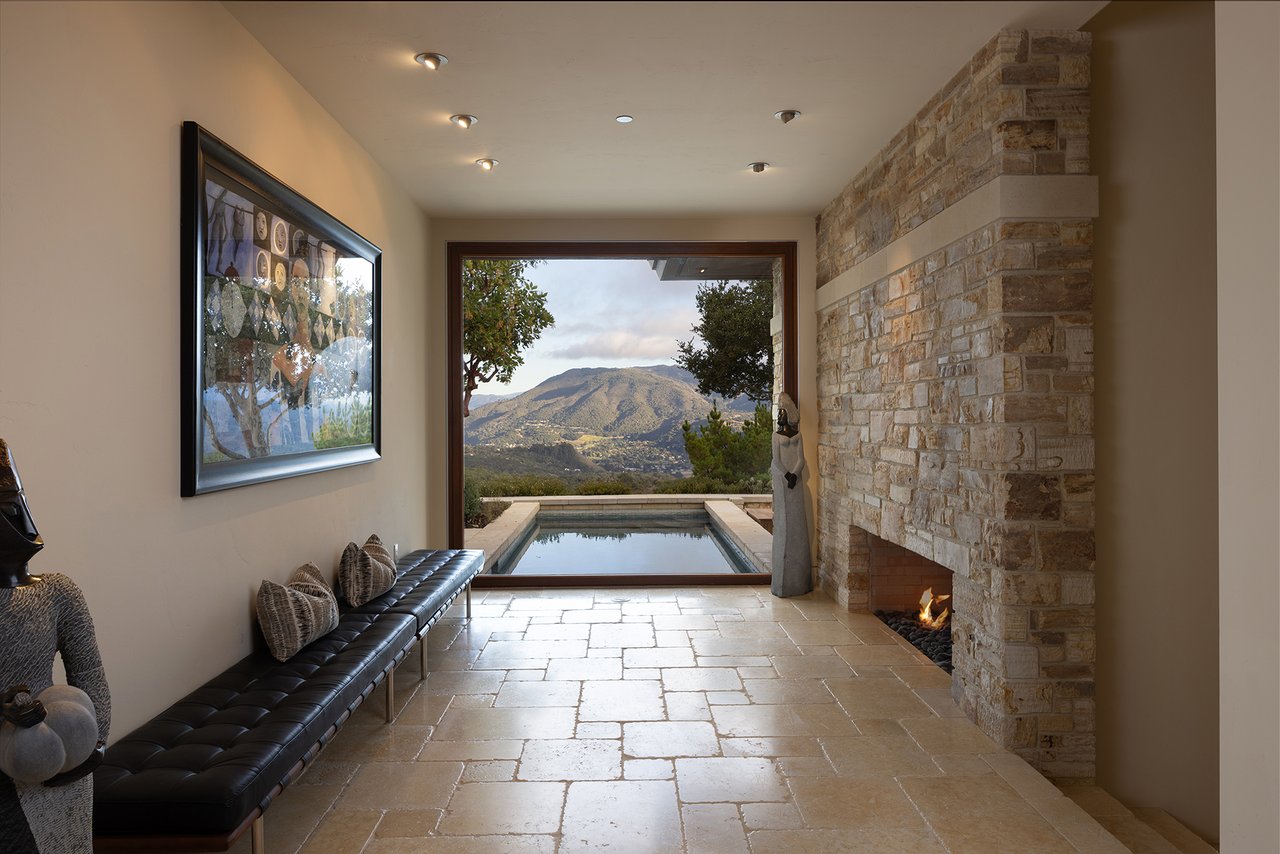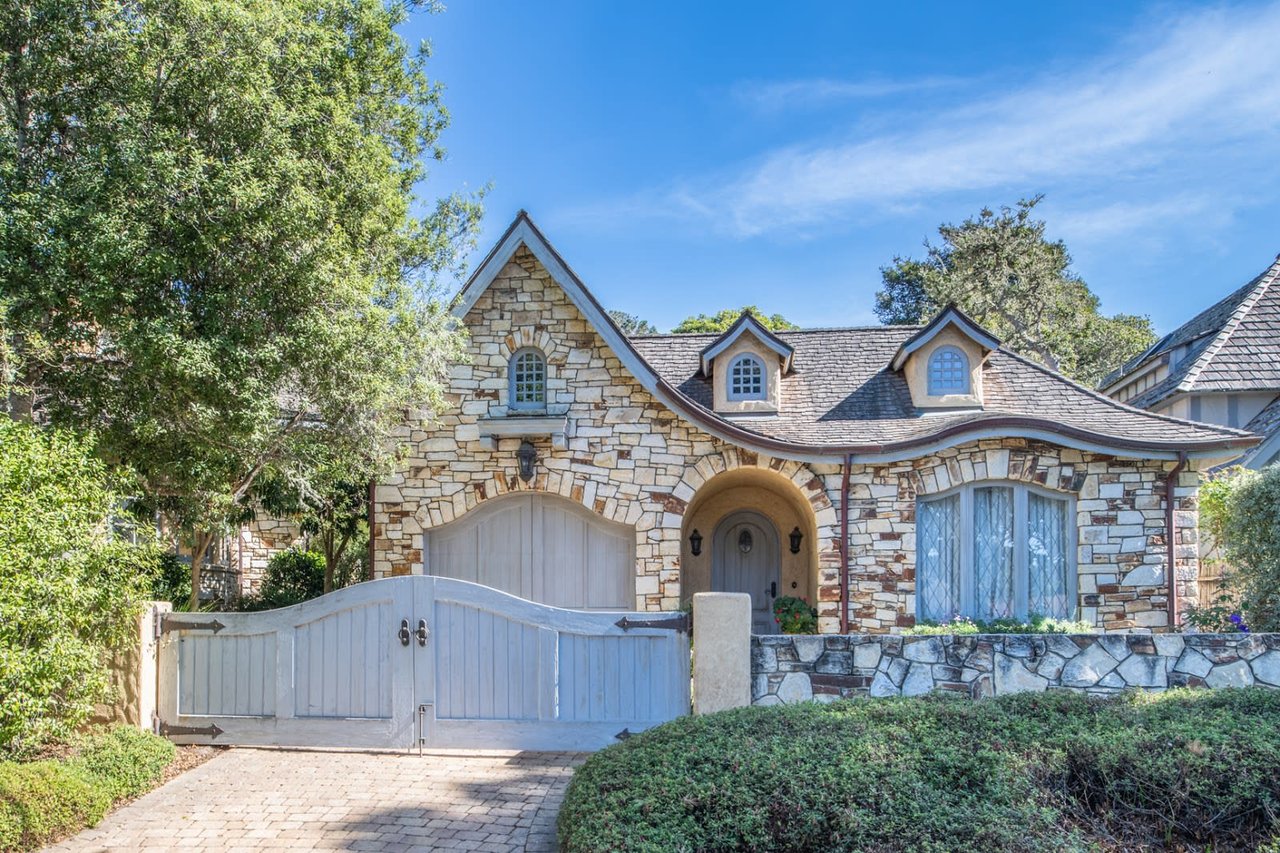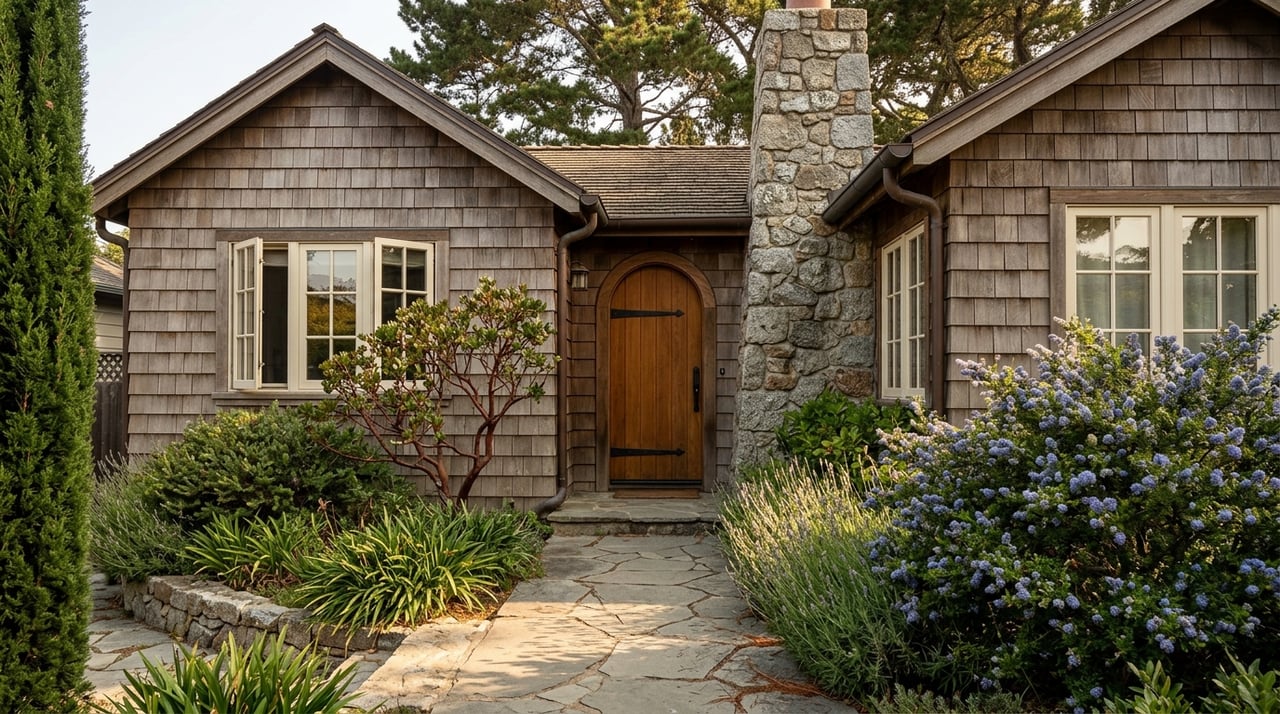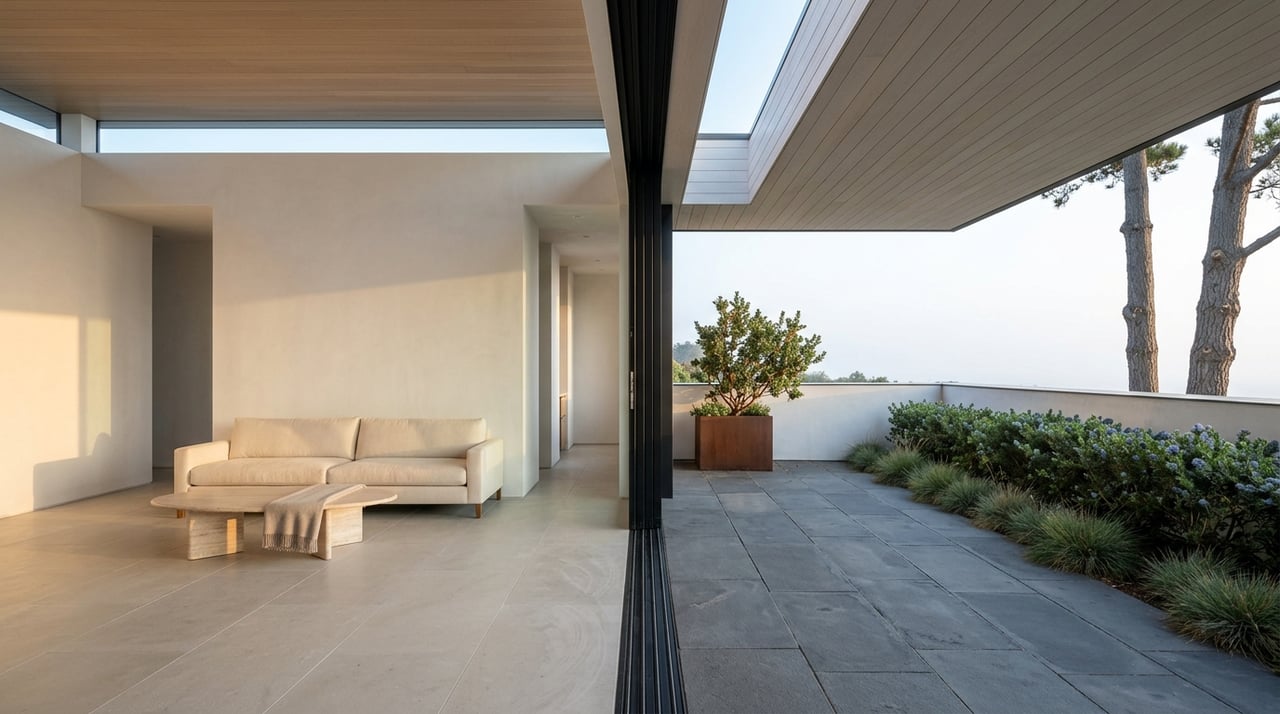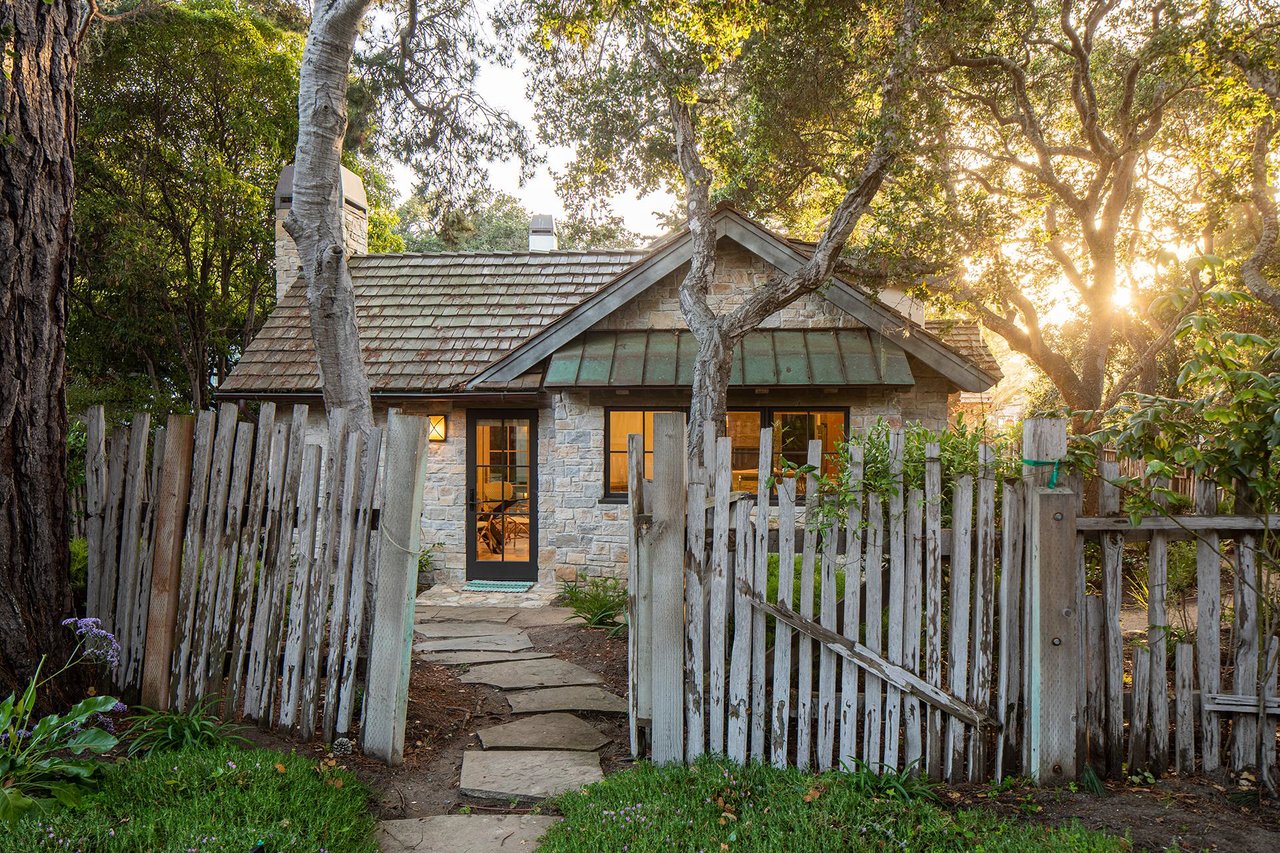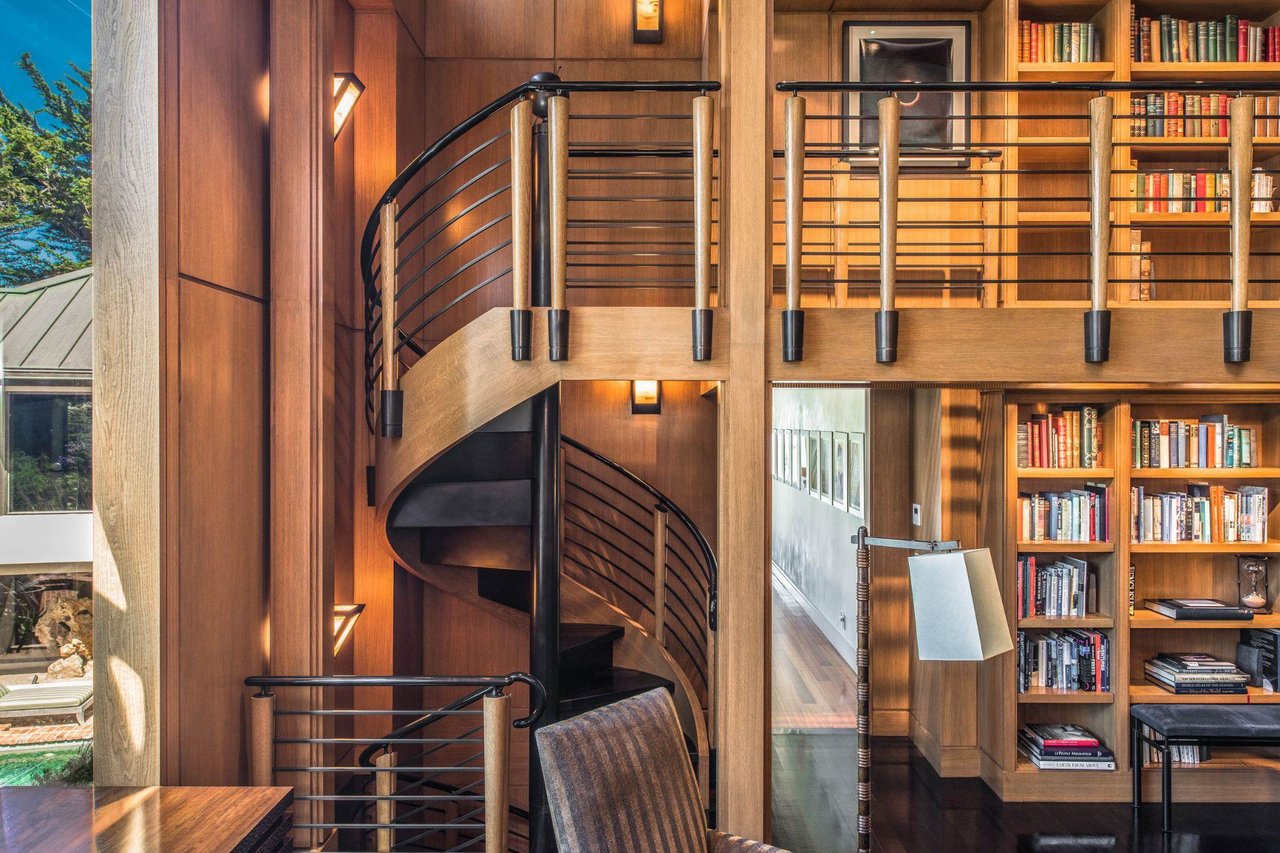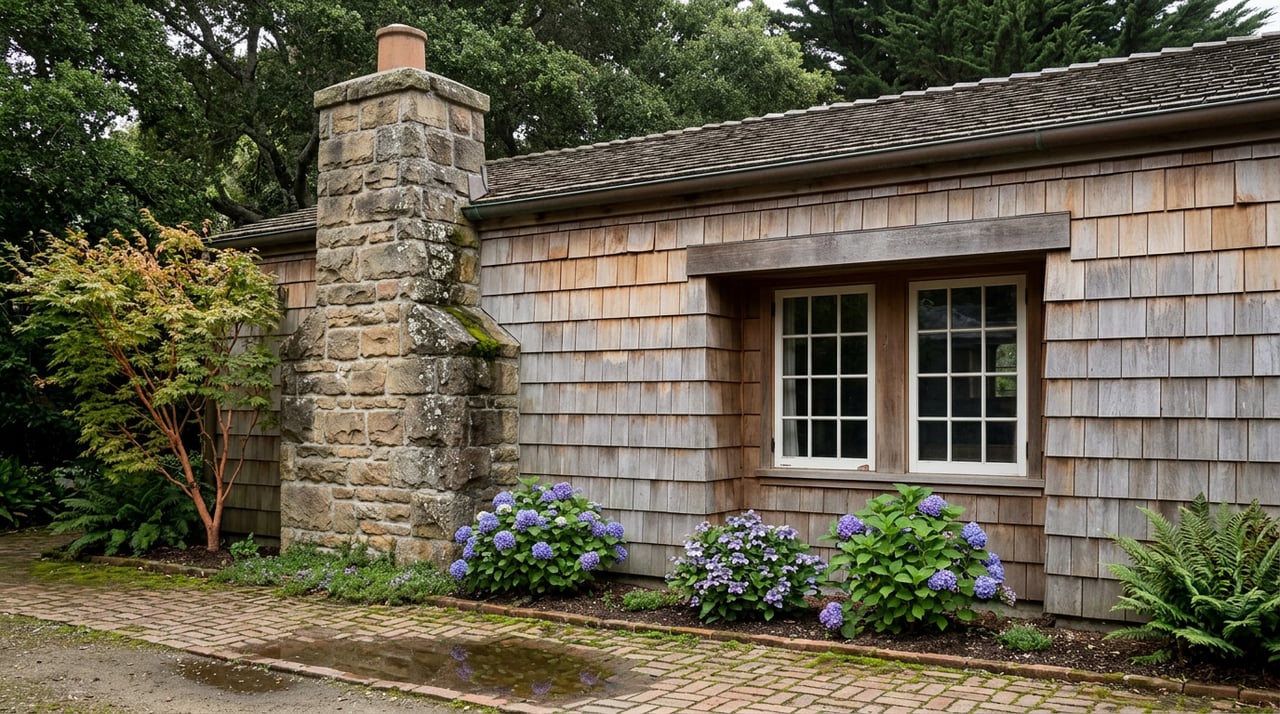
The call usually comes in the second week of escrow, and it is rarely about the roof. A buyer who has already accepted the price per square foot, the shallow lot, the sloping floor in the back bedroom, wants to know one thing before releasing contingencies: can the second bathroom be added, and can the kitchen wall move. In most California markets that is a contractor question. In Carmel-by-the-Sea it is a question for at least three agencies, and only one of them sits at City Hall.
That is the thesis worth carrying into any Carmel offer. You are not bidding on the cottage. You are bidding on the gap between what the house is and what it may lawfully become, and in this one square mile that gap is rationed by a fixture count, a floor area ratio, a tree diameter, and the age of the building. Two cottages three blocks apart can carry nearly identical price per square foot and hold entirely different amounts of that optionality. The median tells you nothing about which one you are looking at.
The question that stalls escrow: how many bathrooms has it ever had
Water in Carmel is not measured in gallons at the parcel level. It is measured in fixtures. The City's own planning guidance is direct about it: water credits in a single-family home are based on the number of existing water fixtures, and a home with only one bathroom can add a second bathroom without needing a water allocation from the City. Owners can also free up capacity by retrofitting old fixtures to high-efficiency models or removing fixtures entirely, per the City of Carmel-by-the-Sea Planning Division.
Read that carefully, because it inverts the usual logic of value. The one-bathroom cottage that looks like the compromise buy is often the parcel with a clean, low-friction path to a second bath. The house that has already been expanded twice by prior owners may have spent the capacity that a buyer assumes is still there. Finish level is visible at the open house. Remaining fixture capacity is not.
This is why the intelligent Carmel diligence sequence starts before the general inspection, not after it. The fixture history attached to a parcel is a permanent record, and it travels with the property rather than the seller's memory of it. A buyer who understands the count before removing contingencies is negotiating with better information than a buyer who is comparing kitchens.
Why the July 2026 median tells you about the mix, not the price
In July 2026, MLS figures for Carmel put the single-family median sale price at $3,650,000 against an average of $4,621,888, with 17 closed sales, 78 active listings, a median of 29 days on market, and a sale-to-list ratio of 96 percent. Months of inventory sat at roughly 4.5. Median price per square foot was $1,341, average $1,791.
Seventeen closings in a month is not a price signal. It is a sample. When one Carmel Point trade settles, the median moves; when it does not, the median moves back. The nearly one million dollar spread between median and average in the same month is the more honest reading, and it describes a barbell: a cottage tier and an estate tier trading in the same MLS area under the same headline number.
The two figures that actually matter to a buyer this summer are the 96 percent sale-to-list ratio and the 4.5 months of inventory. Together they describe a market with room to negotiate and, more valuable, time to investigate. Aggregator content circulating this year has described Carmel as an eleven-day market. The MLS record for July 2026 shows a median of 29 days and an average of 76. Those are conditions in which a buyer can order the water history, request the historic file, and price the answer into the offer instead of waiving the question to win.
Three ceilings that decide whether water capacity is worth anything
Water credit without a buildable envelope is a number on a page. Carmel's published standards set the envelope before any water question is asked:
- Floor area. On a site of 4,000 square feet or less, maximum floor area is 45 percent of the lot size. A large portion of the village sits at or near that lot size, which means the ceiling is frequently already in view.
- Height and stories. Two stories is the maximum citywide. Properties in the Beach and Riparian Overlay District west of Carmelo Street carry an 18-foot height limit, a meaningful constraint on the blocks buyers most often want.
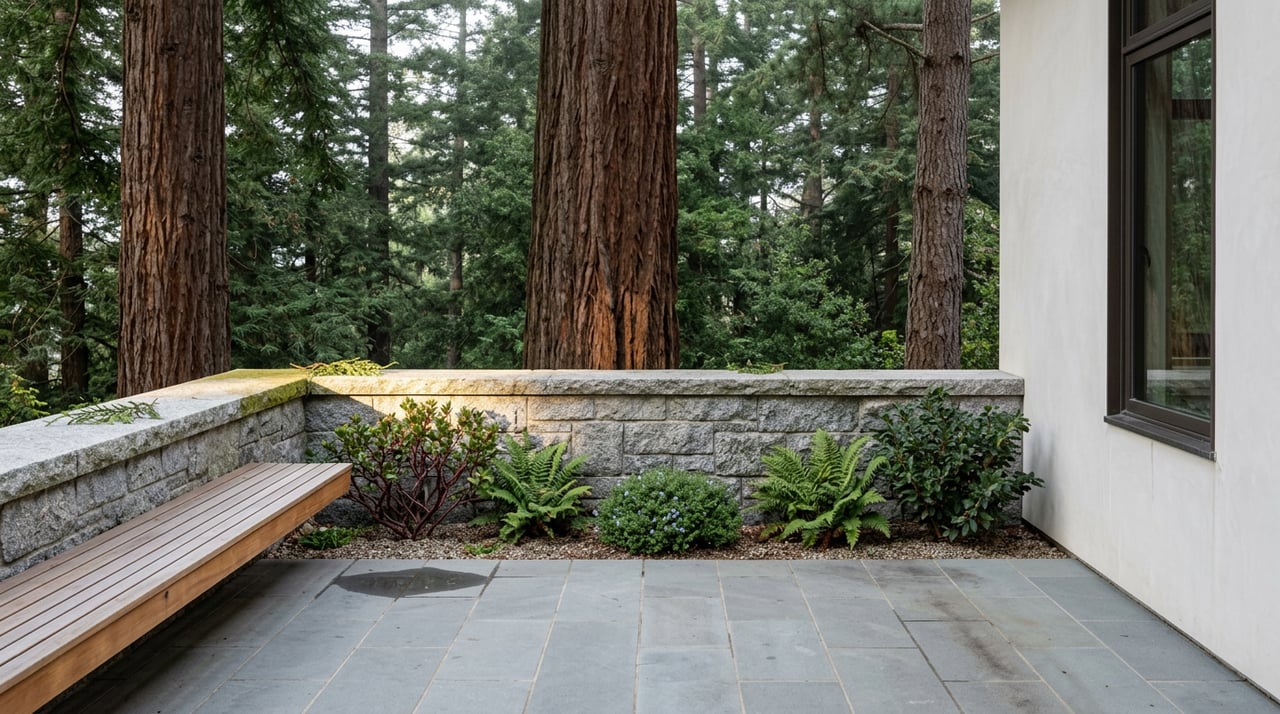
- Trees. Outside of construction, an oak, cypress, pine, or redwood at 6 inches in diameter requires a permit for removal, and other species require one at 10 inches. On a construction site, any tree 2 inches in diameter or larger requires a permit, as does any limb or root at 2 inches. On a small lot, a single protected specimen can sit precisely where the only available addition would go.
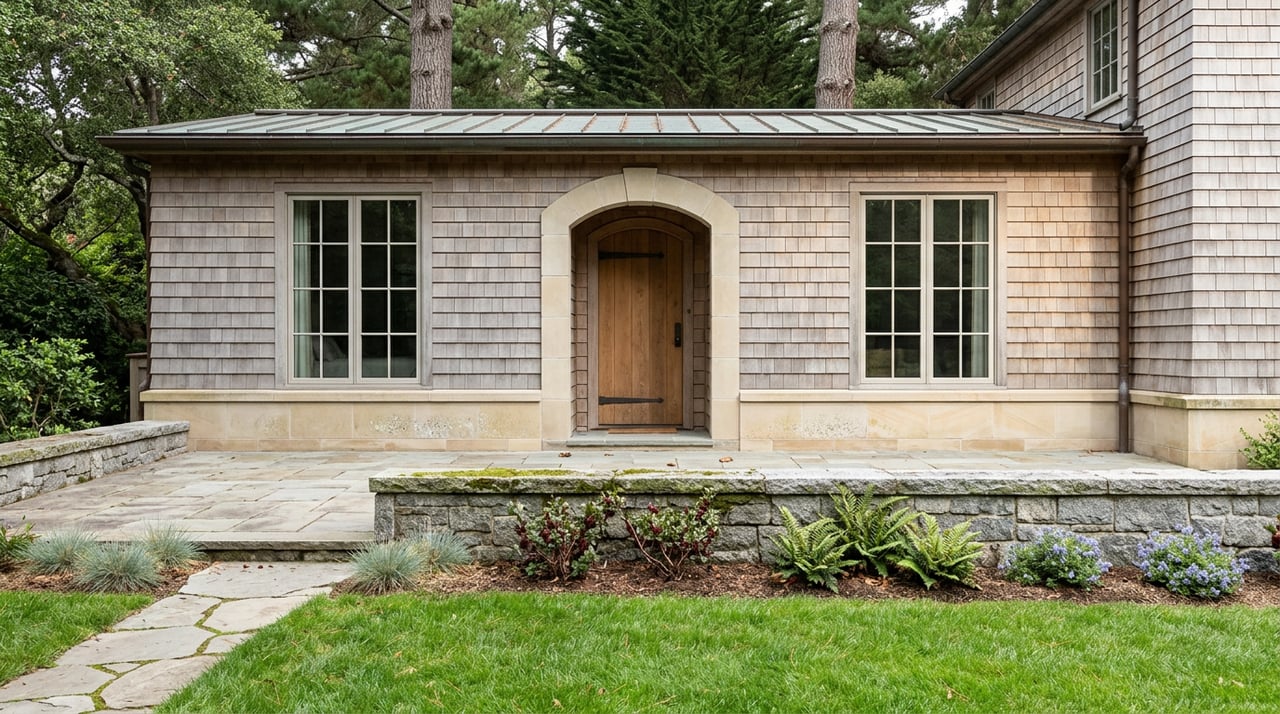
Materials are regulated as well. The City states that unclad wood windows with external divided lights are the Carmel standard and that vinyl windows are not appropriate, with alternatives considered when they better suit the architecture, such as metal on a modern building. That is a line item in a renovation budget, and it is not a small one across a full window schedule.
The 50-year trigger, and the letter that resolves it
Here is the friction that catches out-of-area buyers most reliably. If a property is not on the Inventory of Historic Resources but is more than 50 years old, a historic evaluation may be required before the City issues any permit for exterior alterations. If a structure is determined to be historic, it cannot be demolished, and additions and alterations must be consistent with the Secretary of the Interior's Standards.
The process itself is worth understanding, because it produces a document that functions almost like a title exception. Properties that do not qualify receive a written statement called a Determination of Ineligibility. Properties that do qualify are listed on the Inventory. Intensive surveys, known as Phase One Historic Assessments, are prepared by qualified architectural historians on call with the City and documented on State of California DPR523 forms, with the Historic Resources Board reviewing projects that touch listed resources, as described by the City's historic preservation program.
This is old, continuous work rather than a recent overlay. The first architectural survey of Carmel buildings was completed by architectural historian Richard Janick in 1978 and produced a list of 112 residential and commercial buildings, with later surveys and the City's 2024 Historic Context Statement building on it. For a buyer, the practical question is simple and answerable during escrow: does a Determination of Ineligibility already exist in the property file, is the building listed, or has neither determination ever been made. Those three answers describe three different assets at the same asking price.
The private option, and why it is thinner than it sounds
Carmel is unusual in that a private entitlement has existed alongside the public one. The City directs owners seeking additional water to the Malpaso Water Company, with a Malpaso Water Review Form submitted to the Planning and Building Department. The supply traces to a genuinely local transaction: in 2015 the state approved the sale of 80 acre-feet associated with the Odello East property at the mouth of the Carmel River, held by Clint Eastwood's Eastwood Trust, after the 82-acre parcel was conveyed to the Big Sur Land Trust and 45 acre-feet of the property's water right was retired. Alan Williams of Carmel Development Company estimated at the time that it would sell for roughly $240,000 per acre-foot.
Treat that as history, not inventory. Availability has been described as thin for years, and place-of-use limits under the underlying state license govern which parcels can even be served. Any buyer told that Malpaso solves the problem should ask for written confirmation of current availability and parcel eligibility before that assumption is priced into an offer.
Why the autumn of 2026 is an unusual moment to be writing offers
What the state is deciding
Since 2009, Condition 2 of the State Water Board's cease-and-desist order against California American Water has barred diversions for new service connections and for increased use at existing addresses resulting from a change in zoning or use, following the 1995 order that first limited Carmel River pumping. In October 2025 the Monterey Peninsula Water Management District applied to modify that order and lift Condition 2, with triggers permitting reinstatement. The Board issued a notice of hearing on June 19, 2026, amended July 9, with written testimony due July 20, rebuttal due August 18, public comment scheduled for September 17, and closing briefs due September 21, 2026, according to the State Water Resources Control Board and the schedule published by Maven's Notebook.
The case rests on supply arriving. The Pure Water Monterey expansion came online October 10, 2025, adding 2,250 acre-feet annually, and district figures put available supply above 11,000 acre-feet against 9,092 acre-feet of demand in the water year that ended September 30, 2025. Before the district board voted unanimously to apply, general manager Dave Stoldt framed it plainly:
"This is a window of opportunity for the community to ease water restrictions in favor of housing and jobs."
What Carmel actually has
Optimism about new supply should be sized correctly. Of the 2,250 acre-feet from the expansion, the district proposed allocating only 371 acre-feet initially, about a third of estimated jurisdiction need, with conditions revisited in five years. The Monterey County Water Resources Agency cautioned jurisdictions in writing against making irreversible land-use decisions based on a supply it characterized as variable. Illustrative initial figures put Monterey at 141 acre-feet and unincorporated areas at 72.
Locally, the sequencing has been slower still. Carmel's allocation of its own new water was put on hold in October 2025 after concerns were raised by a county water official, as reported by The Carmel Pine Cone, and in January 2026 the City Council voted unanimously to join other agencies calling for an end to the moratorium on new hookups. New water exists as policy. It has not yet become permit capacity for a Carmel homeowner. Buyers comparing the village to Carmel Valley or Pebble Beach should note that those unincorporated areas are being handled through a separate county allocation policy debated in spring 2026, in which homeowner-scale additions were explicitly contested.
Four questions that change the number you write
- What is the recorded fixture count on this parcel, and has the second-bathroom capacity already been used?
- Does the property file contain a Determination of Ineligibility, is the building on the Inventory of Historic Resources, or has no determination been made?
- Where does the lot sit against the 45 percent floor area ceiling, the two-story limit, and the 18-foot overlay height limit if west of Carmelo?
- Which protected trees sit inside the only plausible expansion envelope, and at what diameter?
One more practical note for anyone new to the village: Carmel has no street numbers, so you will need the lot, block, and parcel numbers to set up utilities, which the Planning Department provides.
A seasonal lease is the most efficient way to answer these questions without a purchase deadline attached to them. Take a house for a few months, walk the blocks in fog and in September light, pull the files, and let the state hearing calendar resolve while you learn which cottages carry capacity and which carry only charm. Tim Allen Luxury Rentals places clients in Carmel, Carmel Highlands, and Pebble Beach homes for exactly this kind of considered stay, with the same team that handles the transaction when the right file appears. Get in touch with our Luxury Rentals concierge.