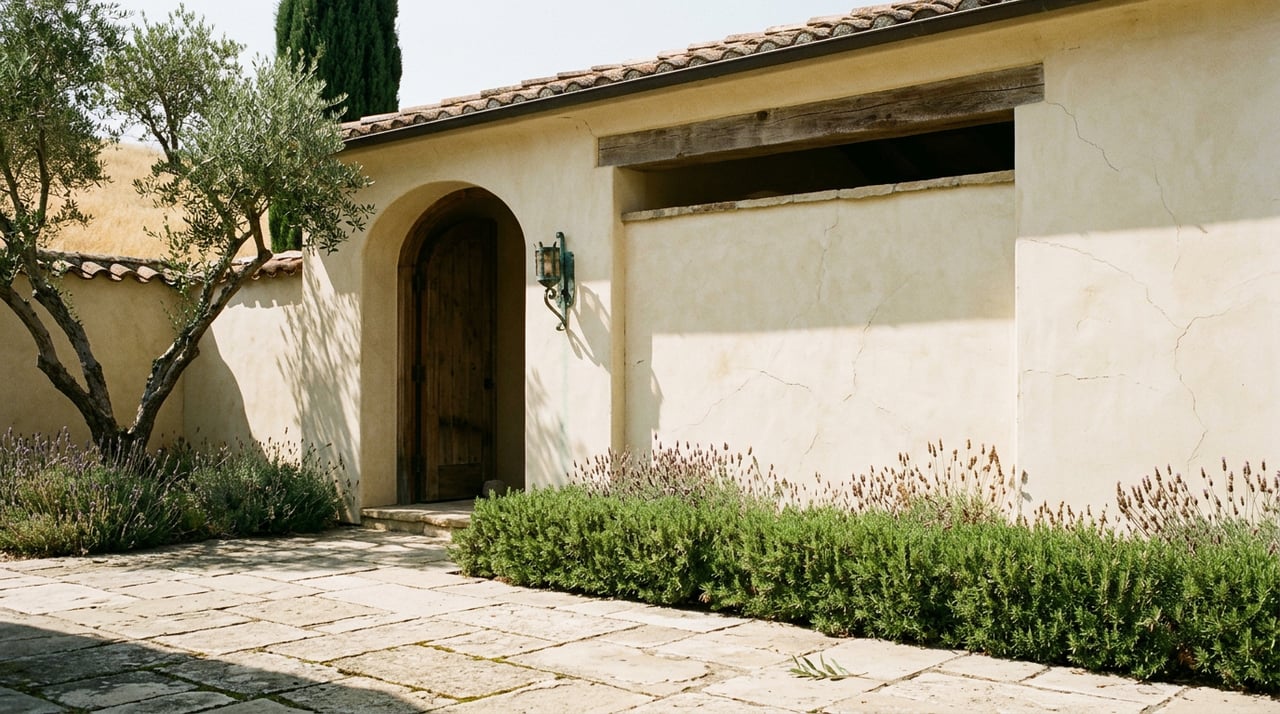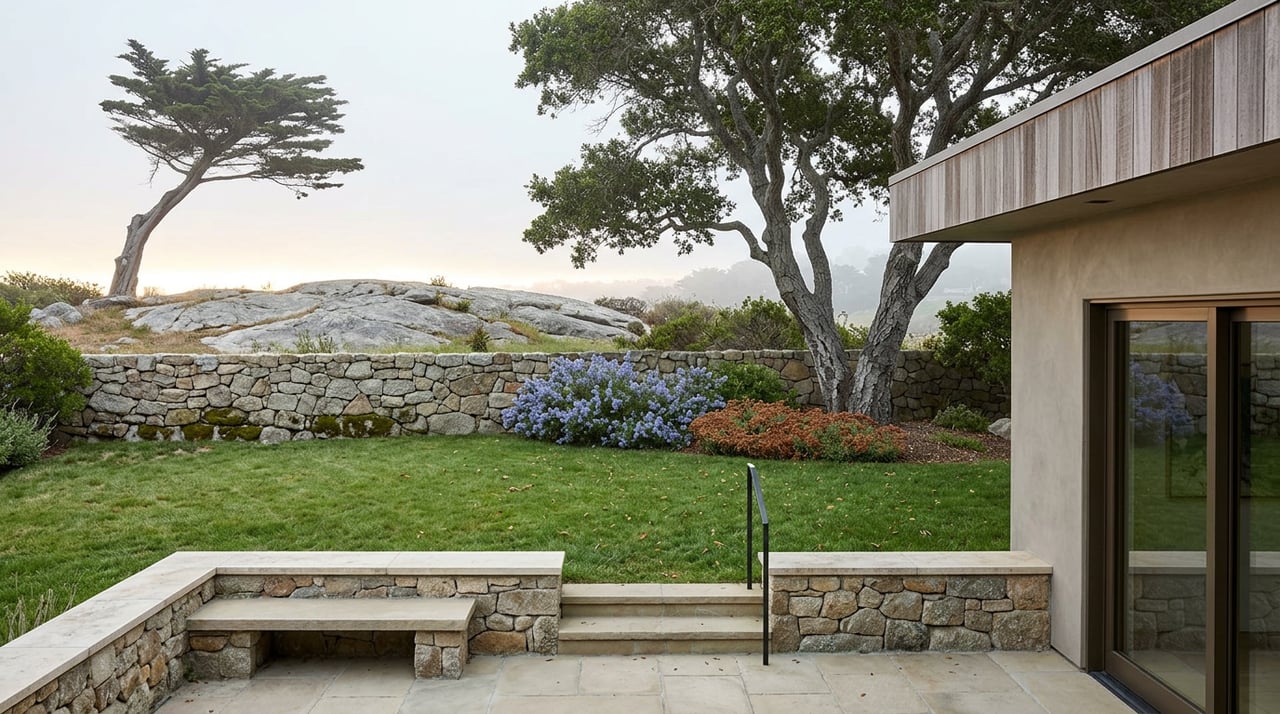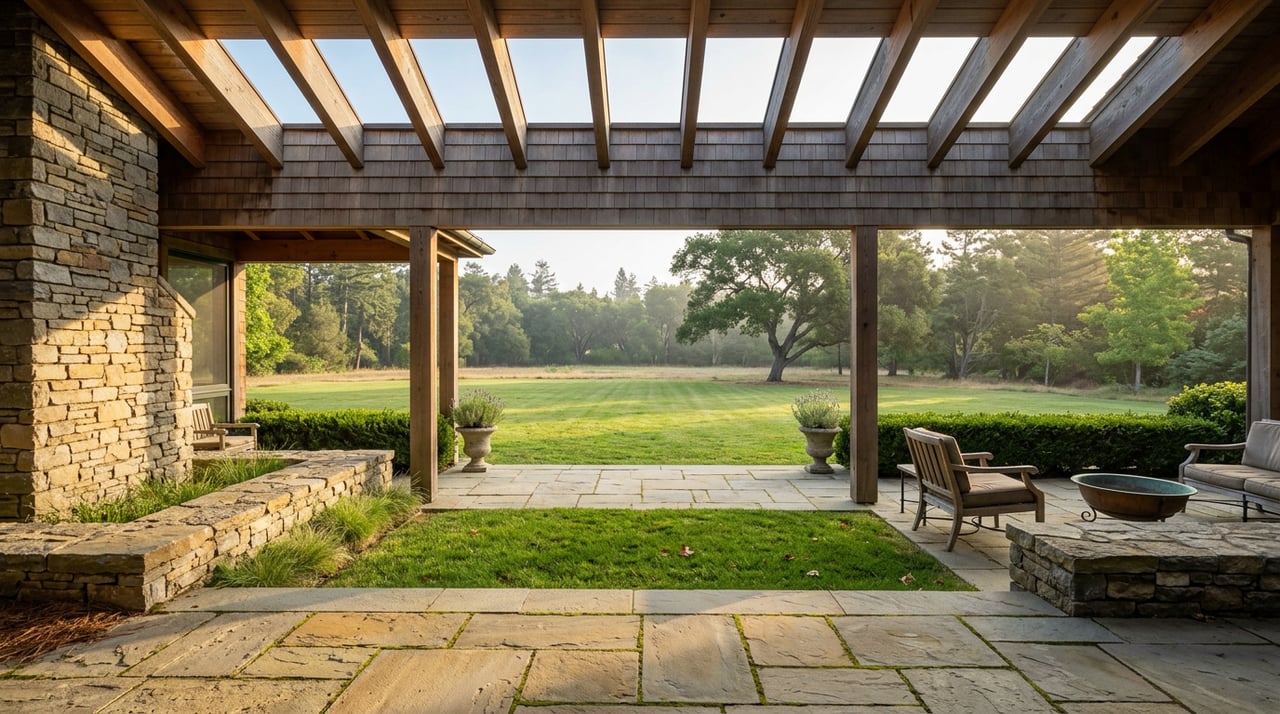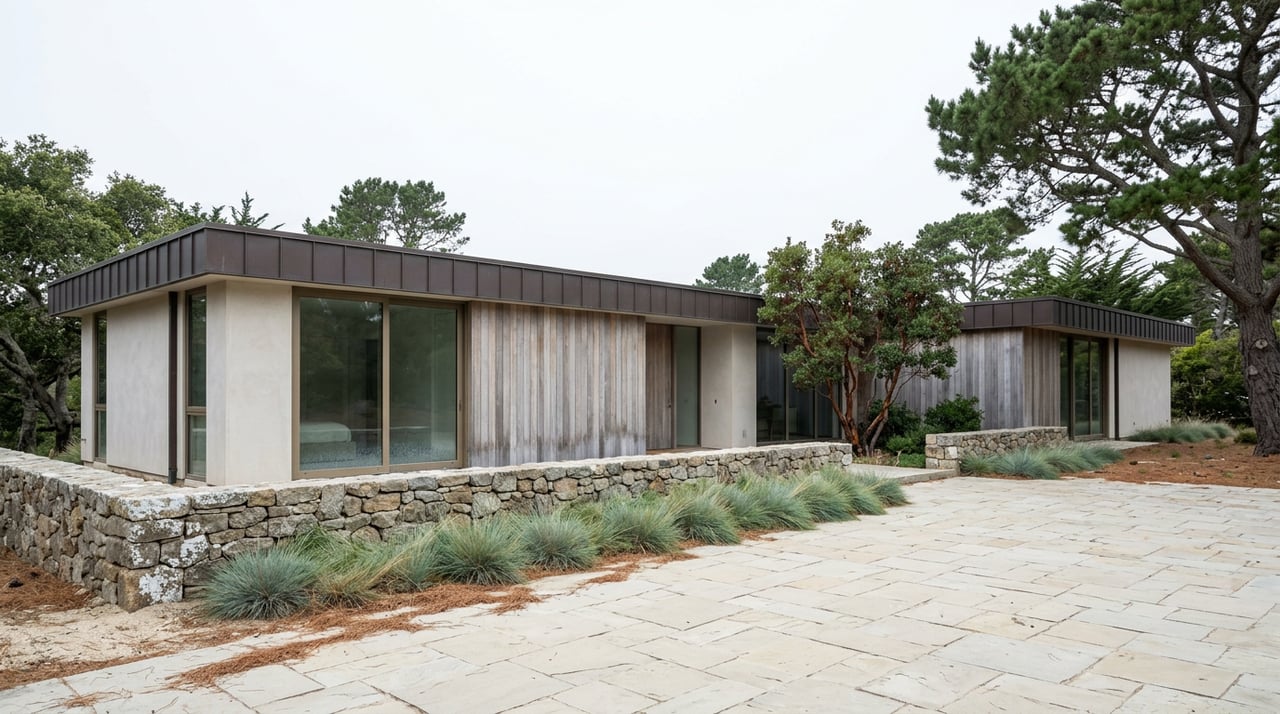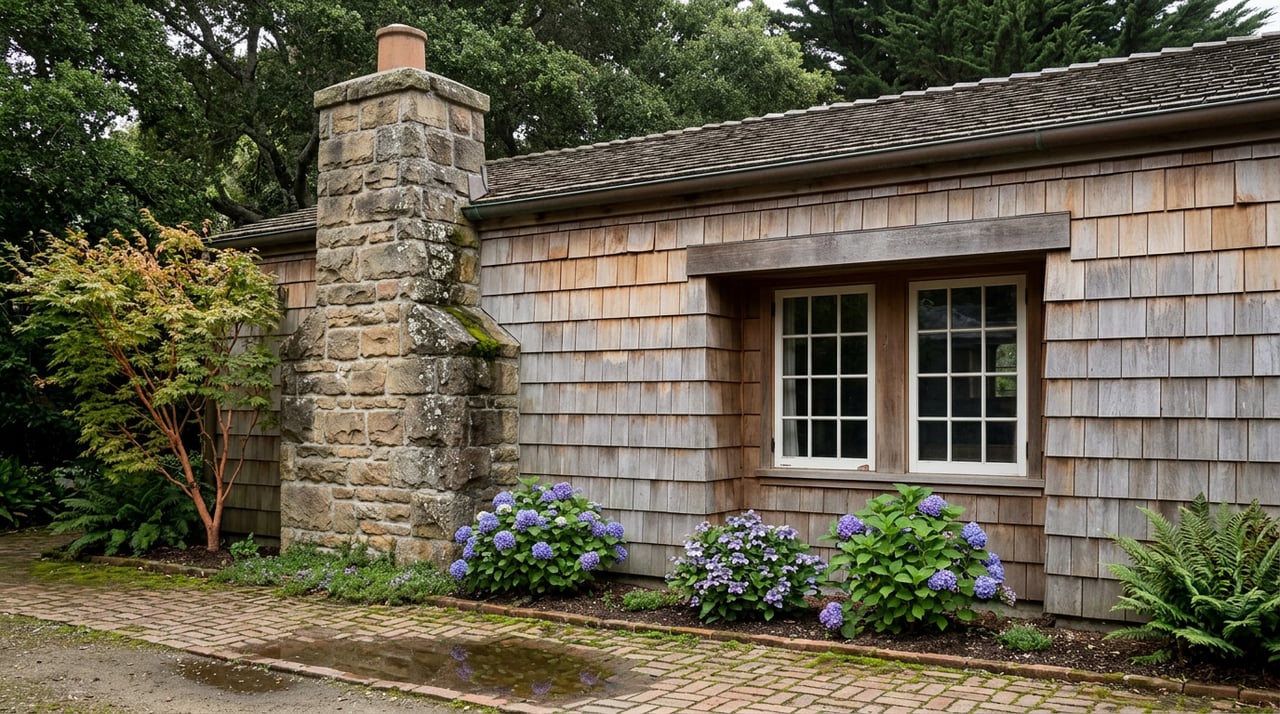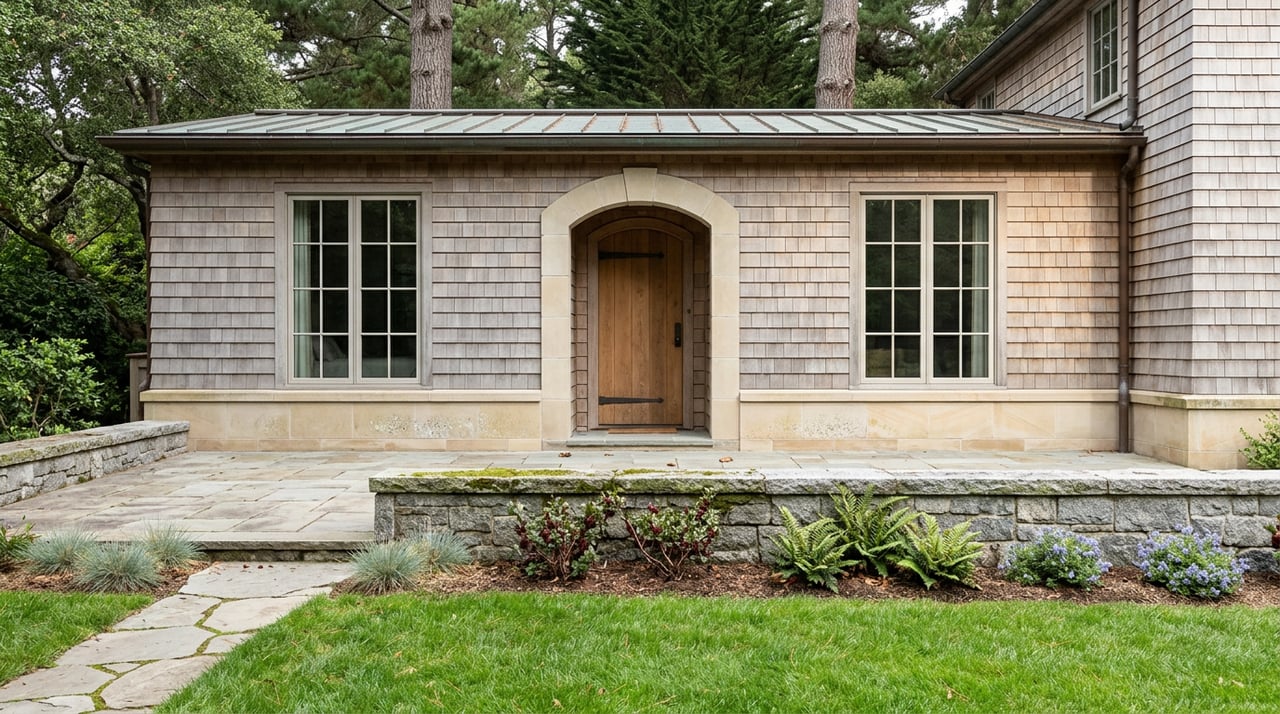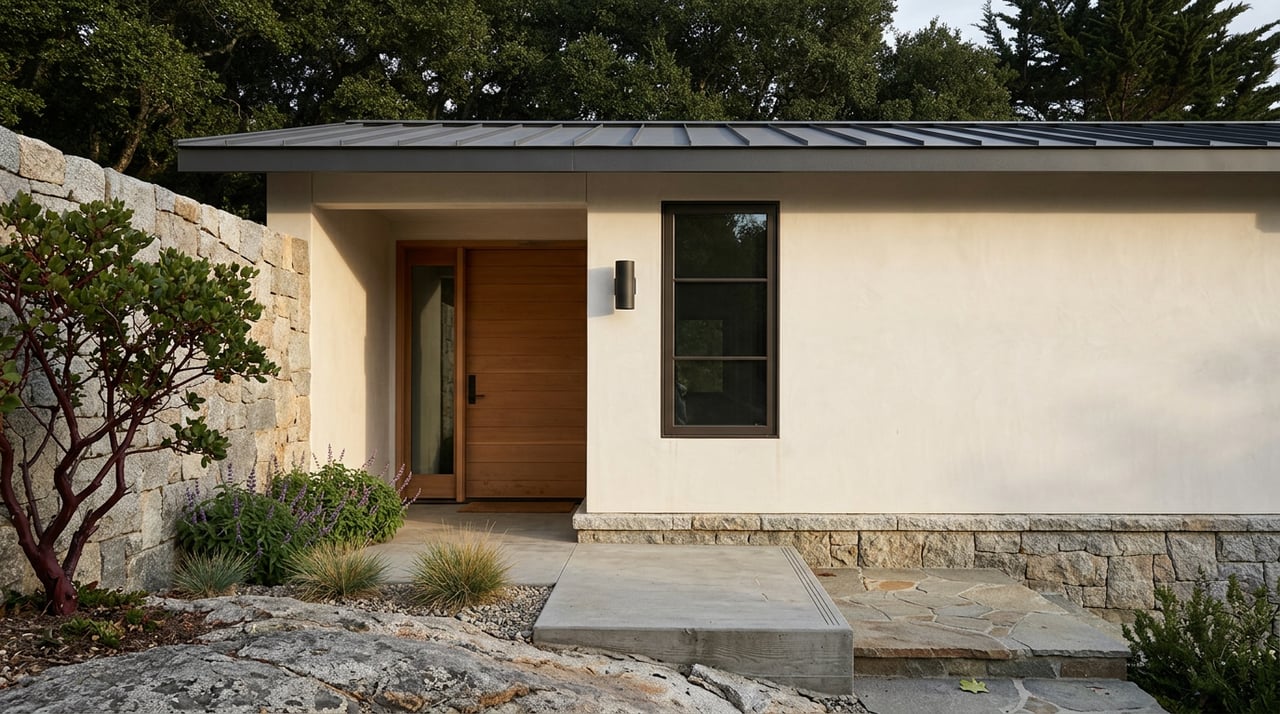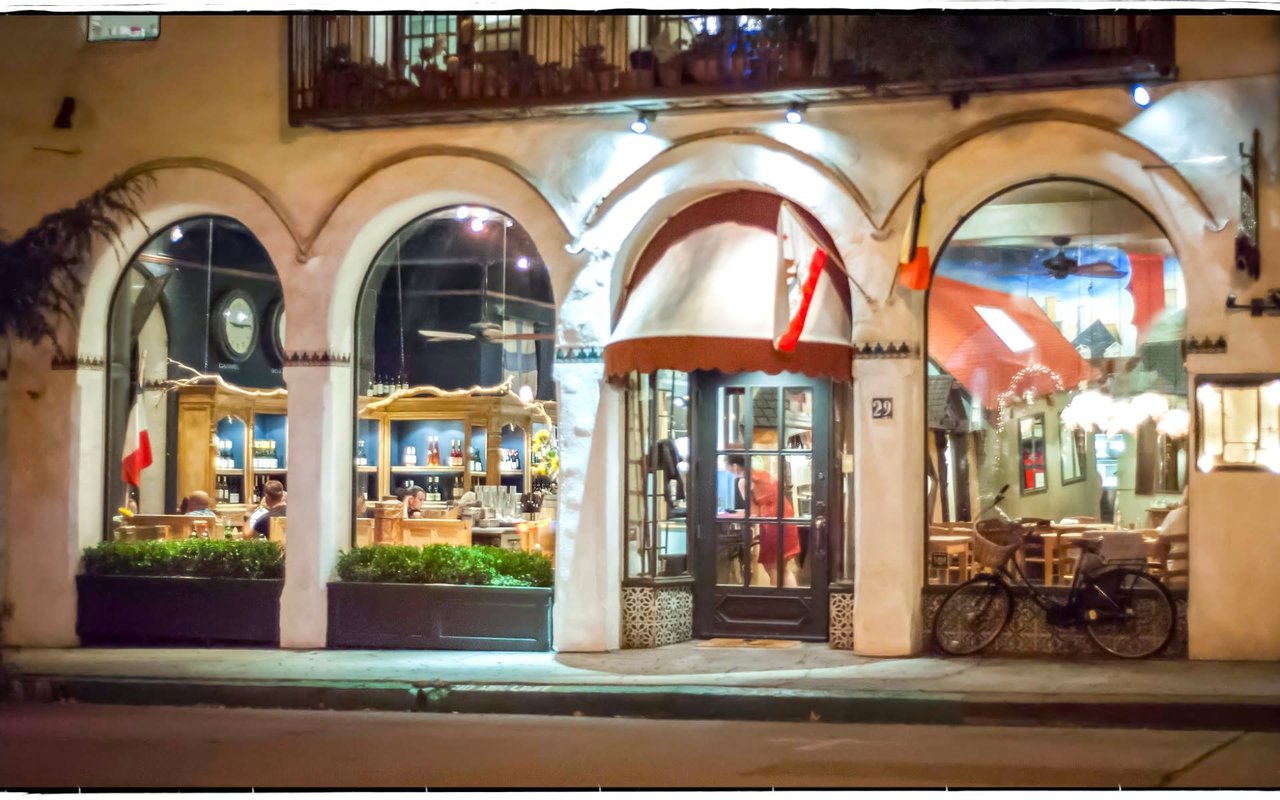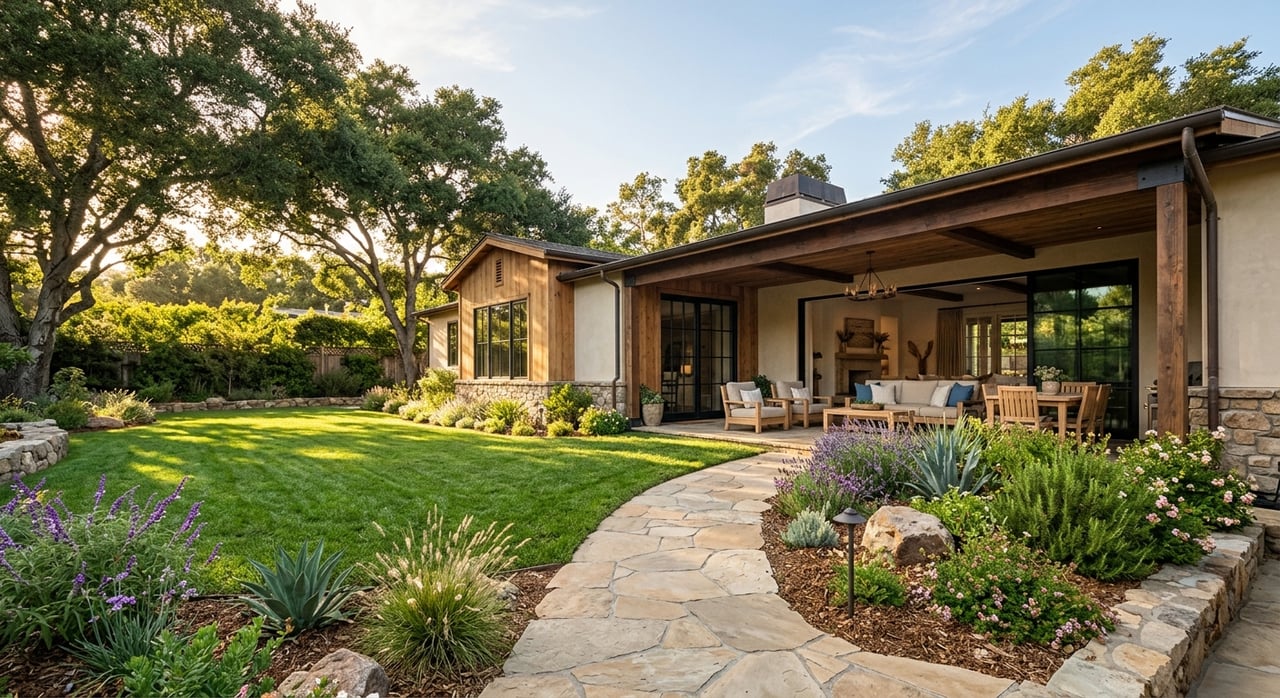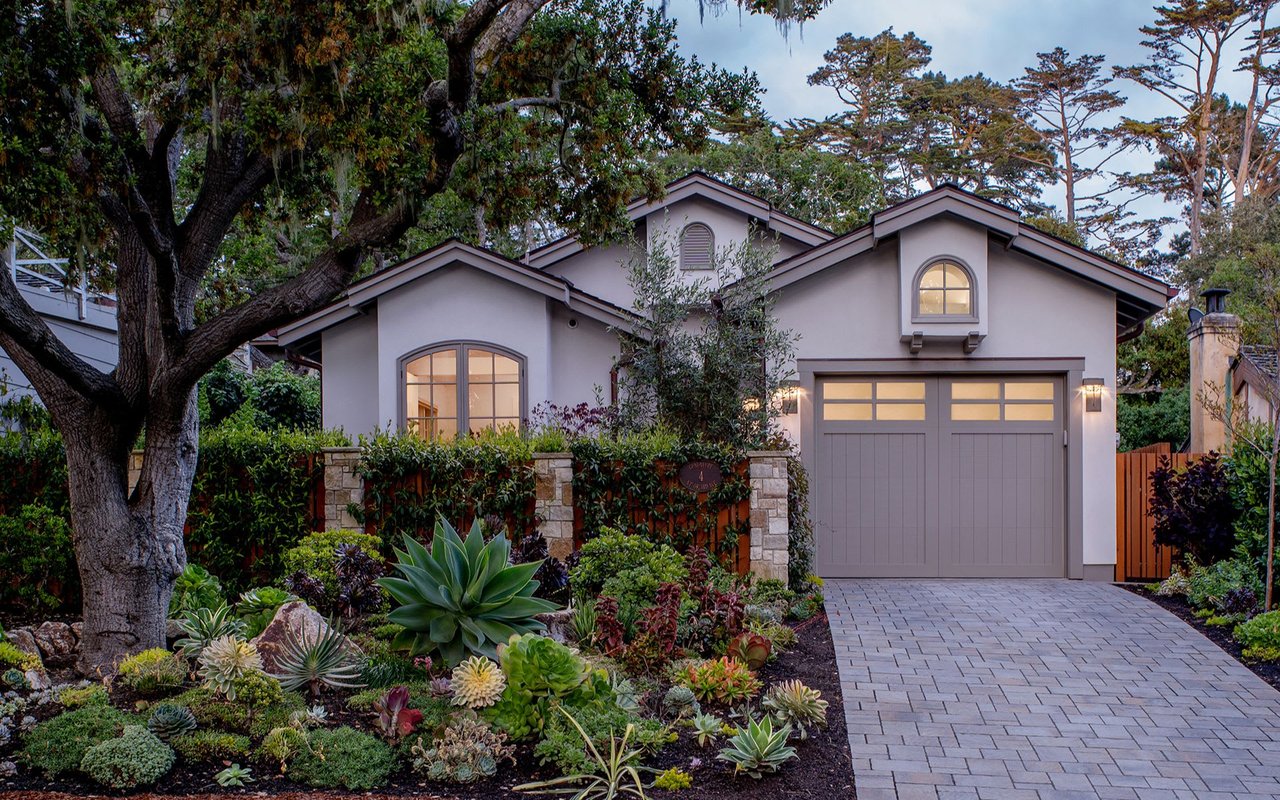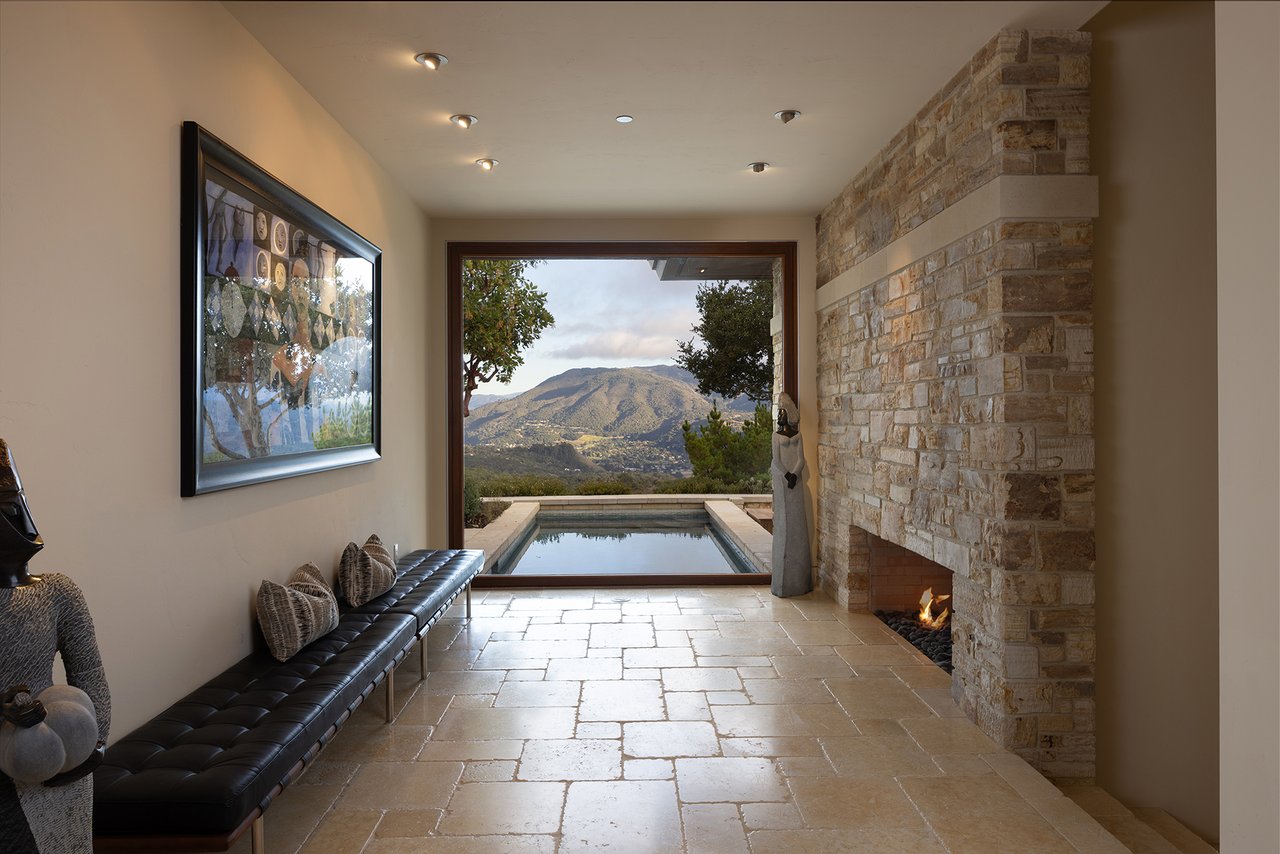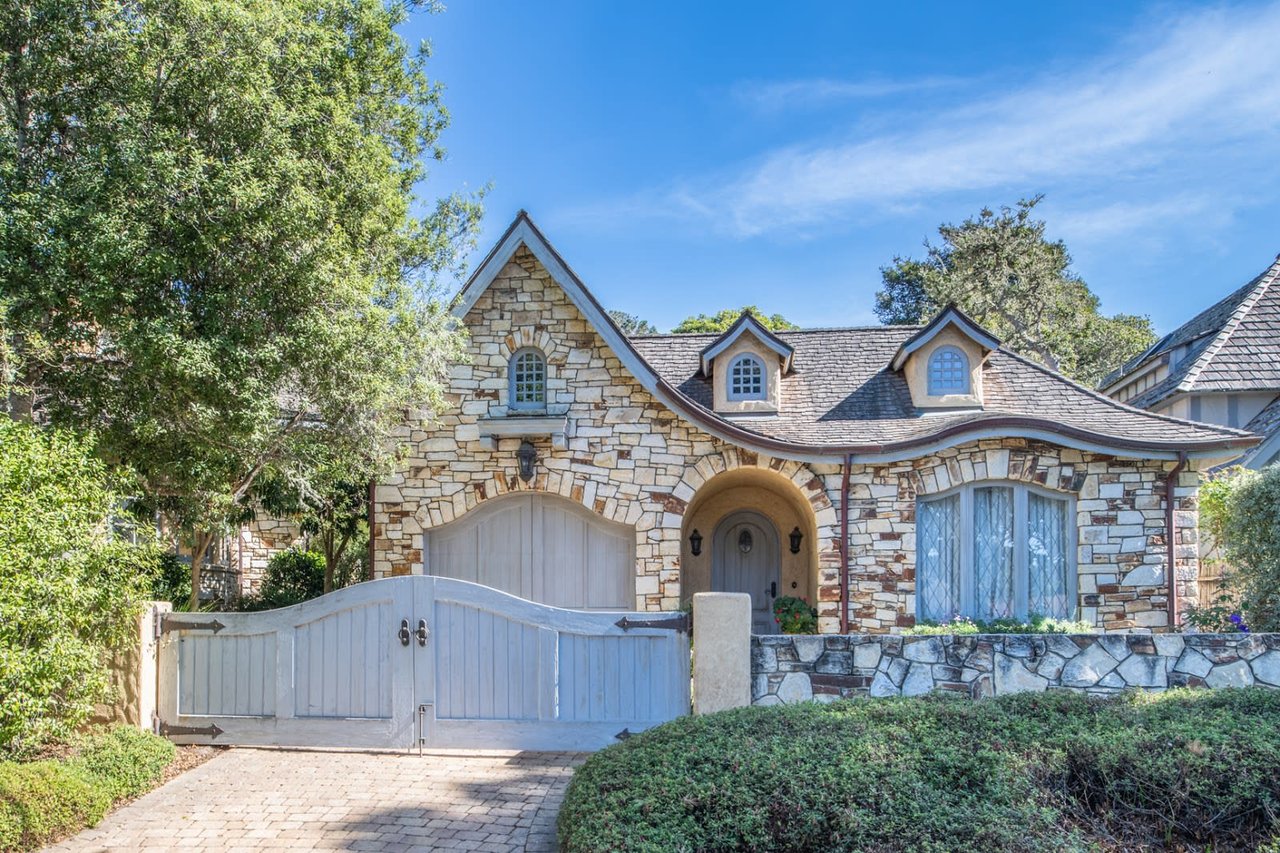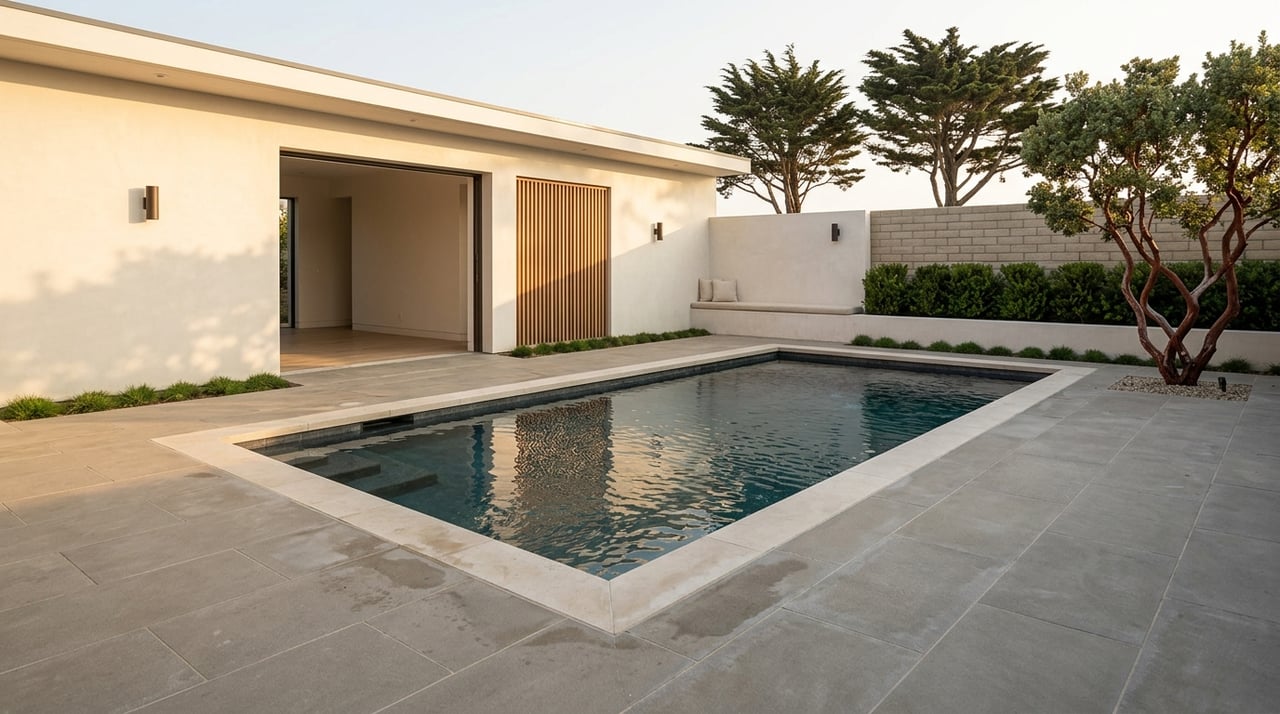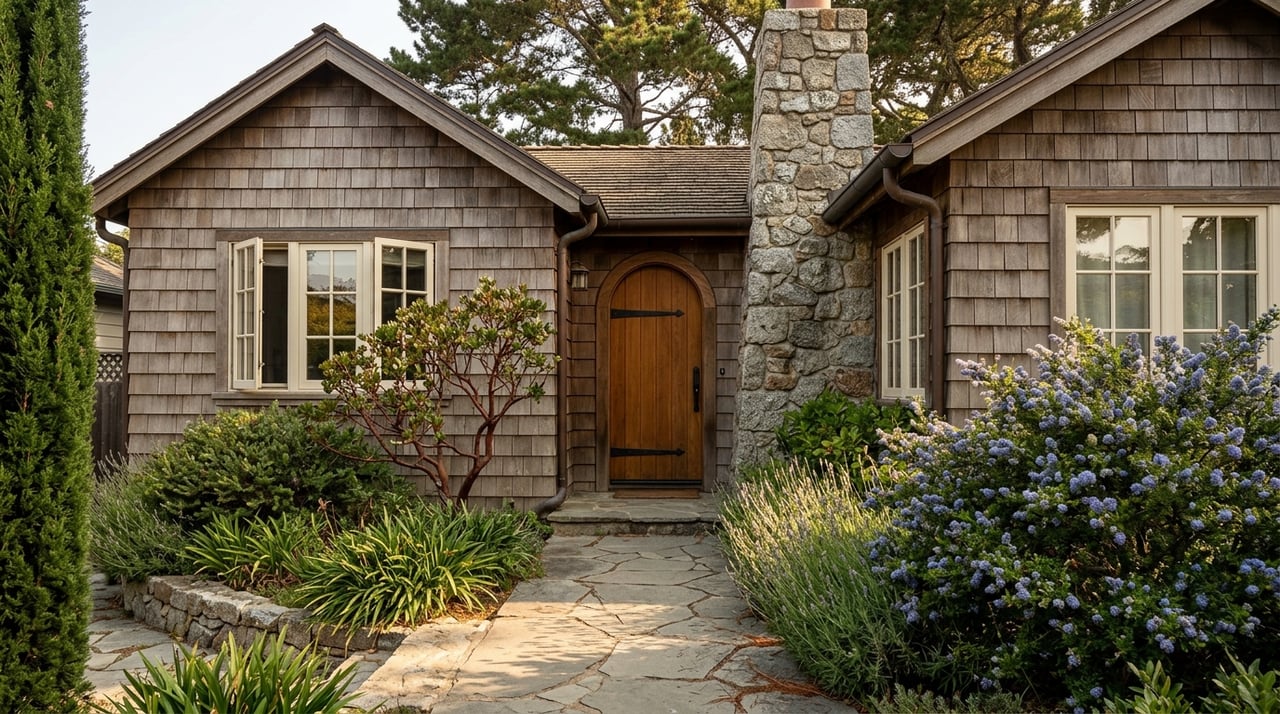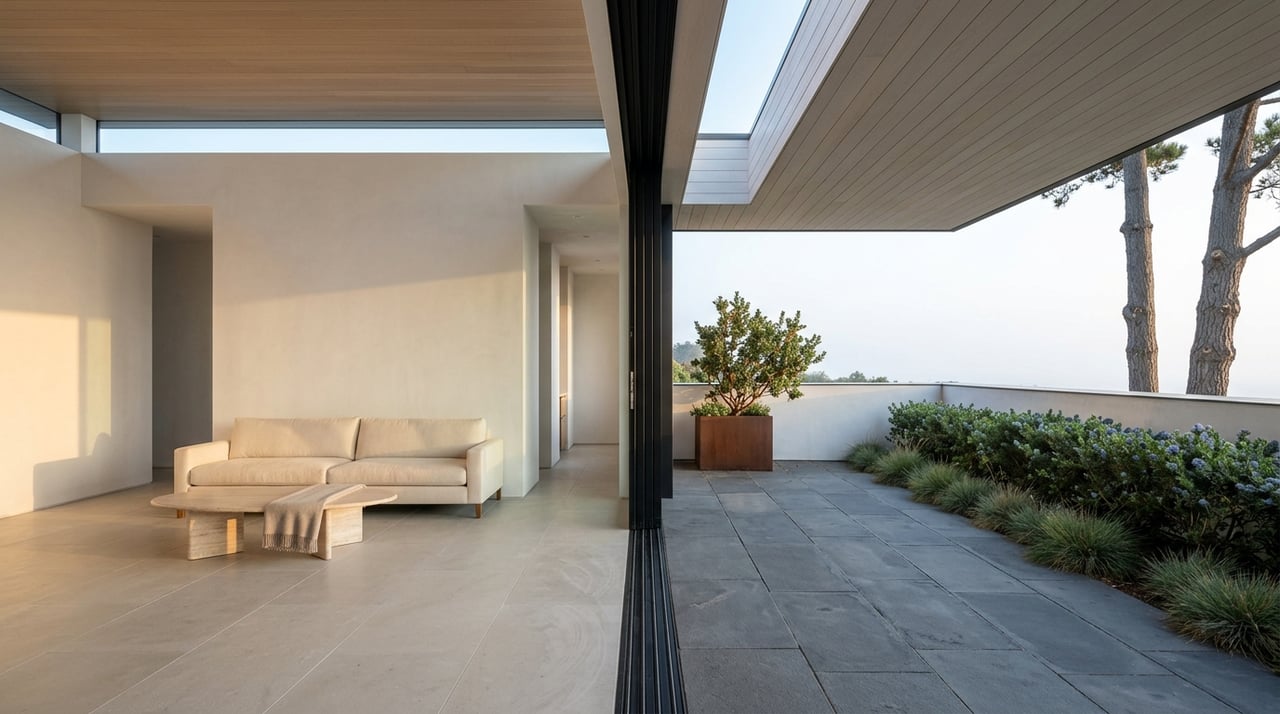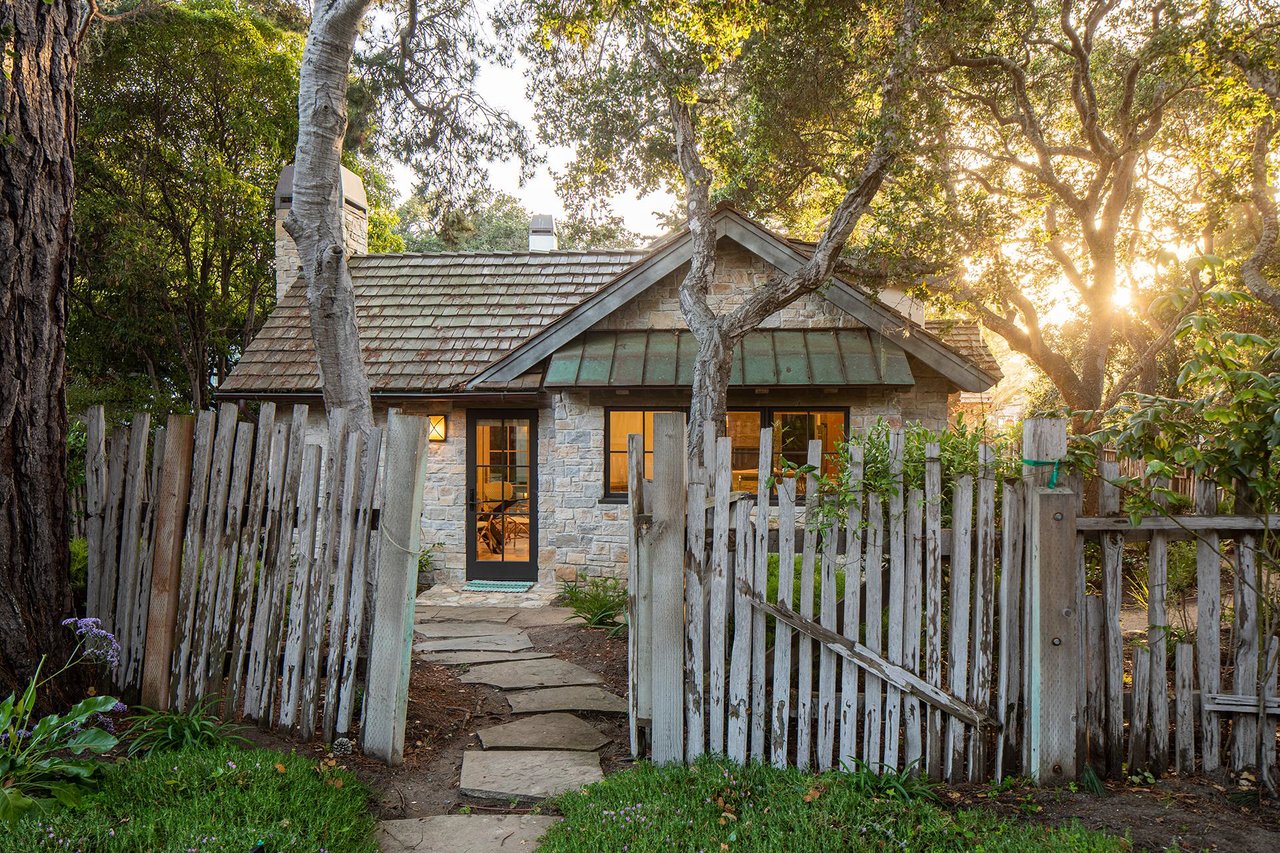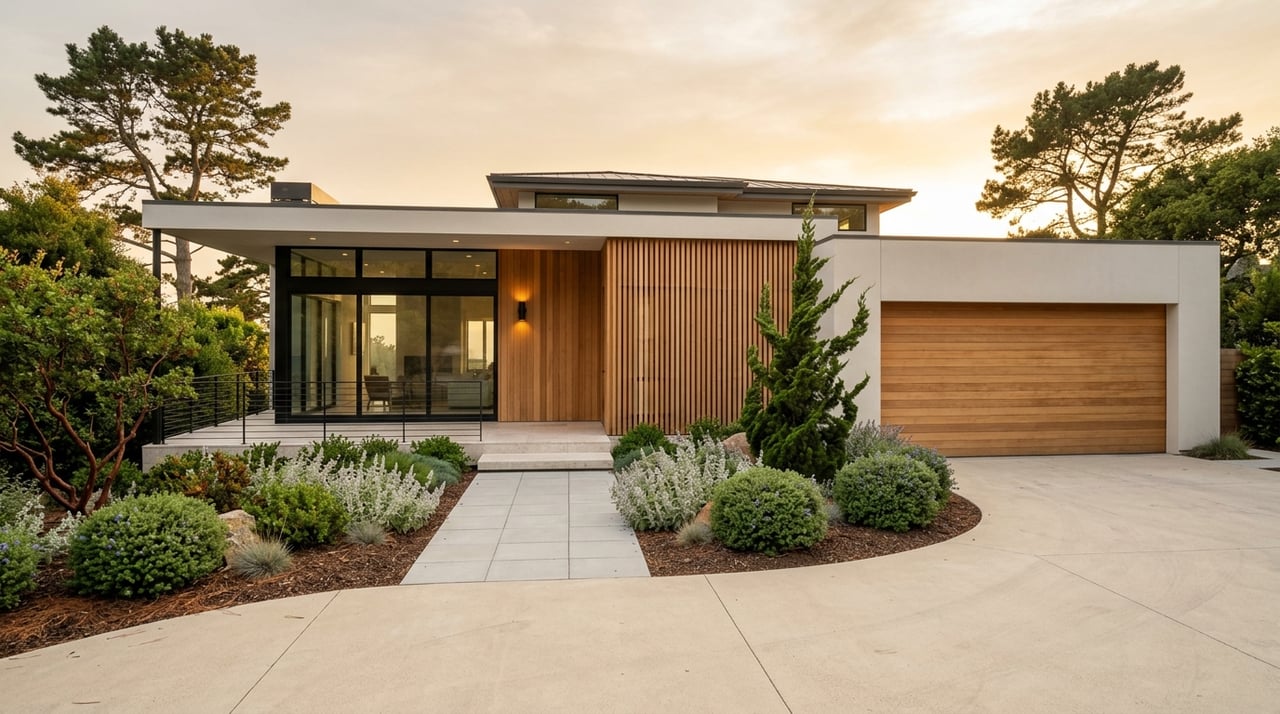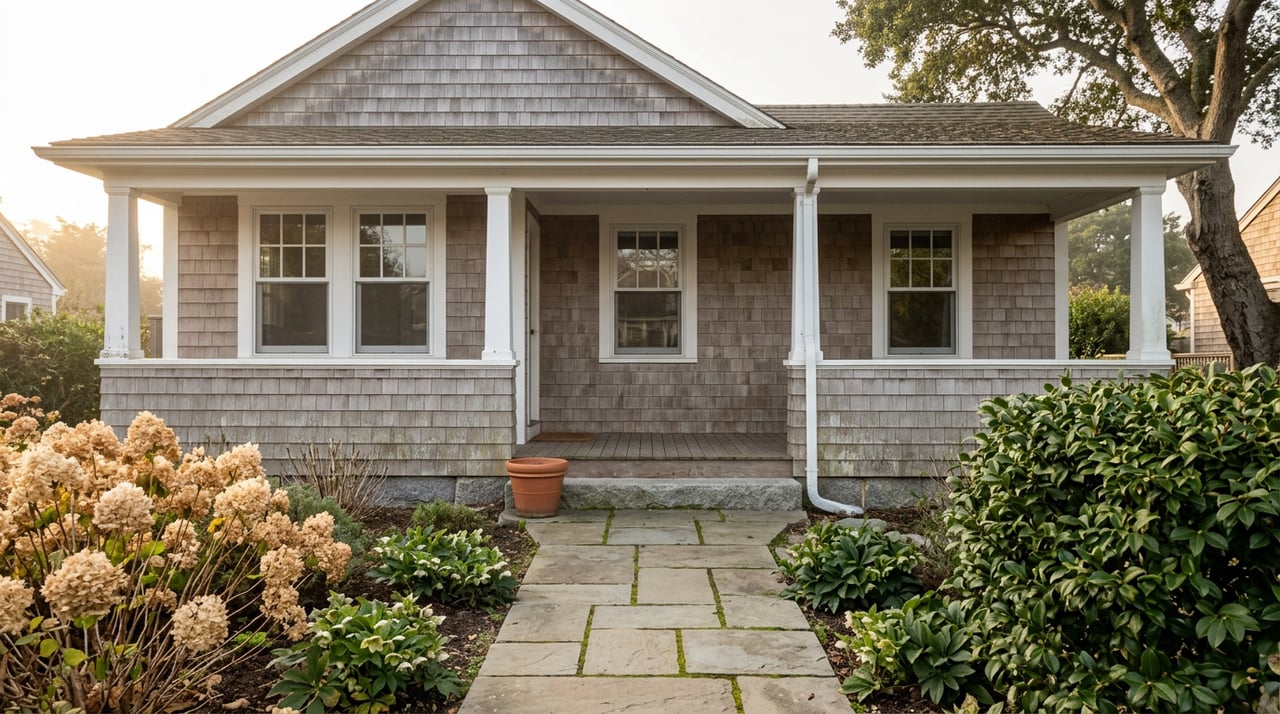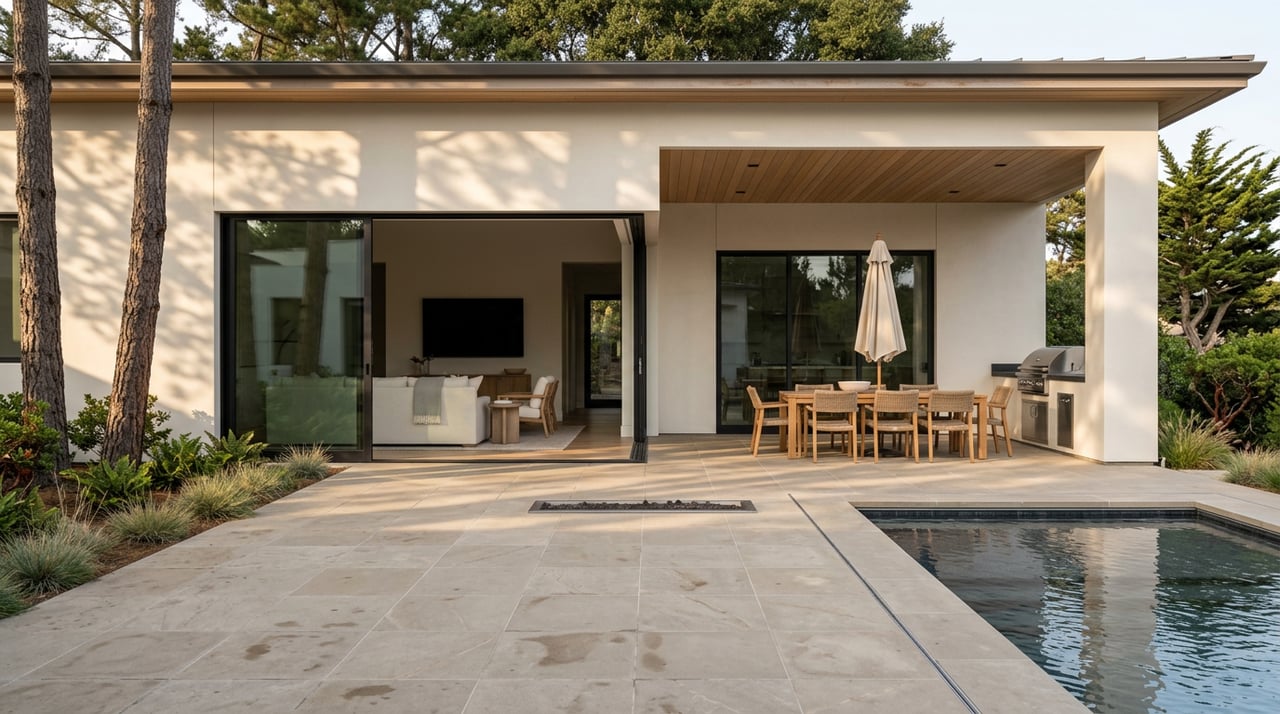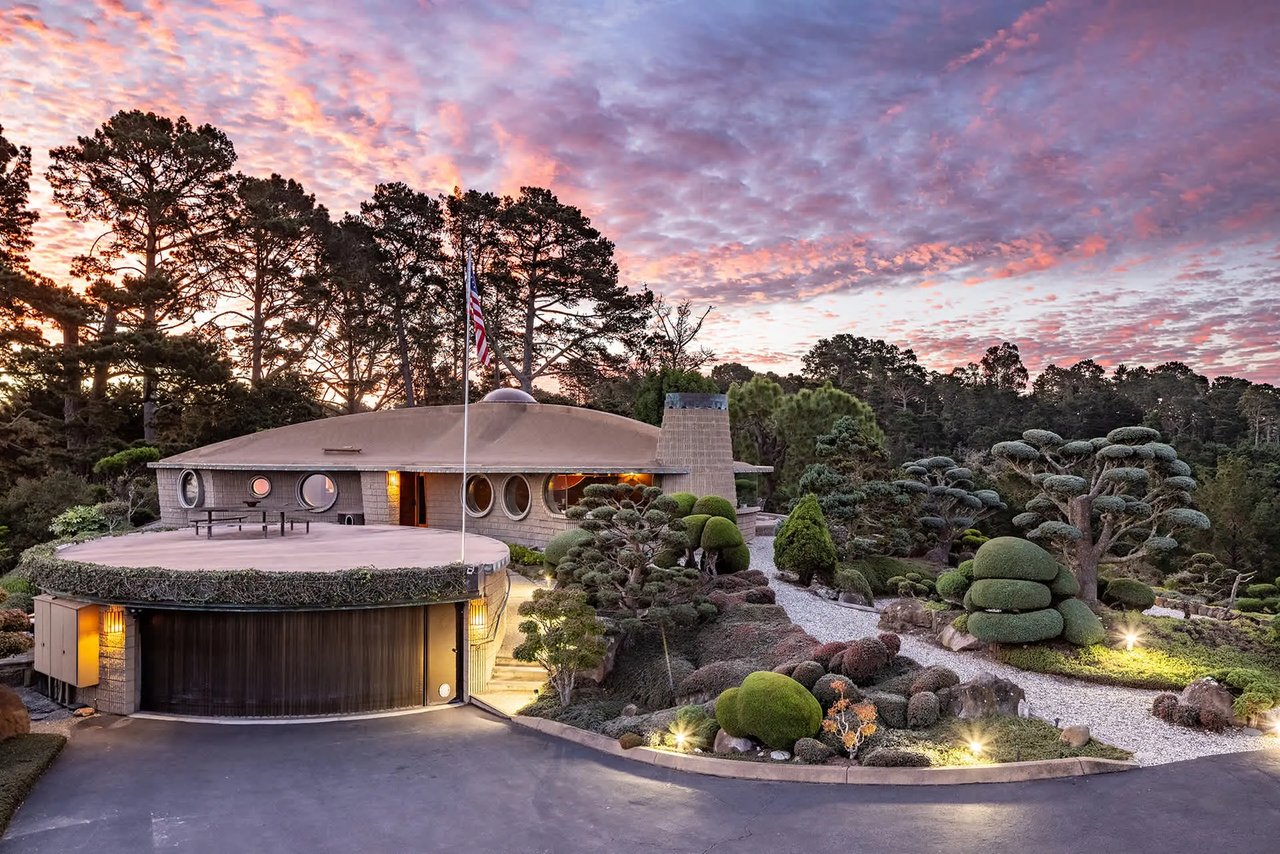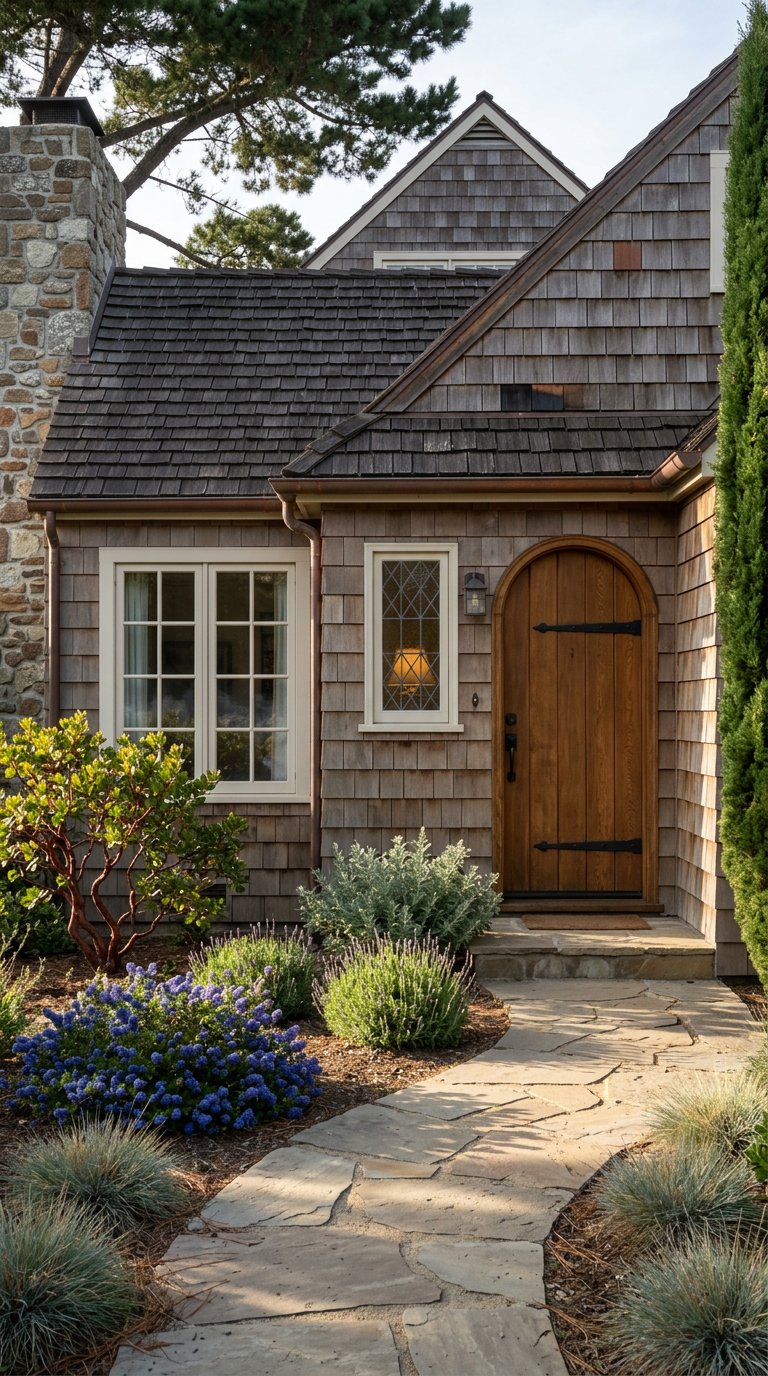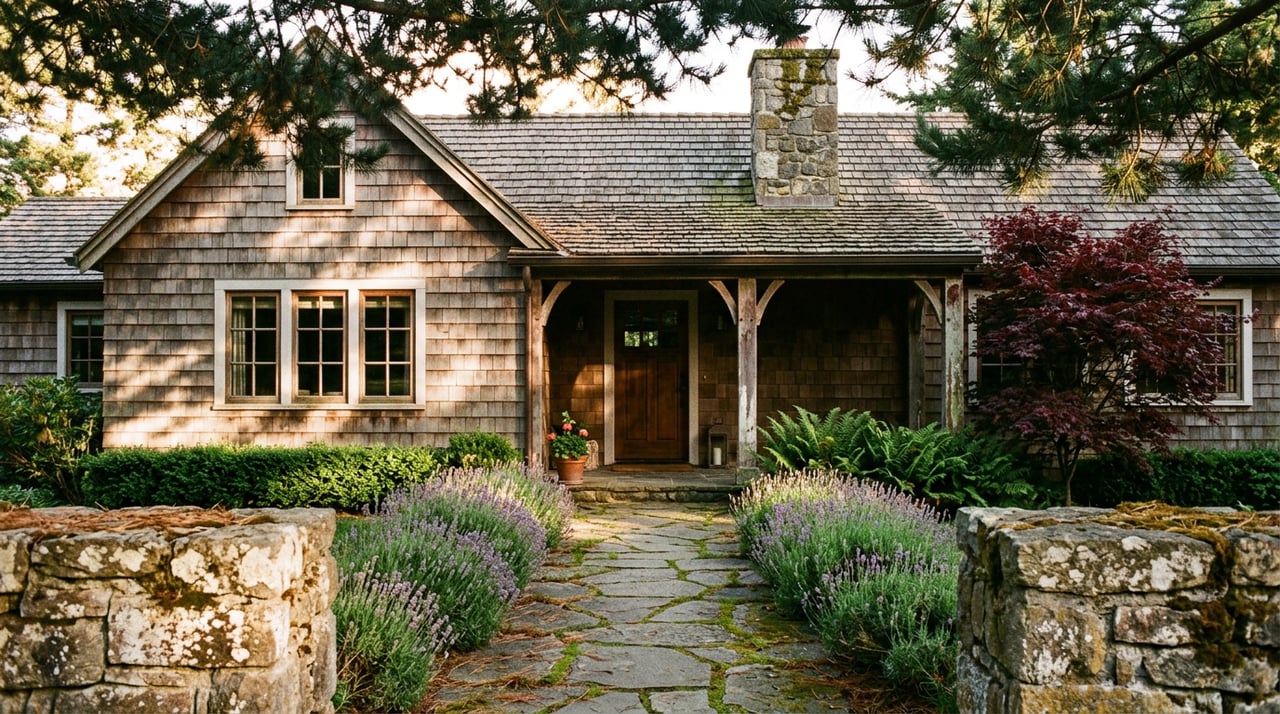
A buyer walks a cottage off Torres Street with a spreadsheet open on their phone. Comparable nightly rates for the village, an occupancy curve pulled from a rental aggregator, a rough math on gross income if the home ran as a vacation rental thirty weekends a year. The agent lets them finish before saying the number does not matter, because the zoning does. Carmel-by-the-Sea has banned rentals under thirty days in its single-family district since 2019, and nothing currently moving through the state legislature or the courts is going to change that before this buyer closes.
That distinction matters more than it sounds. Monterey County's newer vacation-rental ordinance, the one capping commercial short-term rentals at four percent of housing stock across unincorporated areas like Big Sur, Carmel Highlands and Carmel Valley, is still being fought over in a lawsuit filed by the Monterey County Vacation Rental Alliance. That fight is live. The city of Carmel-by-the-Sea's rule is not part of it. It is older, it applies inside a different jurisdiction with its own city limits, and as of this writing there is no comparable legal challenge working its way through a courtroom to loosen it. For a buyer or an owner, that means the open question in Carmel-by-the-Sea is not whether the rule will change. It is whether the specific parcel already has an exception baked in.
What the Ordinance Actually Says
The city's rule lives in Carmel Municipal Code section 17.14.040.W, adopted through Ordinance No. 2019-003. It defines a transient rental as any residential unit occupied for less than thirty consecutive days in exchange for payment, and it prohibits that use outright in the R-1 single-family district, which is where most of the village cottages, Carmel Point homes and Golden Rectangle properties sit. Outside R-1, in the CC, SC and RC commercial districts and the R-4 multifamily district, transient lodging is also prohibited by default, with two narrow carve-outs written into the same ordinance.
The first carve-out is a Legal Nonconforming permit. Any transient rental unit that was already operating before Ordinance 2019-003 took effect keeps its status permanently. The permit runs with the land, transfers automatically when the property sells, and does not expire under the city's usual six-month abandonment rule for nonconforming uses. In practical terms, a Legal Nonconforming permit is one of the few things in this market that behaves like a fixed, tradable asset rather than a policy the city could revisit. If a cottage has one, a new owner inherits legal nightly-rental rights that almost nobody else in the R-1 district can get. If it doesn't, no amount of renovation or licensing paperwork creates one from scratch.
The second carve-out only produces new rights, and it only produces them as a byproduct of something else entirely.
The Trade the City Actually Offers
Here is the part that reads like policy but functions like an incentive structure. The city's Housing Incentive Permit allows one new transient rental unit for every three new rental housing units a developer builds on a site in the CC, SC, RC or R-4 districts. Of those three new units, one has to be rented to a low-income household and one to a moderate-income household, both at a minimum of 650 square feet, and the whole arrangement requires a conditional use permit tied permanently to that specific site. The third unit can go to market rate. Only after that housing gets built does the developer earn the right to operate one nightly rental.
That ratio is not an accident. Carmel-by-the-Sea's own housing planning documents describe a city that went from a state-mandated target of 31 new housing units in the 2015-2023 cycle to 349 units for 2023-2031, a more than tenfold jump, while reporting less than one acre-foot of water available in its entire inventory for new construction. A city with that little room to build and that much pressure from the state to build anyway is not going to hand out nightly-rental rights for free. It is going to price them in affordable housing, unit by unit. The Housing Incentive Permit is the city converting scarce entitlement to build into scarce permission to rent short-term, at a fixed exchange rate it controls.
For a buyer this means the fantasy version of a workaround, buying a cottage and applying for a new STR permit, does not exist. The only new supply of transient rental rights in Carmel-by-the-Sea is created by developers building affordable housing on commercial or multifamily-zoned sites, not by homeowners applying for licenses on single-family lots.
City Rules Versus County Rules, Side by Side
Part of the confusion buyers run into is that a Carmel mailing address does not guarantee Carmel city jurisdiction. Properties in San Benancio and other unincorporated pockets carry the same address conventions but fall under Monterey County's rules instead, which are structured differently.
| Carmel-by-the-Sea (city, R-1) | Unincorporated Monterey County | |
|---|---|---|
| Rentals under 30 days | Prohibited, no new permits available | Allowed as homestay or limited vacation rental in most areas; commercial rentals banned in Big Sur, Carmel Highlands, and residential Carmel Valley |
| Path to new short-term rights | Housing Incentive Permit only, tied to building 3 affordable rental units | County vacation rental license, subject to per-area caps |
| Legal basis | City Ordinance 2019-003, settled | County ordinance adopted August 2024, under active litigation |
| Transient occupancy tax | 10 percent, City of Carmel | 10.5 percent, unincorporated Monterey County |
| Ownership eligibility | Runs with the land if Legal Nonconforming | Limited to individuals and trustees, LLCs excluded |
The practical takeaway is that a buyer who assumes the county's more permissive homestay and limited-rental categories apply just because a nearby parcel in Carmel Valley or Carmel Highlands allows them is applying the wrong rulebook. Inside city limits, the R-1 ban is close to absolute.
What This Changes About Due Diligence
For a buyer whose investment thesis includes any nightly-rental income, the due diligence sequence has to happen before the offer, not during escrow. Pull the Assessor's Parcel Number and confirm the parcel sits inside Carmel-by-the-Sea city limits rather than an adjacent unincorporated area with a similar address. Then ask the listing agent directly whether the property carries a Legal Nonconforming transient rental permit, and if so, request the permit documentation and confirm it transfers cleanly with title. A property that already holds this status is worth pricing differently than one that does not, because the difference is not cosmetic. It's the difference between a cottage that can legally generate nightly income on day one of ownership and one that legally cannot, ever, absent a housing development project that most single-family buyers are never going to undertake.
For owners who bought without a permit and are weighing rental income anyway, the workable path inside city limits is a furnished lease of thirty consecutive days or longer. That structure clears the transient threshold entirely, requires no vacation rental license, and is unaffected by the R-1 restriction. It will not produce Airbnb-style nightly rates, but it is legal everywhere in the city, and for owners who travel seasonally or split time between homes, a well-drafted seasonal lease can still produce meaningful income without touching the ordinance at all.
Frequently Asked Questions
Does every Carmel-by-the-Sea property without a permit have zero legal path to short-term rental income? Inside the R-1 district, yes, with no mechanism for a homeowner to apply for a new one. The only paths that create new transient rental rights sit in commercial and multifamily zones and require a housing development project.
If I buy a cottage with a Legal Nonconforming permit, does anything about my ownership put that status at risk? The permit is not subject to the six-month abandonment rule that applies to other nonconforming uses, and it transfers with a sale. Buyers should still confirm current compliance with the original permit conditions, including off-street parking, before assuming the status is automatically intact.
Is the city considering loosening this rule the way some cities have revisited older short-term rental ordinances? Nothing in the current record points to an active proposal to expand transient rentals in the R-1 district. The city's more recent housing-related actions have focused on the state-mandated Housing Element process, not on short-term rental policy.
What if my property's address says Carmel but the county, not the city, actually governs it? Check the Assessor's Parcel Number against the Monterey County parcel viewer or the city's zoning map. Addresses in this area do not reliably indicate jurisdiction, and the two rulebooks differ enough that getting this wrong changes what you can legally do with the property.
Buying into a market this specific rewards the kind of homework most out-of-area buyers skip. If you are weighing a Carmel-by-the-Sea property against its rental potential, or trying to confirm whether a listing already carries permit rights worth paying for, Tim Allen Properties can walk the zoning and permit history with you before you write an offer.