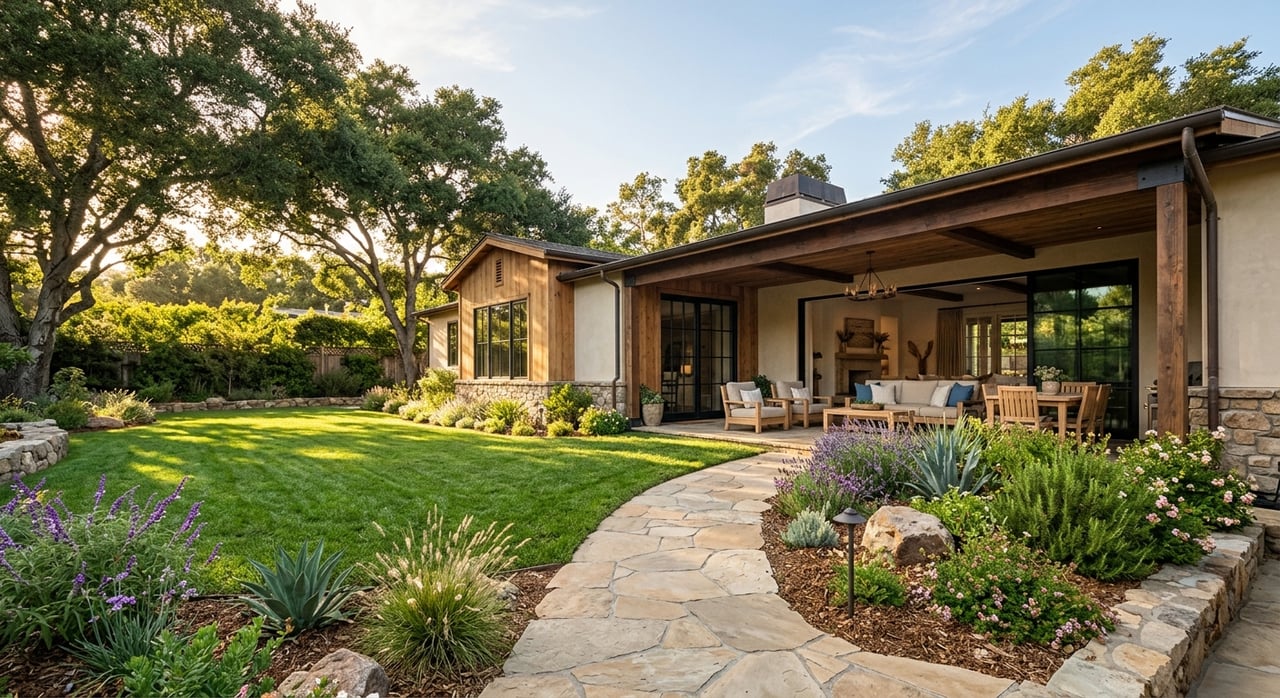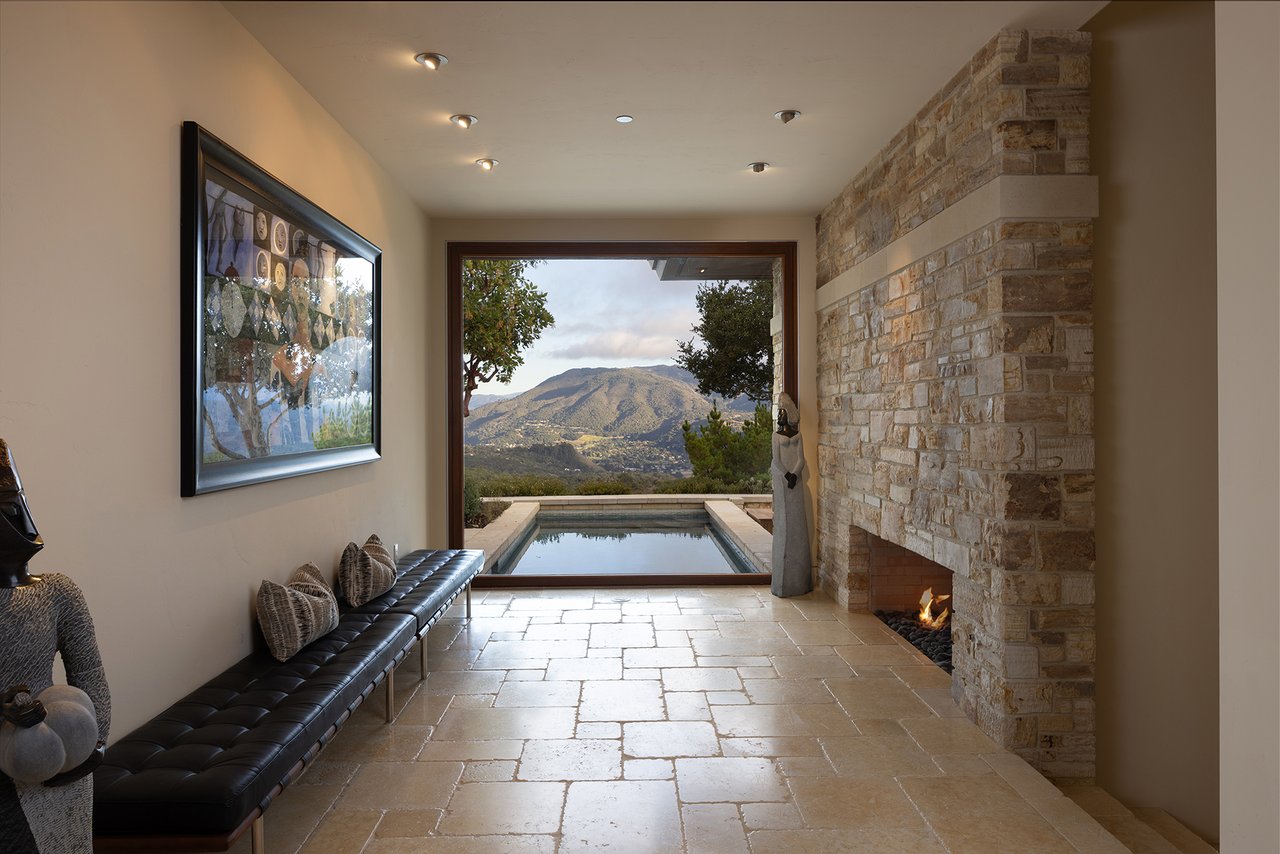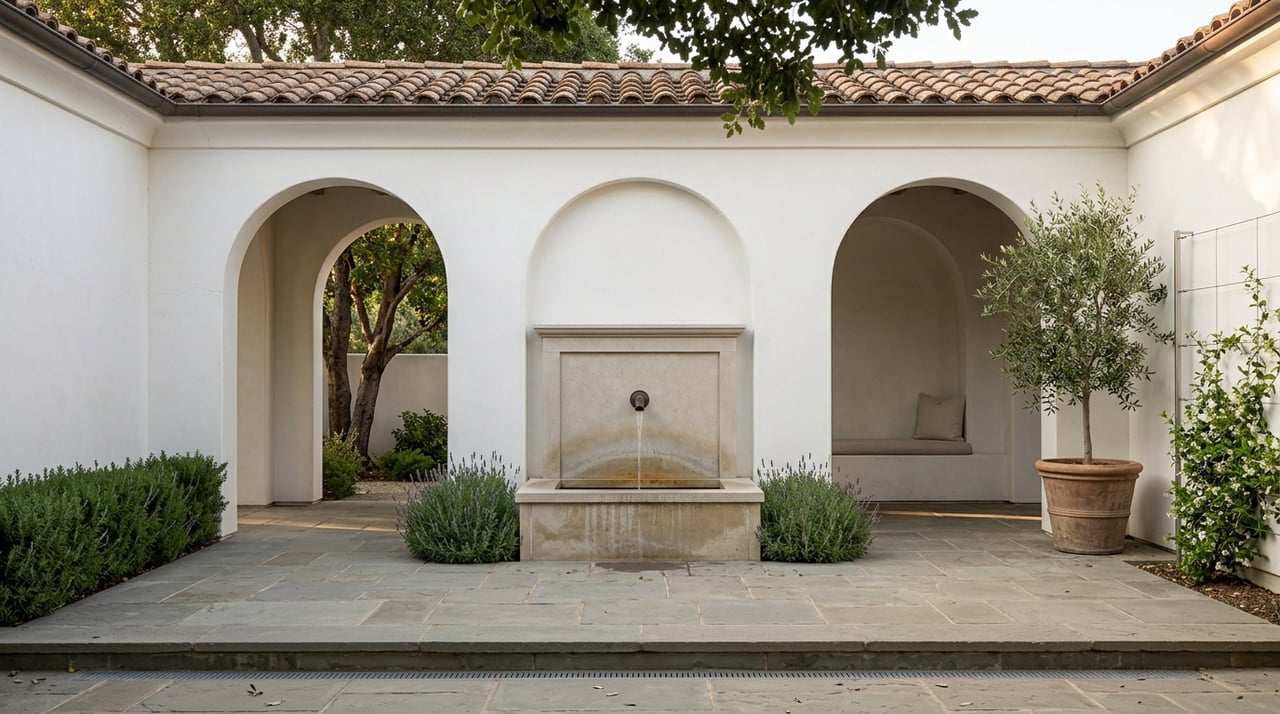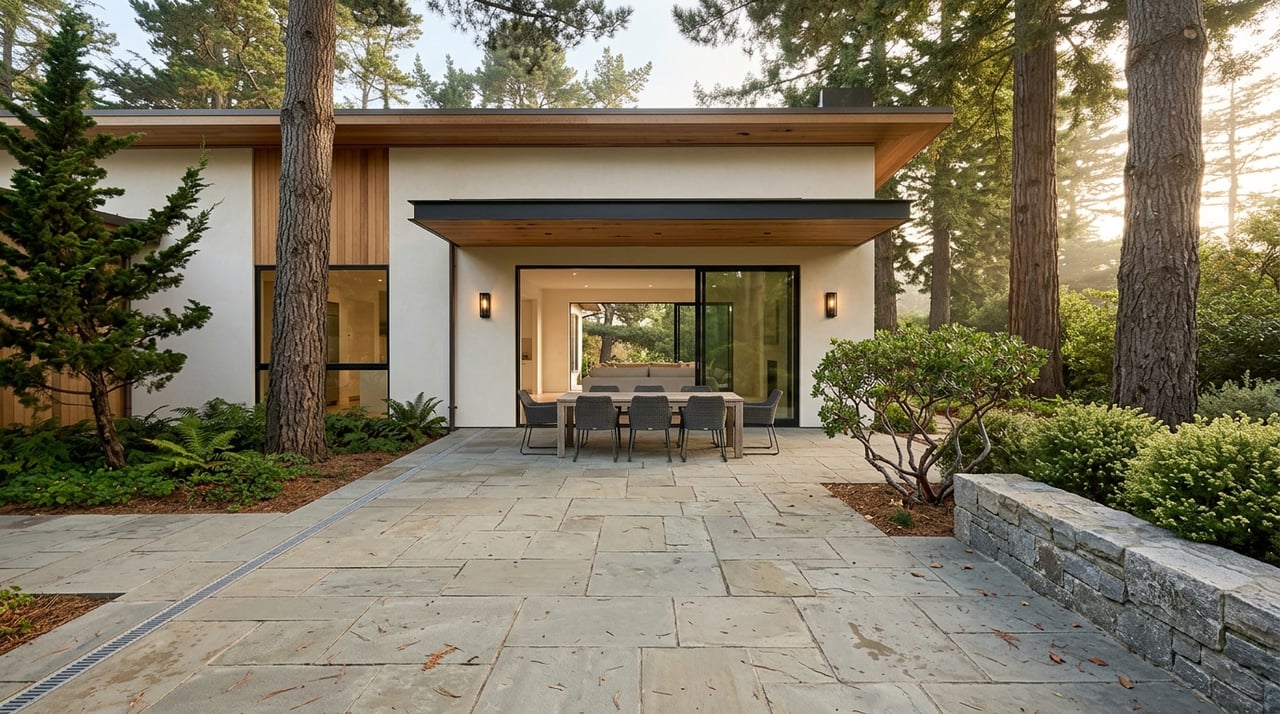
Wondering whether your Pebble Beach estate should be marketed as a luxury rental, a longer seasonal lease, or something in between? In a market shaped by world-famous events, strict local rules, and high guest expectations, the answer is rarely as simple as posting beautiful photos and setting a premium rate. If you want to protect your property, attract the right guests, and position your home with confidence, the details matter. Let’s dive in.
Pebble Beach Rental Positioning Starts With Place
Pebble Beach is not a generic coastal destination. It is a highly curated resort setting built around 17-Mile Drive, renowned golf courses, spa and leisure amenities, and a calendar of major events that draw affluent visitors throughout the year.
According to Pebble Beach, more than 1.5 million visitors pass through 17-Mile Drive annually. Monterey County tourism spending reached $3.3 billion in 2025, which helps explain why estate-scale rentals in this area can attract strong interest from travelers seeking a polished, private stay.
For owners, that creates opportunity. It also means your home should be presented as a residential luxury experience, not as a broad, one-size-fits-all vacation rental.
Demand Drivers in Pebble Beach
Golf travel brings consistent visibility
Pebble Beach is closely tied to destination golf. The area is home to Pebble Beach Golf Links, Spyglass Hill, The Links at Spanish Bay, and Del Monte Golf Course, and the AT&T Pebble Beach Pro-Am is promoted as a PGA TOUR Signature Event.
That matters because golf travelers often plan around groups, multi-night stays, and seamless logistics. A well-positioned estate can appeal to guests who value privacy, parking, a calm arrival, and easy gathering space before and after time on the course.
Signature events expand the guest pool
Pebble Beach also attracts travelers for major annual events. The Concours d'Elegance draws rare and antique automobile collectors and enthusiasts from around the world, while Pebble Beach Food & Wine brings a strong culinary audience with major chef and winery participation.
These visitors are often looking for more than a place to sleep. They want a refined home base that feels private, turnkey, and well managed.
Retreat and leisure travel support longer stays
Monterey County is also promoted as an upscale resort-like destination for meetings and retreats, with extensive lodging inventory, golf access, wineries, and year-round average temperatures around 65 degrees. In addition, the region offers hiking, biking, wine tasting, marine excursions, and equestrian activity.
That broader mix supports demand from seasonal guests, retreat travelers, and families or small groups planning experience-driven stays. In practical terms, Pebble Beach estates often perform best when they are positioned for small, high-value groups rather than high-turnover volume.
Why Privacy-First Positioning Works Best
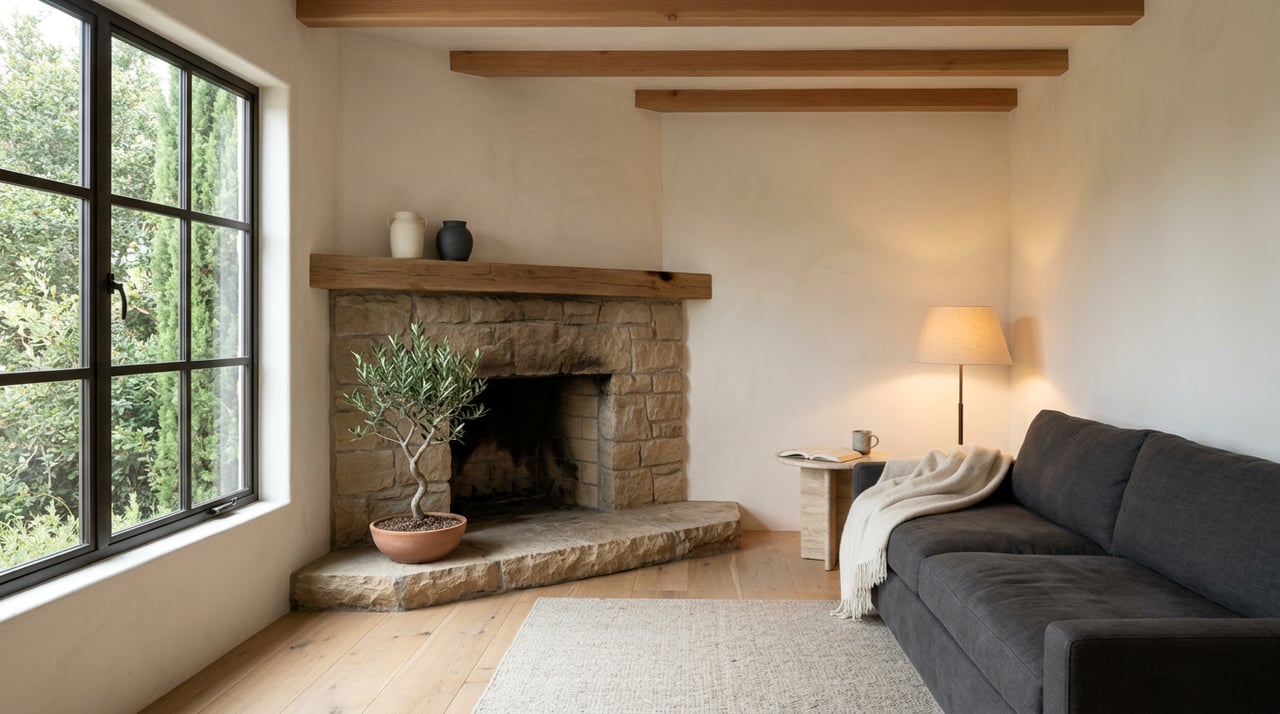
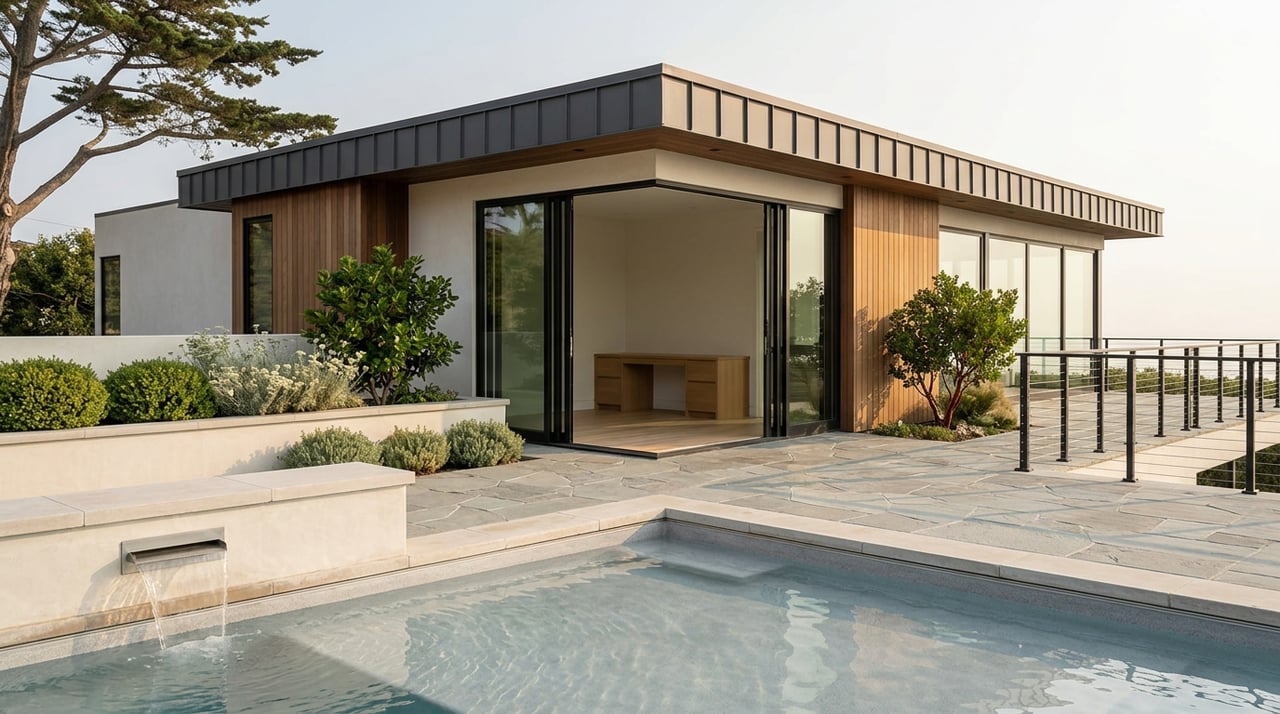
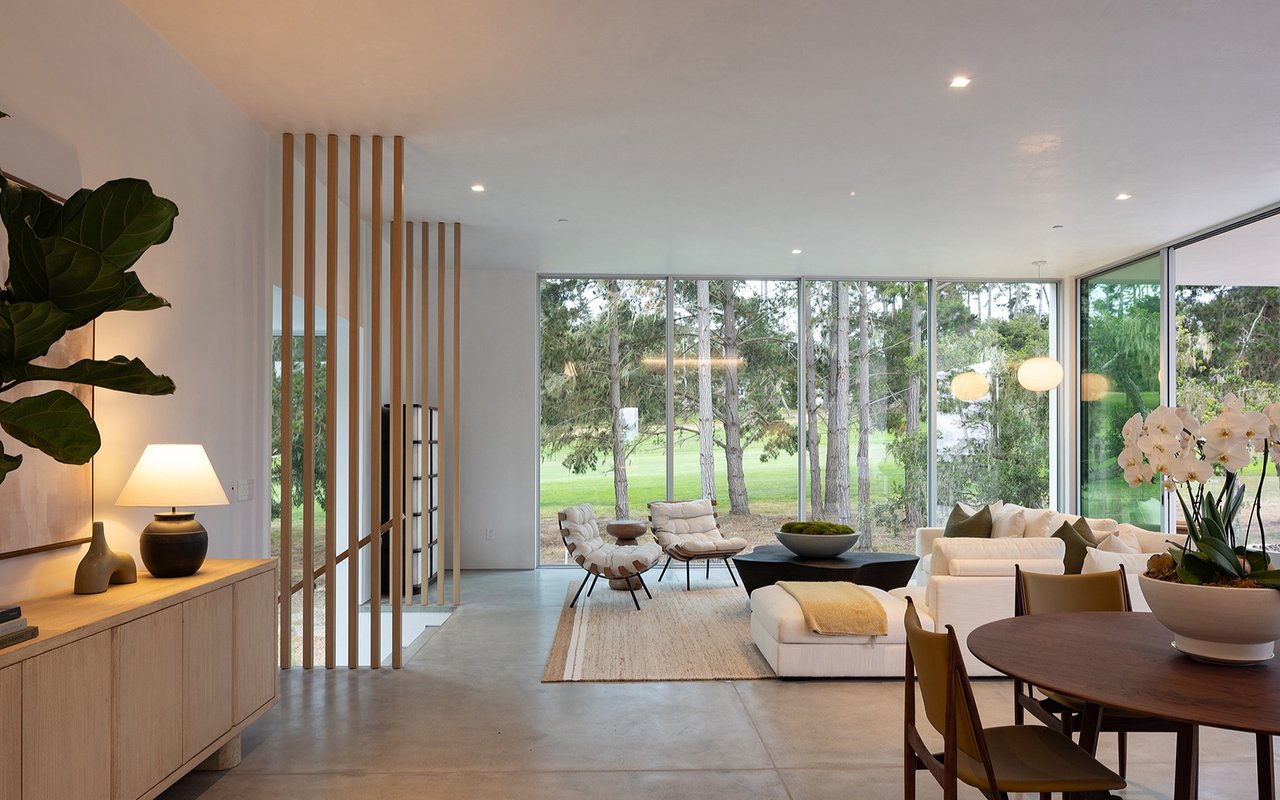
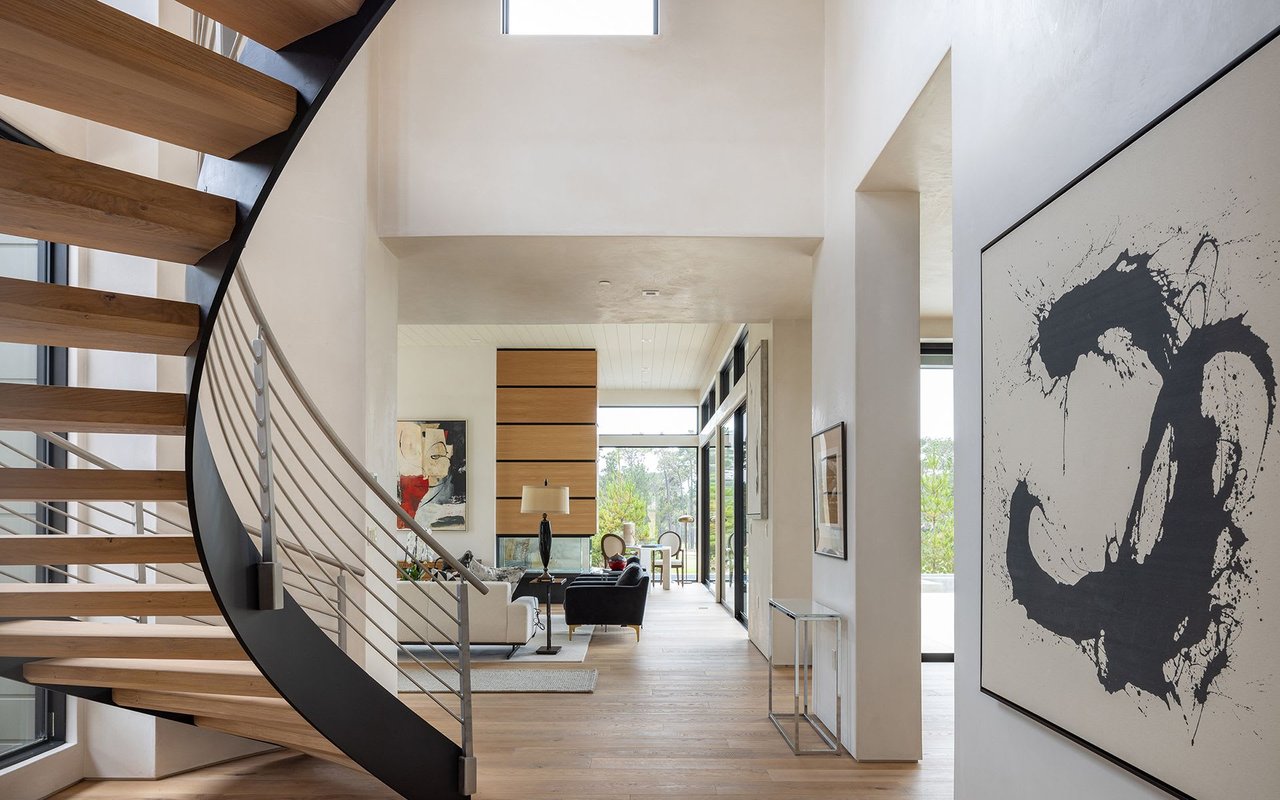
In Pebble Beach, luxury usually means calm, control, and discretion. The strongest rental positioning tends to center on privacy, suite-style sleeping, indoor-outdoor flow, serious kitchen and dining spaces, and an arrival experience that feels organized from the start.
This approach fits both the local guest profile and the local regulatory environment. It also supports long-term property stewardship, which is especially important for owners who may want to preserve sale flexibility in the future.
A Pebble Beach estate should feel like a well-run private residence. It should not be marketed or operated like an event venue or hotel substitute.
Monterey County Rules Shape the Strategy
Understanding the local framework
As of 2026, Monterey County regulates coastal vacation rentals under Section 20.64.290. The county defines a vacation rental as a residential property rented for 30 days or less.
For that use, operators need a Transient Occupancy Tax certificate and a Vacation Rental Operation License. For commercial whole-home rentals, the county also requires a use permit or coastal development permit plus a business license. Monterey County's transient occupancy tax is 10.5%.
Del Monte Forest has added limits
Pebble Beach sits within Del Monte Forest, where the rules are more specific. Monterey County allows vacation rentals only in certain Del Monte Forest zoning districts and lists a cap of 57 commercial vacation rentals under the Del Monte Forest Land Use Plan.
That cap alone makes positioning and planning more important. If your estate may qualify, you need a strategy that starts with feasibility, not marketing gloss.
Ownership structure matters
Monterey County states that the owner must be an individual or trustee to qualify for a vacation-rental license. Sole proprietorships and LLCs do not qualify.
For many high-value properties, this is a major planning point. Before you invest in staging, media, or rollout, it is smart to confirm whether the ownership structure supports your intended rental model.
Access and neighbor notice are part of the process
If the property uses private roads or shared driveways, the county requires easement documentation and a maintenance agreement, and it may ask for proof of access if a substantive dispute exists. The county also requires mailed notice to property owners within 300 feet once an application is approved.
That means the operational side of a luxury rental begins well before guest arrival. Access, documentation, and neighborhood context all play a role.
Not Every Property Type Qualifies
Monterey County limits eligible vacation-rental properties to detached single-family dwellings, including some manufactured homes on permanent foundations. The county excludes duplexes, condominiums, multifamily dwellings, ADUs, and JADUs, along with several other property types.
For Pebble Beach owners, this is a simple but important filter. Before discussing pricing or guest demand, the first question should be whether the home itself fits the county's eligibility standards.
Presentation Begins With Compliance
Luxury presentation in Pebble Beach starts with readiness. County application materials require items such as a site plan, floor plans, evacuation maps, waste, sewer, and water documentation or water-quality proof, plus a third-party home inspection.
The county's inspection checklist also looks for functional smoke alarms, carbon monoxide alarms, a serviced fire extinguisher, safe egress, GFCI protection in kitchens and baths, proper water-heater strapping, active garbage service, and overall sanitary condition. In other words, the first layer of luxury is not visual. It is operational confidence.
What guests notice right away
Once the basics are in place, the strongest estate rentals usually stand out in a few practical ways:
- Clear arrival instructions
- Well-planned parking
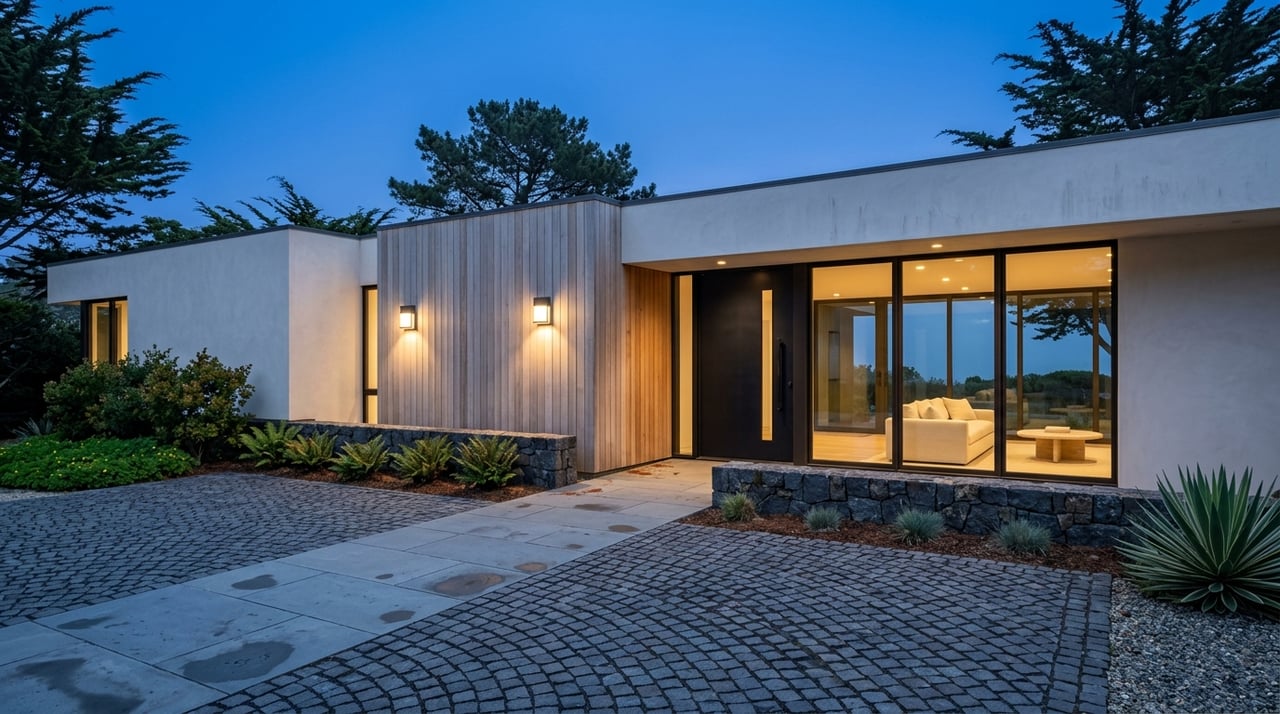
- Privacy from the moment guests enter the property
- Strong indoor-outdoor flow
- Turnkey condition on day one
- Gathering spaces that support dining and conversation
These details matter because Pebble Beach guests are often traveling for a specific experience. They want the home to feel effortless, polished, and ready without friction.
Marketing a Pebble Beach Estate Carefully
The home should lead the story
Pebble Beach has powerful name recognition, but your marketing should stay focused on the residence itself. Del Monte Forest roadways are privately owned, right of passage is by permission, motorcycles are prohibited, and drones are not allowed on 17-Mile Drive materials.
Pebble Beach materials also state that no commercial use, including photographs or paintings of Pebble Beach Company property such as The Lone Cypress, is permitted without prior written consent. For owners, that means your media strategy should be built around the estate, its architecture, its grounds, and its lifestyle fit.
Great marketing should support discretion
In a market like this, high production value still needs restraint. Professional visuals, thoughtful staging, and lifestyle storytelling can elevate a listing, but the tone should remain discreet and accurate.
That is especially true for estate-scale homes, oceanfront residences, and gated properties where privacy is part of the value. The goal is not to overpromise. It is to present the property in a way that attracts the right guest profile.
Best-Fit Guests for a Pebble Beach Estate
A Pebble Beach luxury rental is most likely to appeal to travelers who already understand the destination and want a private residential stay. Based on local tourism and event patterns, the best-fit groups often include:
- Golf travelers and pro-am spectators
- Concours attendees and automotive collectors
- Food-and-wine travelers
- Retreat and offsite groups seeking an upscale setting
- Scenic leisure travelers planning multi-day coastal stays
For these guests, the home should be positioned as a private base for a destination-driven stay. That framing aligns with local demand while helping protect the property's condition and reputation.
When a Short-Term Rental Is Not the Best Fit
Not every Pebble Beach estate should pursue a standard short-term vacation-rental model. Between Del Monte Forest caps, licensing requirements, ownership rules, and operational expectations, some owners may be better served by a lighter-touch approach.
Monterey County allows homestays and limited vacation rentals countywide without caps. A limited vacation rental may be rented no more than three times per 12 months, while a homestay requires the owner to stay in the home.
The county also states that rentals offered for 31 days or longer are not regulated by its Housing and Community Development department. For some owners, a monthly or seasonal strategy can preserve privacy, reduce operational strain, and still align with luxury demand in Pebble Beach.
The Strongest Strategy Is Usually the Most Disciplined
A recent commercial vacation-rental permit file in Pebble Beach shows how closely county staff may review issues such as occupancy, parking, emergency-response times, 24/7 local contact coverage, private-road access, and even a condition preventing use as a corporate or private event venue. While that file is one case example, it points to a clear local standard.
The safest long-term approach is to treat your estate as a high-value residential asset with disciplined rental use. That means matching the right rental model to the property, prioritizing compliance, screening for fit, and presenting the home in a way that protects both guest experience and future value.
If you own a Pebble Beach estate, the real opportunity is not just to rent it. It is to position it thoughtfully, so the home performs well while remaining protected, marketable, and true to the standards of the area.
If you are considering how to position a Pebble Beach estate for short-term stays or longer seasonal use, Tim Allen can help you shape a strategy that reflects the property, the market, and the level of service luxury guests expect.
FAQs
What makes a Pebble Beach estate attractive as a luxury rental?
- The strongest appeal usually comes from privacy, turnkey condition, quality gathering spaces, parking, and a location that supports golf, event, leisure, or retreat travel.
What are the Monterey County rules for Pebble Beach vacation rentals?
- Monterey County regulates rentals of 30 days or less under Section 20.64.290, and operators may need a TOT certificate, a Vacation Rental Operation License, and for commercial whole-home rentals, additional permits and a business license.
Are there Del Monte Forest limits on Pebble Beach vacation rentals?
- Yes. Monterey County allows vacation rentals only in certain Del Monte Forest zoning districts and lists a cap of 57 commercial vacation rentals under the Del Monte Forest Land Use Plan.
What property types can qualify for a Pebble Beach vacation-rental license?
- Monterey County limits eligibility to detached single-family dwellings, including some manufactured homes on permanent foundations, and excludes property types such as condos, duplexes, multifamily homes, ADUs, and JADUs.
Can an LLC own a Pebble Beach vacation rental license?
- No. Monterey County states that the owner must be an individual or trustee, and that sole proprietorships and LLCs do not qualify for a vacation-rental license.
Is a monthly Pebble Beach lease treated the same as a short-term rental?
- No. Monterey County states that rentals offered for 31 days or longer are not regulated by its Housing and Community Development department, which may make a longer-term strategy worth considering for some owners.