If you are thinking about using your Carmel-by-the-Sea property part of the year and renting it the rest, the biggest question is not design or revenue. It is whether the home can legally be rented on a transient basis at all. Once you understand that first step, you can make smarter choices about scheduling, upgrades, and guest experience without creating compliance risk. Let’s dive in.
Start With Carmel's Rental Rules
In Carmel-by-the-Sea, a transient rental is a residential unit occupied for less than 30 consecutive days. That definition matters because it shapes how you plan owner stays, guest bookings, and even your rental agreements.
The city prohibits short-term rentals in the single-family R-1 district. In commercial zoning districts, transient rentals are limited to legal nonconforming permits that predate Ordinance 2019-03 and certain housing-incentive permits tied to new rental-housing creation.
That means you should not assume a home can generate nightly or weekly income just because it is in a desirable location. In Carmel, legal status comes first. Before you think about rates, occupancy, or seasonal demand, you need to confirm the property's actual entitlement.
Why permit status shapes your strategy
A valid transient-rental entitlement can make a major difference in how you use the property. The city states that legal nonconforming transient-rental permits are allowed in perpetuity and may transfer to a new owner with the property.
For an owner, that can be central to the long-term value equation. It affects not only rental potential, but also how you balance personal enjoyment with income planning over time.
What commercial-district operators must handle
If a property operates as a permitted transient rental in Carmel's commercial districts, the operator must obtain a business license and a Transient Occupancy Registration Certificate. The operator must also collect Carmel's 10 percent transient occupancy tax and remit it on a bi-monthly basis.
Those requirements are a reminder that rental use is an operating business, not just a calendar decision. If you want a property to serve you personally and perform well as a rental, the back-end systems need to be just as thoughtful as the interiors.
Build Your Calendar Around Personal Use
Once permit status is confirmed, the most practical way to balance owner enjoyment and rental income is simple. Block your personal-use dates first, then open the remaining permitted nights to guests.
This approach gives you control over holidays, family visits, and peak coastal weekends before the booking calendar fills in. It also reduces the chance that you will treat the home like a hotel first and your own retreat second.
Leave room for operations
A mixed-use calendar should include more than owner stays and guest reservations. You also need time for cleaning, turnovers, maintenance, inspections, and tax reporting.
In a luxury setting, those buffers matter. A packed calendar may look efficient on paper, but it can make it harder to maintain presentation standards, resolve repairs quickly, and deliver a seamless guest experience.
Match bookings to the permit category
Because Carmel's transient-rental definition turns on stays of less than 30 consecutive days, your booking calendar and contract language should align with the property's actual permit category. That is especially important if you are weighing shorter bookings against longer seasonal use.
If the property does not have valid transient-rental entitlement, you should not assume nightly or weekly rental income. In that situation, any longer-term leasing strategy should be reviewed with the appropriate professional guidance before you market the home.
Design For Daily Living And Guest Appeal
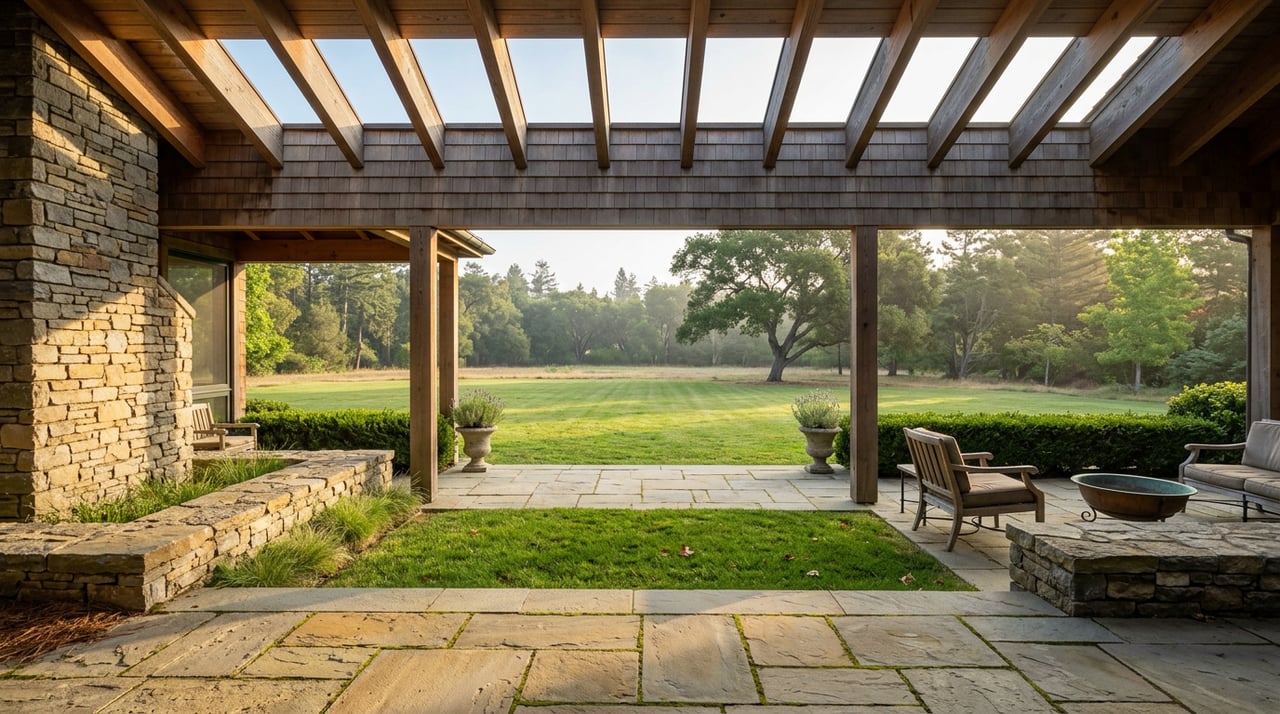
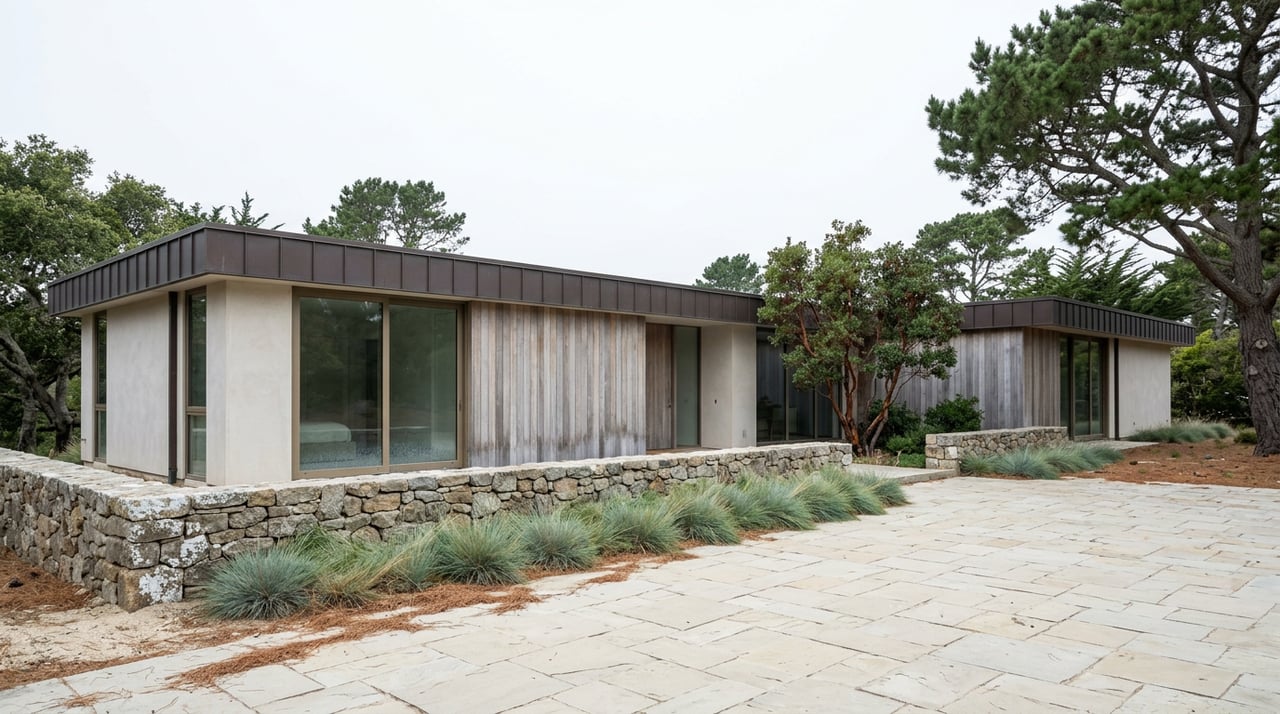
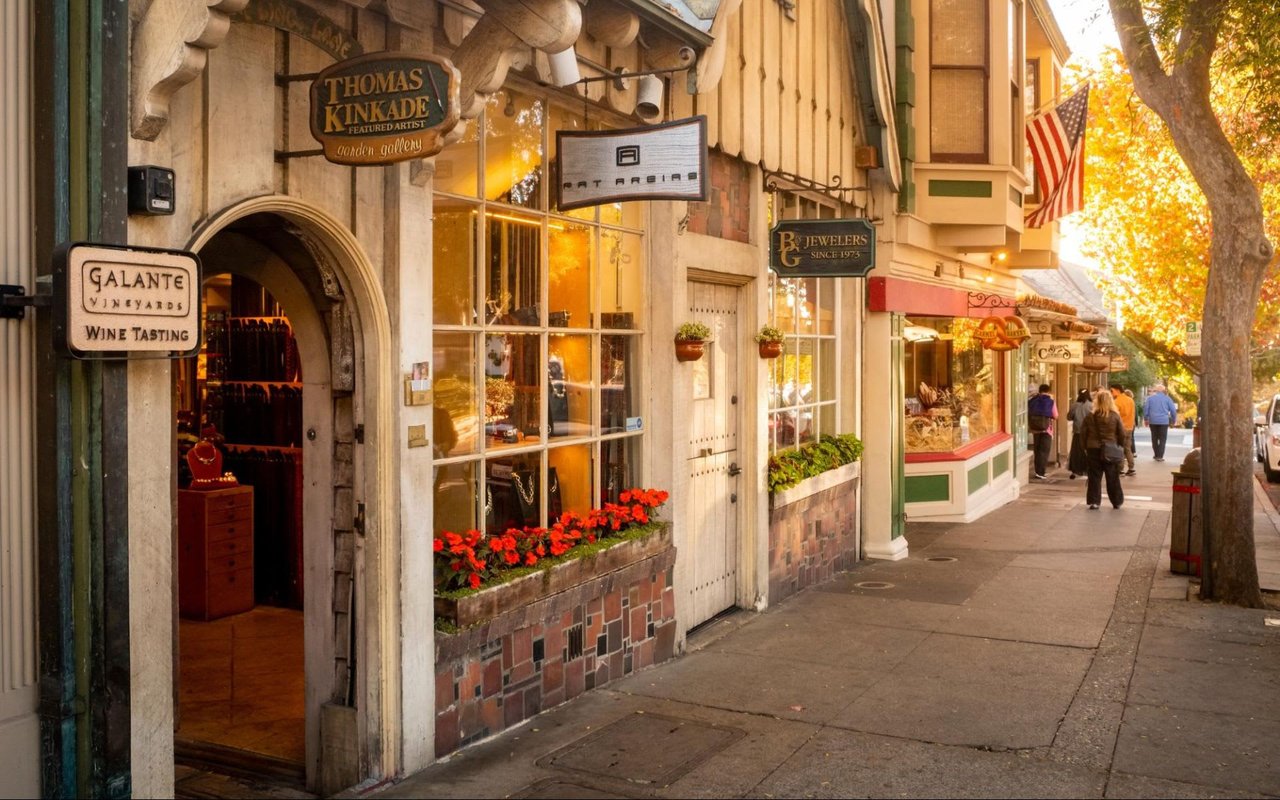
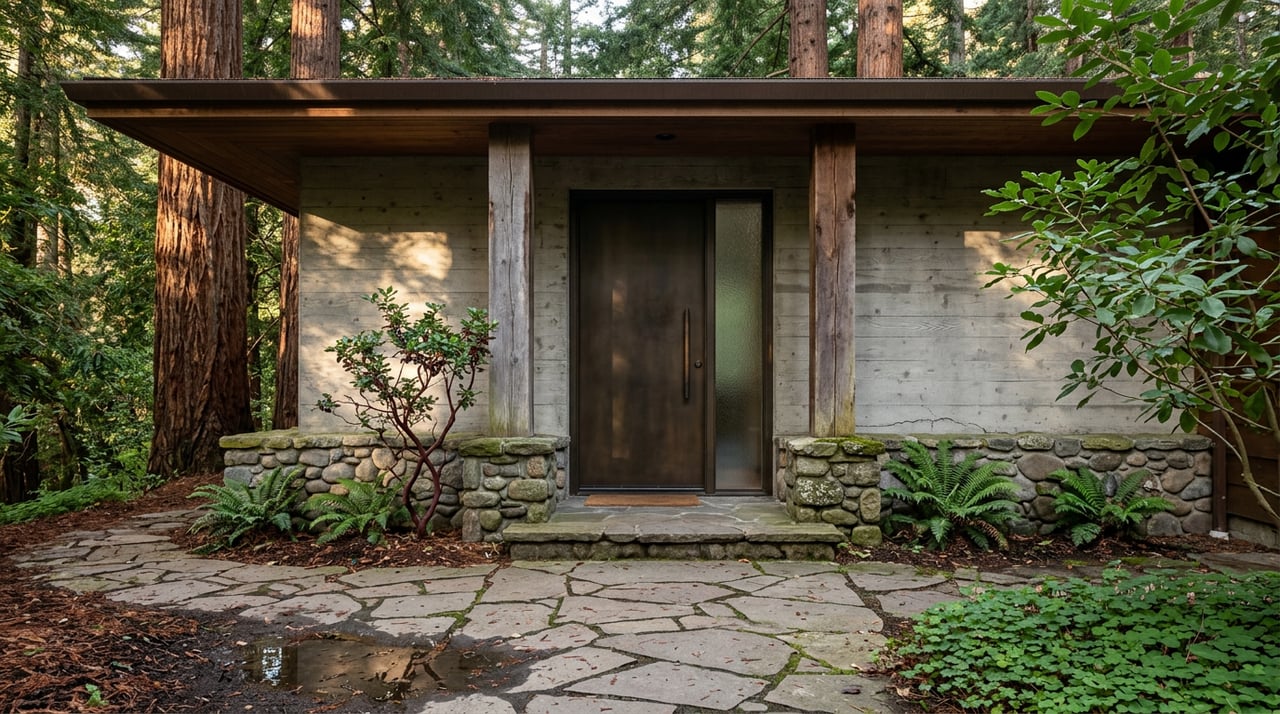
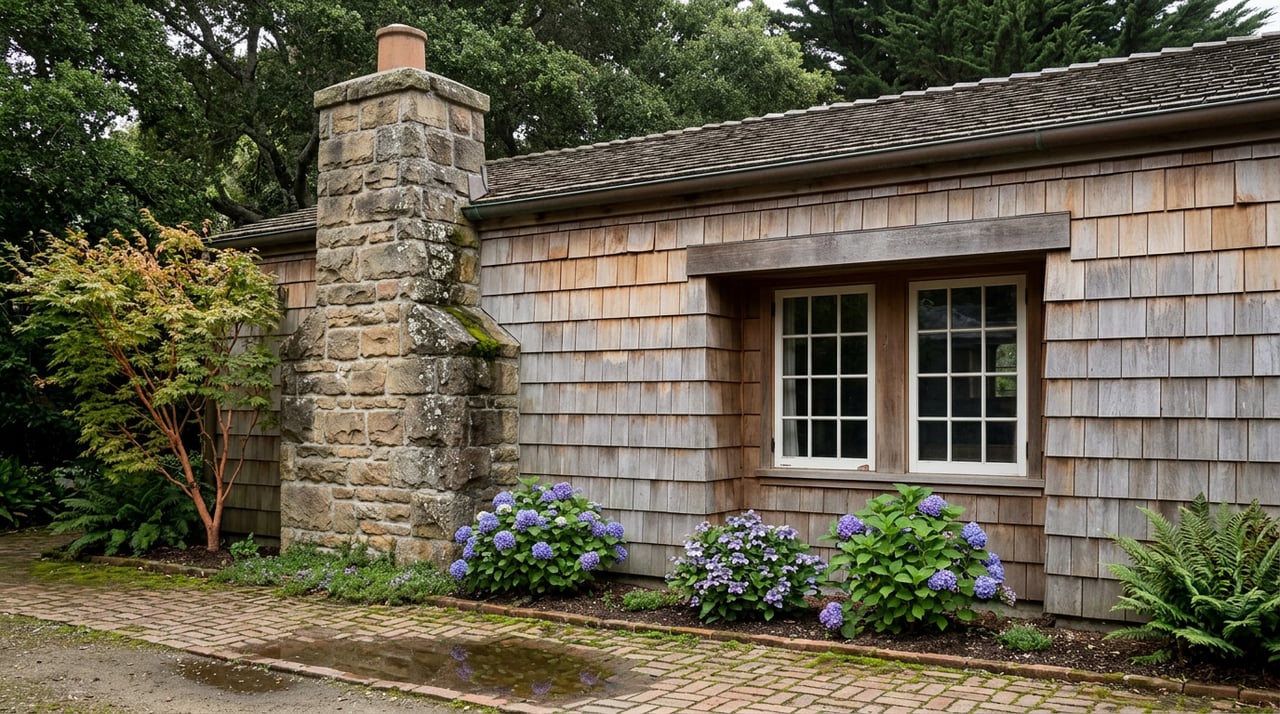
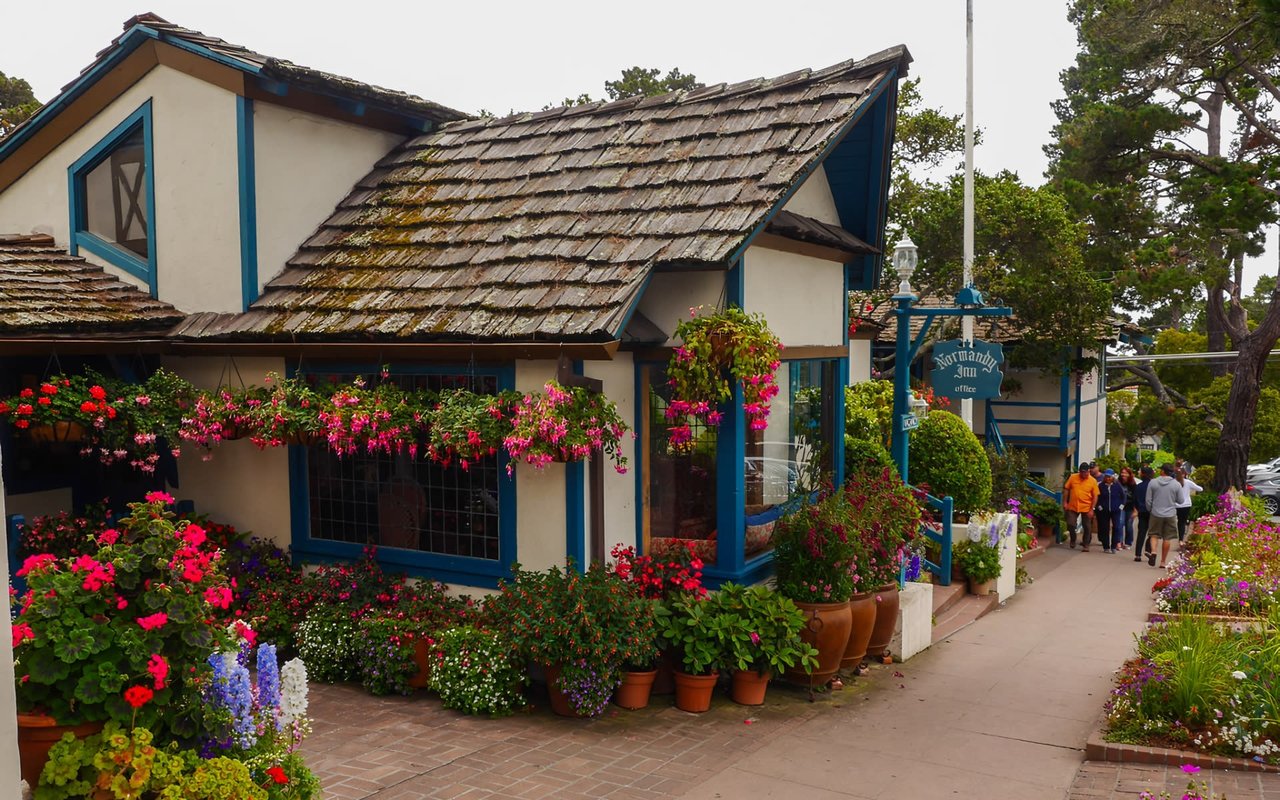
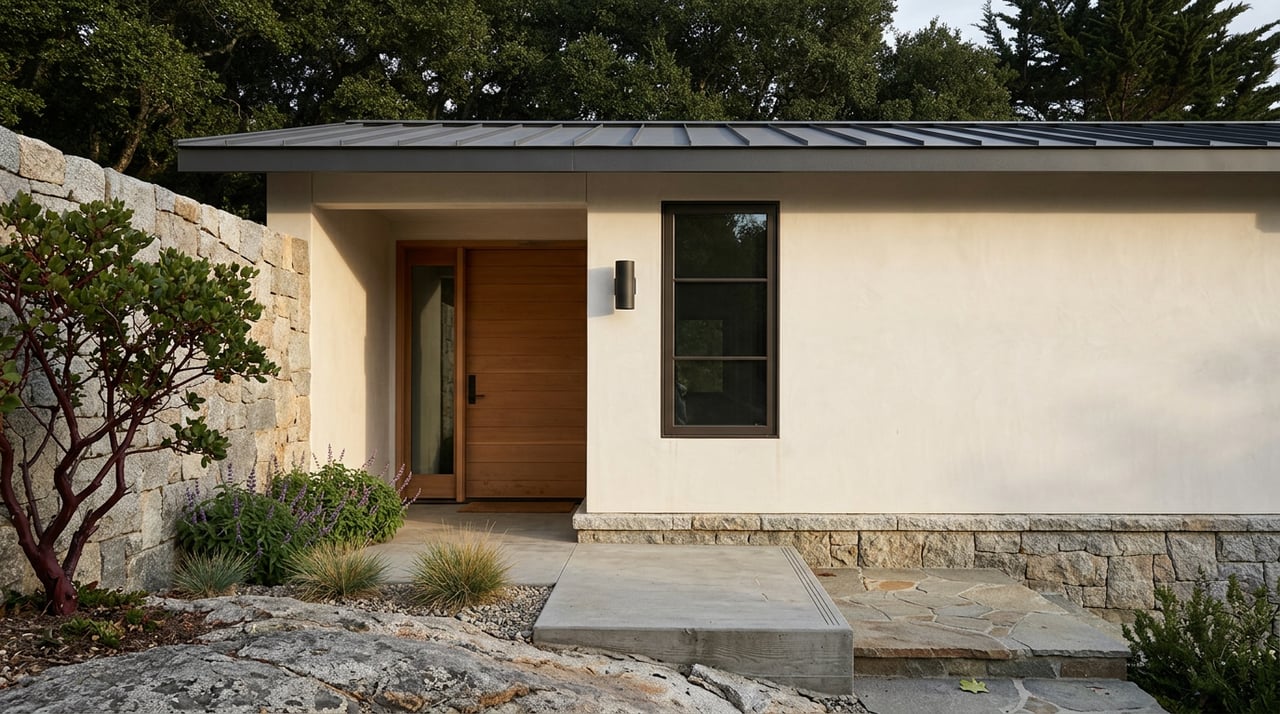
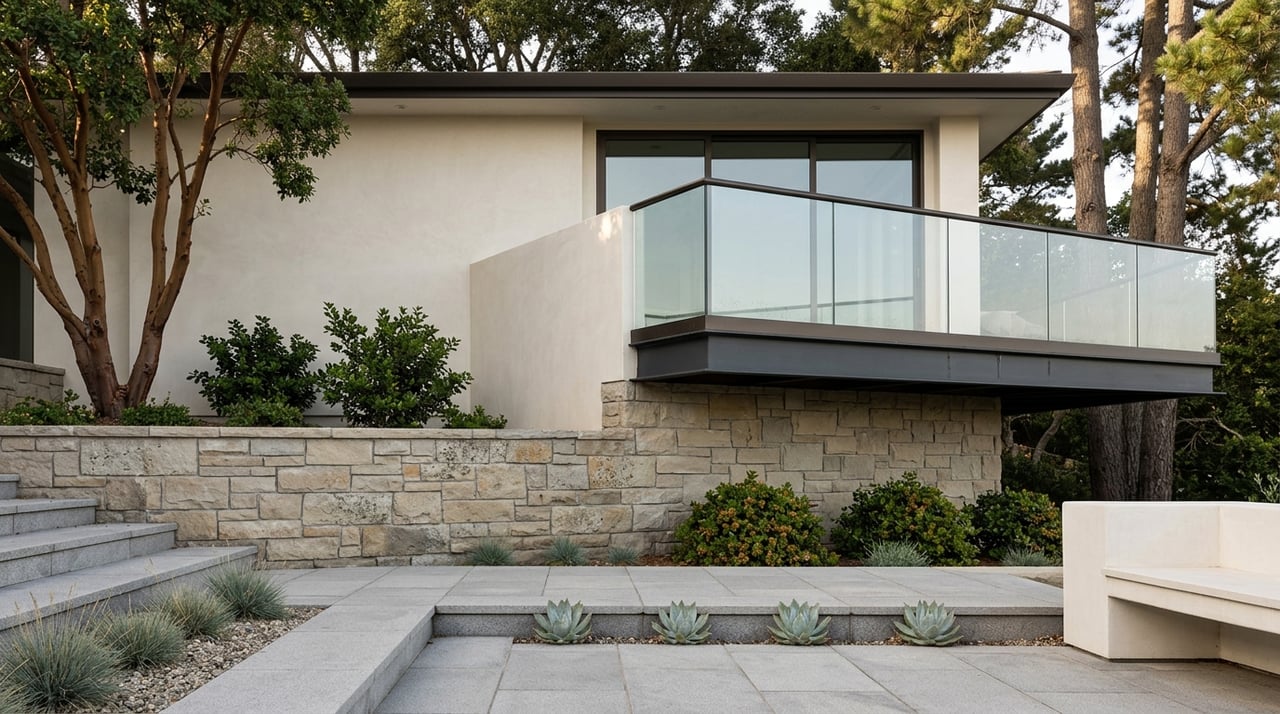
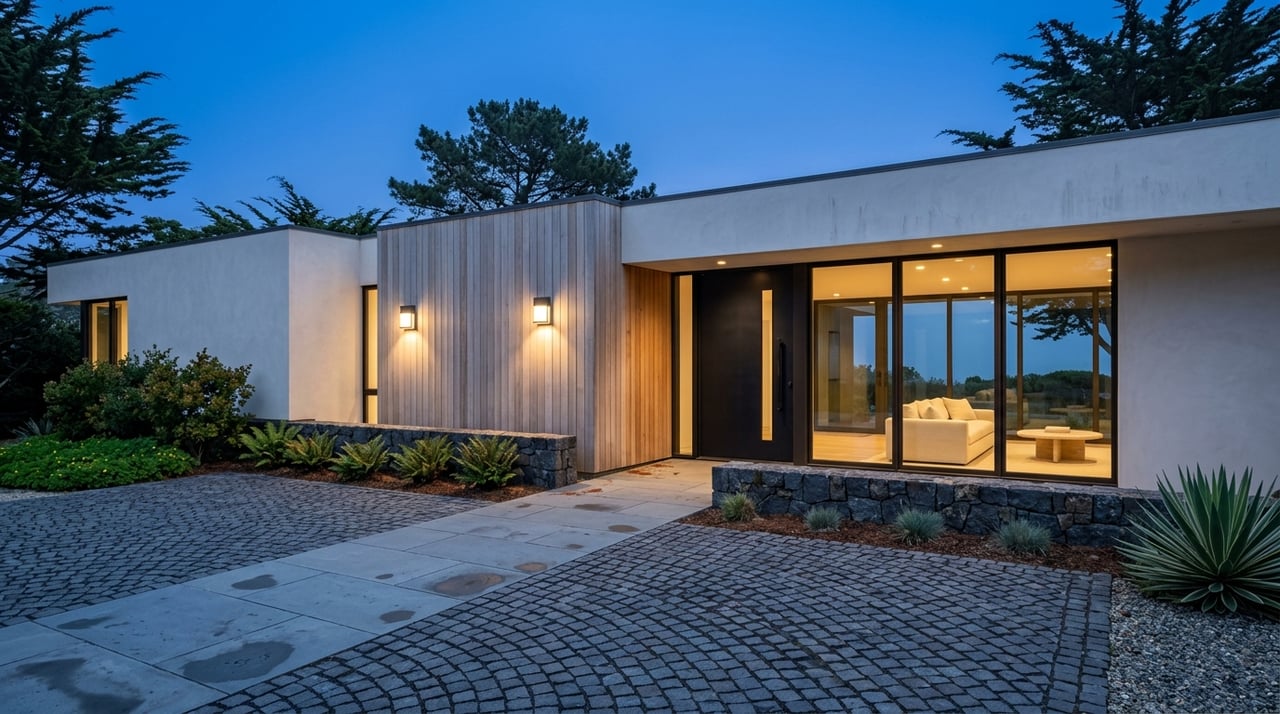
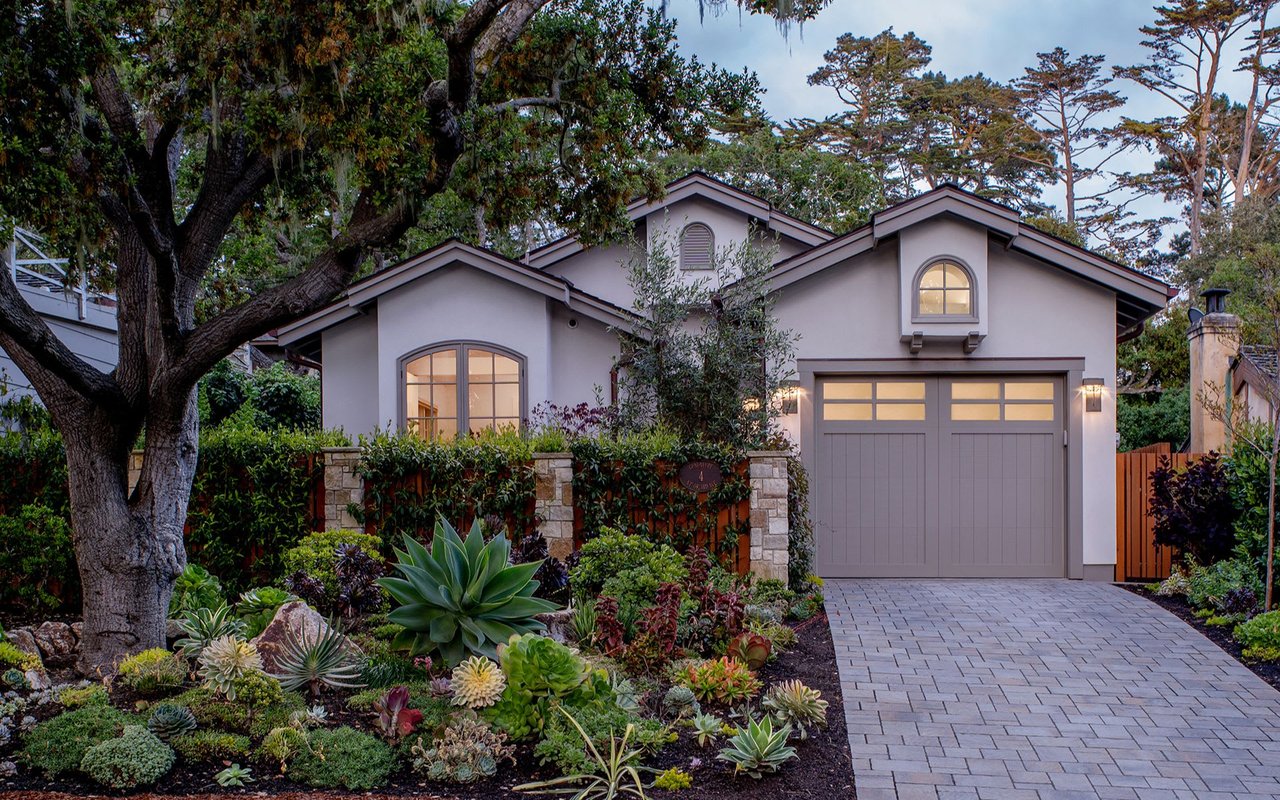
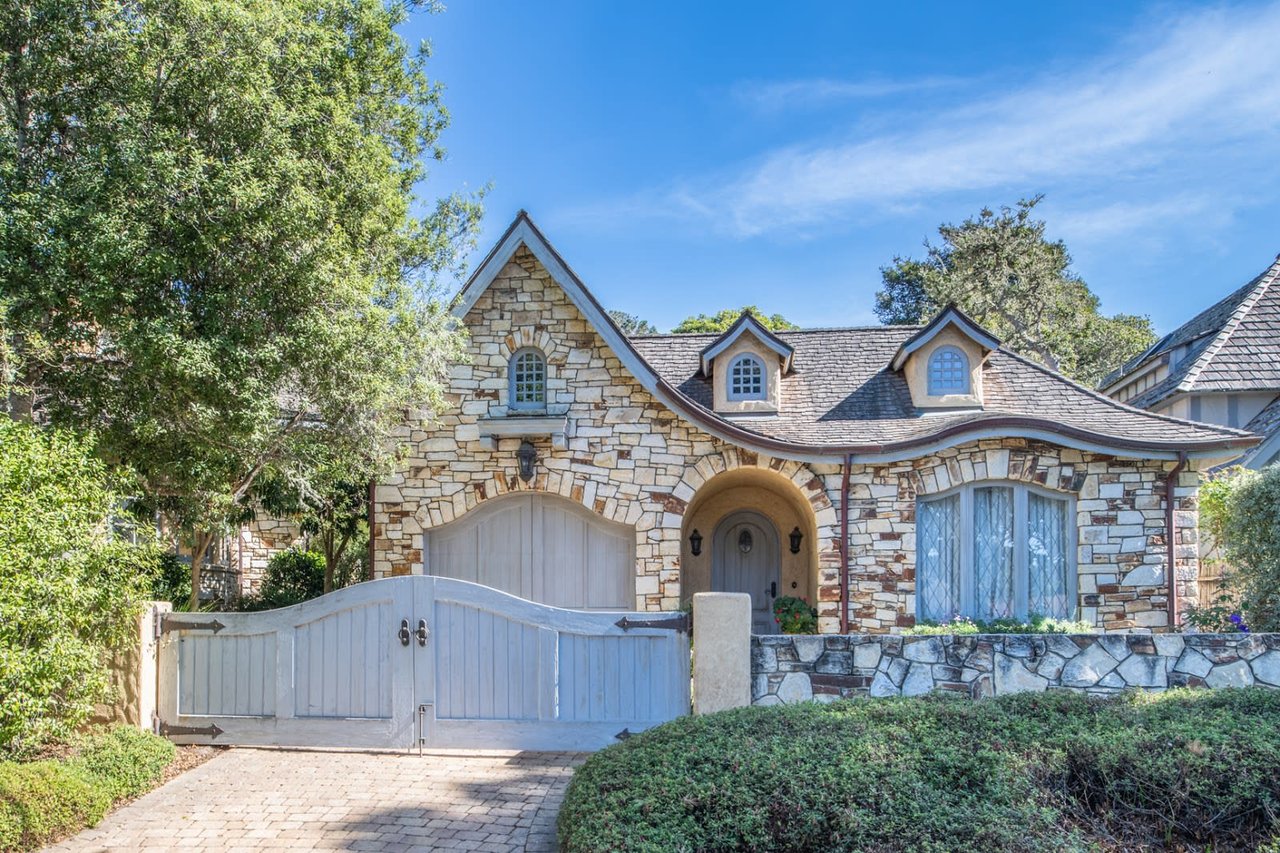
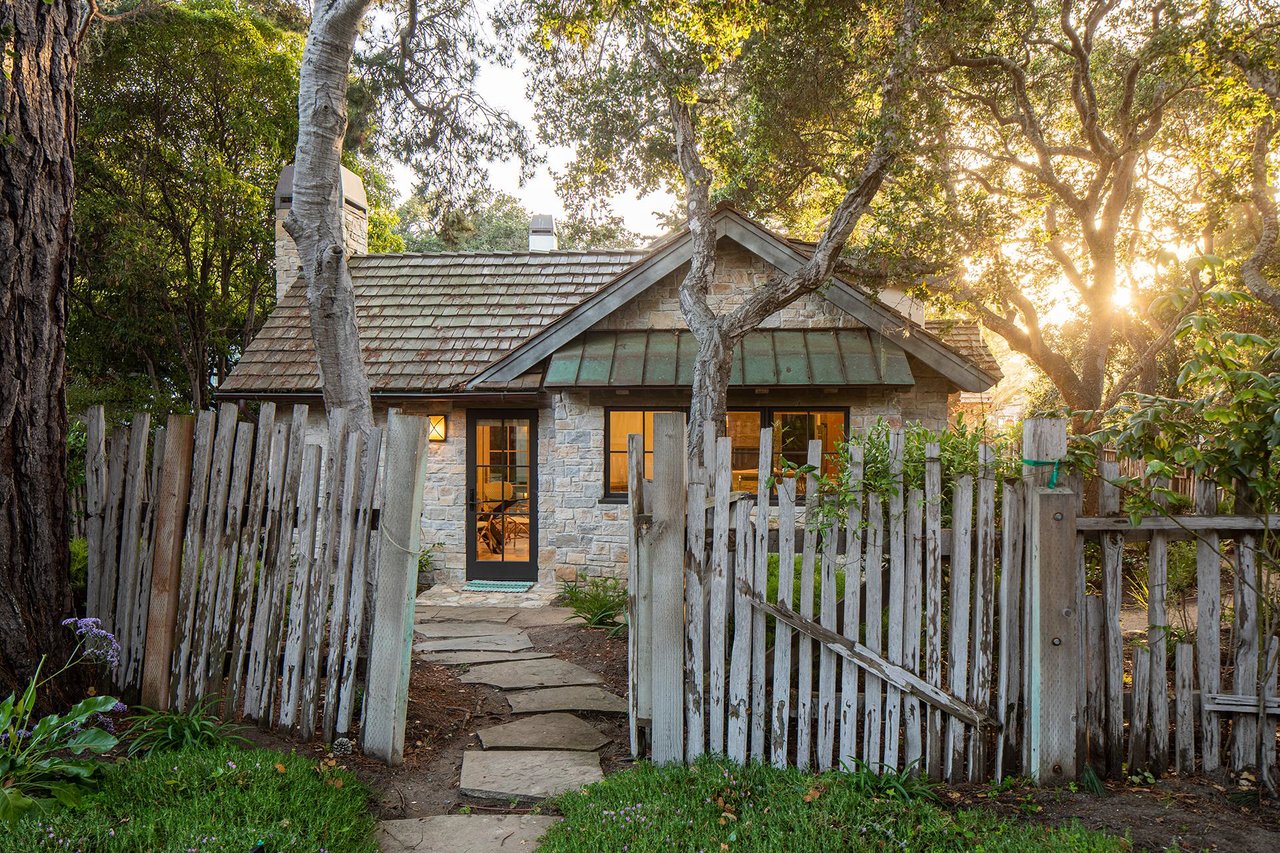
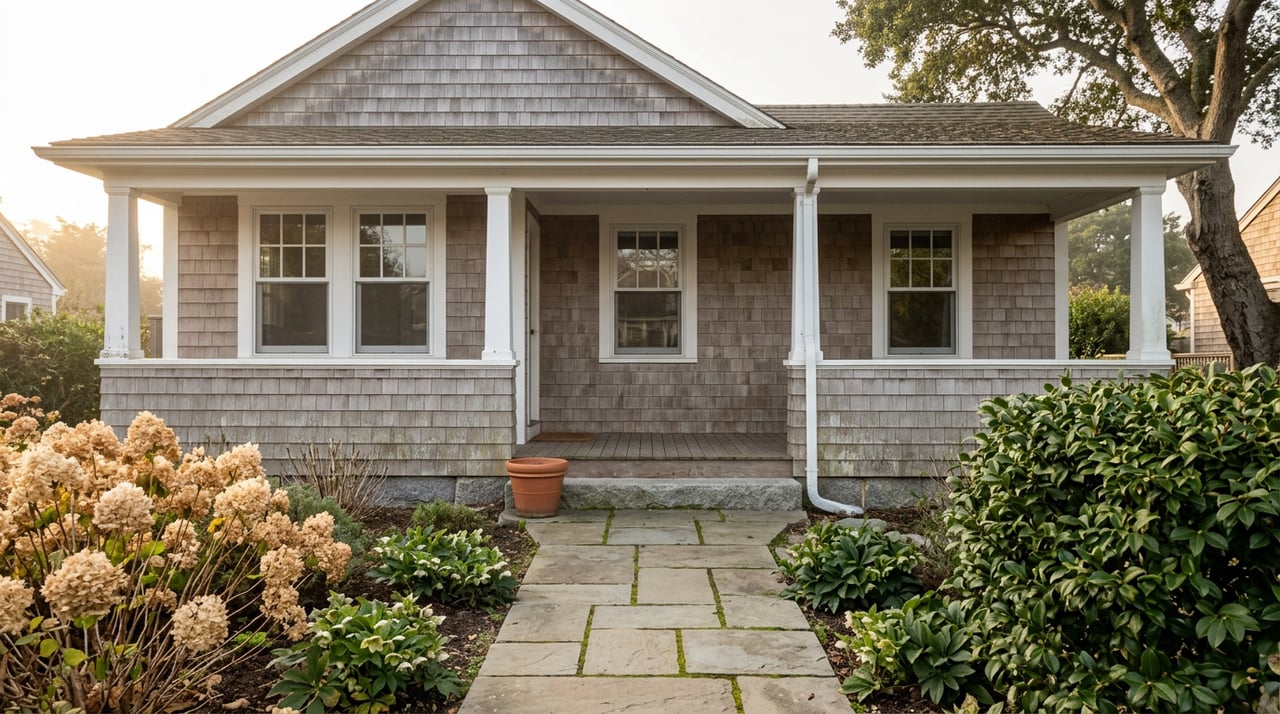
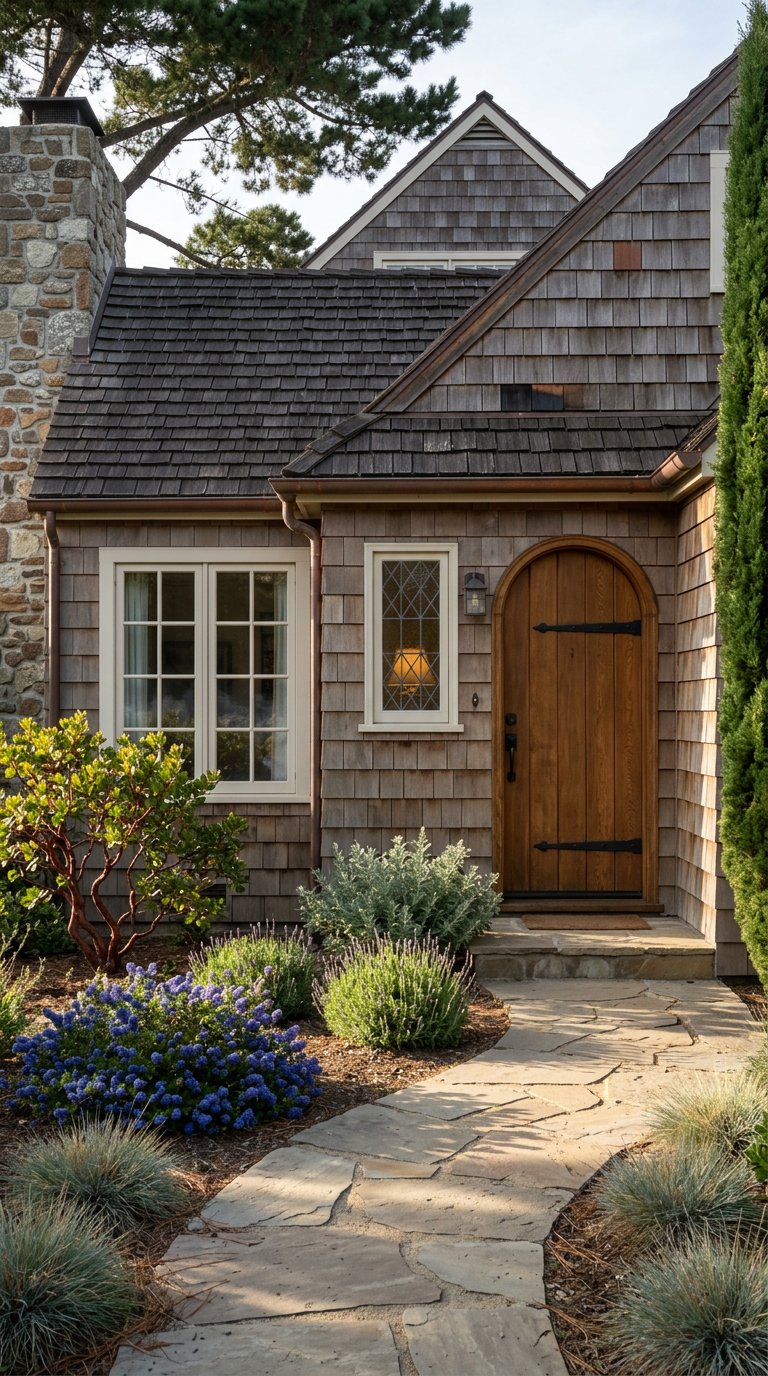
Carmel's appeal has always been tied to its village character, modest scale, courtyards, open space, and landscaping. If you want a property to work for both personal use and rentals, the strongest approach is usually not flashy. It is thoughtful, site-sensitive, and easy to enjoy.
The city's residential design guidance favors simple design, following natural contours, minimizing excavation and fill, limiting the visual impact of retaining walls, and preserving drainage patterns. For owners, that often translates to a home that feels calm, grounded, and manageable.
Choose improvements that support both uses
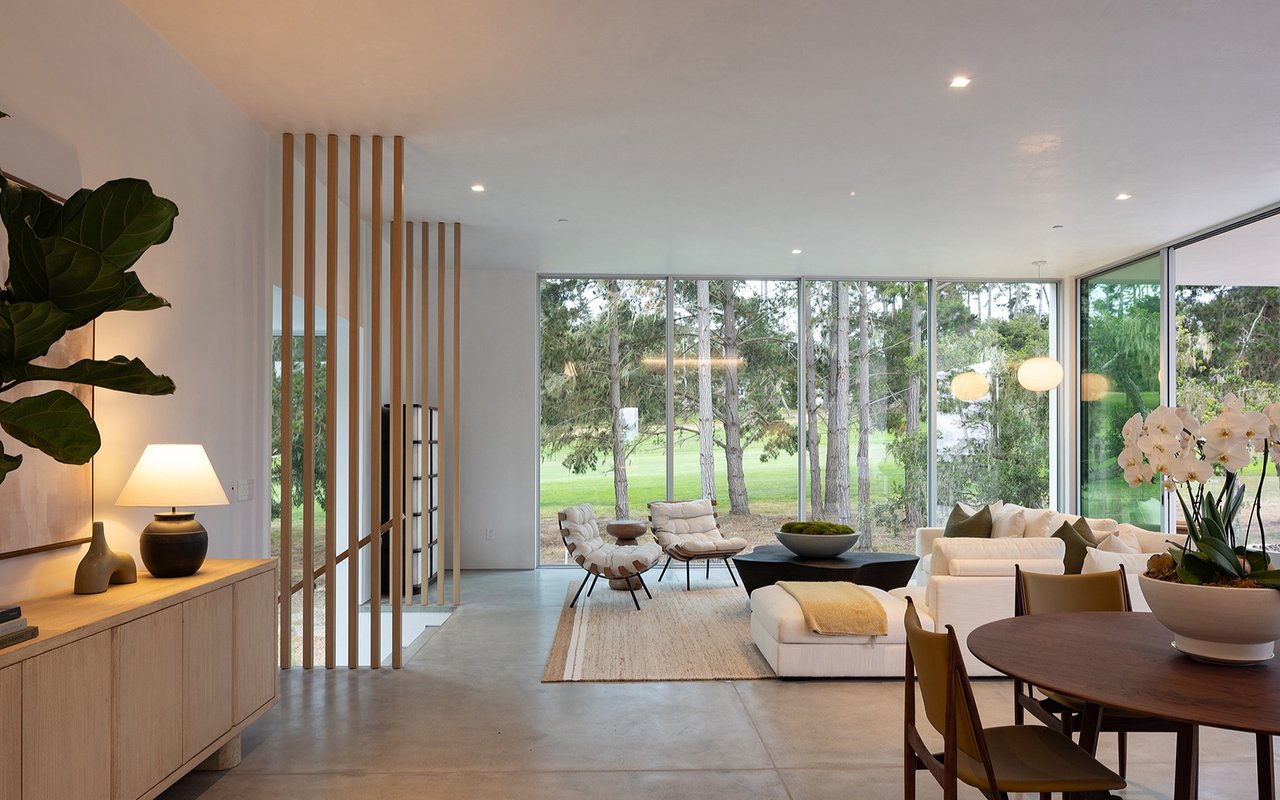
The best dual-purpose upgrades are the ones that improve your daily lifestyle while also photographing and showing well to guests. Research highlighted strong appeal for features such as:
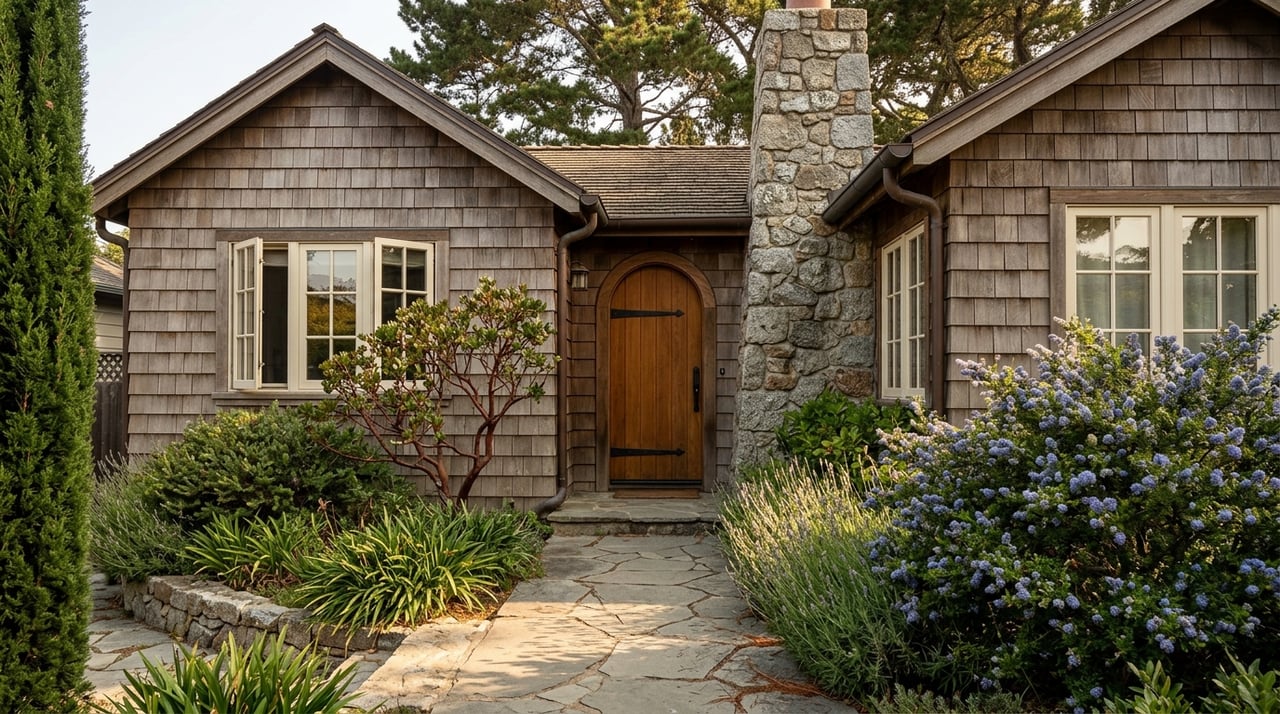
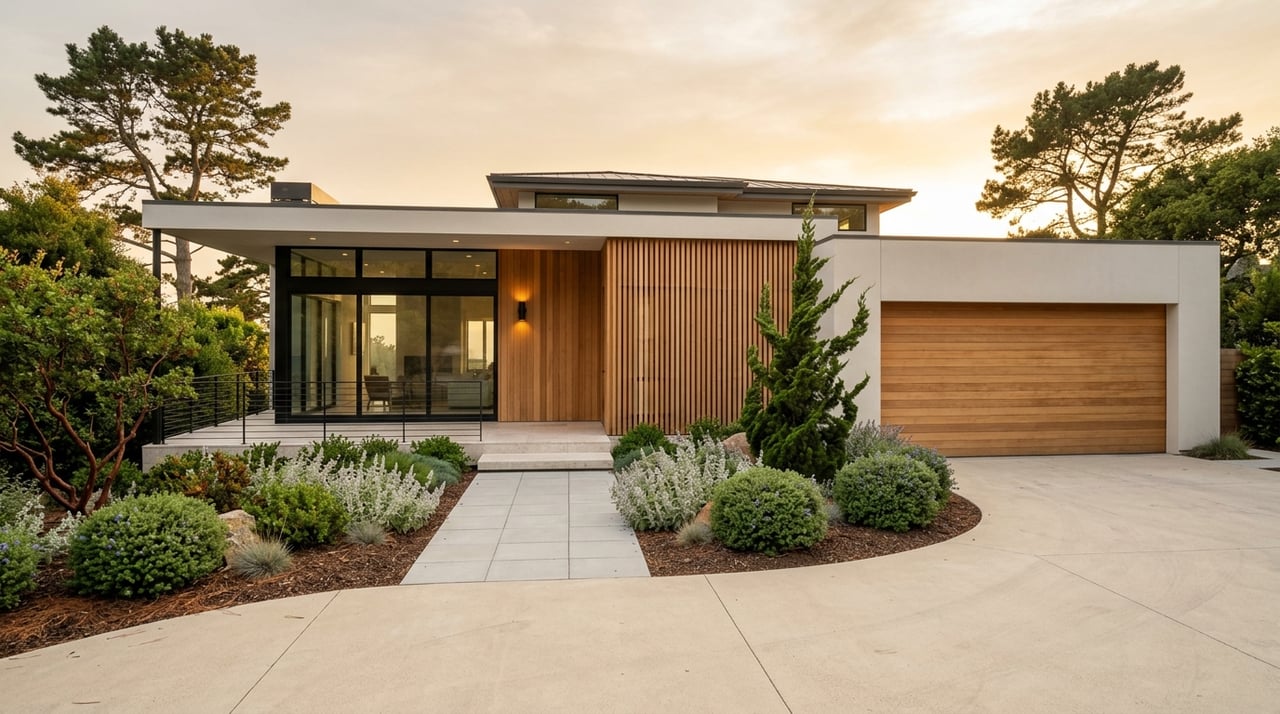
- Landscaping that enhances arrival and outdoor living
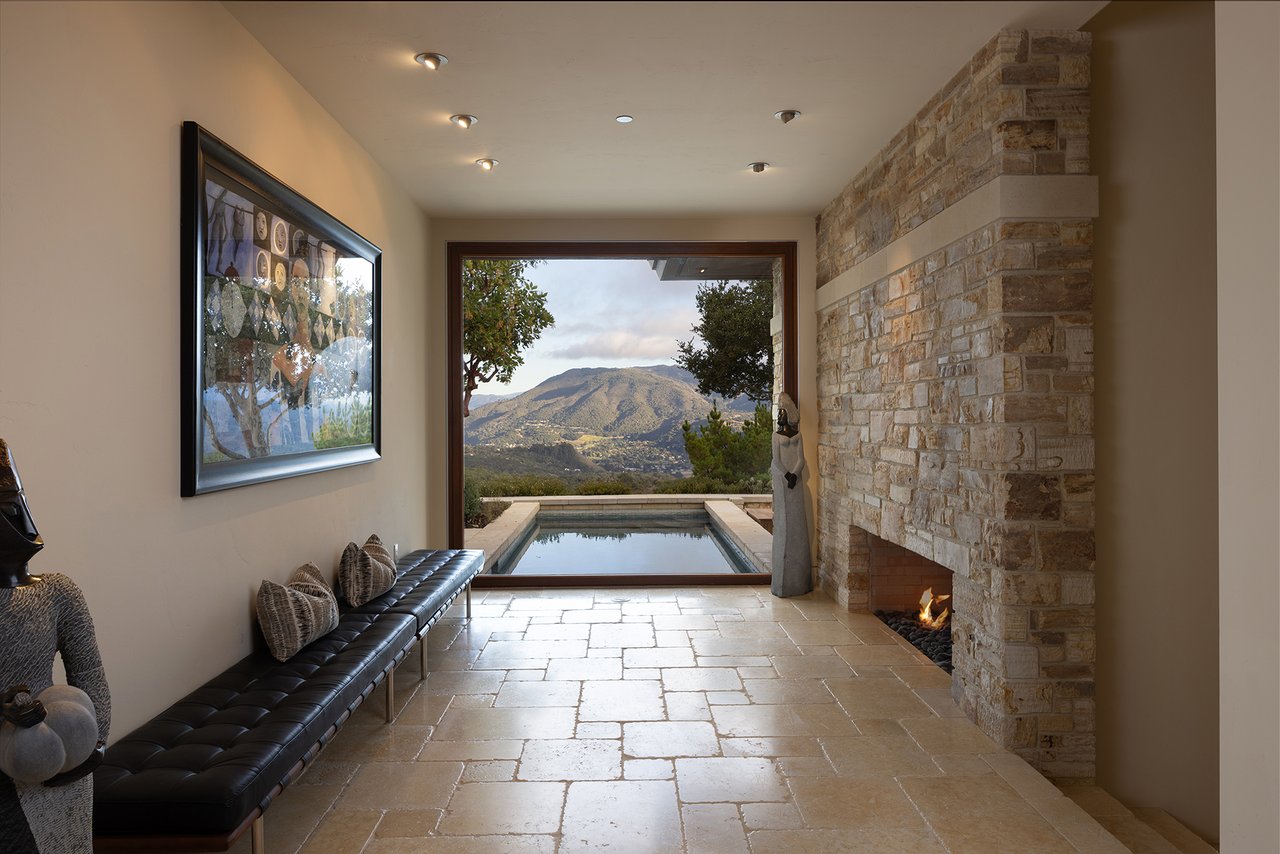
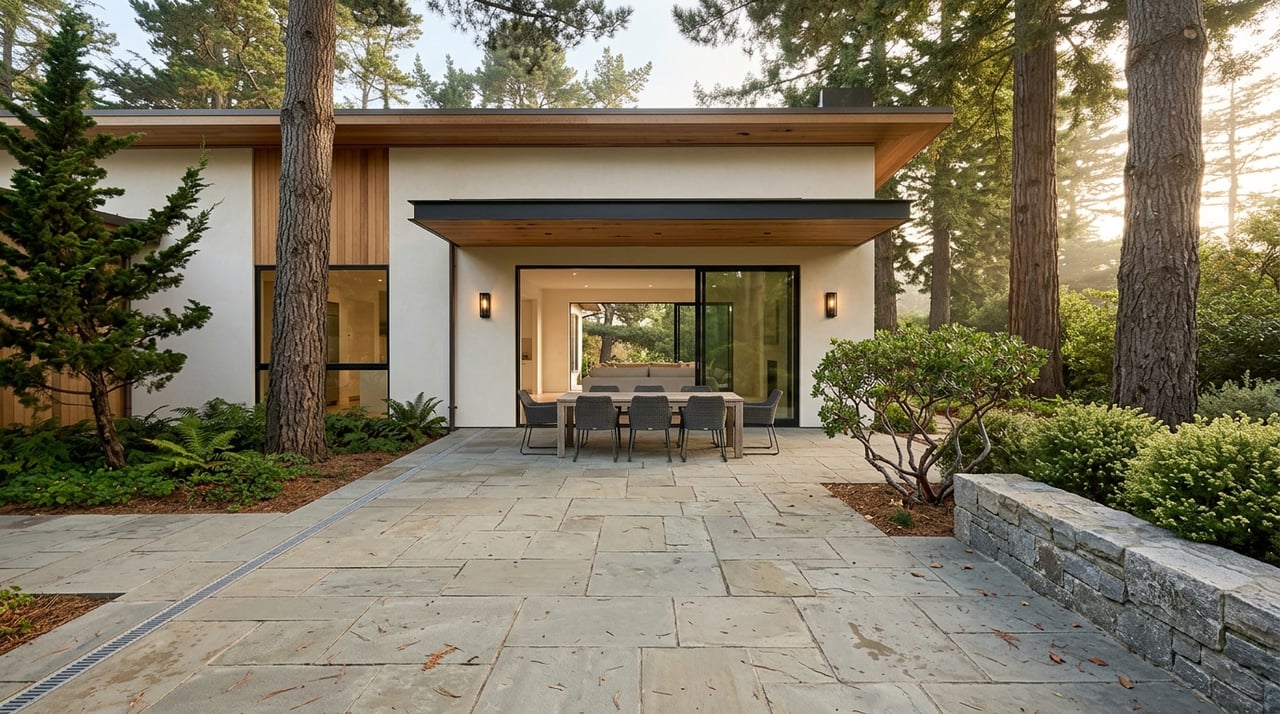
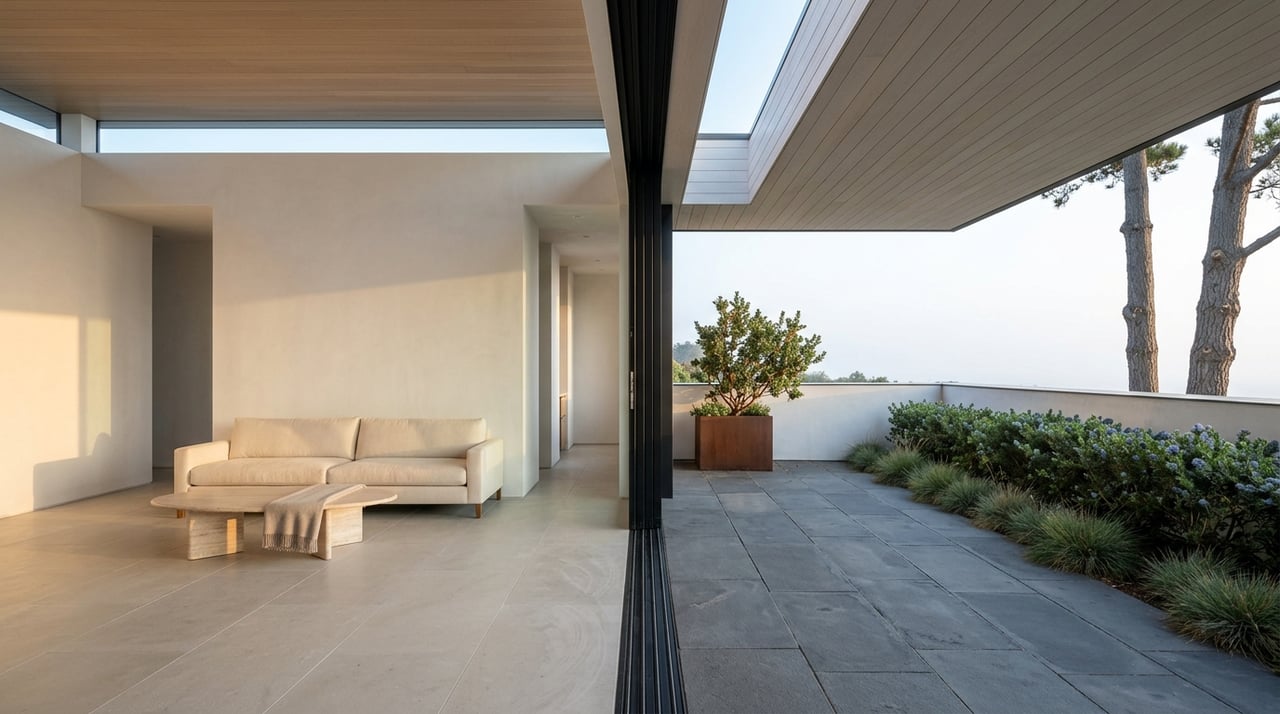
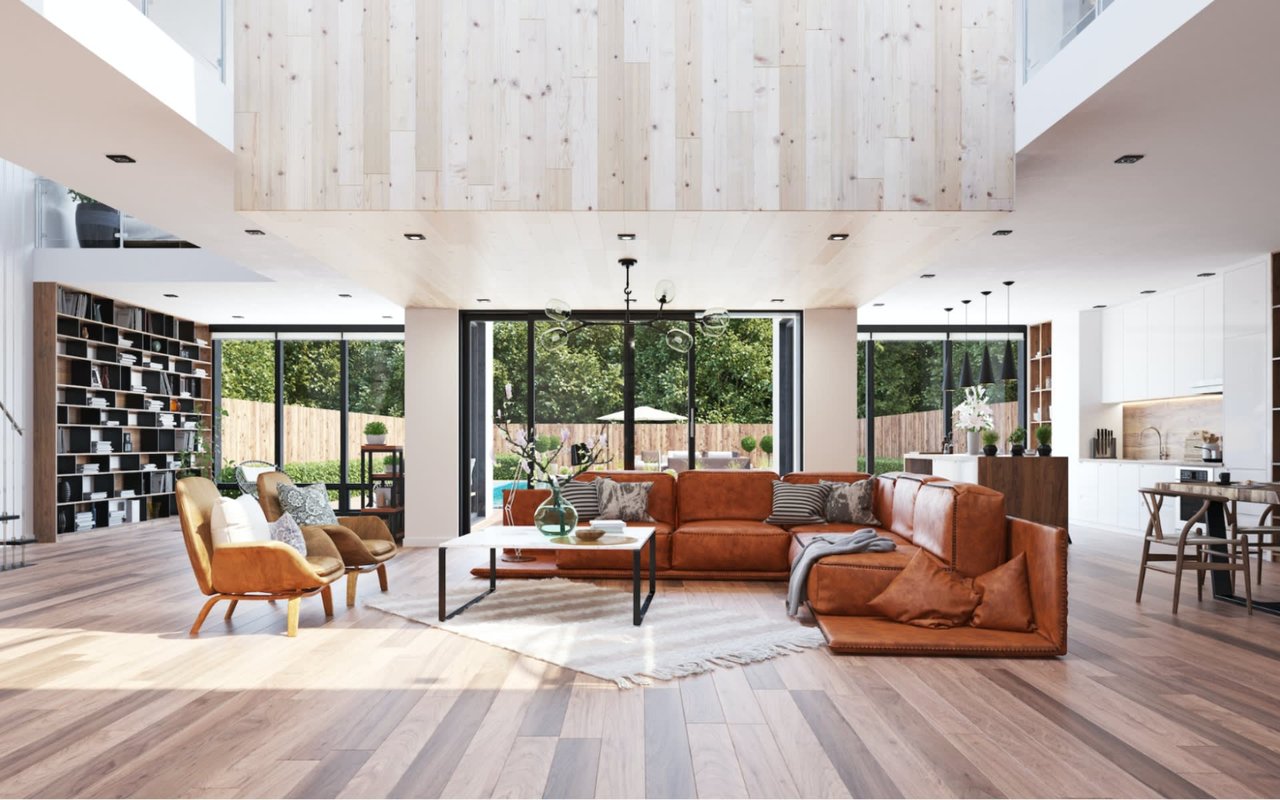
- Indoor/outdoor spaces that feel ready for entertaining
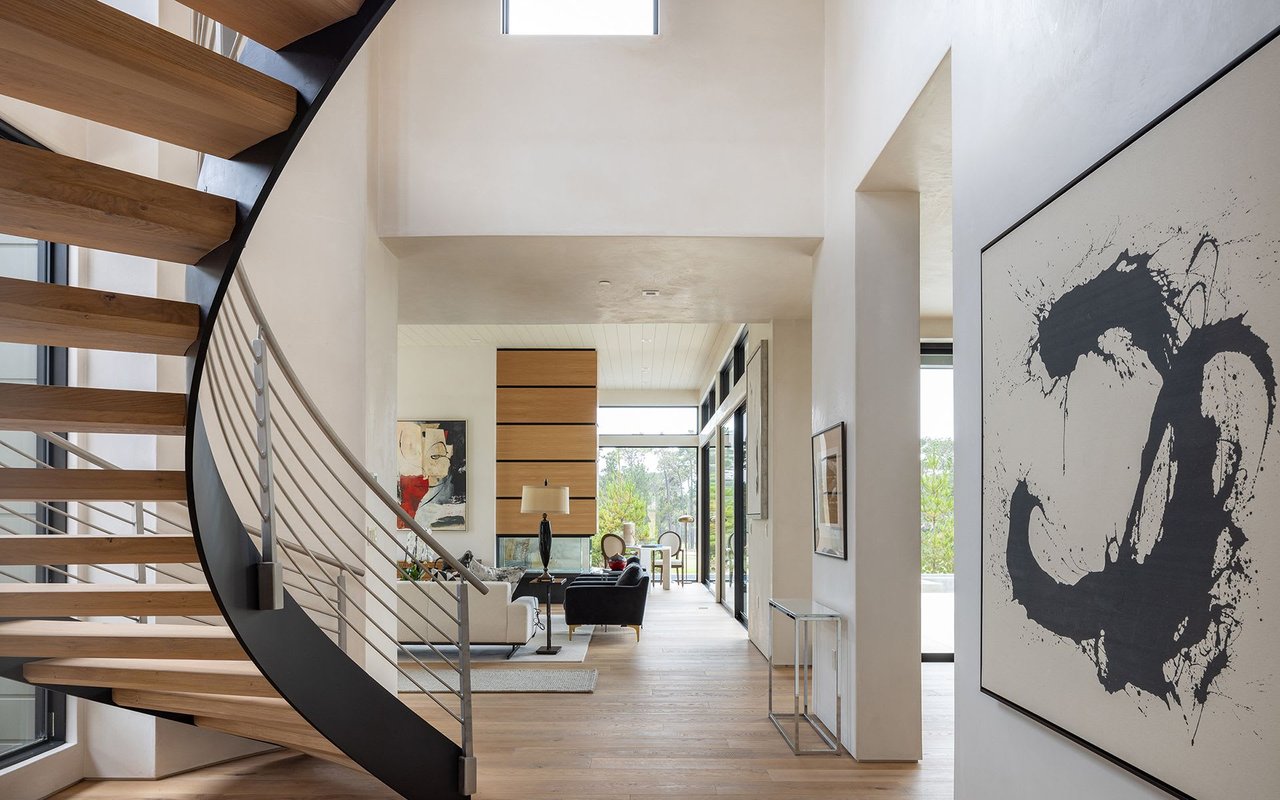
- Open floor plans with natural flow
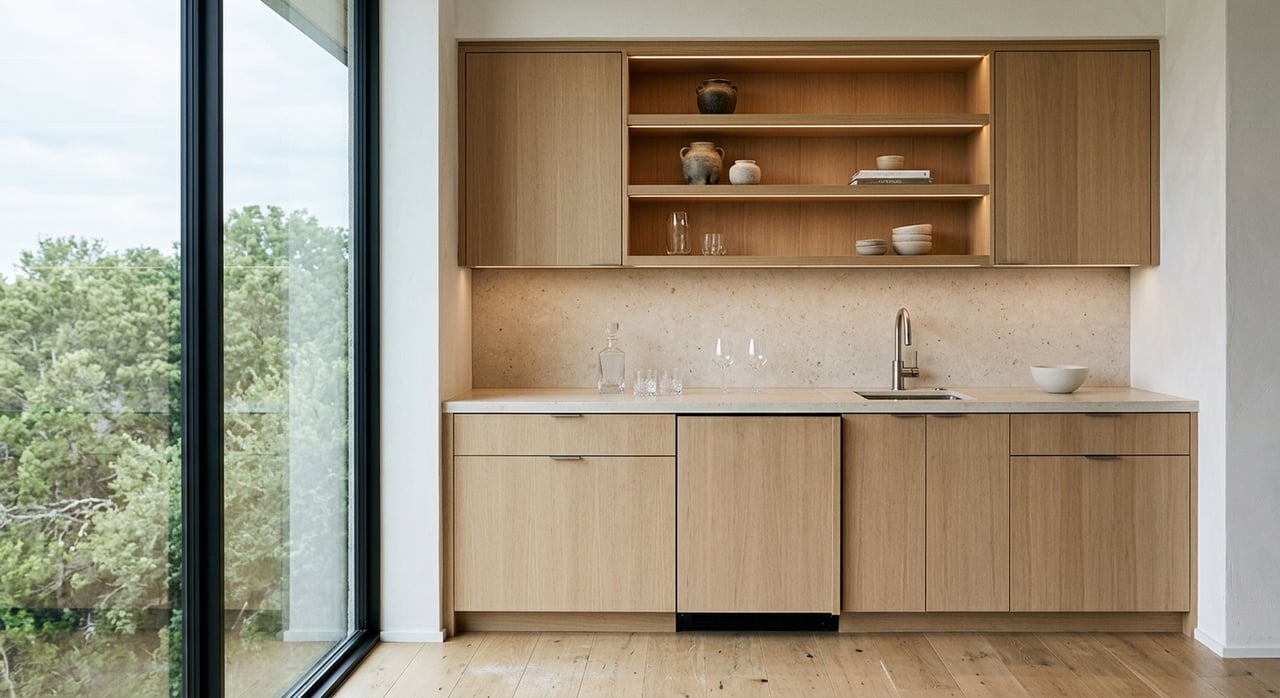
- Kitchen islands
- Granite or quartz countertops
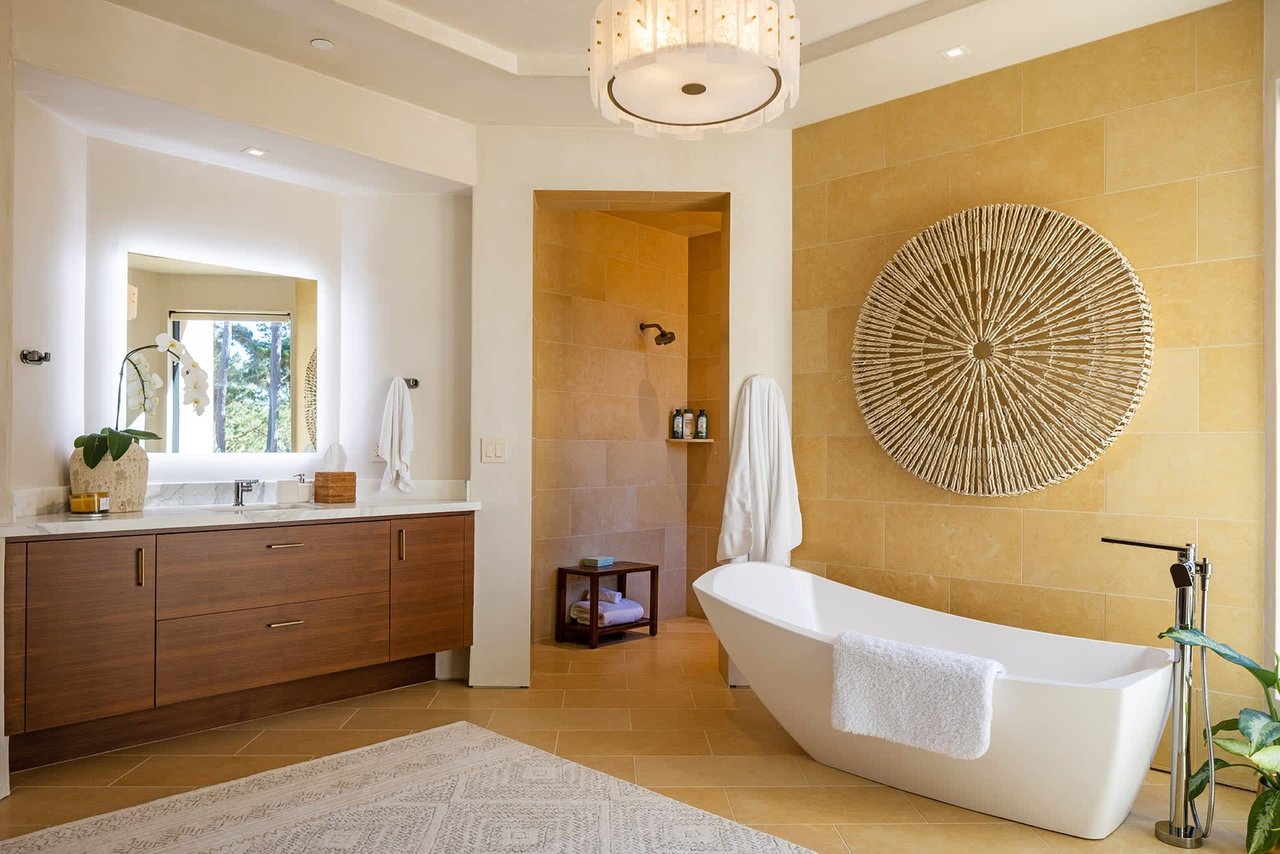
- Double vanities in primary baths
At the same time, some common turnoffs include outdated kitchens, dated bathrooms, weak curb appeal, and laundry rooms placed in inconvenient locations. If you are planning improvements, these are useful filters for deciding where to invest.
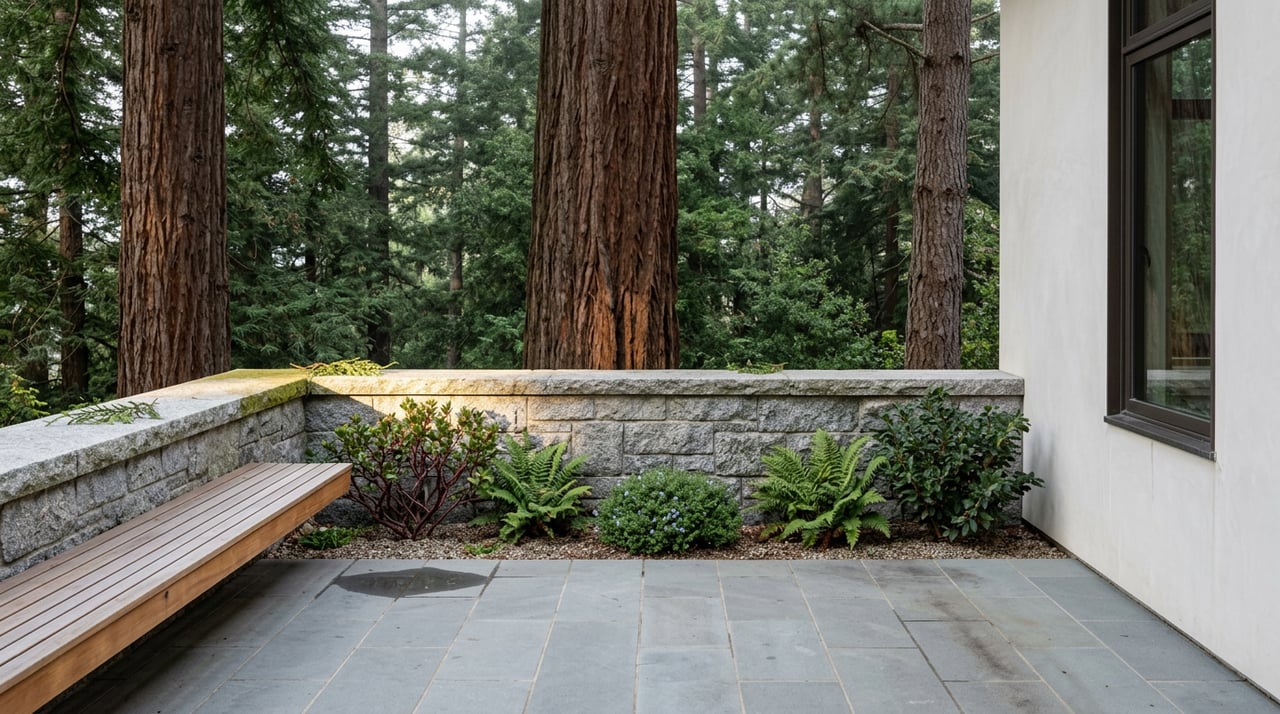
Outdoor spaces carry extra weight in Carmel
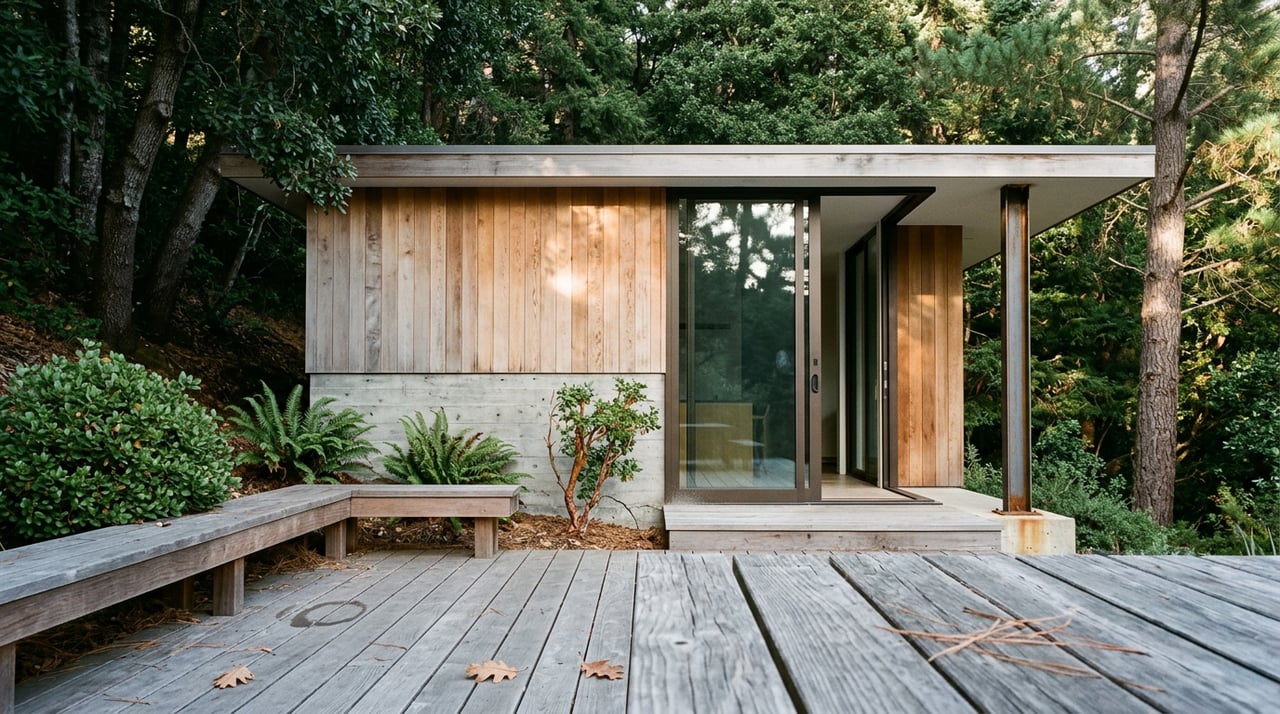
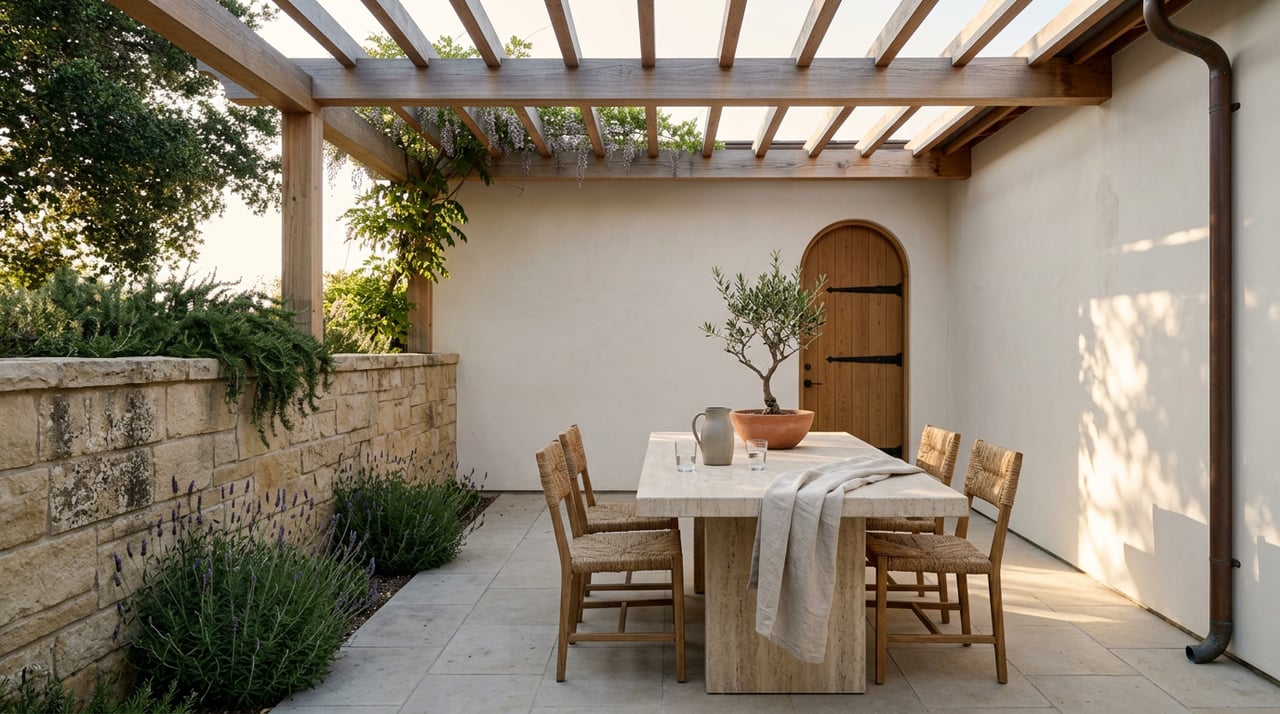
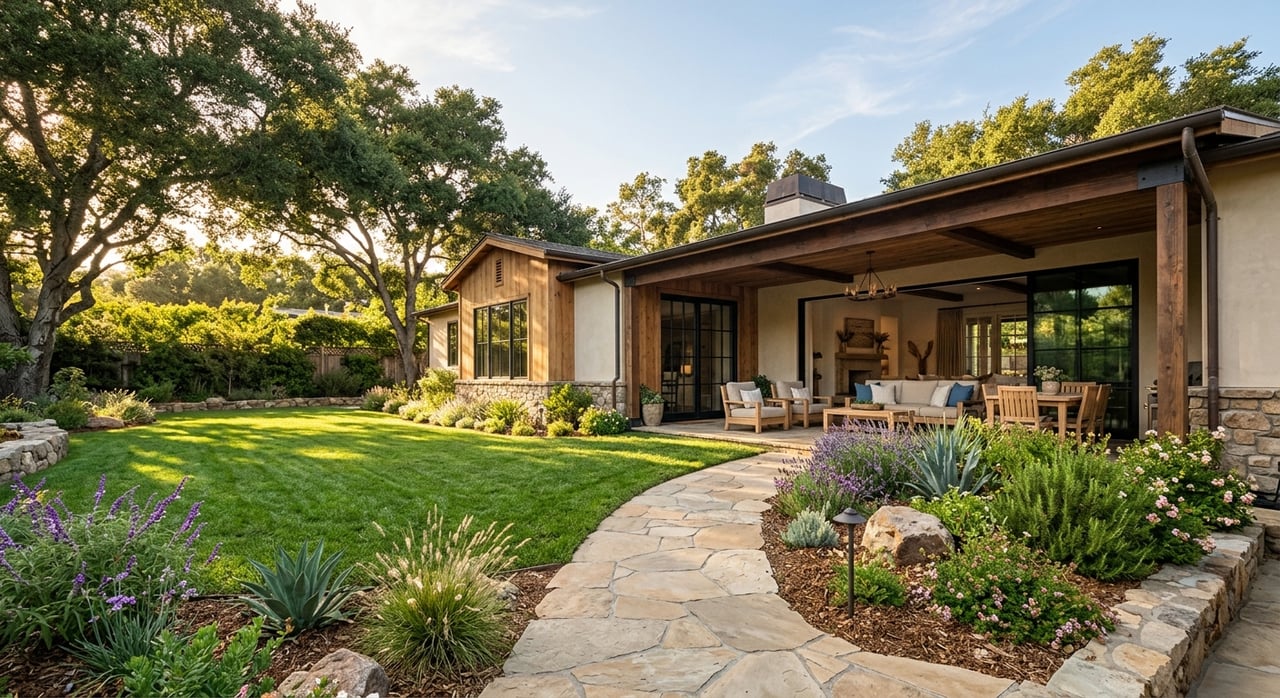
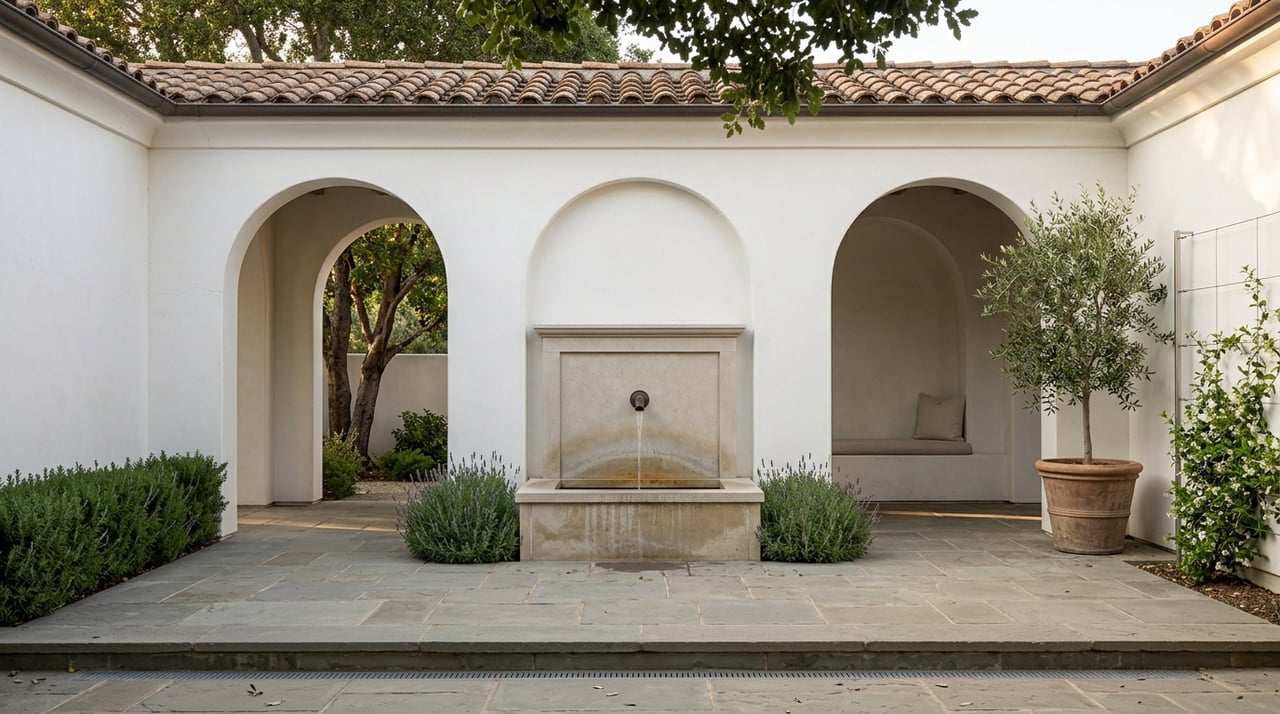
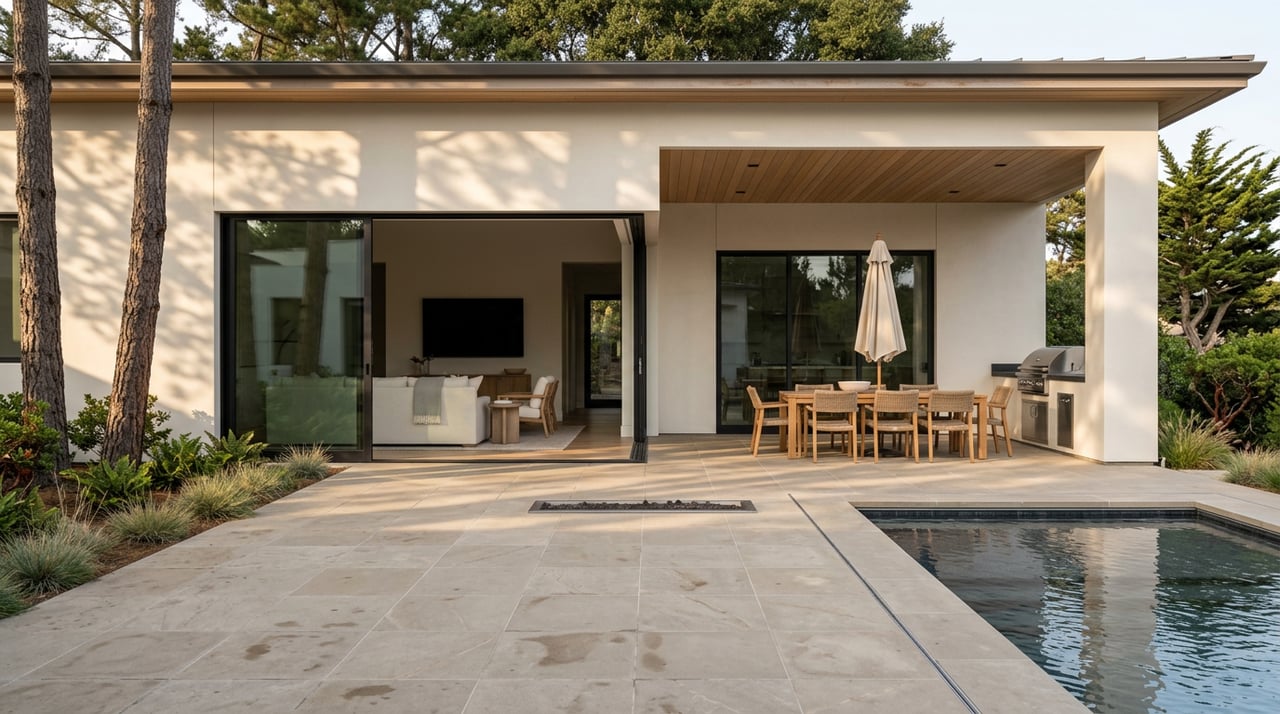
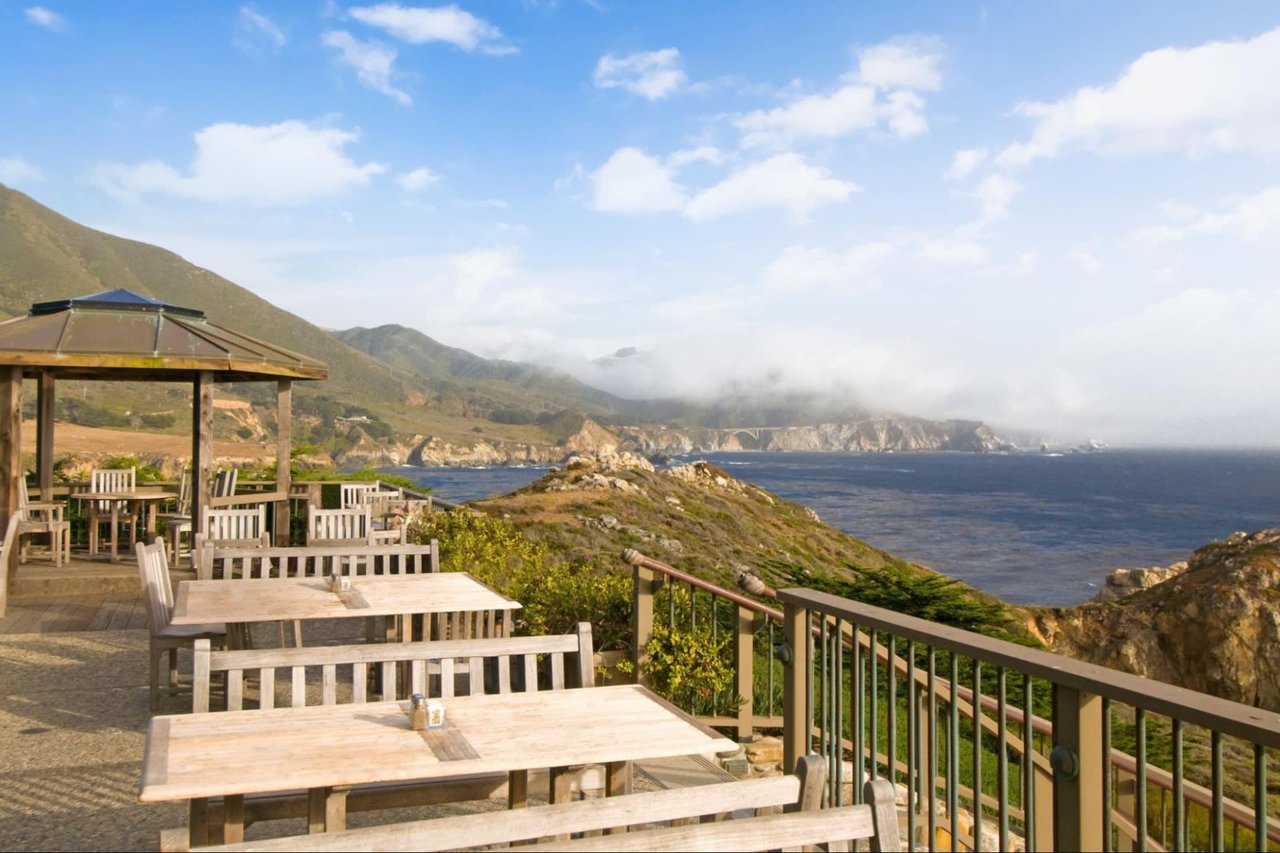
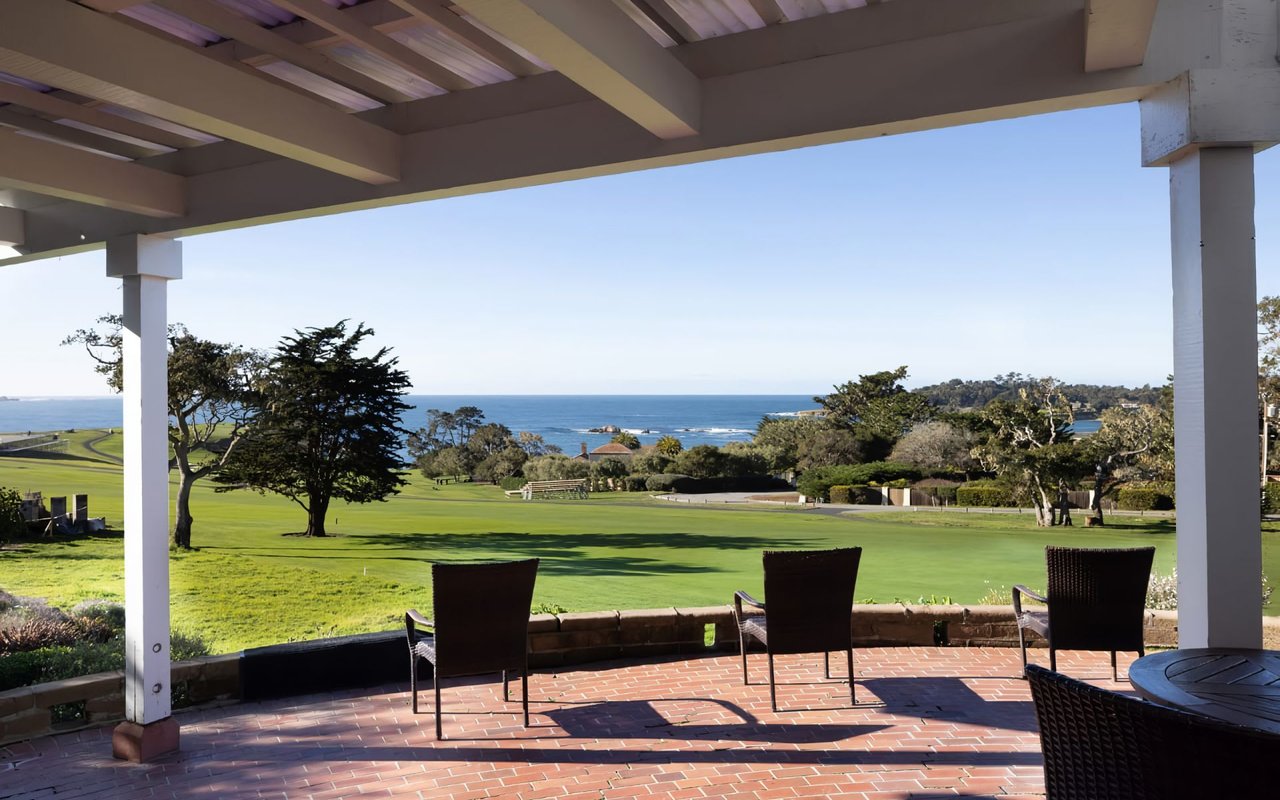
In this market, outdoor living is part of the lifestyle. A garden seating area, courtyard, deck, or dining terrace can support your own everyday enjoyment while making the property more appealing to guests.
Tim Allen's staging guidance reinforces that idea. Clean, modern kitchens, outdoor entertaining areas, and guest-ready dining spaces help a home read as both a private retreat and a polished rental offering.
Plan Carefully Before You Renovate
Not every improvement is simple in Carmel-by-the-Sea. The city notes that most building or site alterations require review, and historic resources may trigger additional review standards.
That matters if you are buying a home with plans to reposition it for mixed personal and rental use. A renovation that looks straightforward elsewhere may involve a different timeline, review path, or design response here.
Understand potential life-safety upgrades
If a residential apartment is converted to transient rental use, the city notes that smoke alarms, sprinklers, and accessibility features may be required because the occupancy classification can change. The city also notes that a building with one or more transient rental units is treated as hotel or motel occupancy, which can trigger life-safety upgrades.
This is one reason permit verification should come before budget planning. A property's income potential can look very different once required improvements, review timing, and operational obligations are factored in.
Do not overlook noise control
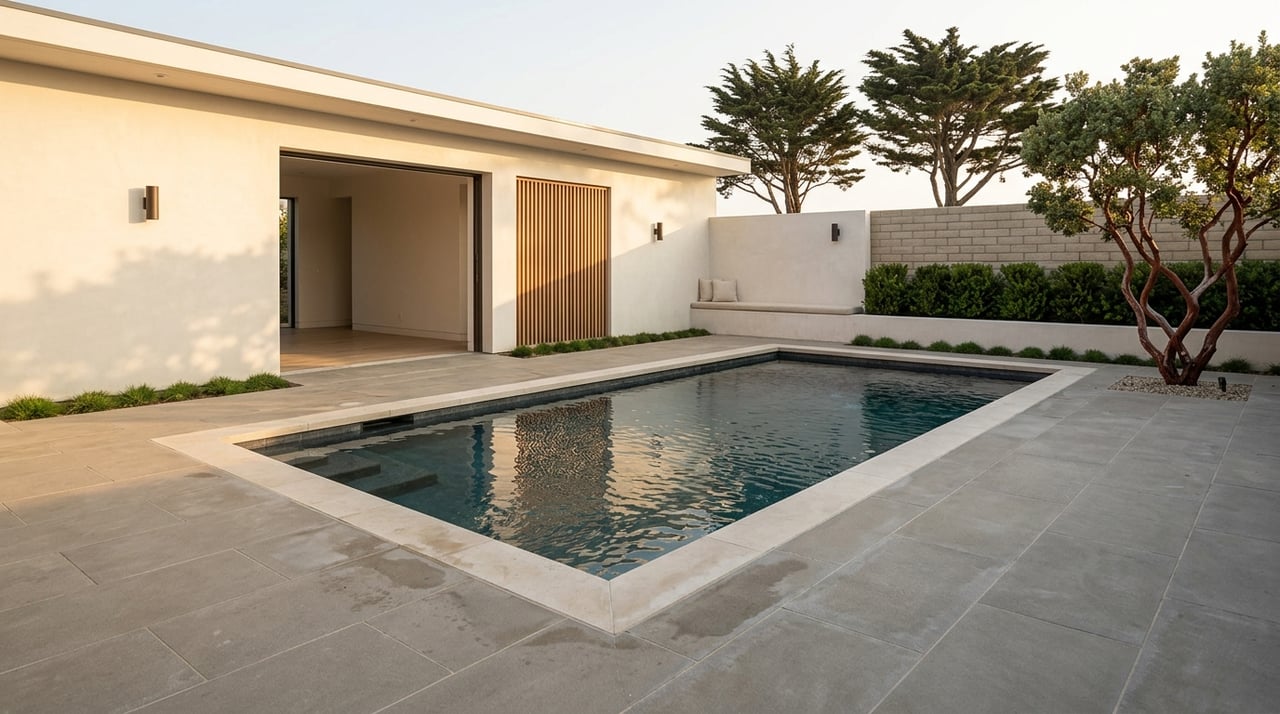
Noise-sensitive design matters in Carmel. The code requires fixed mechanical equipment such as generators, pumps for hot tubs, pools, fountains, wells, and HVAC systems to be located or treated to control noise and protect neighboring properties.
For owners, this is both a compliance issue and a guest-experience issue. Quiet systems help preserve the calm, private atmosphere people expect from a high-end Carmel stay.
Market Only What The Property Can Legally Offer
In Carmel-by-the-Sea, marketing should begin only after entitlement is confirmed. The city prohibits advertising an unpermitted transient rental, and each day of unlawful advertising is treated as a separate offense.
That makes pre-listing verification essential. Beautiful photography and strong storytelling are powerful, but in this market they need to sit on top of a legally sound foundation.
Guest communication matters more here
Carmel's street-address system is still in transition. The city says draft address numbers have not been finalized or implemented and should not be used officially or unofficially, while mail continues to be delivered to P.O. Boxes.
For a rental property, that means arrival instructions need to be especially clear. Property naming, check-in guidance, and location details should be handled with care so guests arrive confidently and the experience begins smoothly.
Professional management can protect the experience
A mixed-use luxury property needs more than listing exposure. It needs disciplined calendar control, careful guest communication, polished presentation, and responsive service.
That is where a local luxury-rental team can add value. With strategic marketing, white-glove management, and guest-experience support, you can protect the home's condition while positioning it in a way that aligns with Carmel's rules and the expectations of high-end travelers.
Think In This Order
If you want to balance personal use and rental potential in Carmel-by-the-Sea, the clearest framework is this:
- Confirm the property's zoning and permit status
- Understand operating requirements such as registration and tax collection
- Build a calendar around your personal-use priorities
- Leave operational space for cleaning, maintenance, and reporting
- Invest in design features that support both living and guest appeal
- Launch marketing only after compliance is clear
In other words, the smartest strategy is not to maximize every available night. It is to create a property plan that feels effortless to you, works within Carmel's rules, and delivers a high standard of experience when the home is rented.
If you are weighing how a Carmel property can serve as both a private escape and a professionally managed rental, Tim Allen can help you position it with local insight, polished marketing, and concierge-level support.
FAQs
Can you use a Carmel-by-the-Sea home personally and rent it short term?
- Yes, but only if the property has the correct transient-rental entitlement. In Carmel, short-term rentals are prohibited in the single-family R-1 district, and permitted transient rentals in commercial districts are limited to specific qualifying permits.
What counts as a short-term rental in Carmel-by-the-Sea?
- Carmel defines a transient rental as a residential unit occupied for sleeping or lodging for less than 30 consecutive days.
Do Carmel-by-the-Sea transient rentals require tax registration?
- Yes. Commercial-district operators of permitted transient rentals must obtain a business license, secure a Transient Occupancy Registration Certificate, collect the city's 10 percent transient occupancy tax, and remit it on a bi-monthly basis.
Can you advertise a Carmel-by-the-Sea property before confirming a rental permit?
- No. The city prohibits advertising an unpermitted transient rental, and each day of unlawful advertising is treated as a separate offense.
What home features help a Carmel-by-the-Sea property work for both owners and guests?
- Features that support both uses include well-planned landscaping, indoor/outdoor living areas, open layouts, updated kitchens, kitchen islands, quartz or granite counters, and guest-friendly bathroom features such as double vanities.
Why is professional guest communication important for Carmel-by-the-Sea rentals?
- Carmel's street-address system remains in transition, and the city says draft address numbers should not be used officially or unofficially. Clear arrival instructions and careful property identification can help create a smooth guest experience.