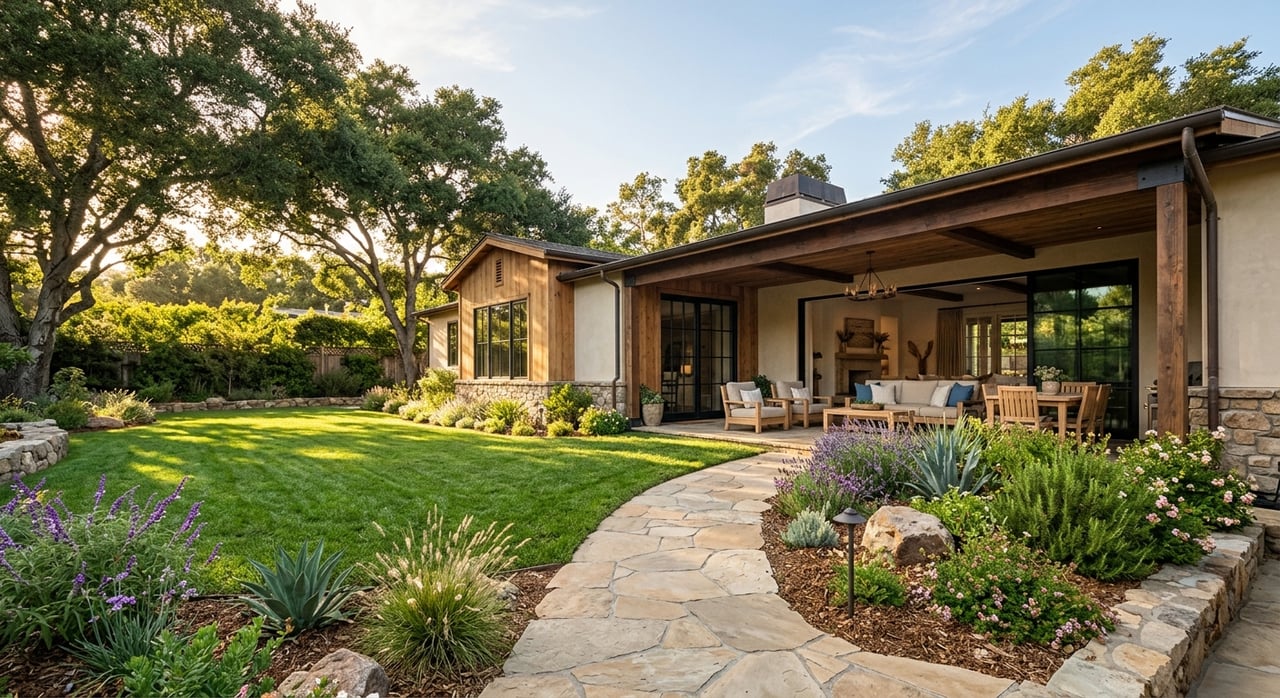
If you want a luxury rental that feels livable for more than just a long weekend, Carmel Valley stands out right away. You get sun, space, privacy, and a more residential day-to-day rhythm while still staying connected to the coast. For anyone planning a seasonal stay, a relocation period, or a multi-month retreat, that combination matters. Let’s take a closer look at why Carmel Valley works so well.
Carmel Valley offers a true long-stay setting
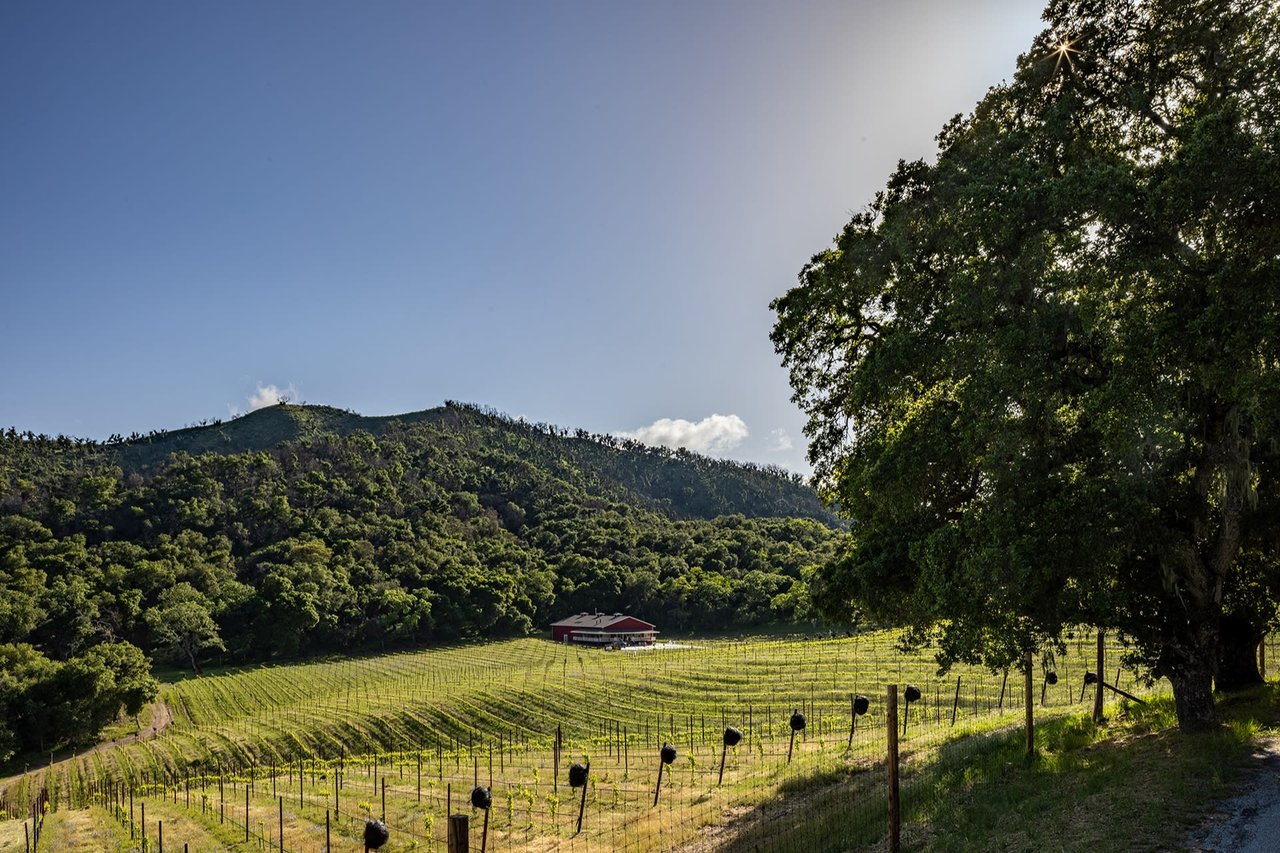
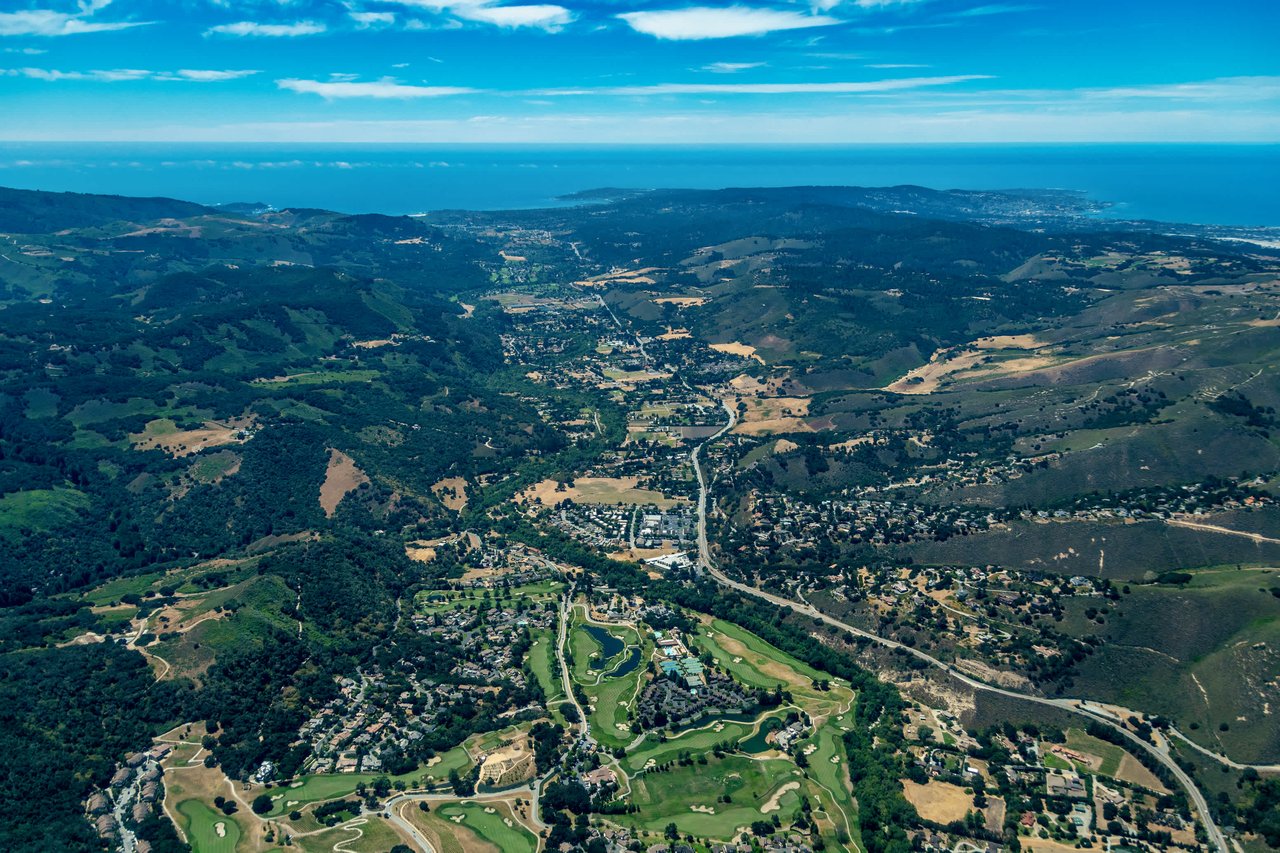
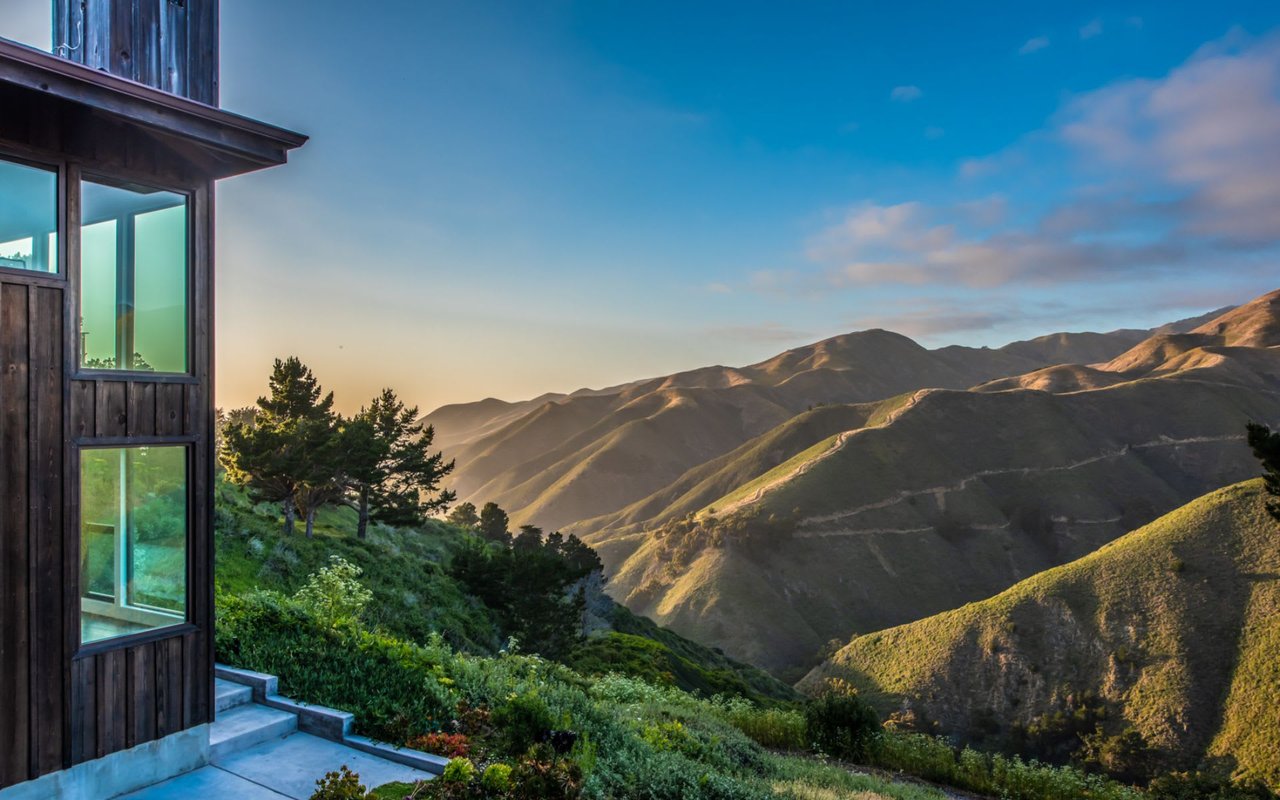
Carmel Valley functions more like an inland corridor than a compact beach town. It stretches from Cahoon Ranch to Carmel Bay and is framed by the Sierra de Salinas and the Santa Lucia Range, which gives it a broader, more spread-out feel than many nearby coastal enclaves.
That setting shapes the rental experience. Instead of a tight village pattern, you are more likely to find dispersed residential areas, rural properties, and clustered activity near commercial cores. For a longer luxury stay, that often translates to more breathing room and a calmer daily pace.
The climate supports everyday comfort
Monterey County describes Carmel Valley as Mediterranean, with warm, dry summers and mild, rainy winters. The county also notes that inland areas tend to have more extreme temperatures and less rainfall than the coast.
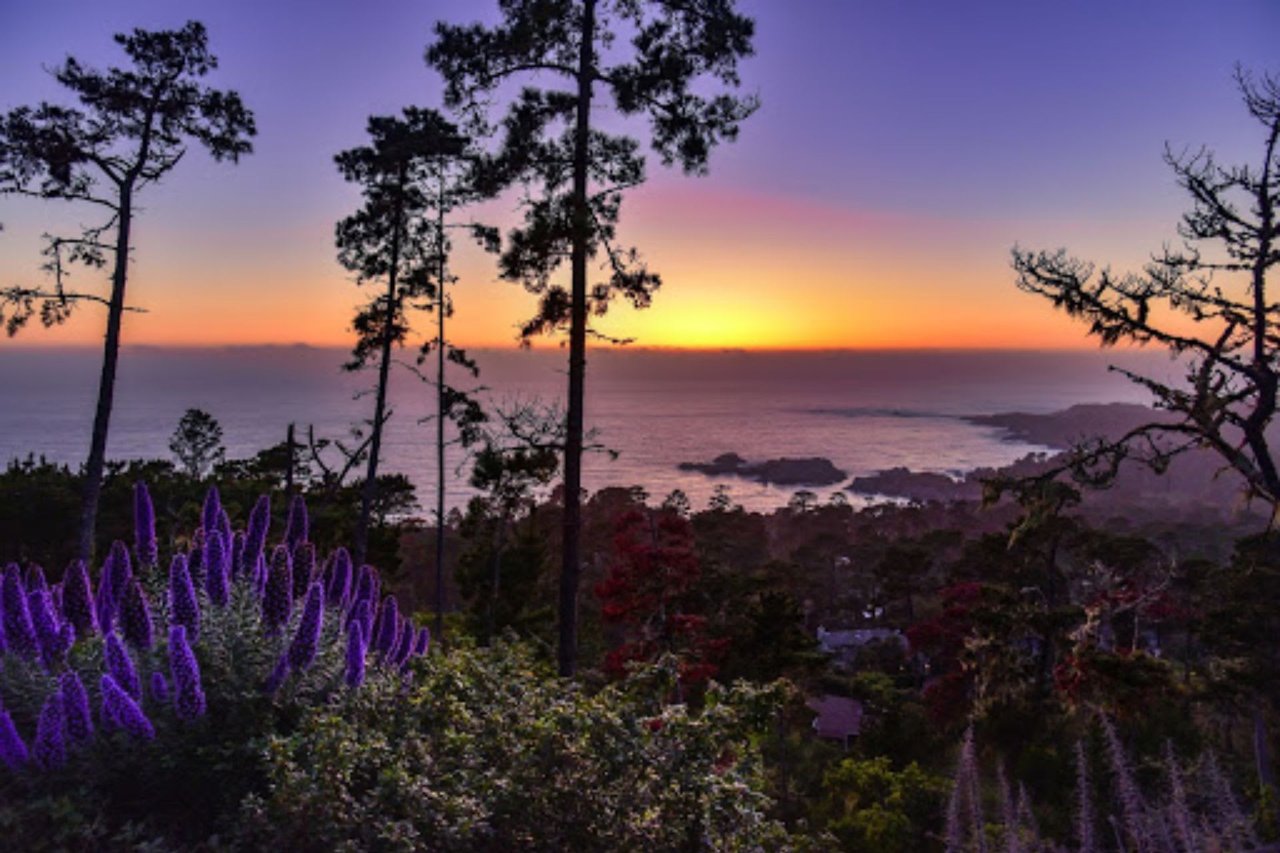
In practical terms, Carmel Valley is widely known as the sunny side of the Monterey Peninsula. If you are staying for a month or a season, that warmer inland climate can make outdoor living feel more reliable and more enjoyable from day to day.
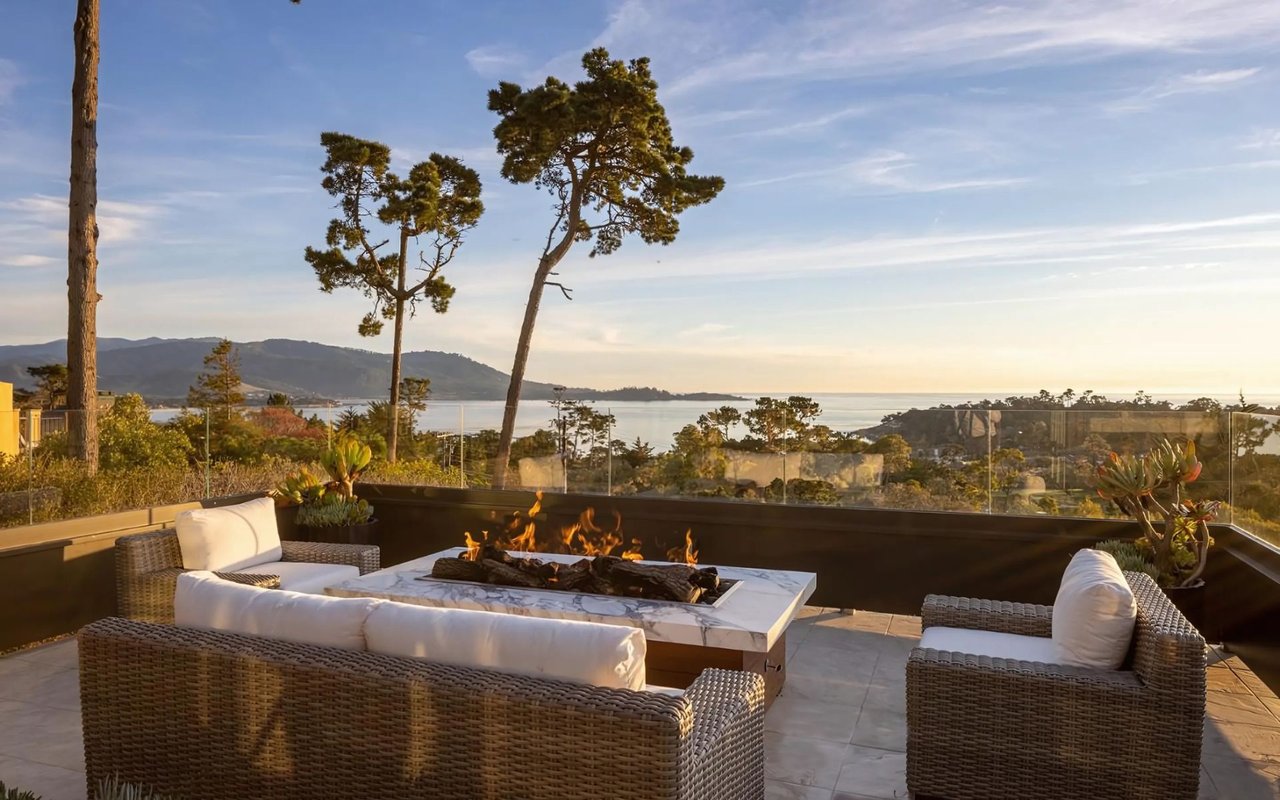
For long-term renters, climate is not just about vacation appeal. It affects how often you use the patio, whether mornings start with a walk, and how comfortably your stay settles into a routine.
Space is one of Carmel Valley’s biggest advantages
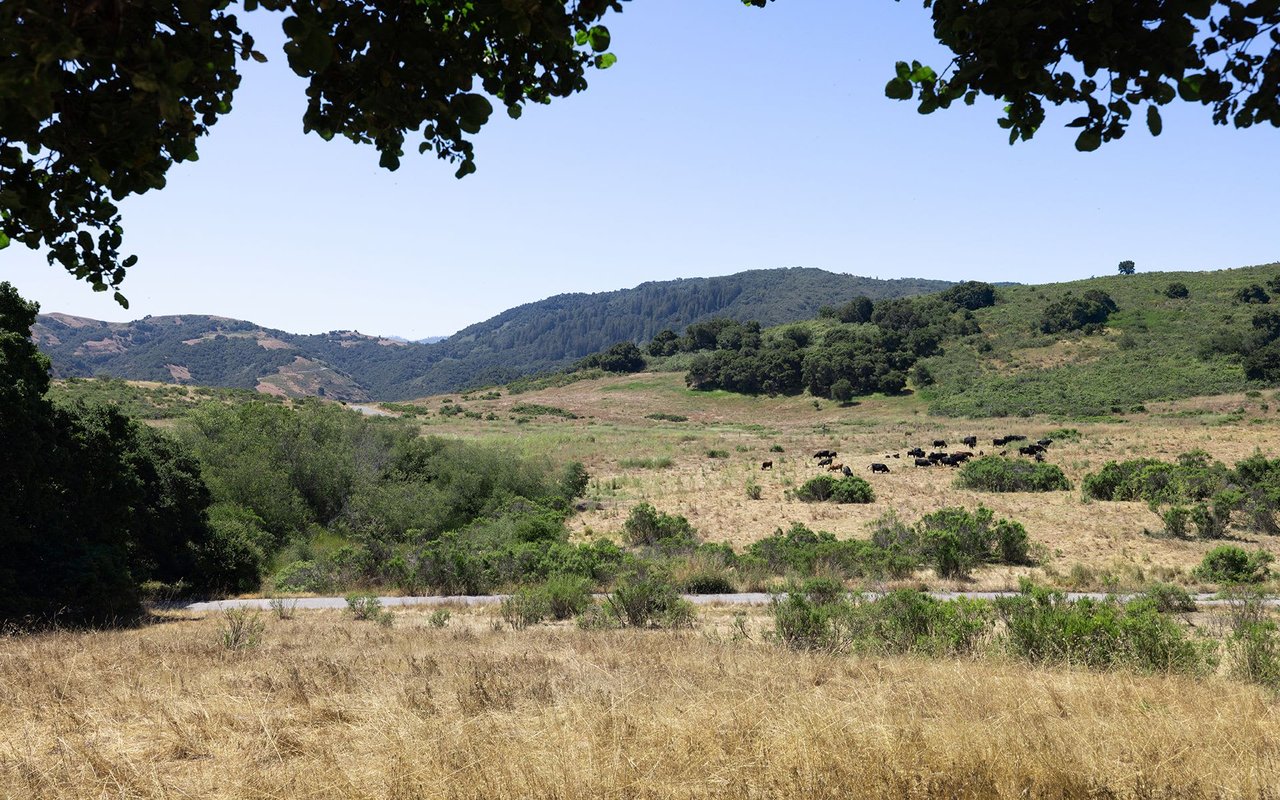
One of the clearest reasons Carmel Valley works for long-term luxury rentals is its land-use pattern. Monterey County describes the area as primarily rural residential and small-scale agricultural, with dispersed residential development and clustered growth near select commercial areas.
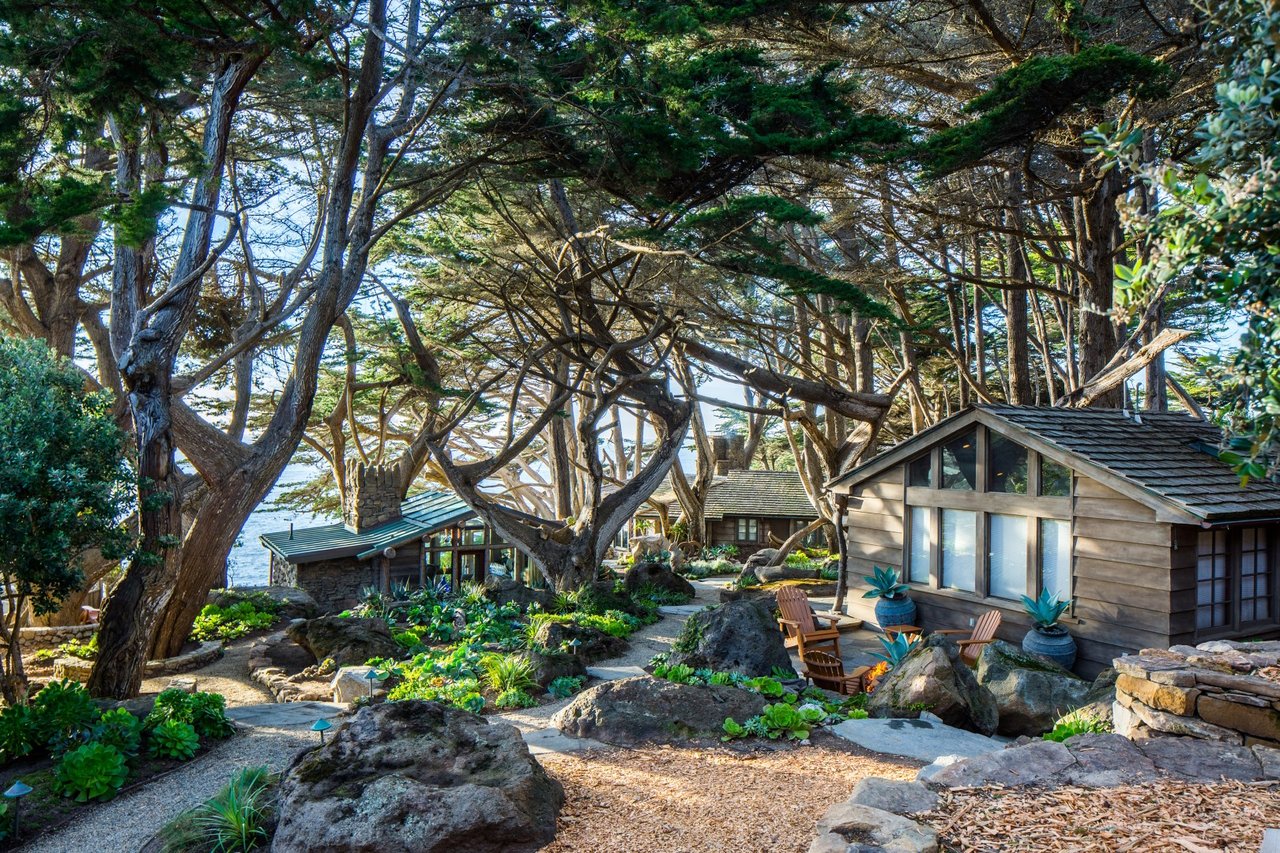
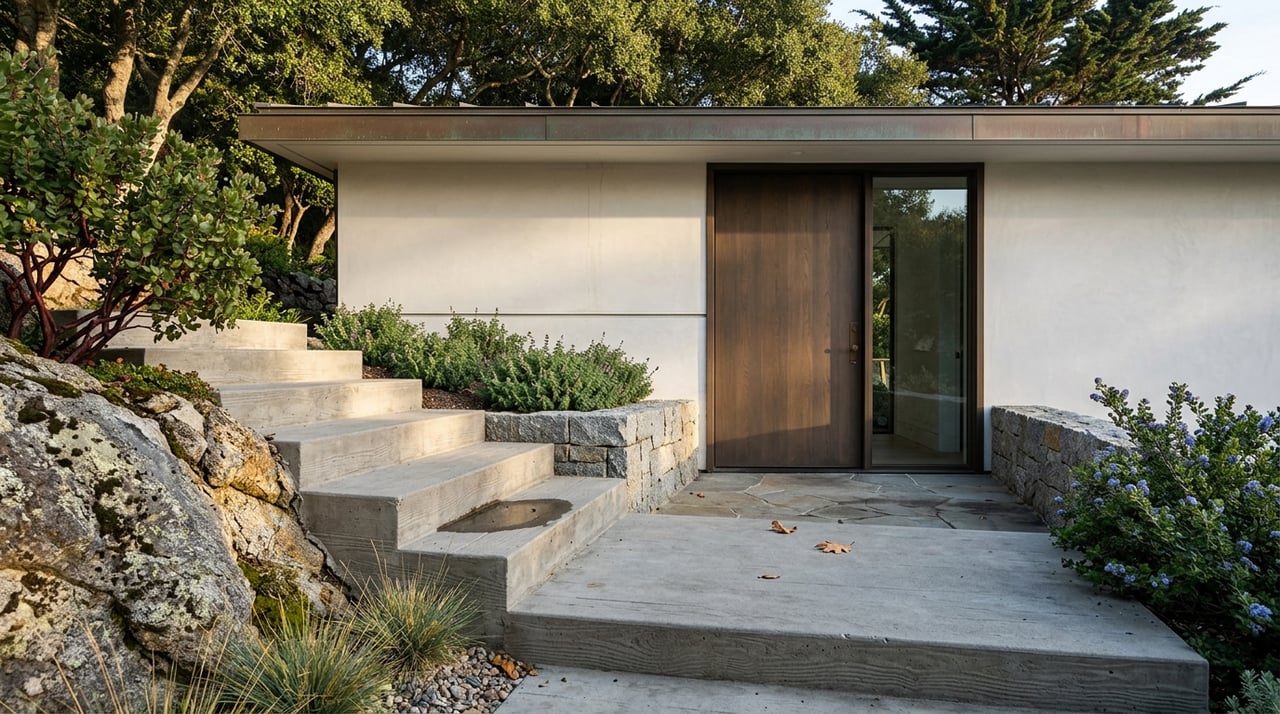
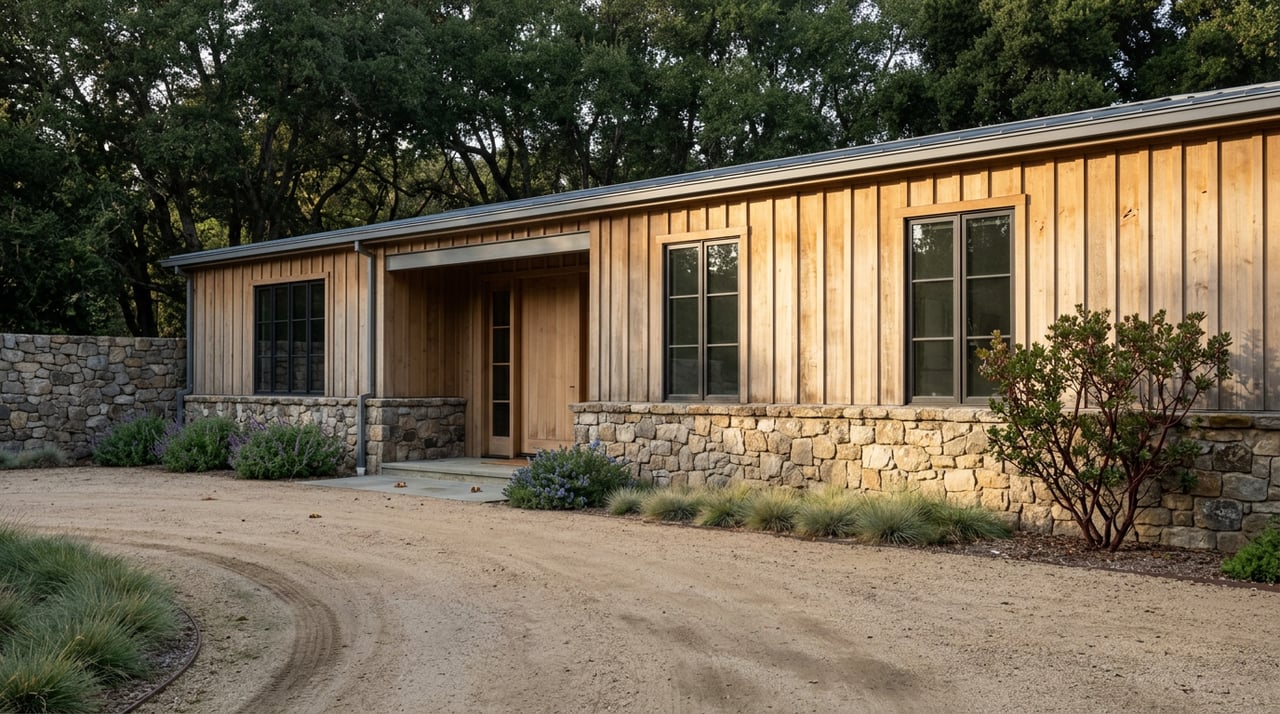
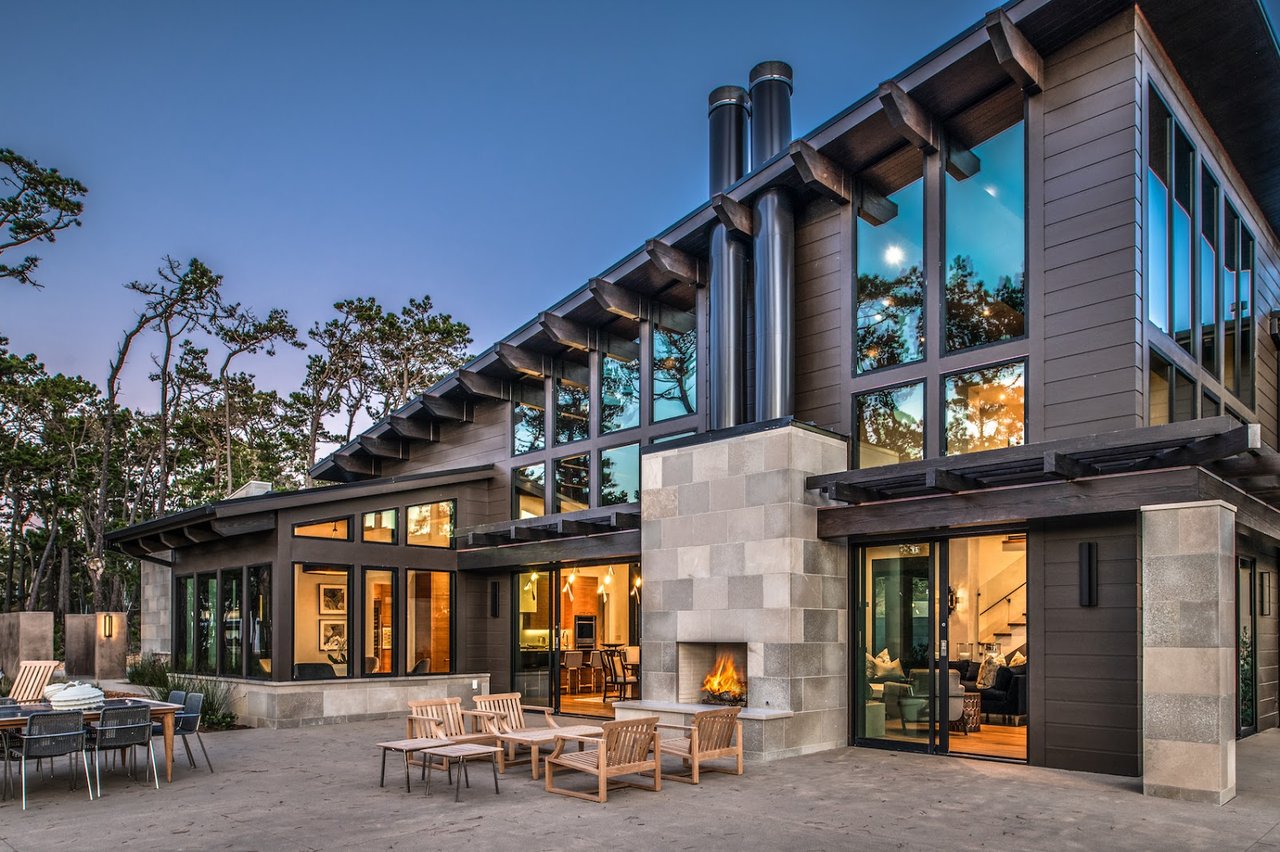
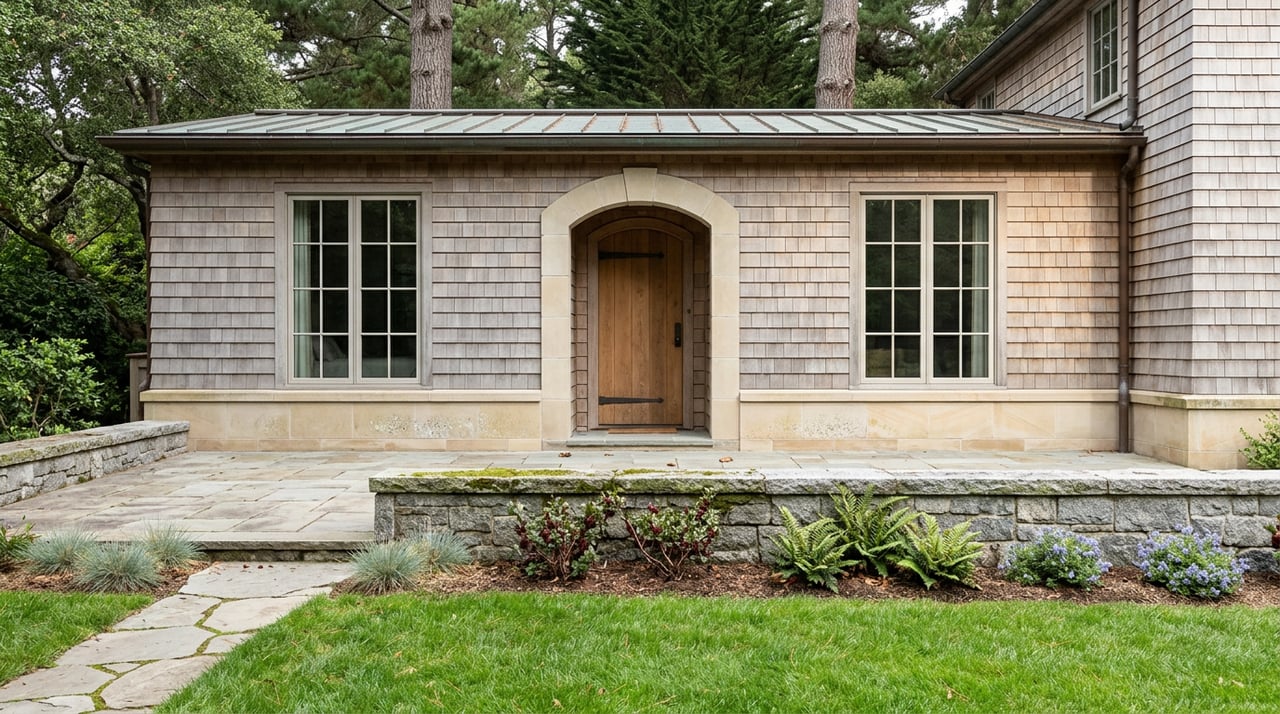
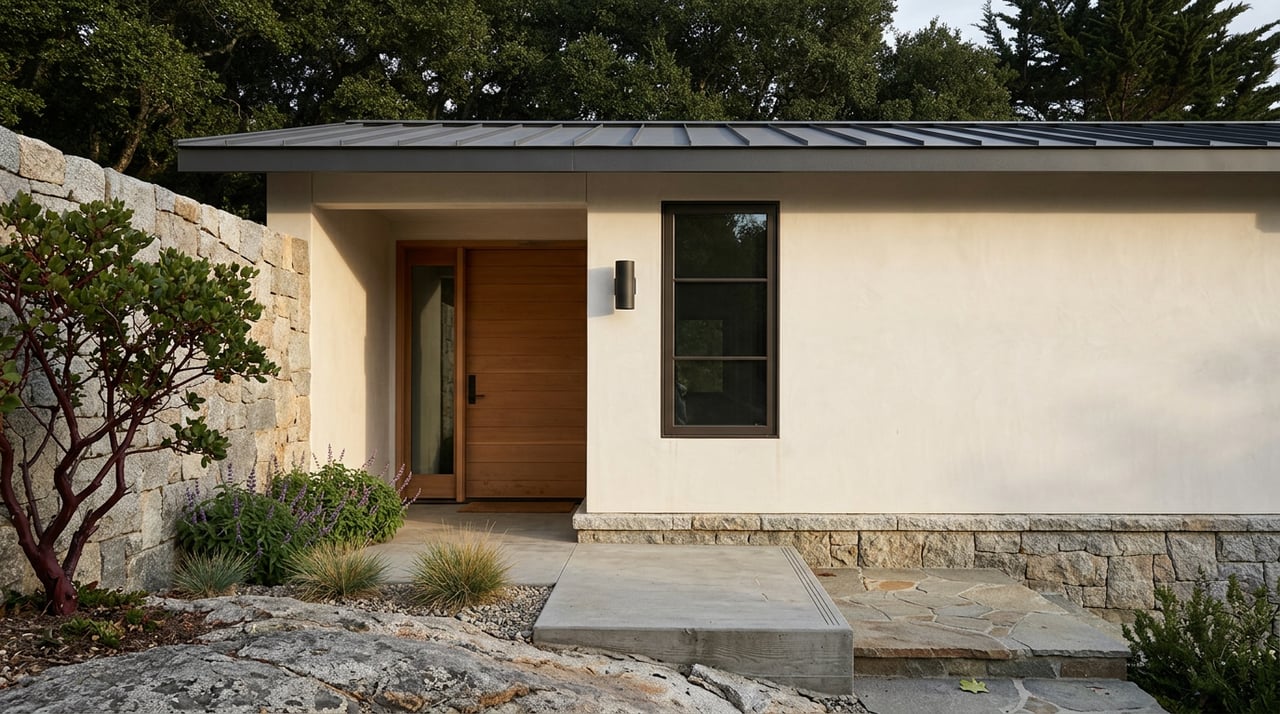
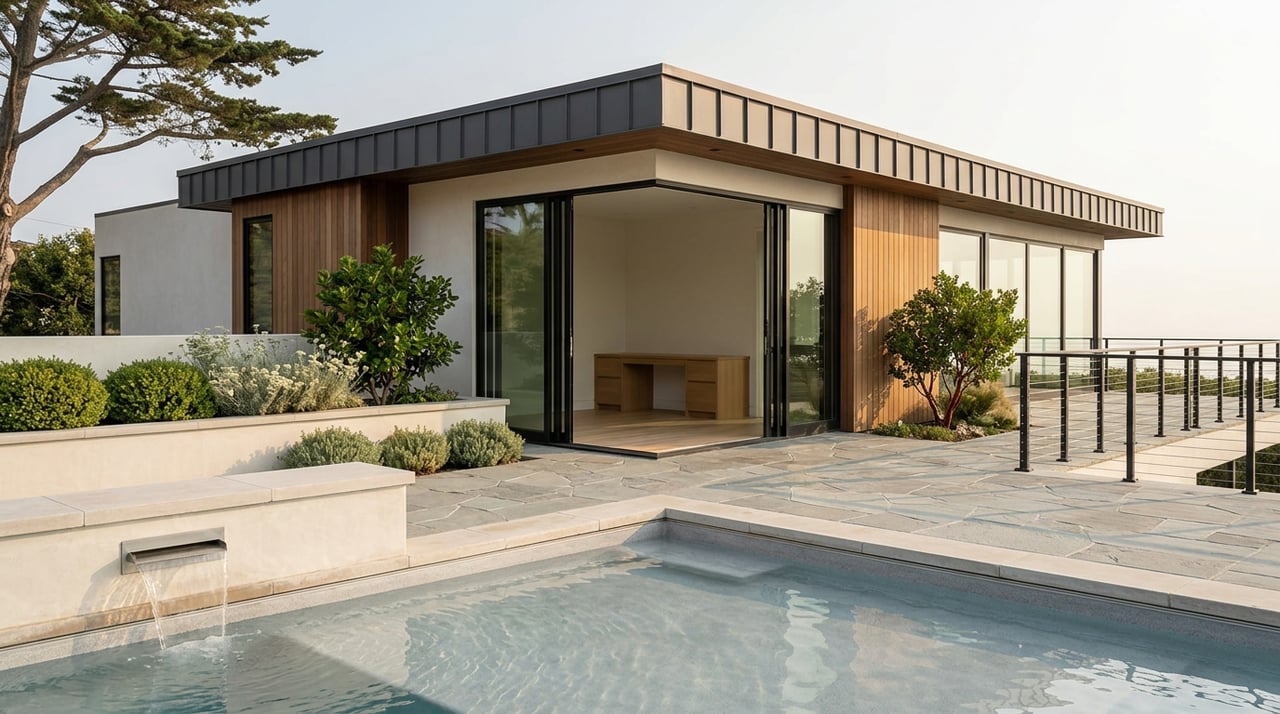
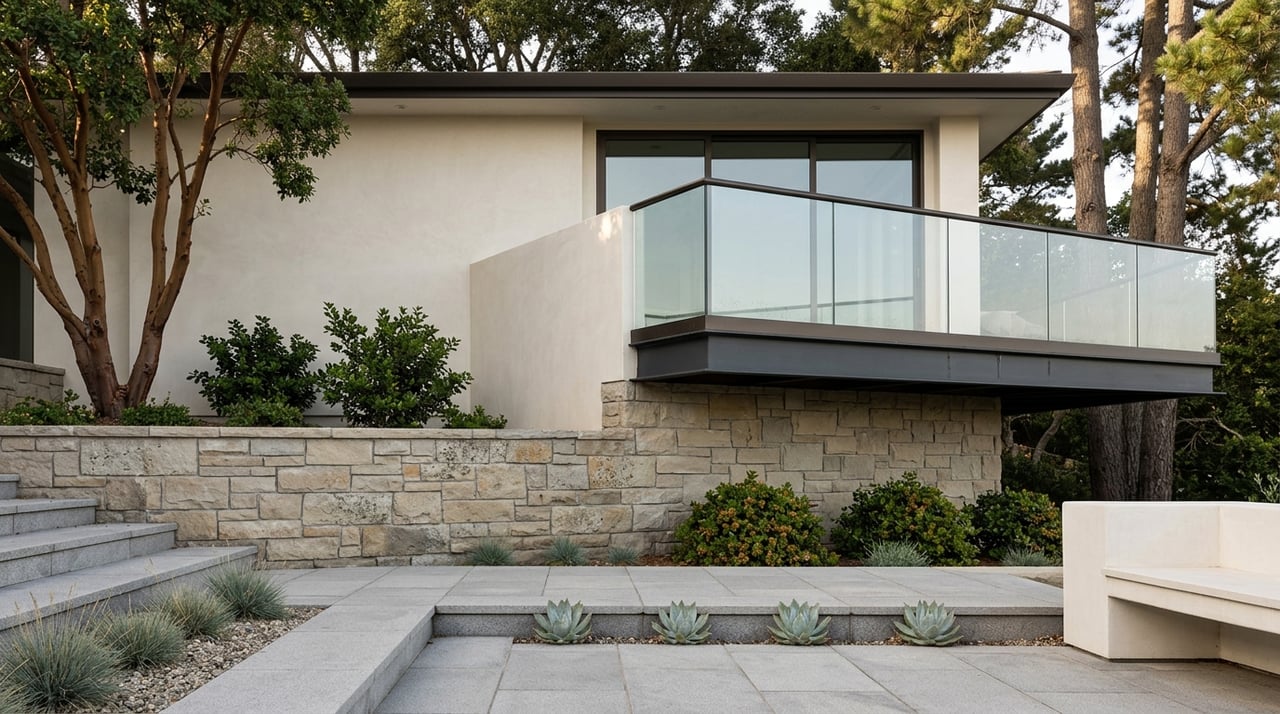
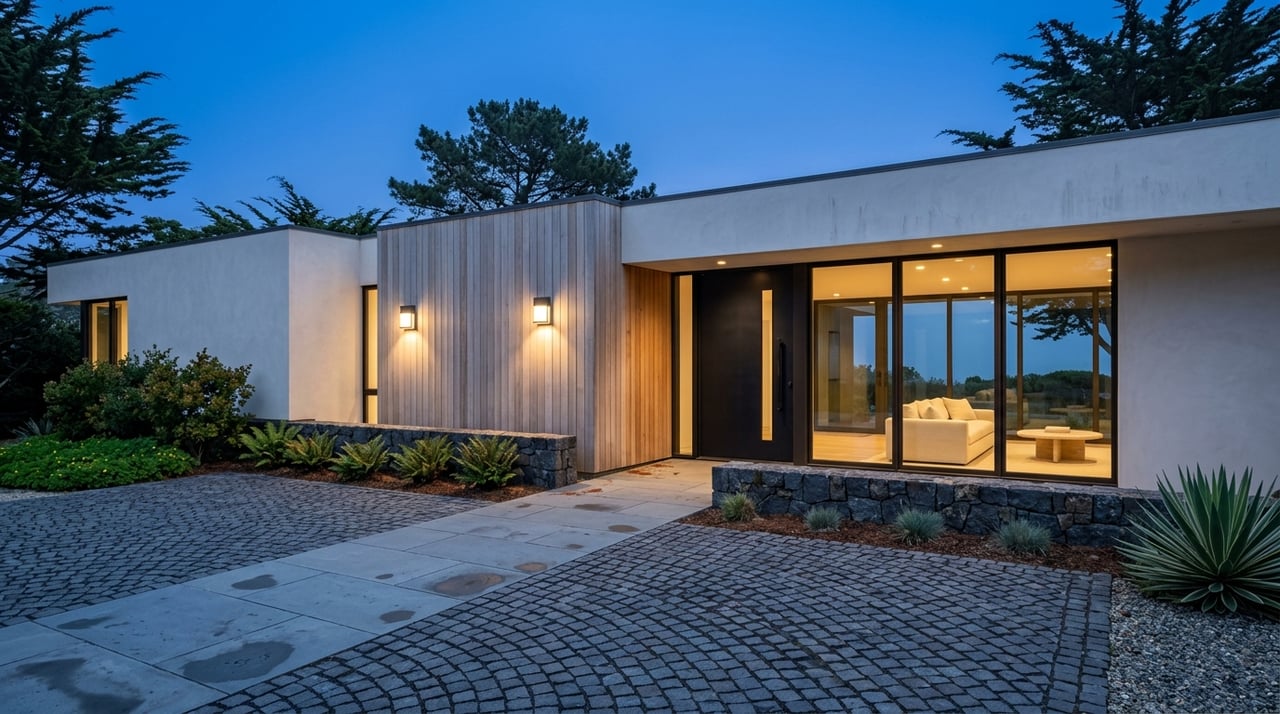
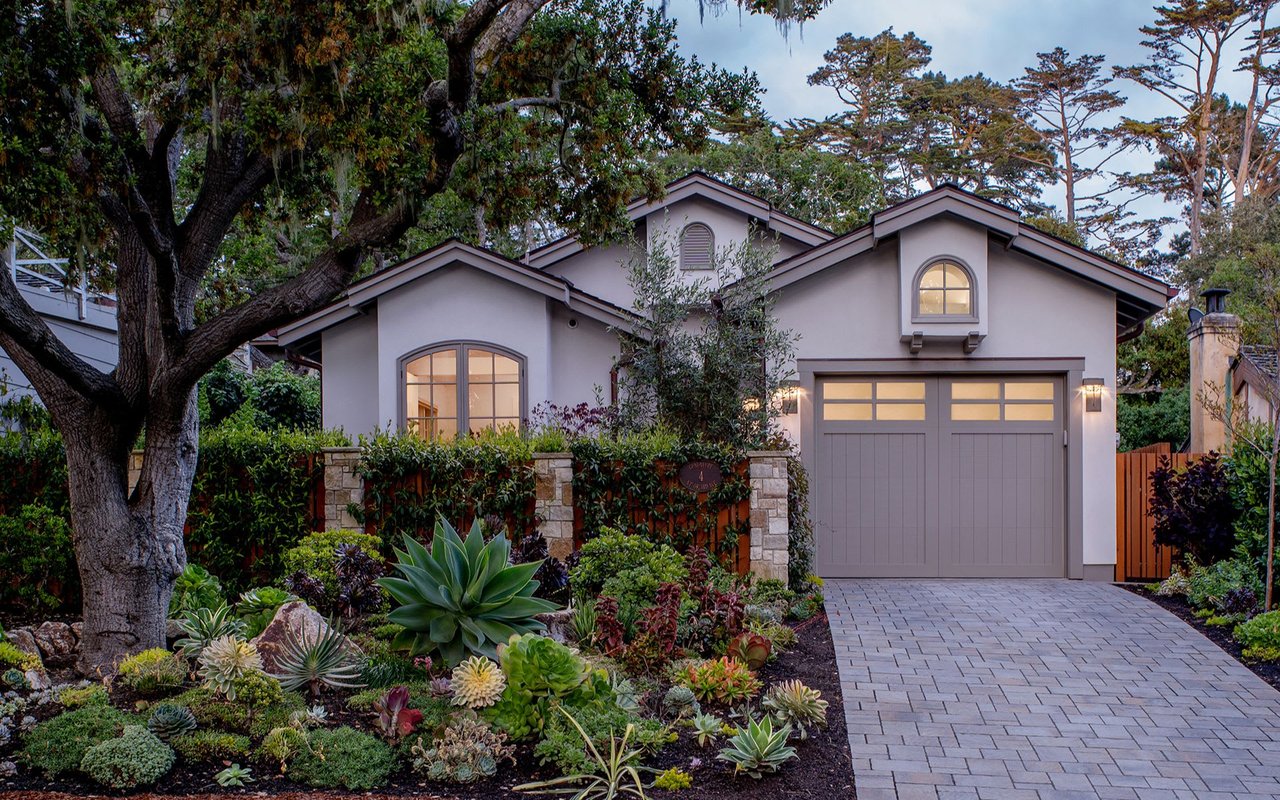
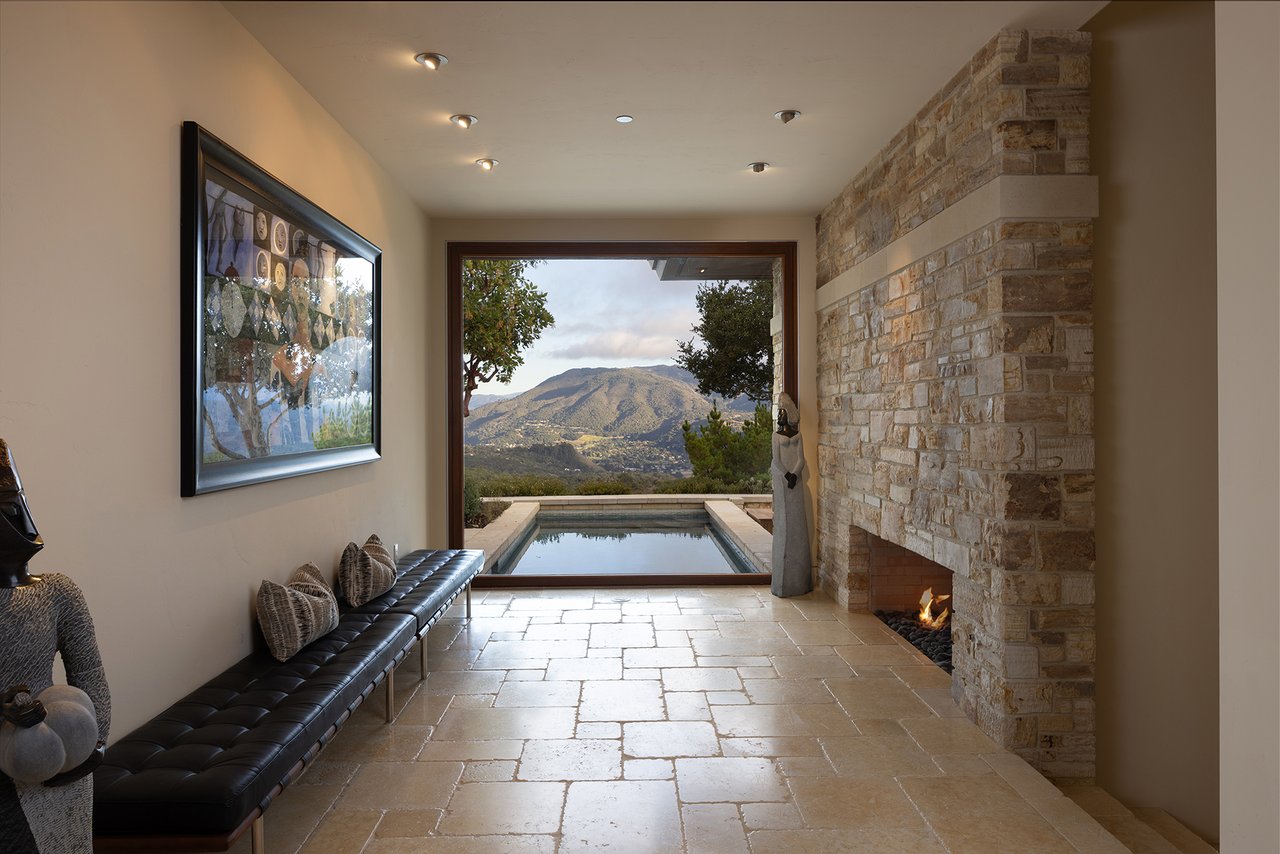
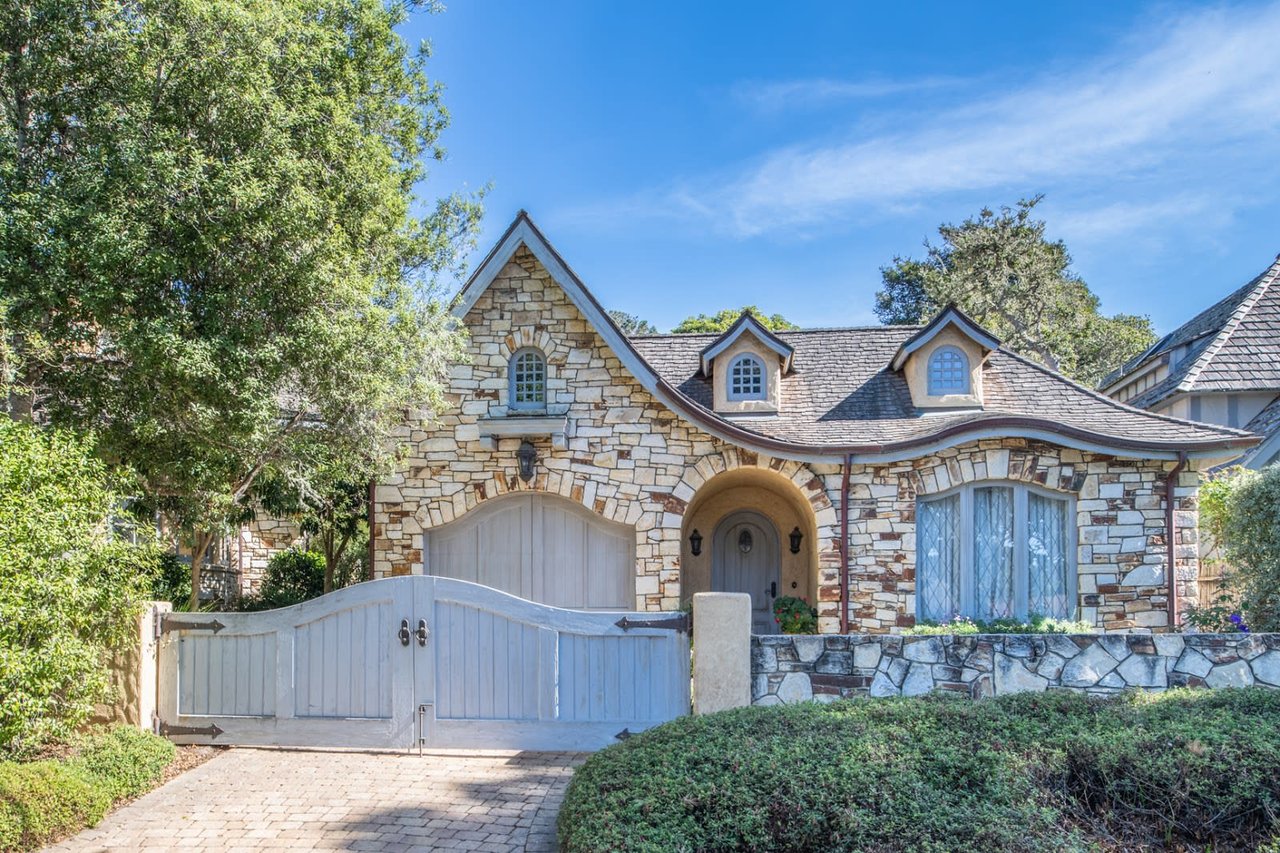
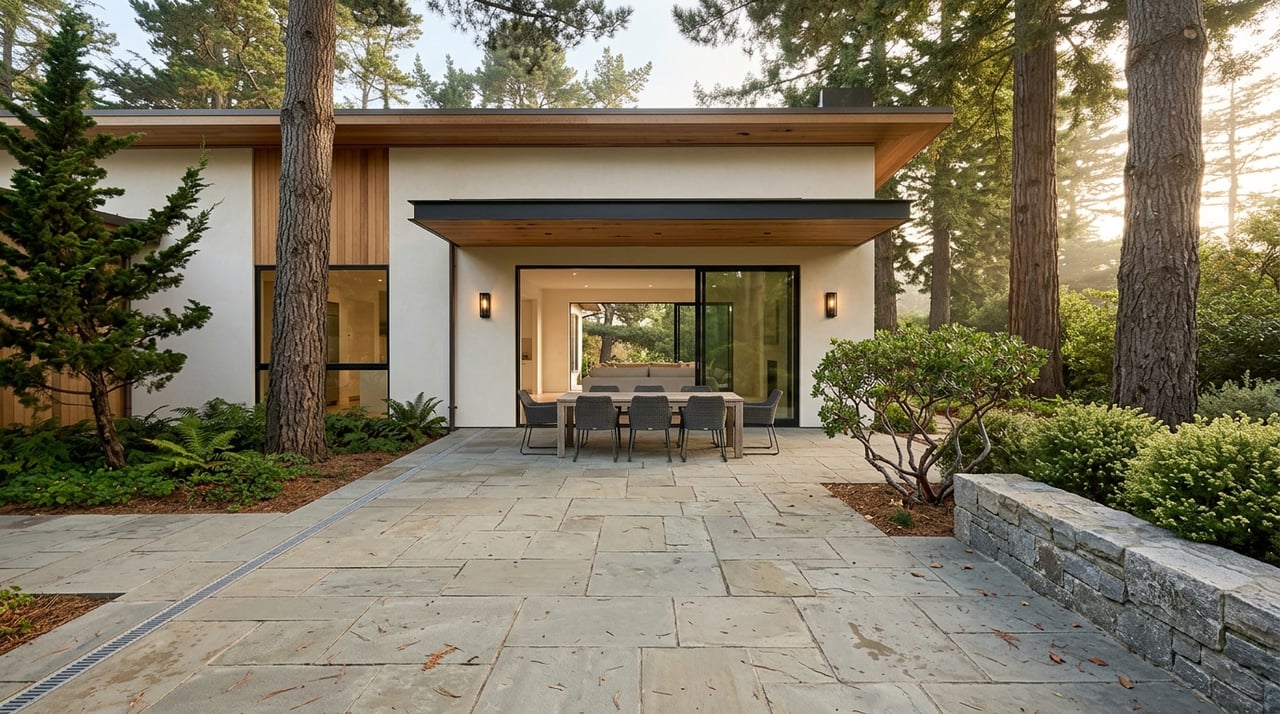
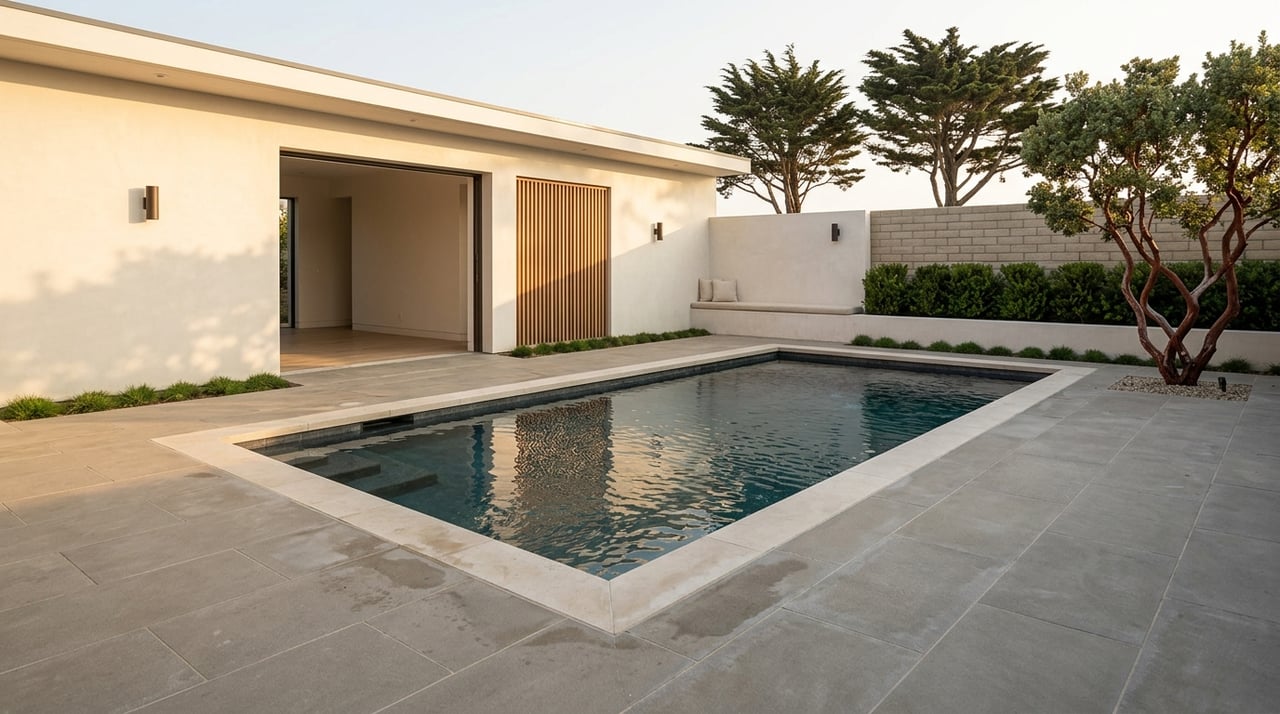
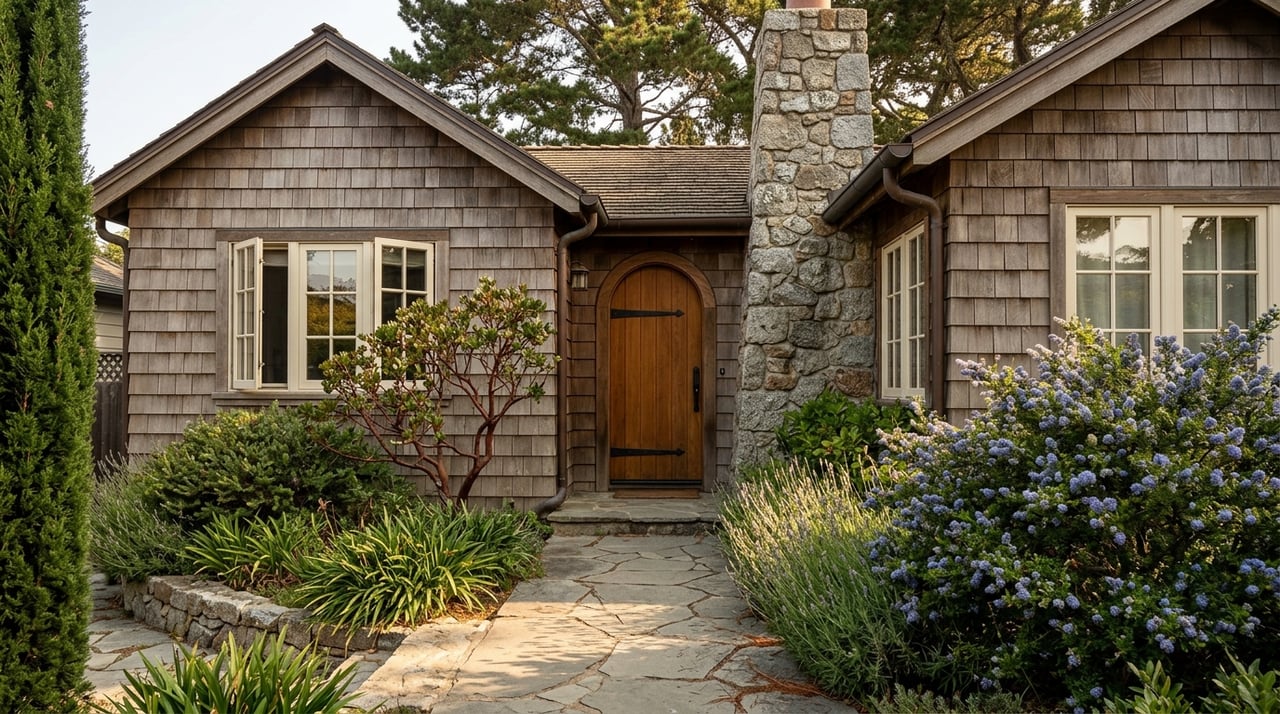
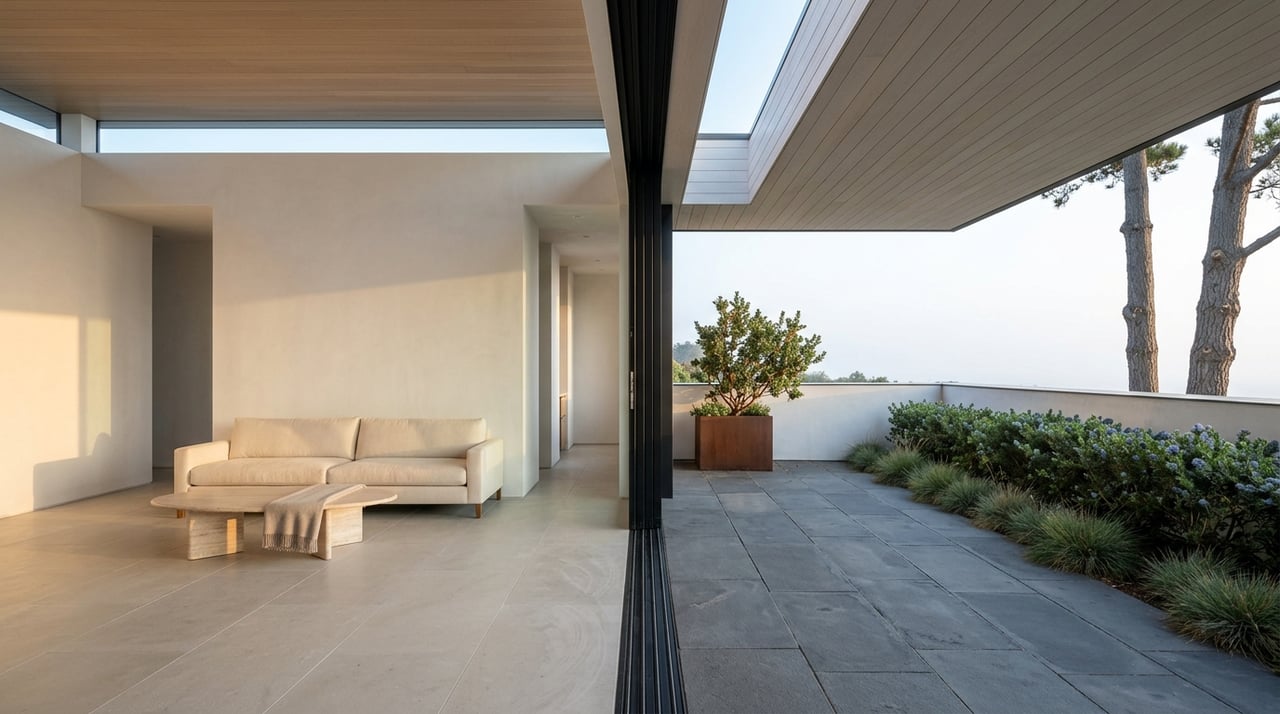
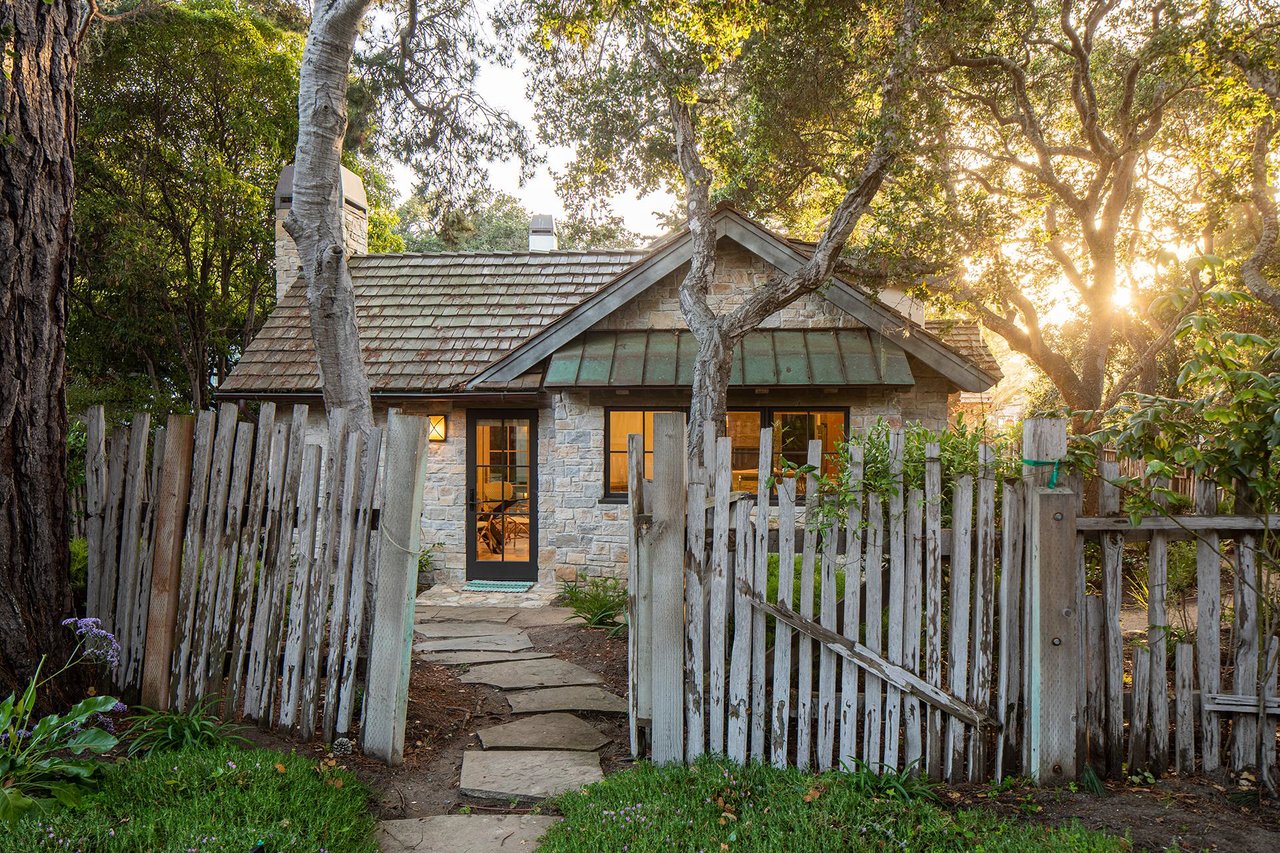
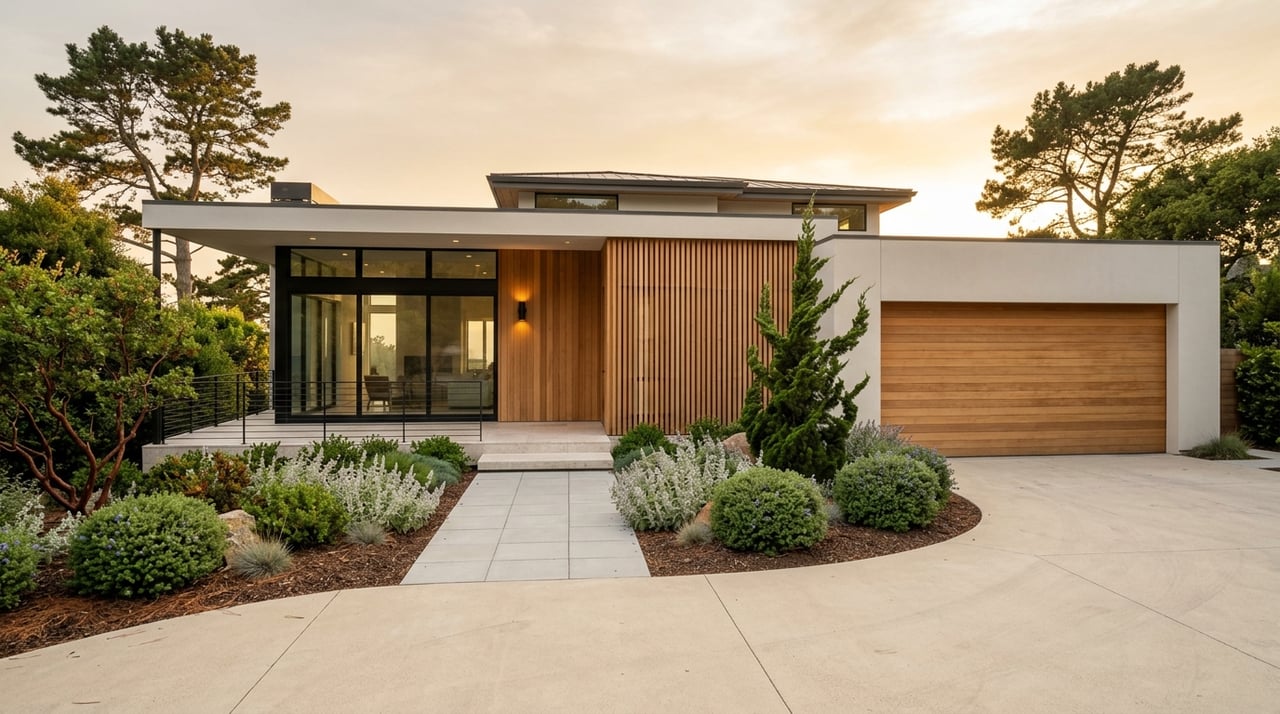
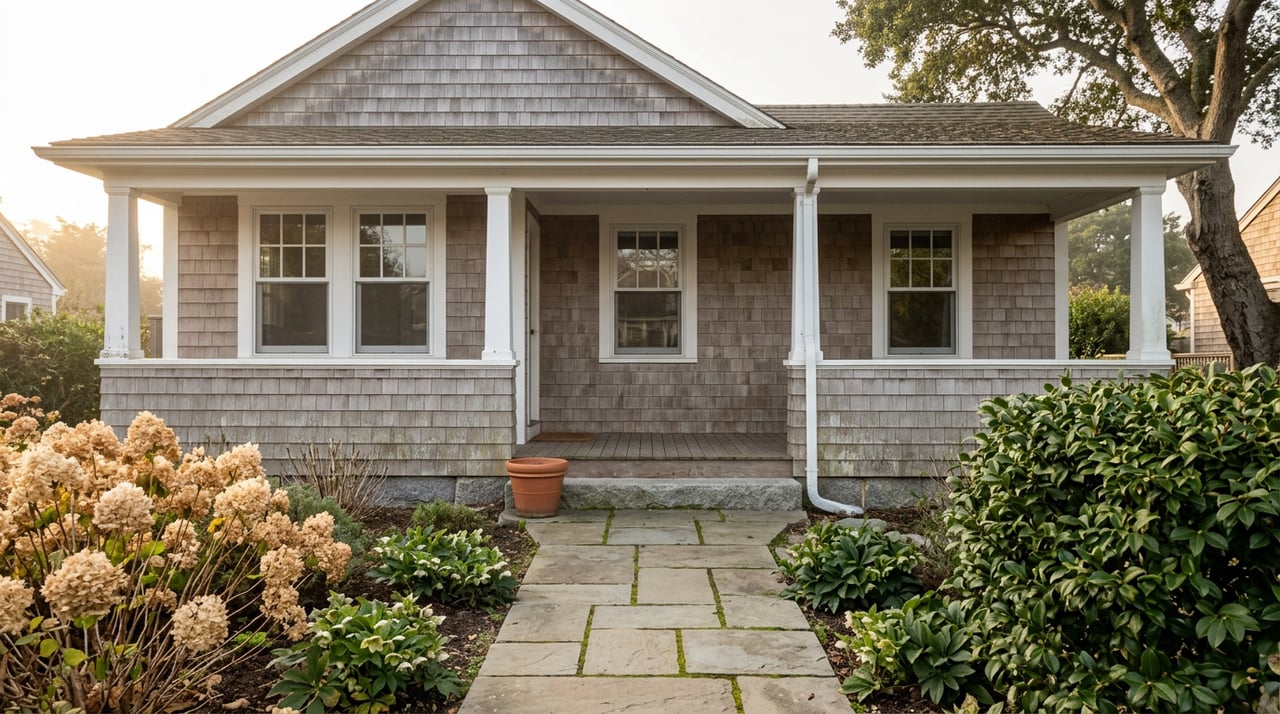
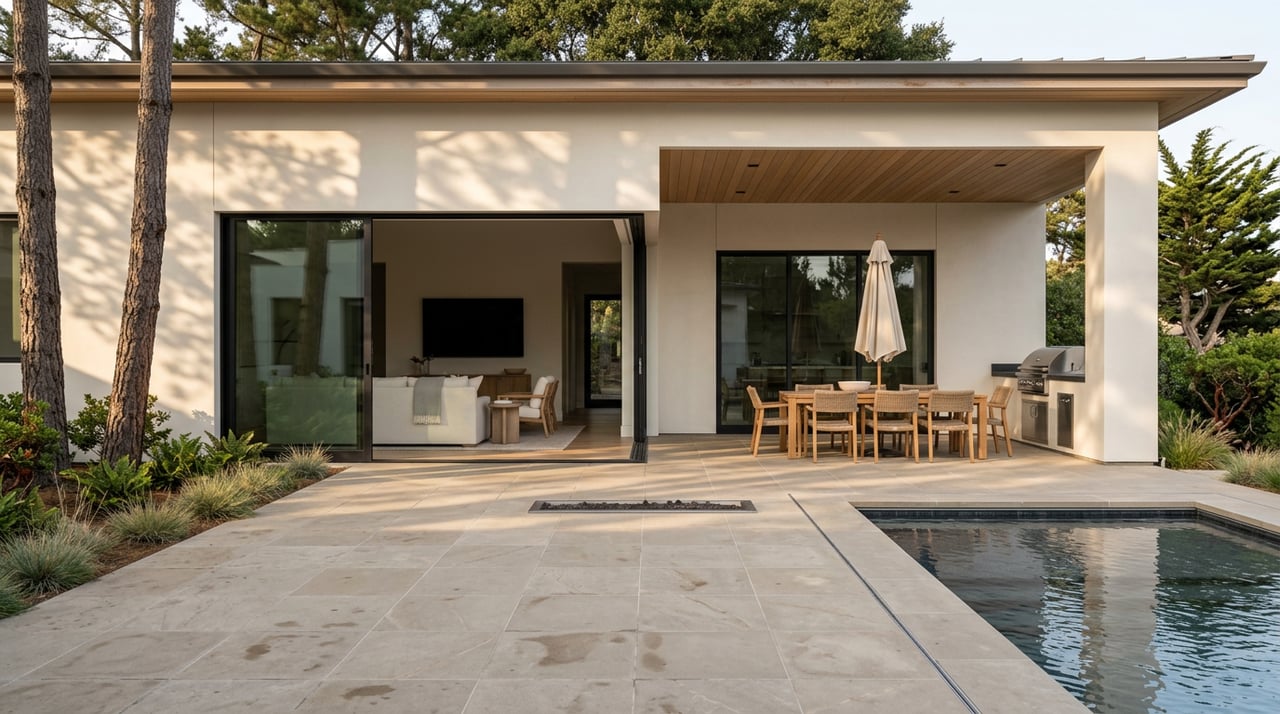
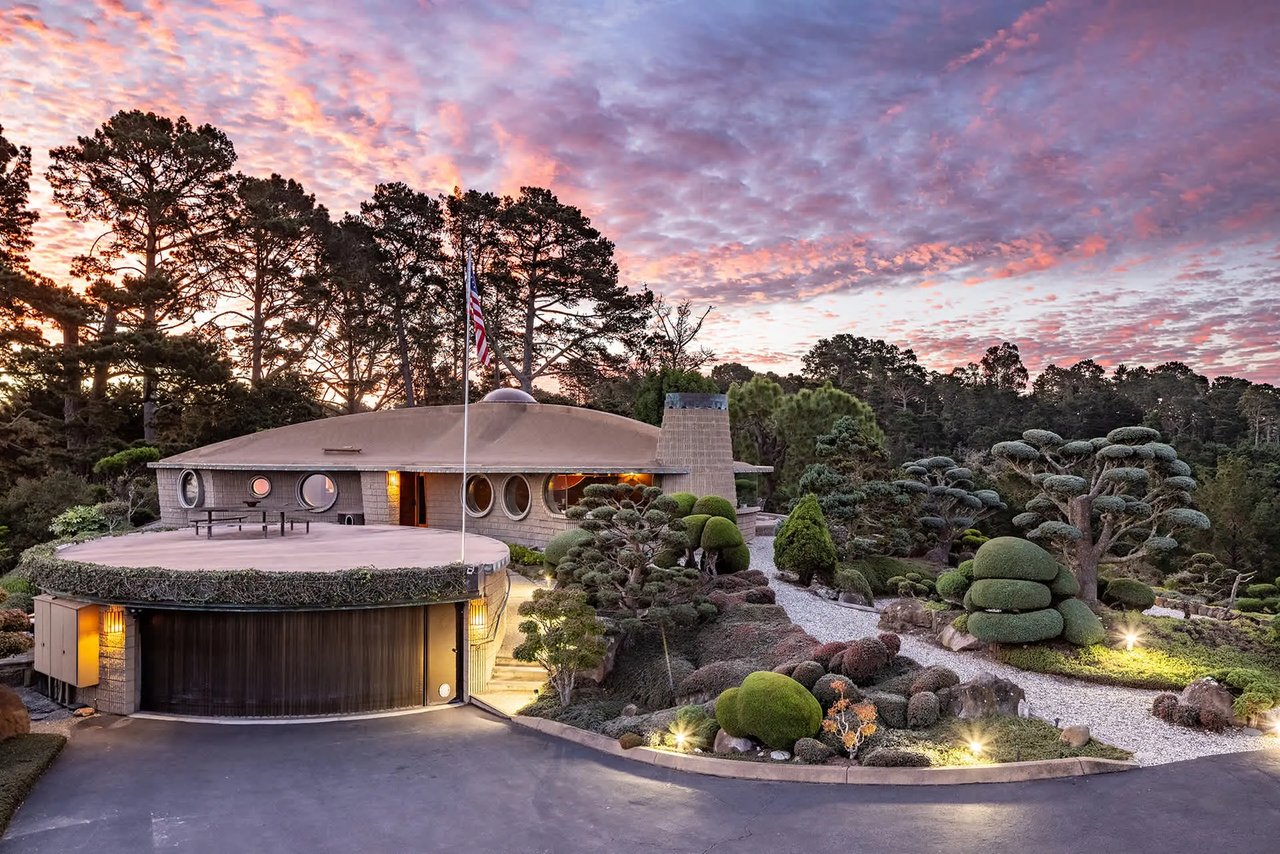
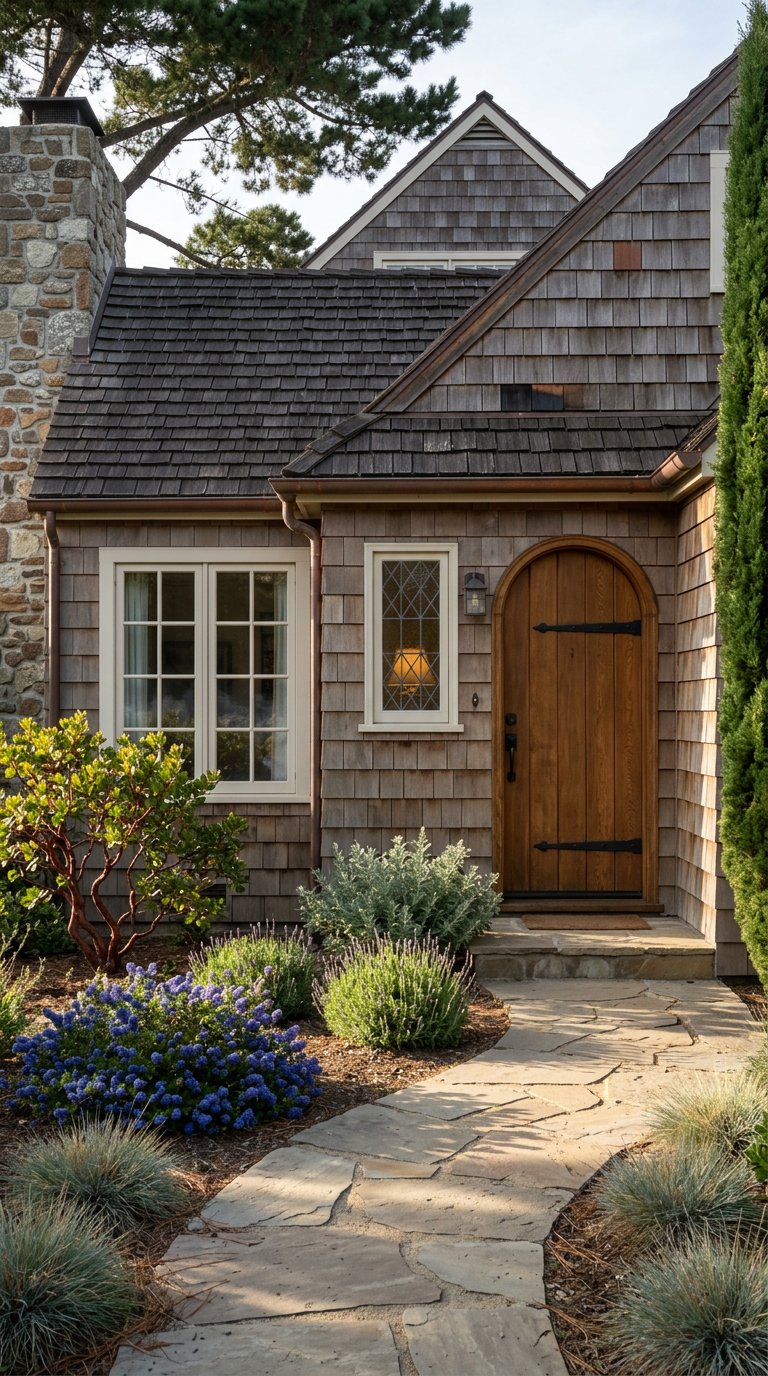
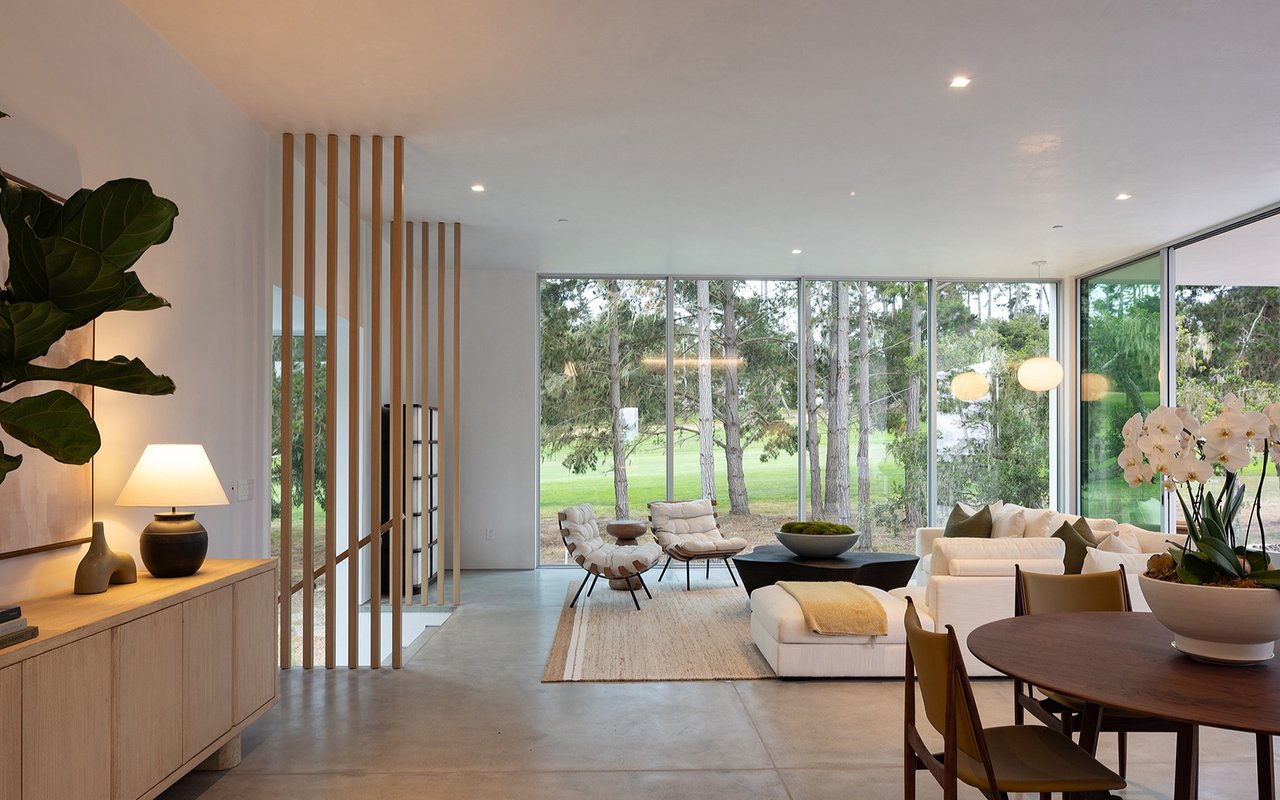
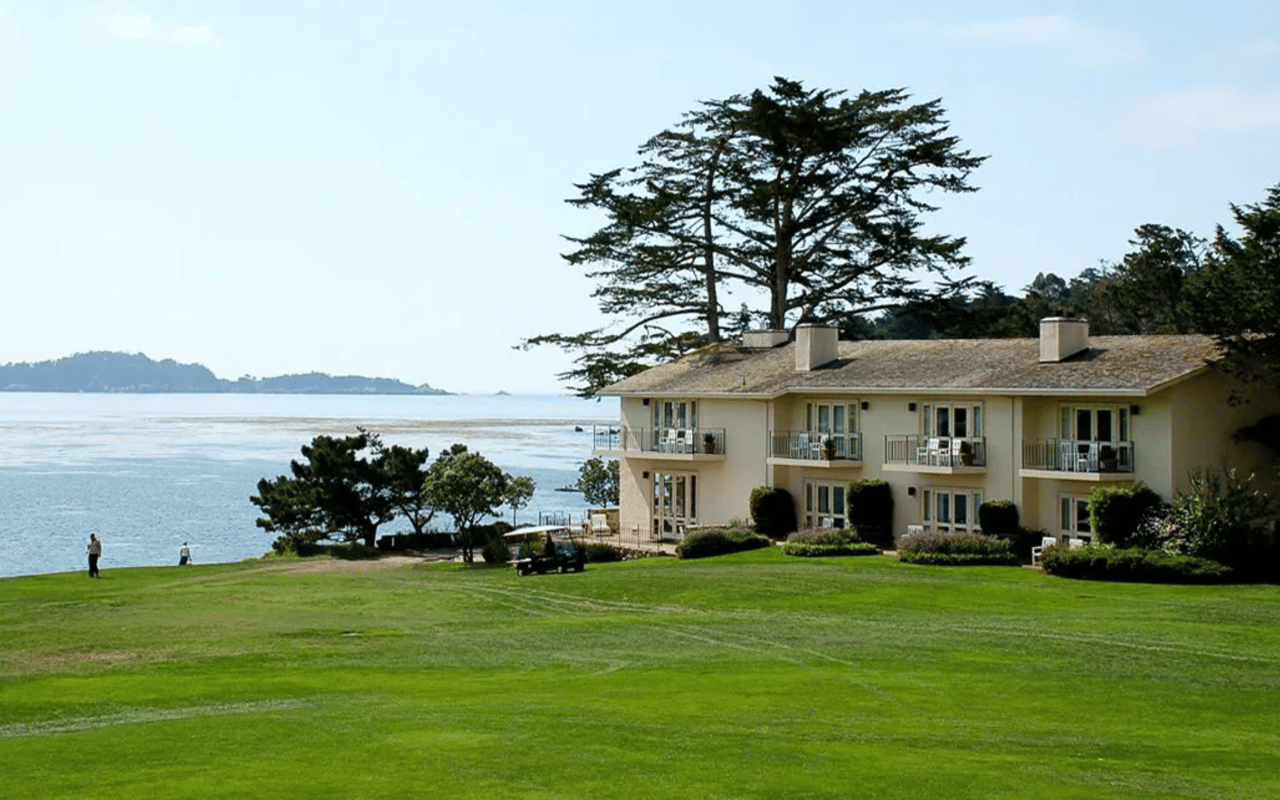
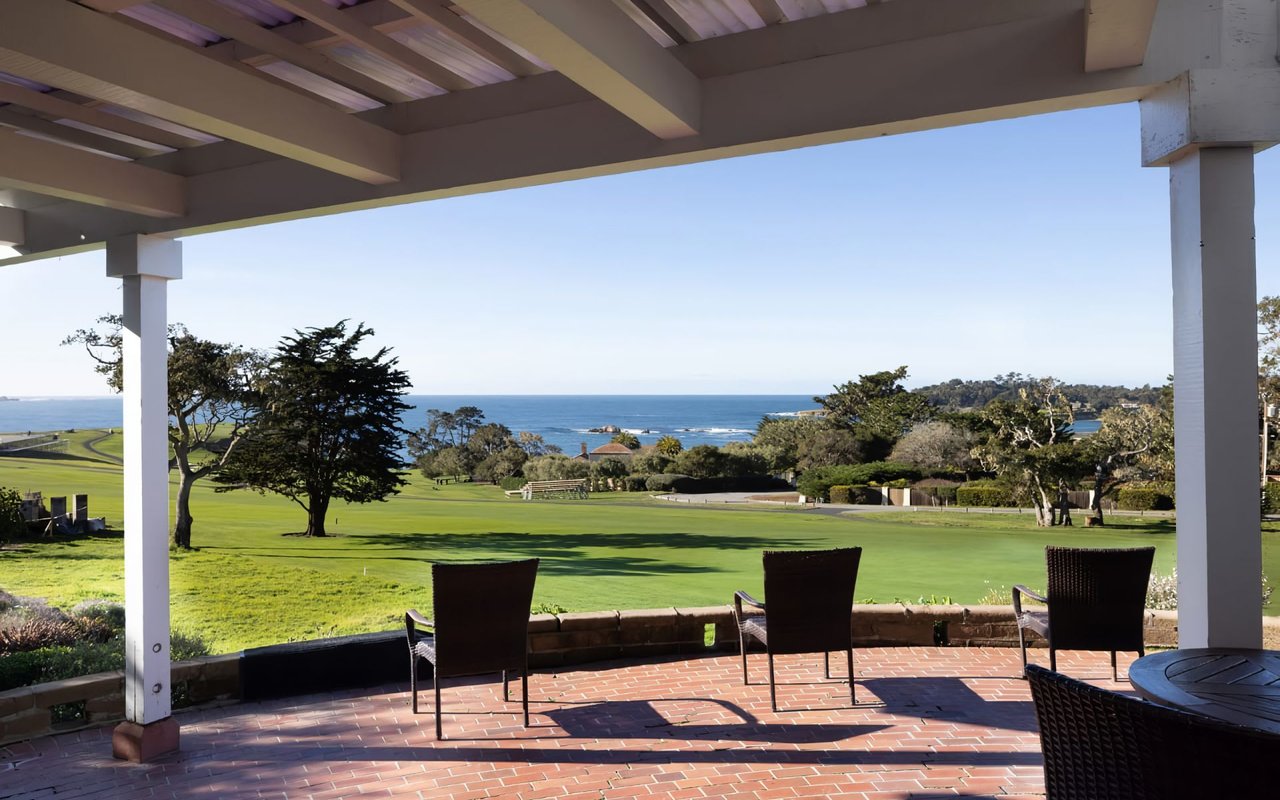
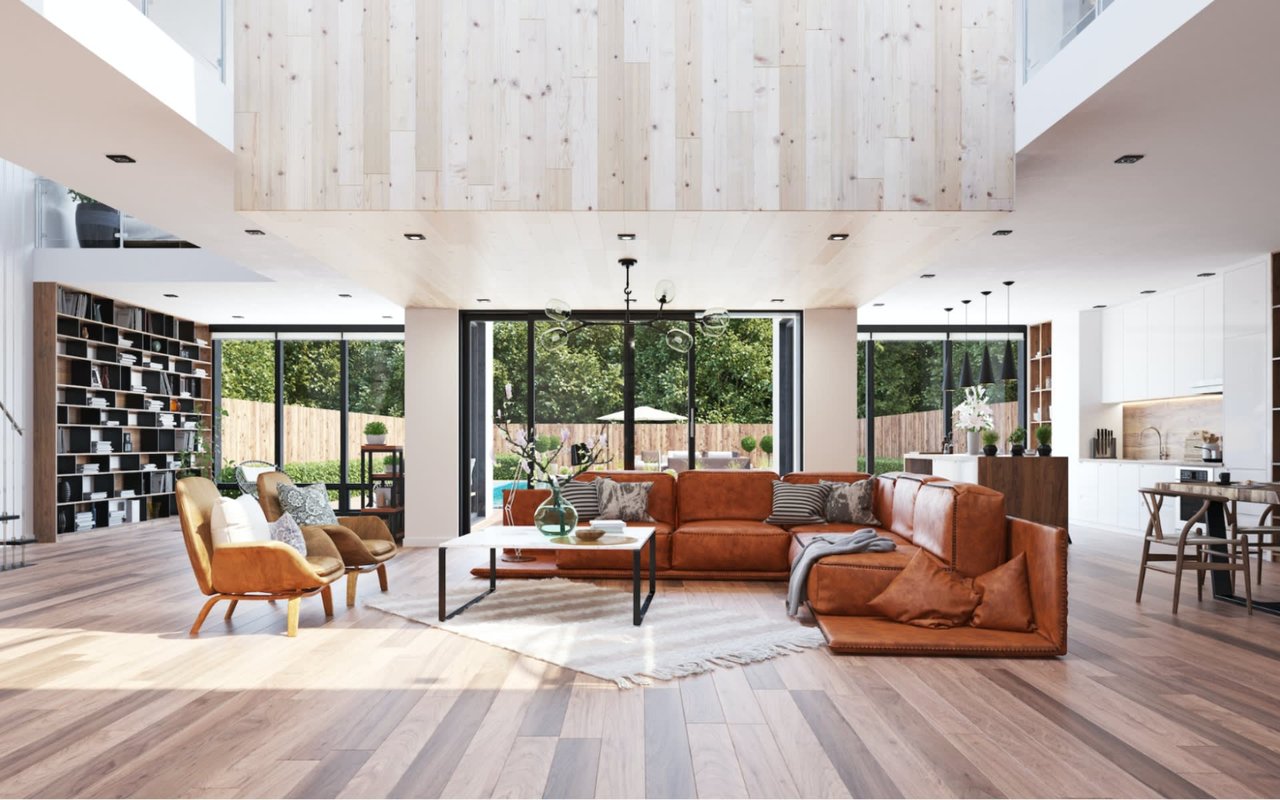
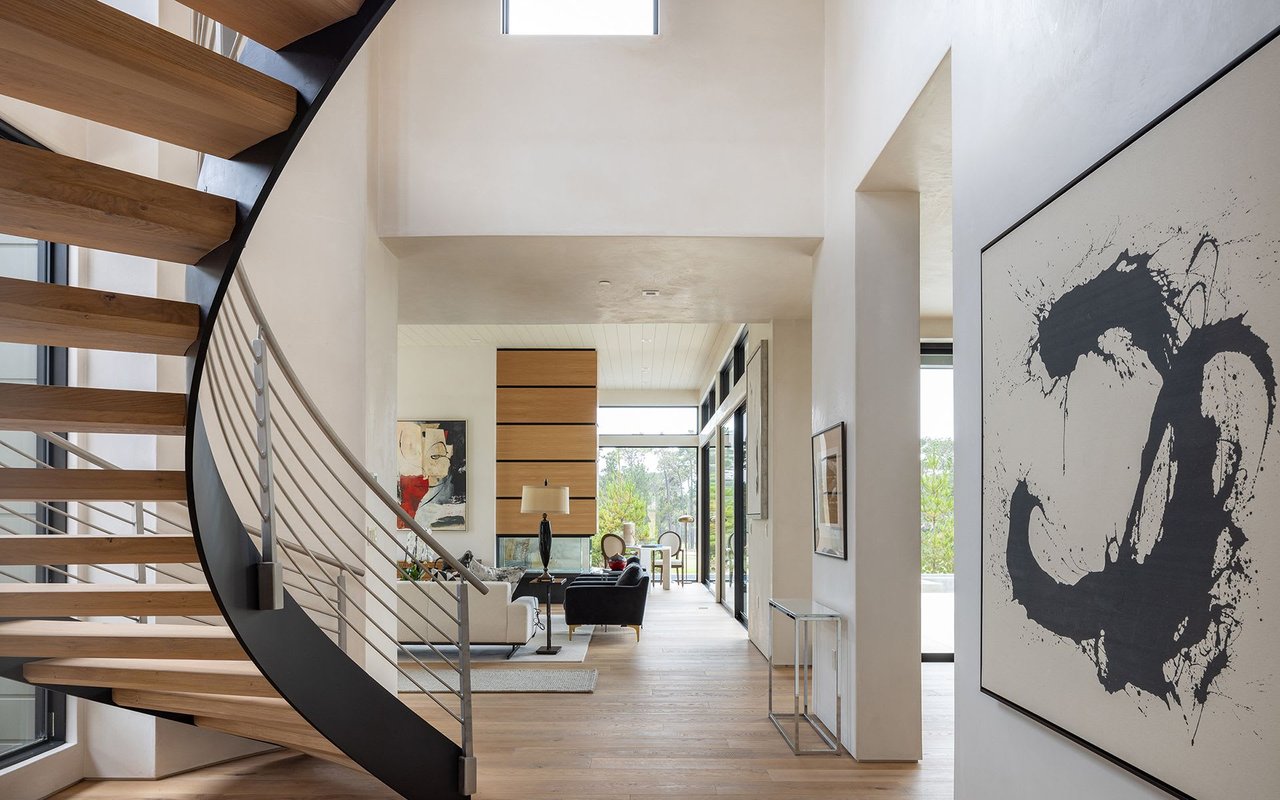
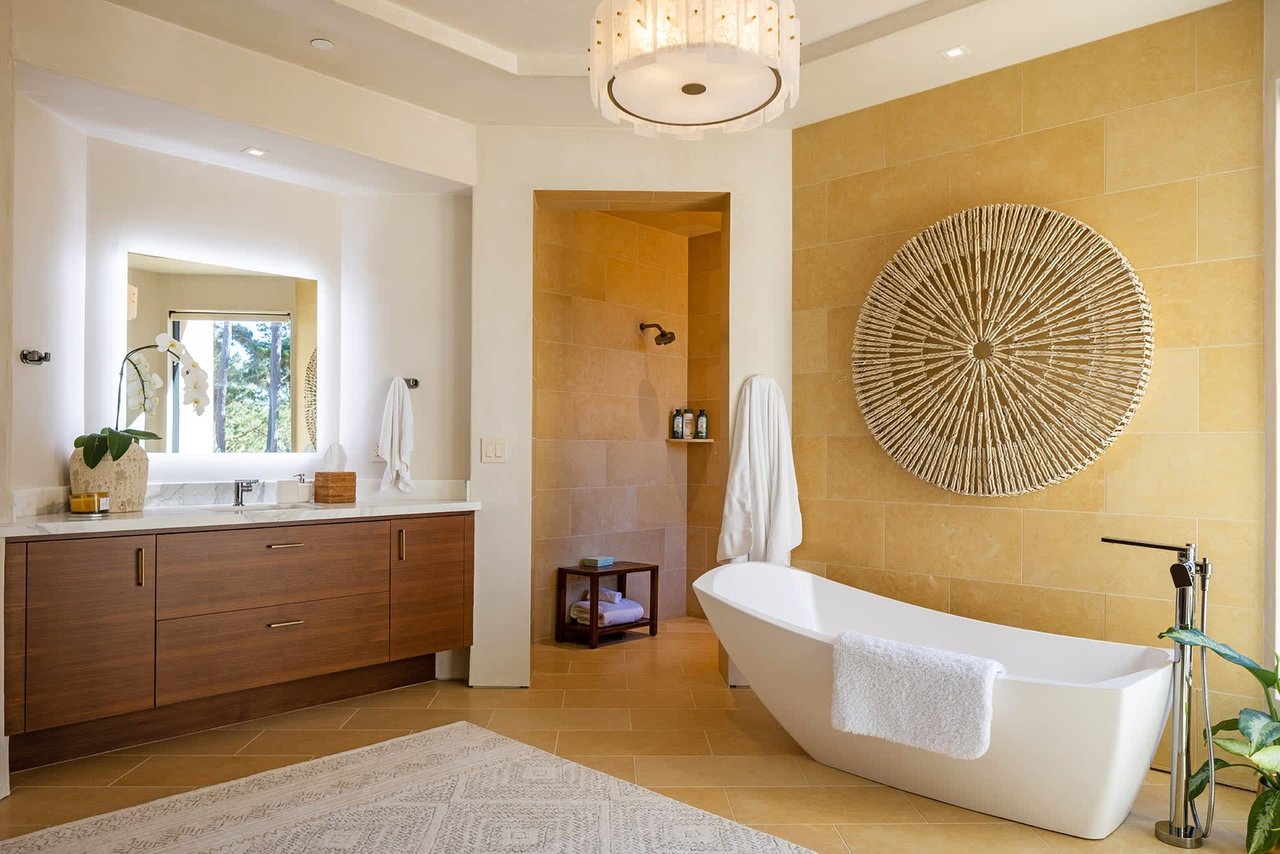
That helps explain why Carmel Valley often feels better suited to estate-style homes, ranch properties, and golf-community residences than dense multifamily living. If your priority is privacy, outdoor space, or a detached-home setting, the valley aligns well with that lifestyle.
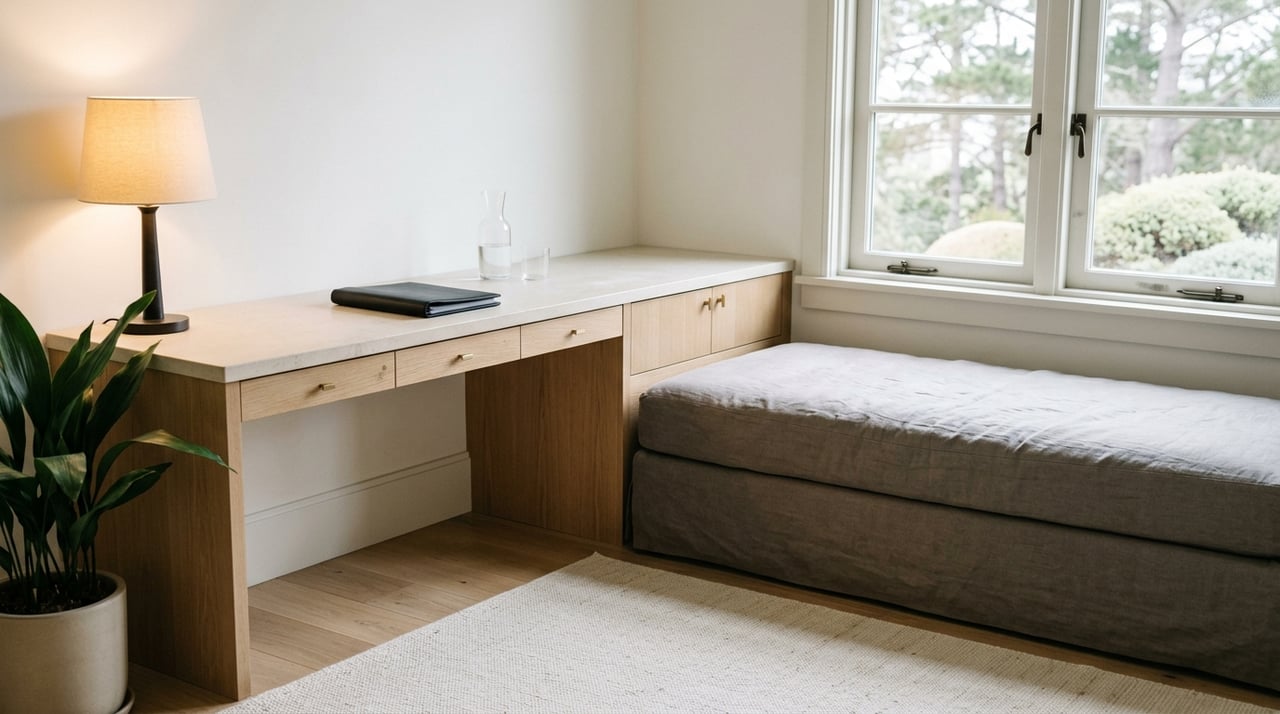
This is especially important for guests who are not looking for a hotel substitute. A longer stay usually feels best when the home supports real daily living, with room to work, host, unwind, and keep a comfortable routine.
Carmel Valley feels like a collection of submarkets
Another strength of Carmel Valley is that it is not one uniform rental district. Monterey County’s land-use description points to more concentrated residential nodes in the lower valley near Highway 1, mid-valley near Robinson Canyon Road, and around Carmel Valley Village.
That gives renters more than one way to experience the area. Some homes offer easier access toward Carmel and Monterey, while others lean more rural, private, or golf-oriented. For luxury tenants, that variety matters because the right fit often depends on how you plan to spend your time.
If you want a stay built around privacy and land, one part of the valley may fit best. If you want quicker access to village services or regular drives toward the coast, another may be more practical.
Golf and wellness amenities support longer stays
Carmel Valley also fits the way many luxury renters actually live during a month-plus stay. Recreational land uses, especially golf courses and tennis facilities, are found throughout the valley according to Monterey County’s master plan.
That broader setting is reinforced by the amenity profile of well-known local properties. Carmel Valley Ranch offers golf, pools, fitness, tennis and pickleball, spa services, and daily wellness activities. The Quail highlights a championship golf course, spa services, a heated pool, and fitness cabanas.
For a multi-month stay, these amenities matter because they support routine. Instead of treating your time in Carmel Valley like a quick escape, you can settle into a rhythm centered on recreation, wellness, and time outdoors.
Coastal access is still easy
Choosing Carmel Valley does not mean giving up the coast. Monterey County identifies Carmel Valley Road from Carmel and Monterey, along with Laureles Grade Road from Salinas, as principal access routes into the valley.
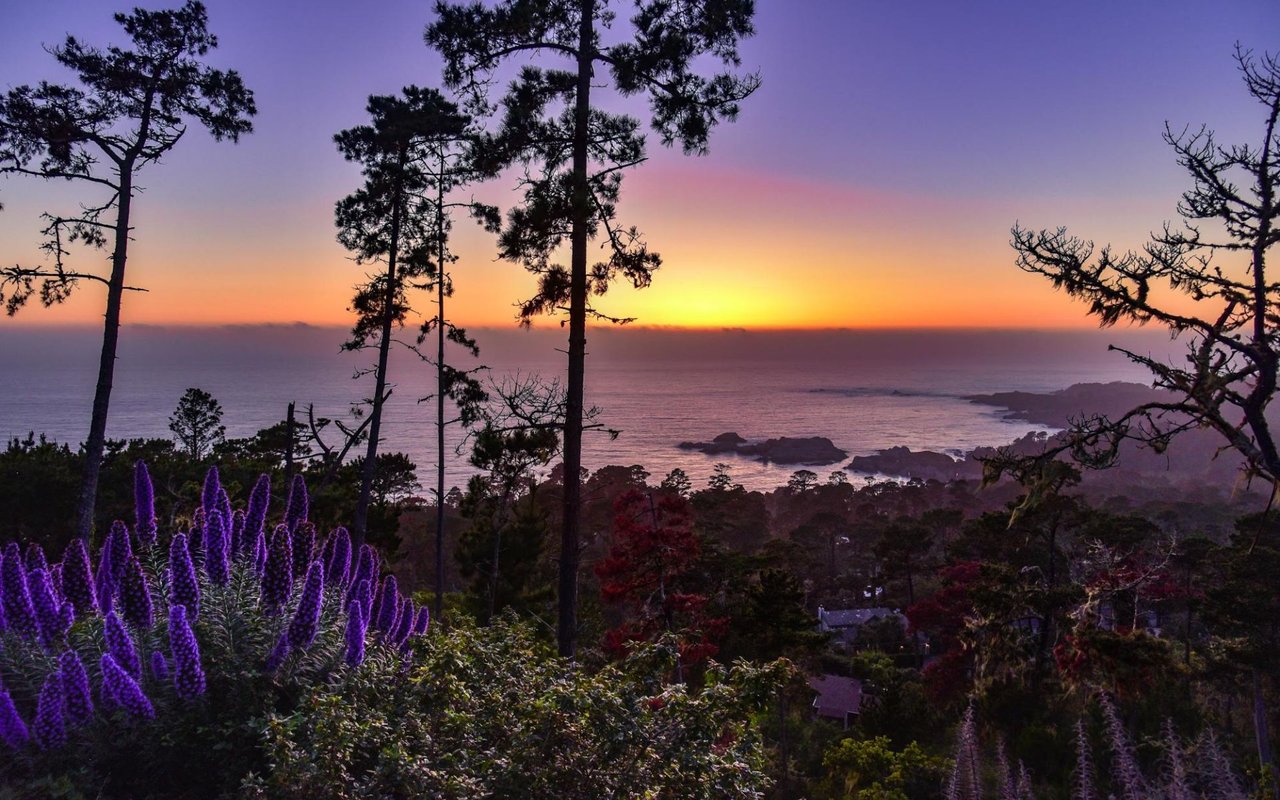
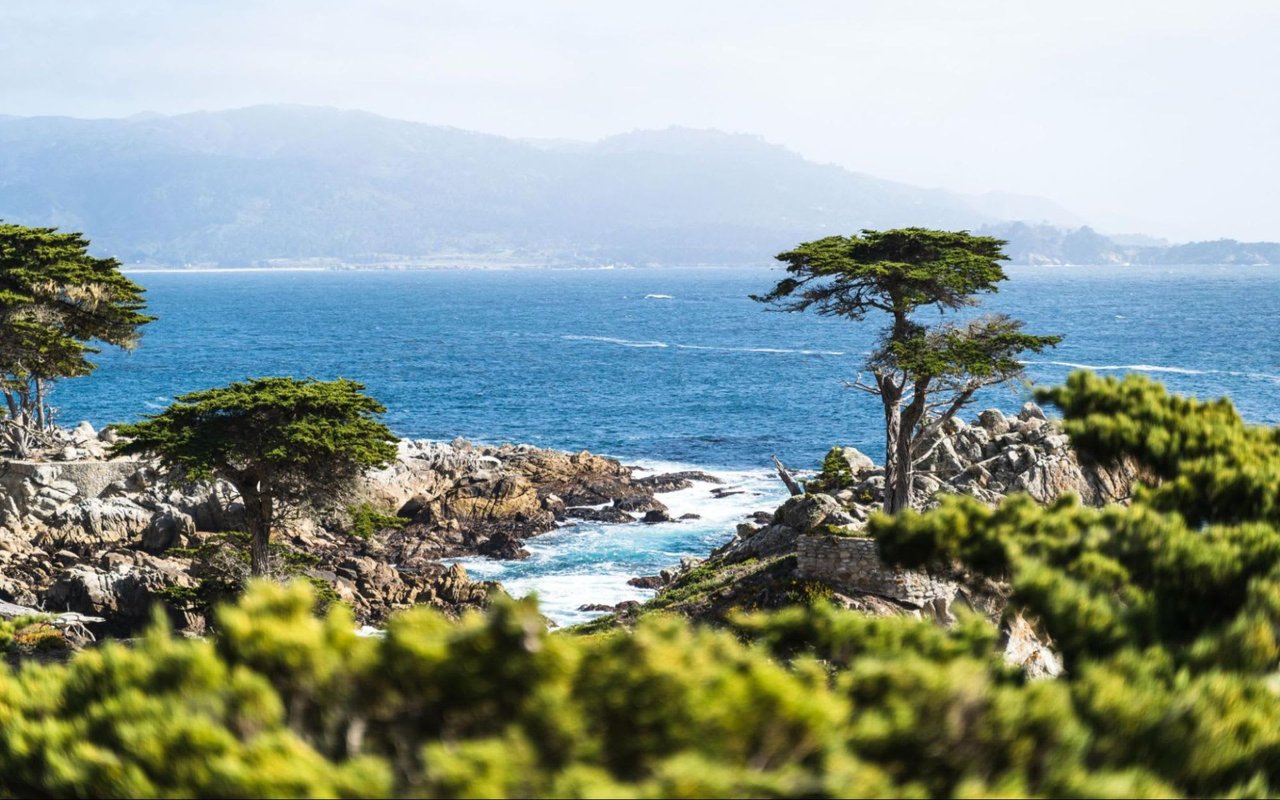
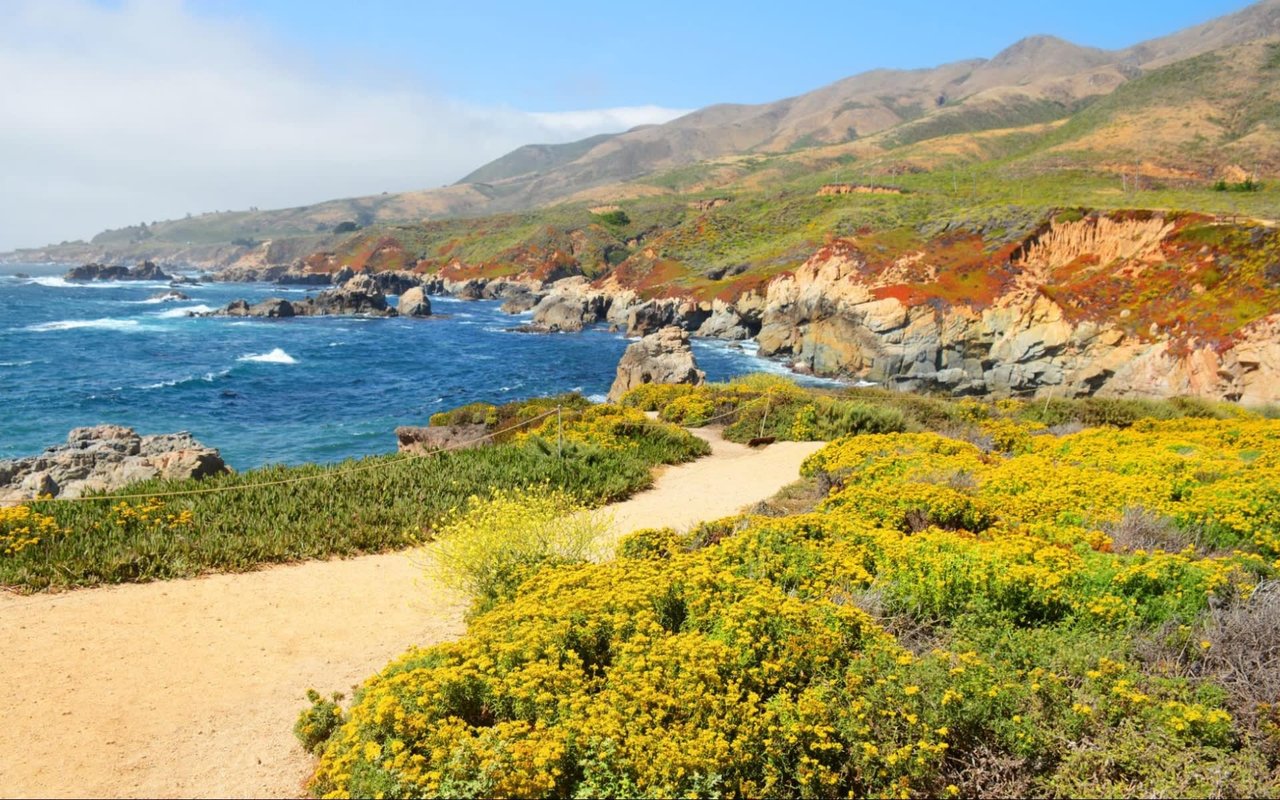
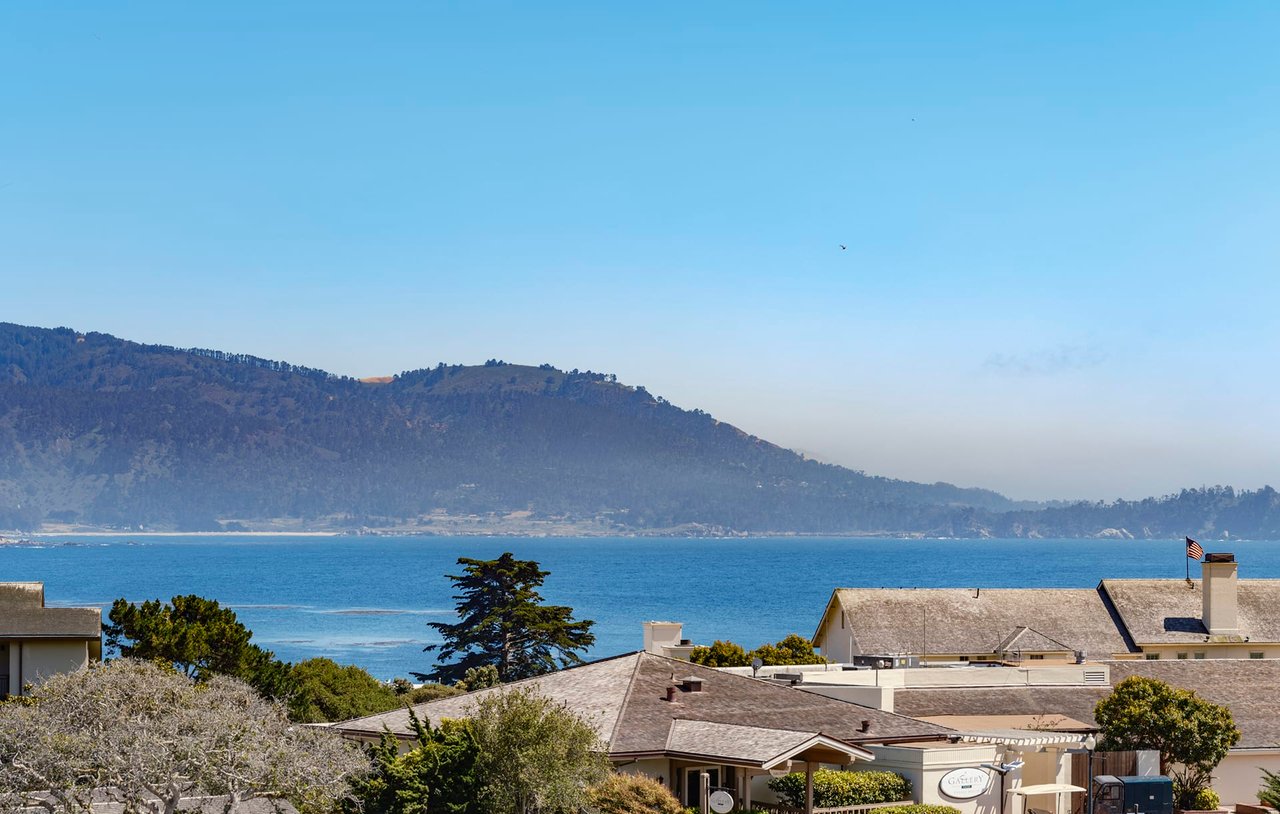
That means you can enjoy a more spacious inland home base while still making regular trips to the shoreline, dining destinations, and other Peninsula attractions. Carmel Valley Ranch also notes that the area is just minutes from coastal attractions and Highway 1.
For many long-stay renters, that balance is the sweet spot. You can live in a quieter, warmer, more residential setting without feeling disconnected from the classic coastal experience.
Carmel Valley works for several long-stay needs
Carmel Valley is especially well suited to a few common long-term luxury rental scenarios. Based on the area’s residential character, amenity mix, and location, the strongest use cases include:
- Seasonal living
- Relocation stays
- Remote-work periods
- Family transition housing
- Retreat-style occupancy
Each of these benefits from the same core features: larger homes, privacy, outdoor space, and straightforward access to both recreation and the coast. If you are trying to live well for several weeks or months, those factors usually matter more than being steps from the beach.
How Carmel Valley compares to Carmel-by-the-Sea
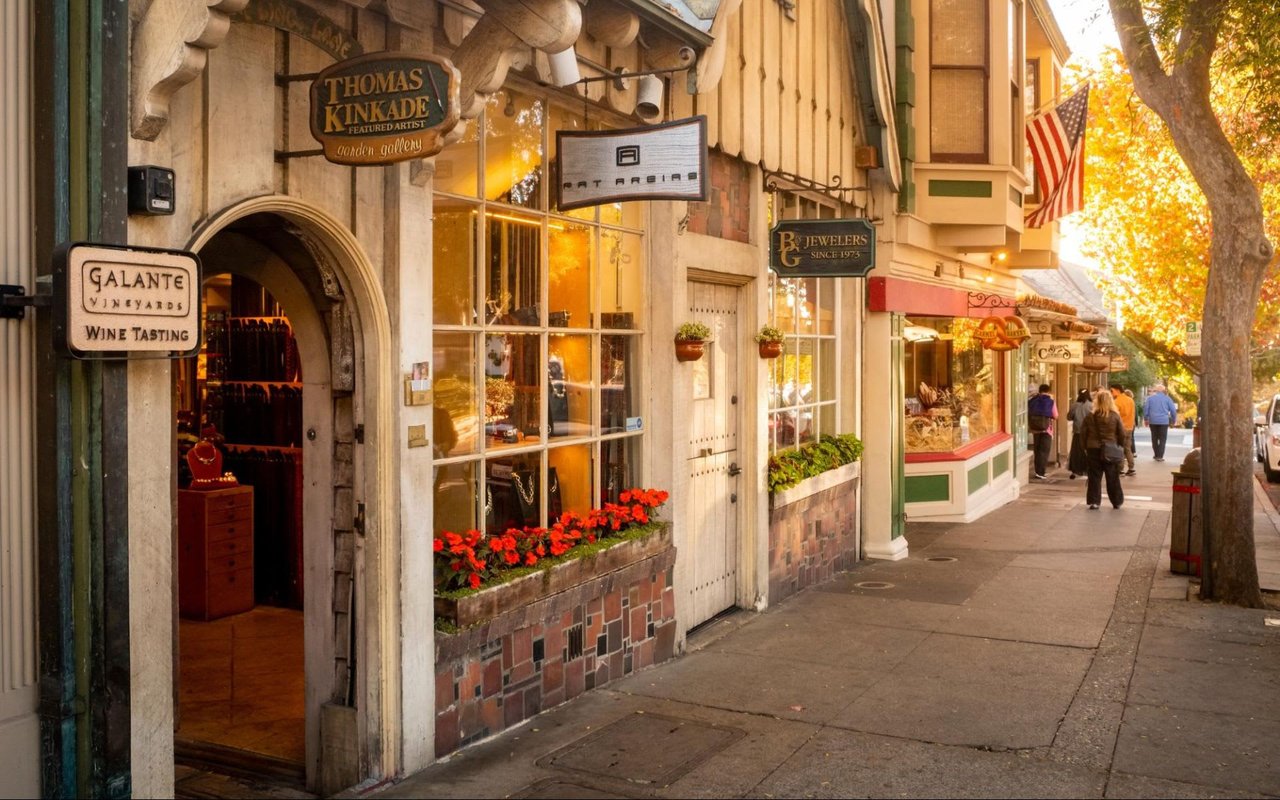
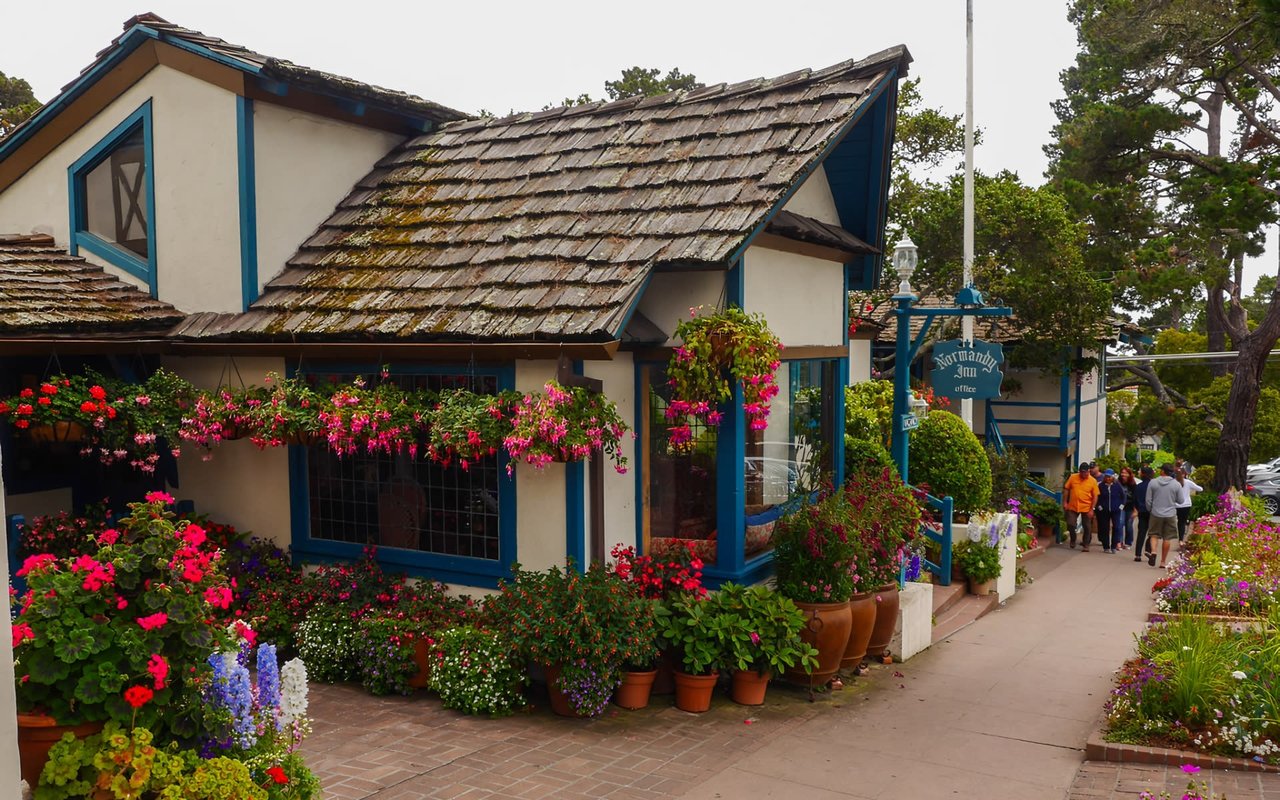
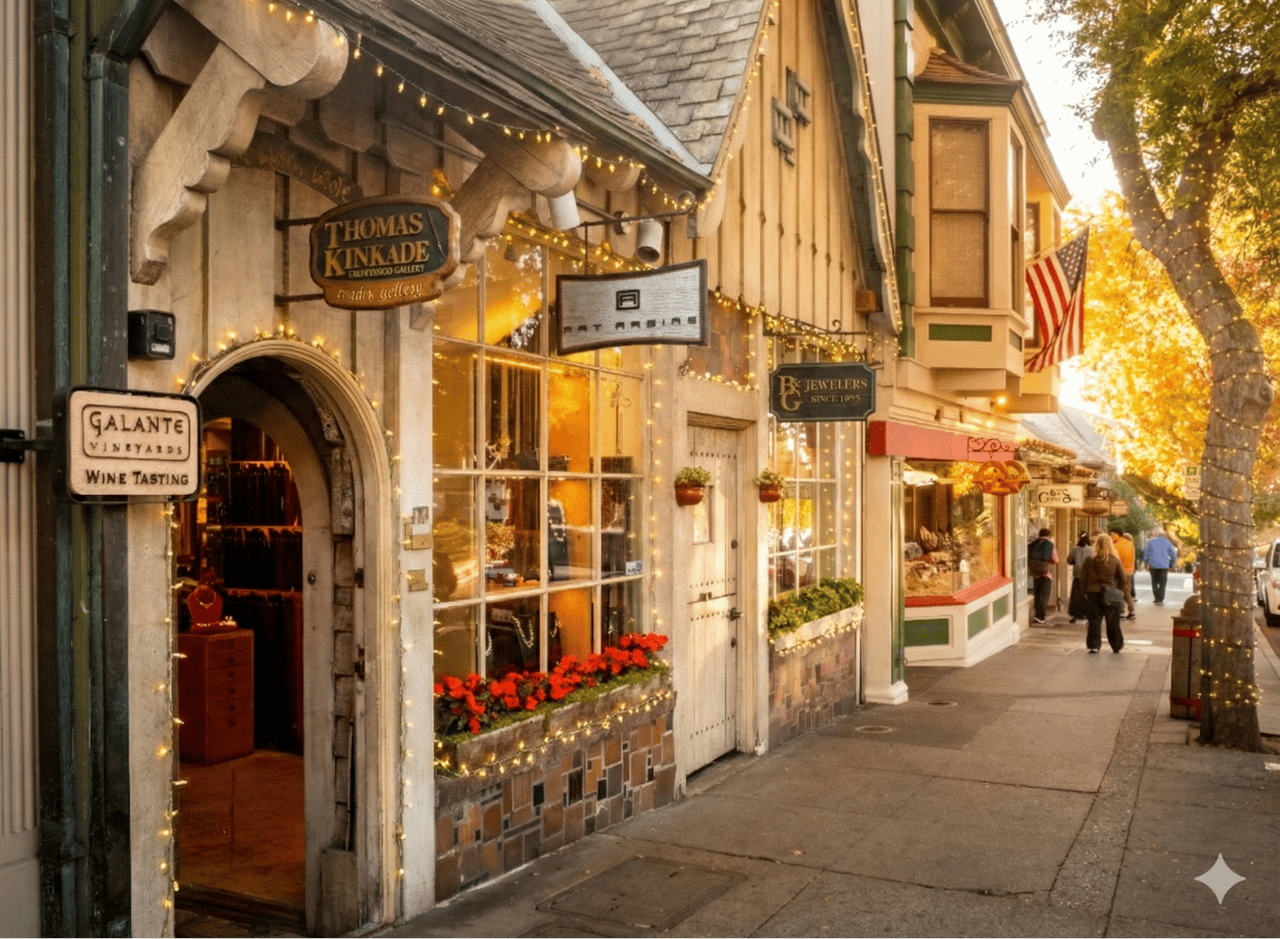
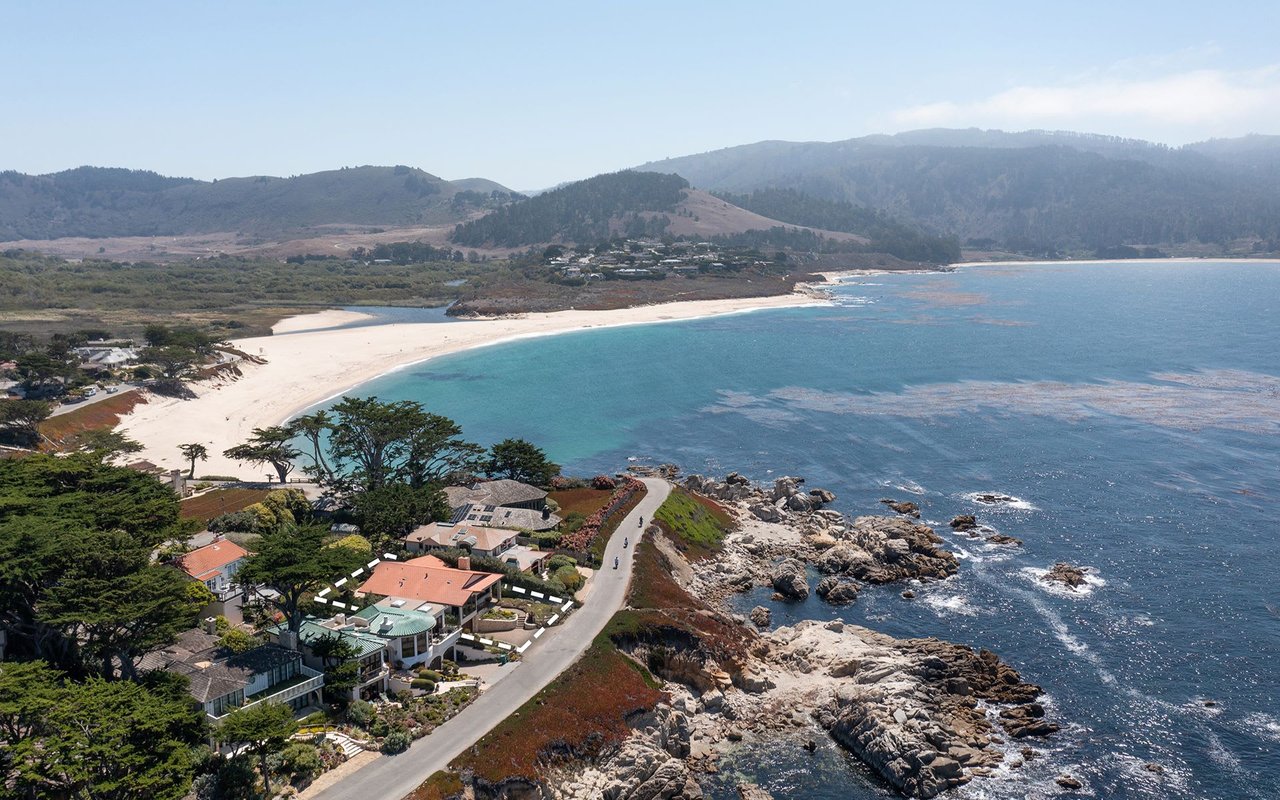
Carmel-by-the-Sea offers a very different experience. The city emphasizes its village character, and Carmel Beach remains one of its best-known public amenities.
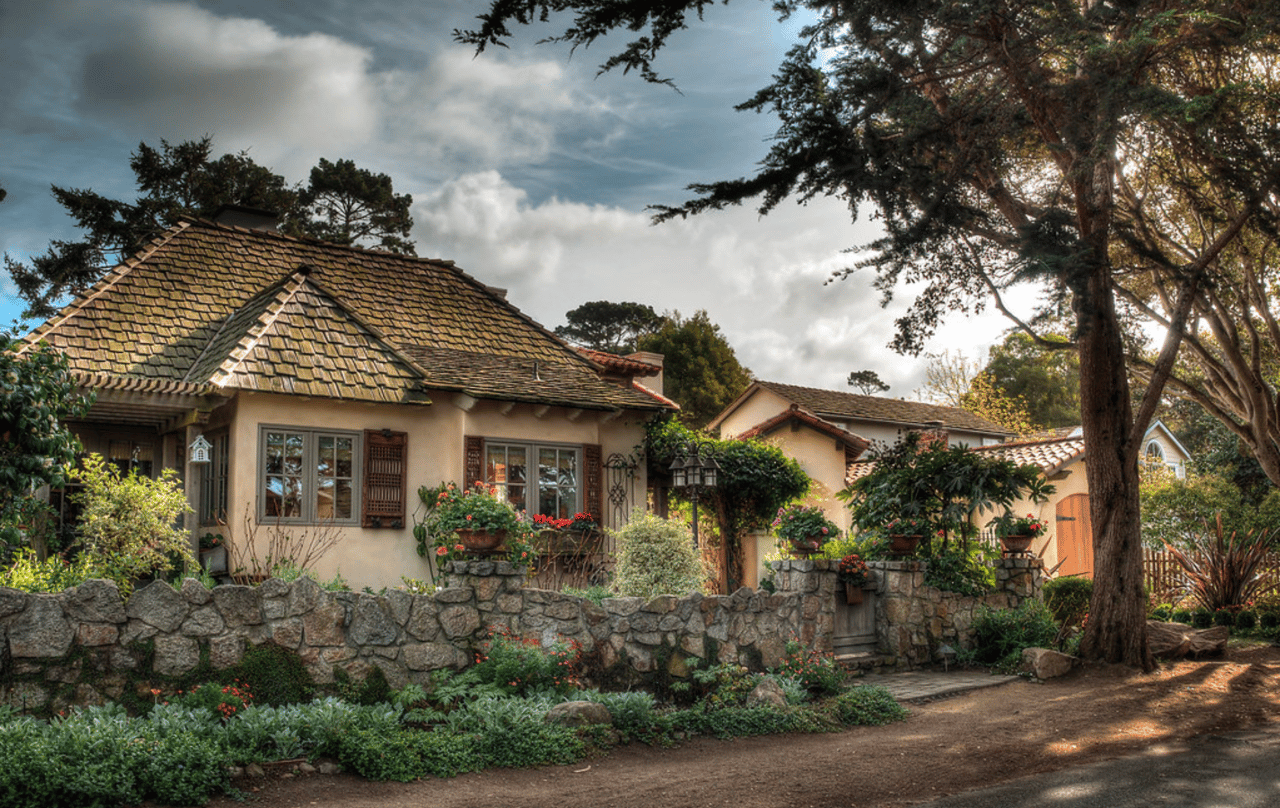
That makes Carmel-by-the-Sea especially appealing if your top priorities are beach access, walkable charm, and a classic coastal setting. It is a compelling choice, but it serves a different style of stay.
There is also a meaningful difference in rental context. Carmel-by-the-Sea states that no home or subordinate unit may be rented for fewer than 30 consecutive days in the residential district, and the city says short-term rentals are prohibited in the single-family R-1 zoning district.
For renters considering a longer luxury lease, the key takeaway is simple. Carmel-by-the-Sea is more beach-centered and village-like, while Carmel Valley is often better matched to guests who want more space, a warmer inland climate, and a more residential day-to-day feel.
How Pebble Beach differs from Carmel Valley
Pebble Beach is another strong luxury destination, but it offers a different model. It is more resort-and-golf oriented, with well-known features like championship golf, 17-Mile Drive, open space, trails, and resort accommodations.
That makes Pebble Beach highly attractive for experience-driven stays. Carmel Valley, by contrast, often feels more rooted in detached homes, ranch-style properties, and a broader residential landscape.
If you are deciding between the two, think about how you want your stay to feel. Pebble Beach leans iconic and resort-centered, while Carmel Valley often delivers more privacy, more land, and a steadier residential rhythm.
Local rules make the long-stay model clearer
Monterey County defines a vacation rental in unincorporated areas as residential use for 30 calendar days or less. The county also states that operators need a TOT certificate and a Vacation Rental Operation License, with additional approvals required for some commercial vacation rentals.
The county’s TOT page lists the transient occupancy tax at 10.5% in unincorporated Monterey County. The county also makes clear that paying TOT alone does not authorize short-term rental use.
For stays longer than 30 nights, the county advises that listings clearly show a 31-day minimum where applicable. In practical terms, that makes the long-term luxury rental model easier to understand for many Carmel Valley properties than the more tightly regulated sub-30-day patterns seen in some nearby coastal areas.
This does not mean every parcel follows the same path, but it does reinforce the broader appeal of Carmel Valley for seasonal and extended luxury stays.
Why this matters for luxury renters
A successful long-term luxury rental is not only about the home itself. It is about whether the setting supports the way you want to live for weeks or months at a time.
Carmel Valley stands out because it combines several qualities that rarely come together so naturally: warm inland weather, larger detached-home patterns, golf and wellness amenities, and easy access back to the coast. That combination gives you flexibility without sacrificing comfort or privacy.
For discerning renters, that can make the difference between a stay that feels temporary and one that feels fully settled. And when you are looking for a refined seasonal lease, that distinction matters.
If you are exploring a longer luxury stay on the Monterey Peninsula, Carmel Valley deserves a close look. For curated guidance and discreet, high-touch support, Tim Allen can help you find a property that fits the way you want to live.
FAQs
Why is Carmel Valley good for long-term luxury rentals?
- Carmel Valley combines a warmer inland climate, larger detached-home settings, golf and wellness amenities, and convenient coastal access, which makes it well suited to month-plus stays.
What types of homes are common in Carmel Valley rentals?
- Based on Monterey County land-use descriptions, the clearest fit includes detached estates, ranch-style homes, and golf-community residences.
How is Carmel Valley different from Carmel-by-the-Sea for renters?
- Carmel-by-the-Sea is more village- and beach-centered, while Carmel Valley typically offers more space, a more residential setting, and a warmer inland feel.
Are long-term rentals treated differently than short-term rentals in Monterey County?
- Yes. Monterey County defines vacation rentals in unincorporated areas as stays of 30 calendar days or less, and for stays longer than 30 nights the county advises clearly showing a 31-day minimum where applicable.
Is Carmel Valley still convenient to the coast?
- Yes. Principal access includes Carmel Valley Road from Carmel and Monterey, which supports regular trips between the valley and coastal destinations.
Who is Carmel Valley best for during a multi-month stay?
- Carmel Valley is a strong fit for seasonal living, relocation stays, remote-work periods, family transitions, and retreat-style occupancy.