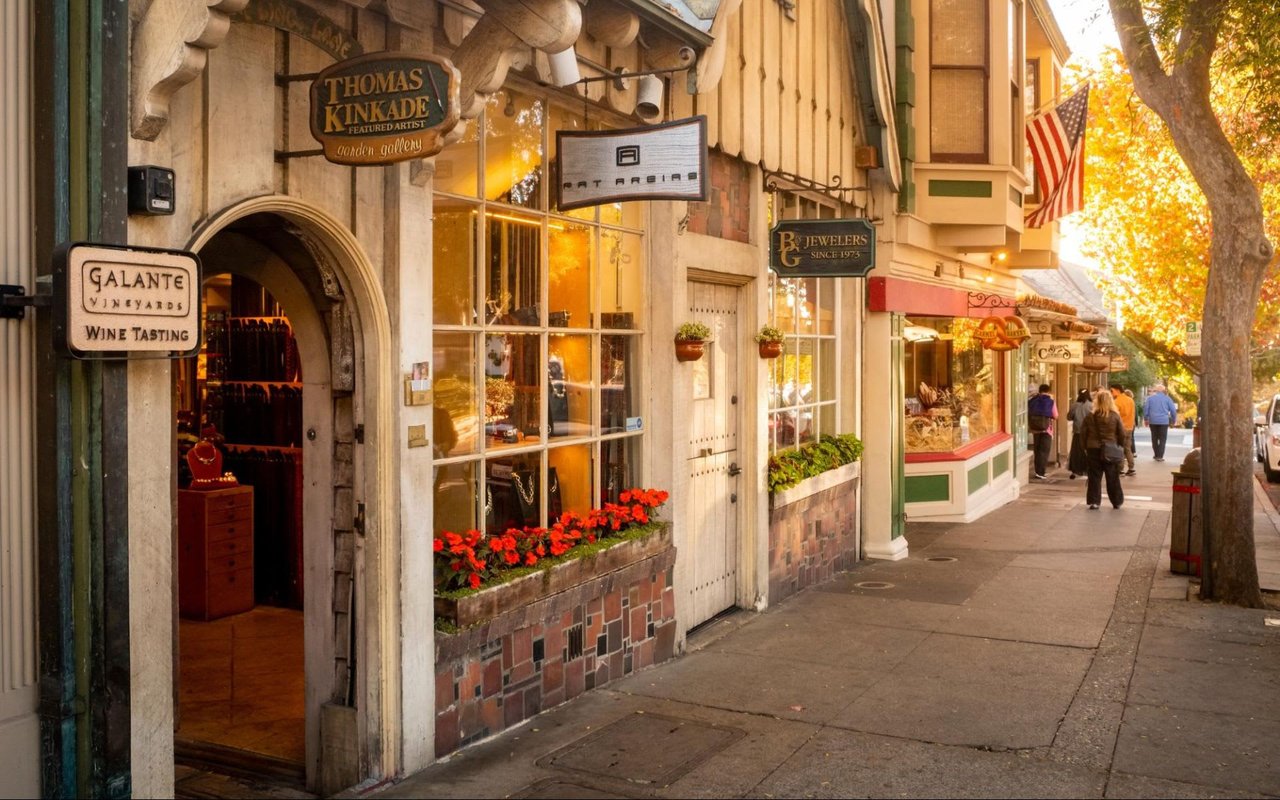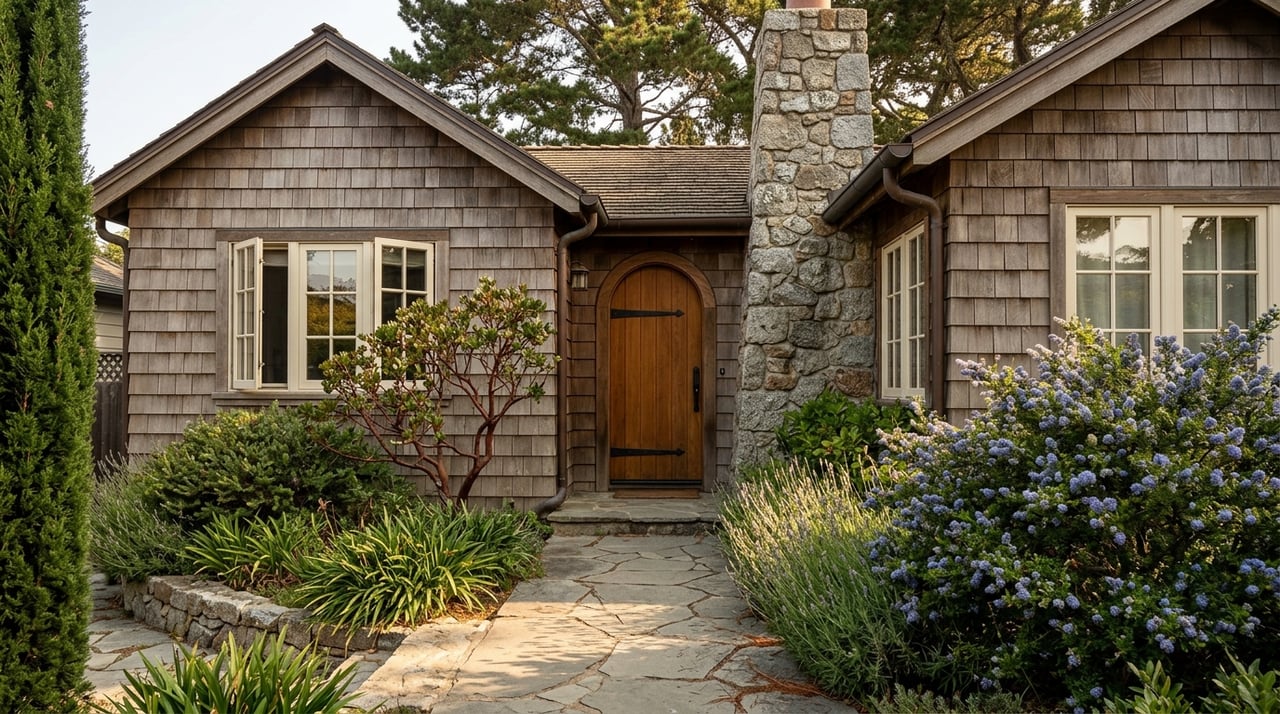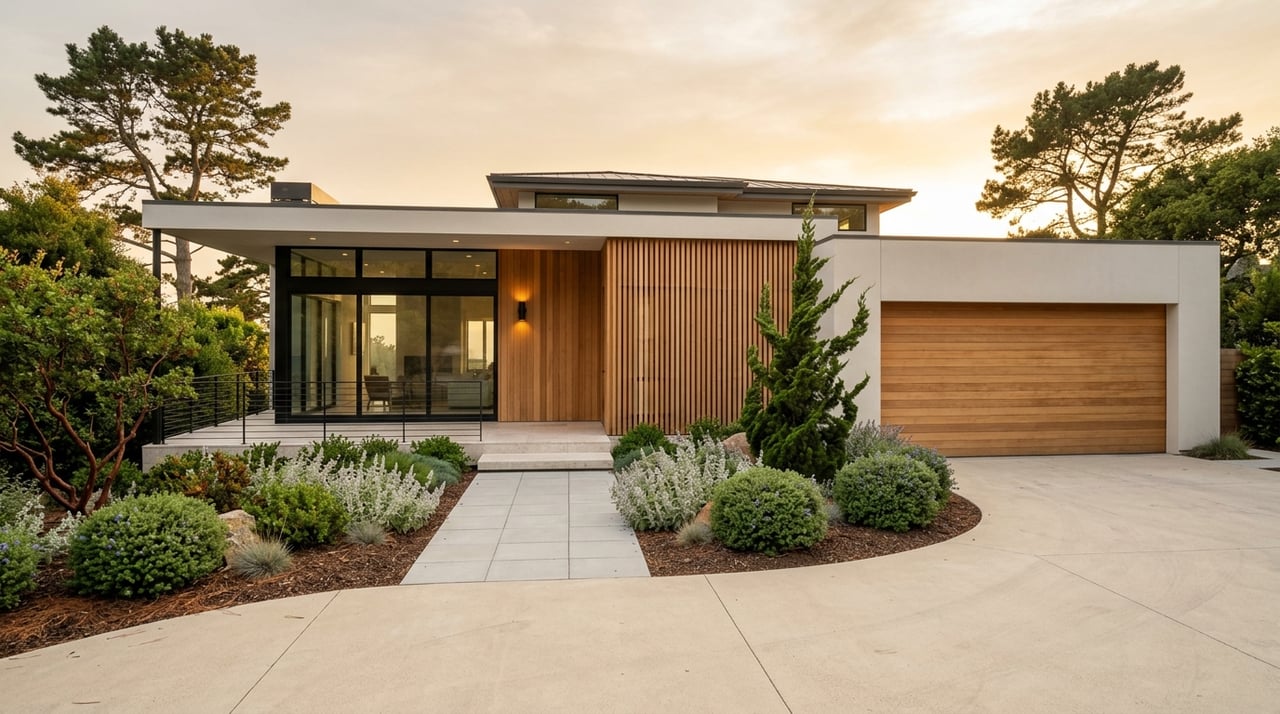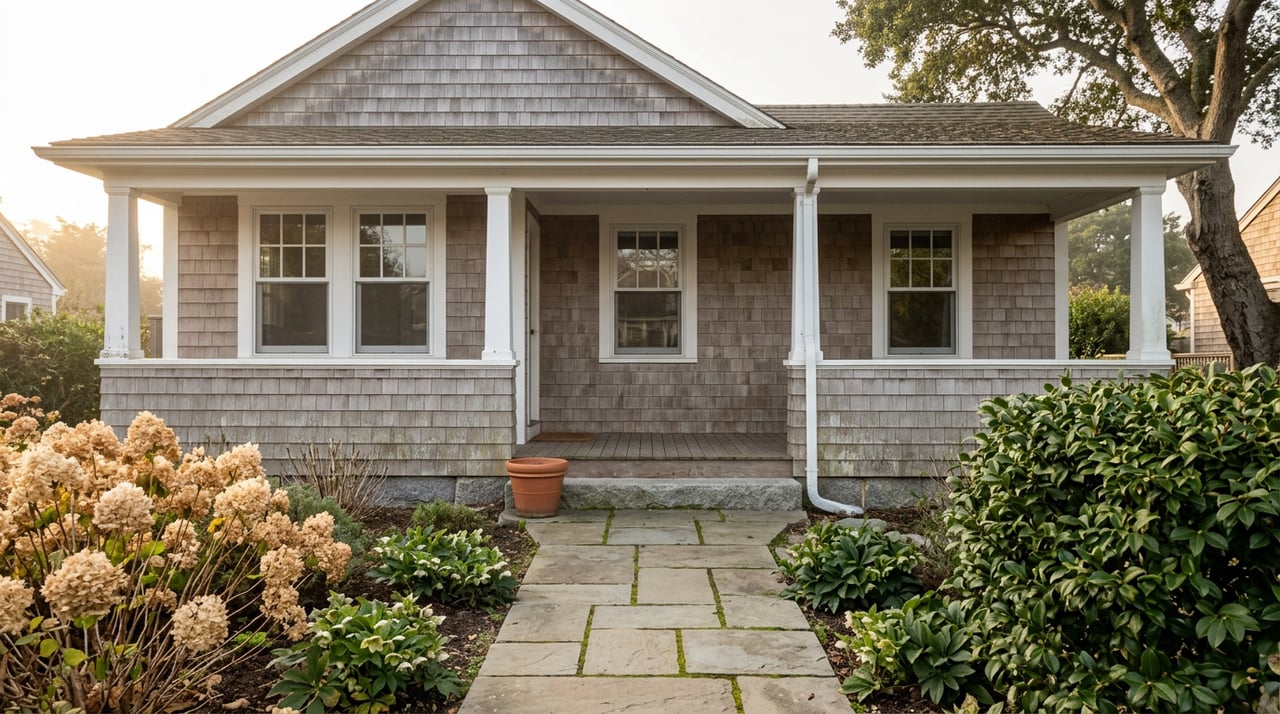
On a Saturday afternoon in Carmel Valley Village, the parking spots along Carmel Valley Road fill with rental cars and the tasting rooms run two deep at the bar. Walk past Folktale Winery and you'll see a wedding tent going up in the vineyard. Drive a few minutes further and Carmel Valley Ranch has just finished a top to bottom overhaul of its spa and lobby, unveiling a reimagined Spa Aiyana built around treetop treatment suites and a redesigned arrival experience meant to feel like a private ranch estate. Bernardus Lodge and Spa keeps its rooms booked through crush season. Los Laureles Lodge, tucked into the hills, hosts cycling teams and wedding parties on a rotation that rarely slows.
It looks, from the road, like a place where a homeowner could rent out a guest cottage on a big wine weekend and cover a chunk of the mortgage. That assumption is wrong, and it is wrong by design. Monterey County's vacation rental ordinance, in effect for the inland unincorporated area since October 14, 2024, does something to Carmel Valley that it does not do to most of the rest of the unincorporated Peninsula. It bans commercial vacation rentals outright in every residential zone in the Carmel Valley planning area. Not caps them. Bans them.
The Rule That Doesn't Show Up on a Listing Sheet
Monterey County splits short-term rentals into three categories. A Homestay requires the owner to be present during the guest's stay, and it carries no county-wide cap. A Limited Vacation Rental lets an absent owner rent the whole house up to three times a year, also uncapped. A Commercial Vacation Rental is the one that actually functions like a business: unlimited nights, owner absent, run more or less like a small hotel.
Across most of unincorporated Monterey County, that Commercial category is capped at 4 percent of the housing stock in a given planning area, administered through a discretionary use permit. That's the model people picture when they hear "vacation rental market." But the ordinance carved out four exceptions where Commercial Vacation Rentals aren't capped at all. They're prohibited. Big Sur is one. Carmel Highlands is another. The residential zones of Moss Landing round out the list. And every residential zoning designation in the Carmel Valley planning area, from low density to high density residential, is on it too.
Because Carmel Valley's residential areas sit in the inland, not coastal, jurisdiction, that ban has applied since the inland ordinance took effect in October 2024, a full year before the parallel coastal provisions for Big Sur and Carmel Highlands cleared the California Coastal Commission and took effect in late October 2025. If you're pricing a Carmel Valley purchase against a Carmel Highlands or Big Sur comparable and assuming they share a regulatory timeline, they don't. Carmel Valley got there first, and by a wide margin.
Here is how the planning areas actually compare on the one thing that determines whether a house can legally function as a nightly rental:
| Planning Area | Commercial Vacation Rental Status |
|---|---|
| Carmel Valley (all residential zones) | Banned since October 2024 |
| Big Sur | Banned |
| Carmel Highlands | Banned |
| Moss Landing (low/medium density residential) | Banned |
| Del Monte Forest / Pebble Beach | Conditional, subject to Pebble Beach Company consent under CC&Rs |
| Most other unincorporated inland and coastal areas | Capped at 4% of local housing stock |
The county's own vacation rental page confirms the ordinance and its effective dates directly, and it's worth reading before you assume a house comes with income potential just because the neighborhood is full of visitors.
Where the Overnight Money Actually Lands
The visitor spending in Carmel Valley hasn't gone anywhere. It has just been routed entirely through licensed lodging operators instead of homeowners. Carmel Valley Ranch's newly finished renovation, which brought a reimagined Spa Aiyana and a redesigned lobby built around oak, stone, and glass, is a bet that the resort itself, not the surrounding residential streets, will absorb the growth in wellness and wine tourism. Bernardus Lodge and Spa plays the same role for the culinary crowd. Los Laureles Lodge captures the overflow. Folktale Winery, sitting on its estate along the Carmel River, runs its own event and hospitality calendar independent of any residential parcel.
This is the part that a drive through the Village won't tell you. The tasting-room economy that makes Carmel Valley feel like wine country is real, and it is growing. But the county drew a hard line between the businesses licensed to house overnight guests and the houses next door to them. A buyer evaluating Carmel Valley against, say, a Big Sur cabin or a Pebble Beach cottage needs to know that the visible tourism activity in Carmel Valley is not evidence that a home there can participate in it commercially. In most of the rest of the Peninsula, at least a capped path exists. Here, for a whole-house, owner-absent rental run more than three times a year, there isn't one.
What's Still Legal on the Deed
None of this means a Carmel Valley home is locked out of hosting entirely. Homestay licenses, where the owner stays on site during the guest's visit, remain legal and uncapped. So do Limited Vacation Rentals, capped at three non-hosted stays a year, useful for an owner who wants to rent the house during Concours week or a harvest weekend and otherwise keep it private. Both still require the standard county paperwork: a $965 license fee, a county business license, transient occupancy tax registration, and a manager reachable within 30 minutes of the property.
The workaround that actually functions as an income strategy, and the one every Peninsula property manager will point you toward once the calendar math on limited rentals runs out, is the furnished tenancy of 30 days or longer. Any stay past the 30-day threshold falls outside the definition of a short-term rental entirely, in Carmel Valley and everywhere else in the county. It needs no vacation rental license, no cap allocation, and no use permit. For an owner drawn to Carmel Valley's seasonal rhythm, a month-long furnished lease to a visiting executive, a family renovating a home elsewhere on the coast, or a faculty member on sabbatical does what a weekend rental can't here: it produces real income without tripping the ordinance at all.
The Lawsuit Doesn't Touch This Part
Owners occasionally hear that Monterey County's vacation rental rules are tied up in court and assume the whole framework might unwind. It's worth being precise about what that lawsuit actually challenges. The Monterey County Vacation Rental Alliance's suit targets two specific provisions: one alleging the ordinance's treatment of non-resident owners for homestay eligibility violates the U.S. Constitution's Dormant Commerce Clause, and one alleging its treatment of corporate or LLC owners violates equal protection guarantees. The county has paused enforcement of those two provisions while the case proceeds.
The residential zoning ban in Carmel Valley isn't one of them. It was never part of the challenge. Whatever the outcome of that litigation, the prohibition on Commercial Vacation Rentals in Carmel Valley's residential zones stands on its own legal footing and isn't scheduled to change because of it.
Pricing the Difference
Carmel Valley Village prices get compared, informally and often, to homes on the coast where a capped Commercial Vacation Rental permit is at least a possibility, and sales volume in the tiny Village core is thin enough that any single closing can move the comparison on its own. That comparison rarely accounts for the fact that one of these markets lets a buyer underwrite part of the carry with nightly rental income and the other doesn't, categorically, for any property in a residential zone.
That doesn't make Carmel Valley a worse purchase. It makes it a different one, best suited to a buyer who wants the wine country setting for personal use, or who's comfortable with the 30-day furnished lease as the income lever rather than a weekend booking calendar. Knowing which lever is actually available before you write an offer changes how you underwrite the property, and it changes what you should be asking the seller about existing furnished-lease history rather than short-term rental revenue that was never legal to generate in the first place.
A Few Questions Worth Settling Before You Tour
Does the ban apply to a guest house or ADU on the same parcel, separate from the main residence? The commercial rental ban applies to the residential zoning of the parcel itself, not to the specific structure. An accessory unit on a banned parcel doesn't get its own exemption.
Can an HOA or private CC&R make the rules even stricter? Yes. The county ordinance sets a floor, not a ceiling. A subdivision's governing documents can prohibit rentals the county would otherwise allow, and that private restriction controls regardless of what the county permits.
If I already have three Limited Vacation Rental stays booked for the year, is there any way to add a fourth? No. Once a non-hosted whole-house rental exceeds three stays in a calendar year, it becomes a Commercial Vacation Rental by definition, and Commercial Vacation Rentals are the category banned outright in Carmel Valley's residential zones.
If you're weighing a Carmel Valley purchase against a coastal one and want the actual numbers on what a furnished 30-day tenancy could produce at a specific address, or how a property's zoning designation affects what you can and can't do with it, Tim Allen Luxury Rentals can walk through the comparison with you directly. Get in touch with our Luxury Rentals concierge before you write the offer, not after.