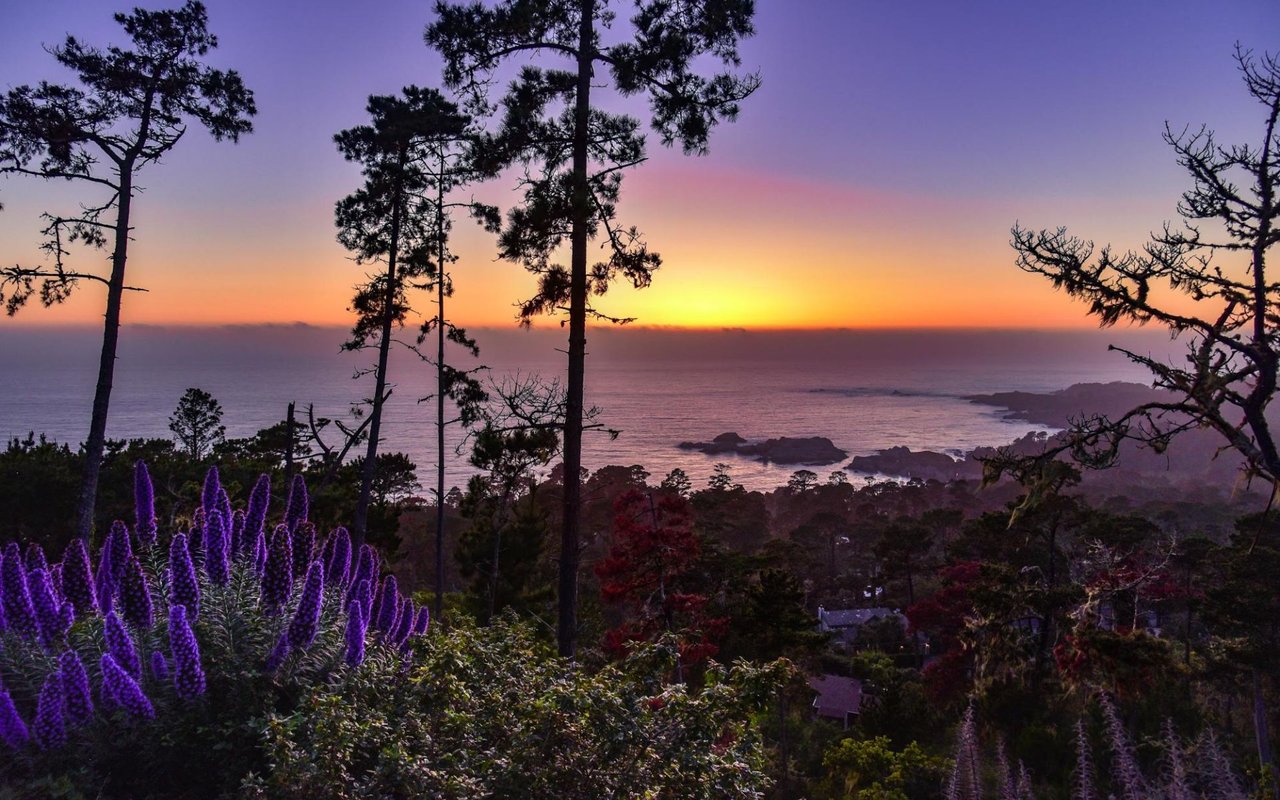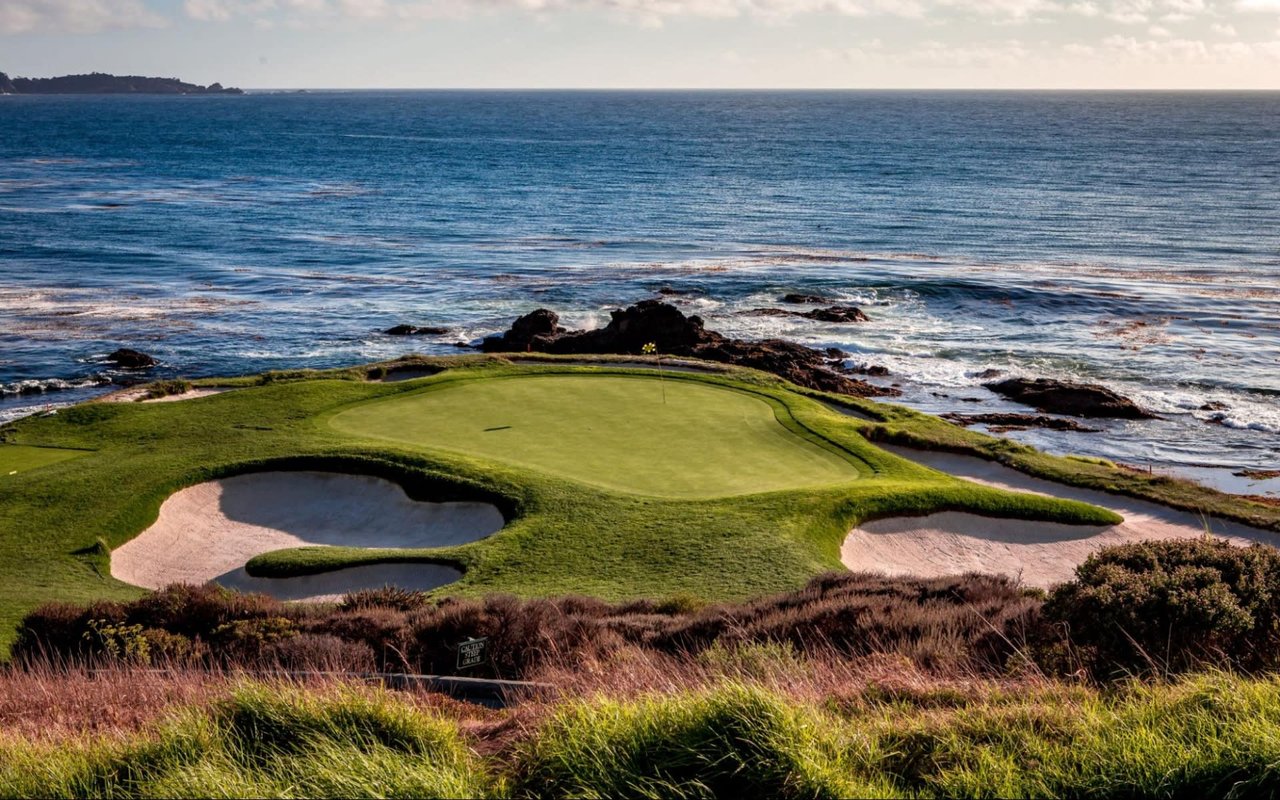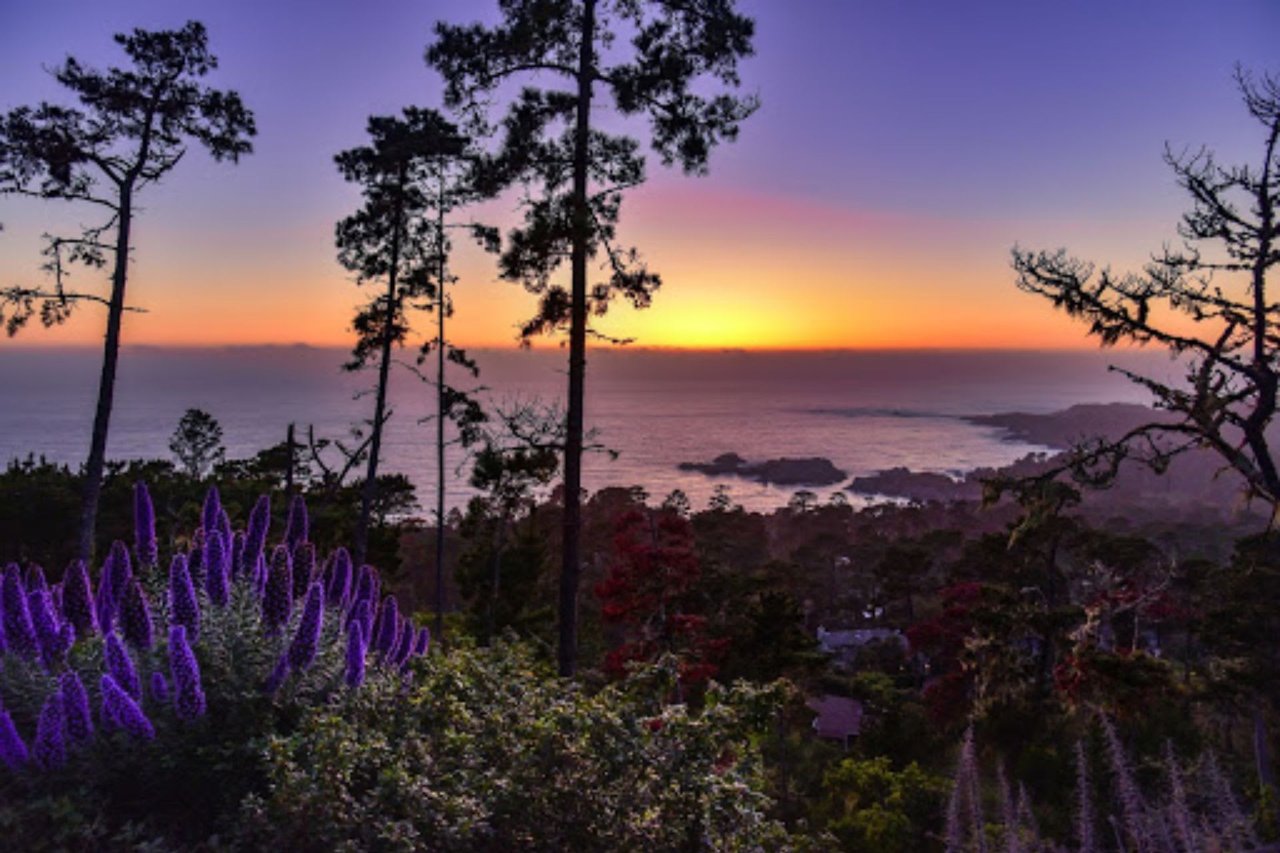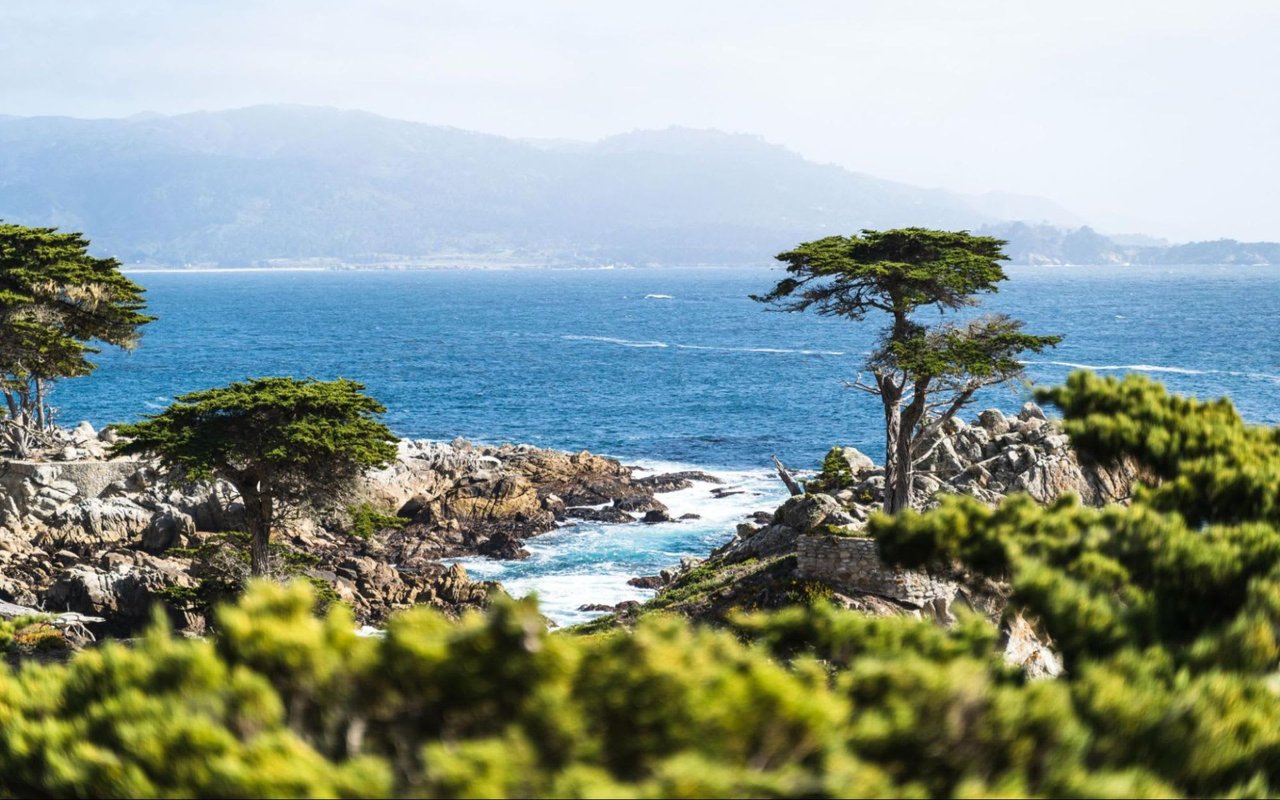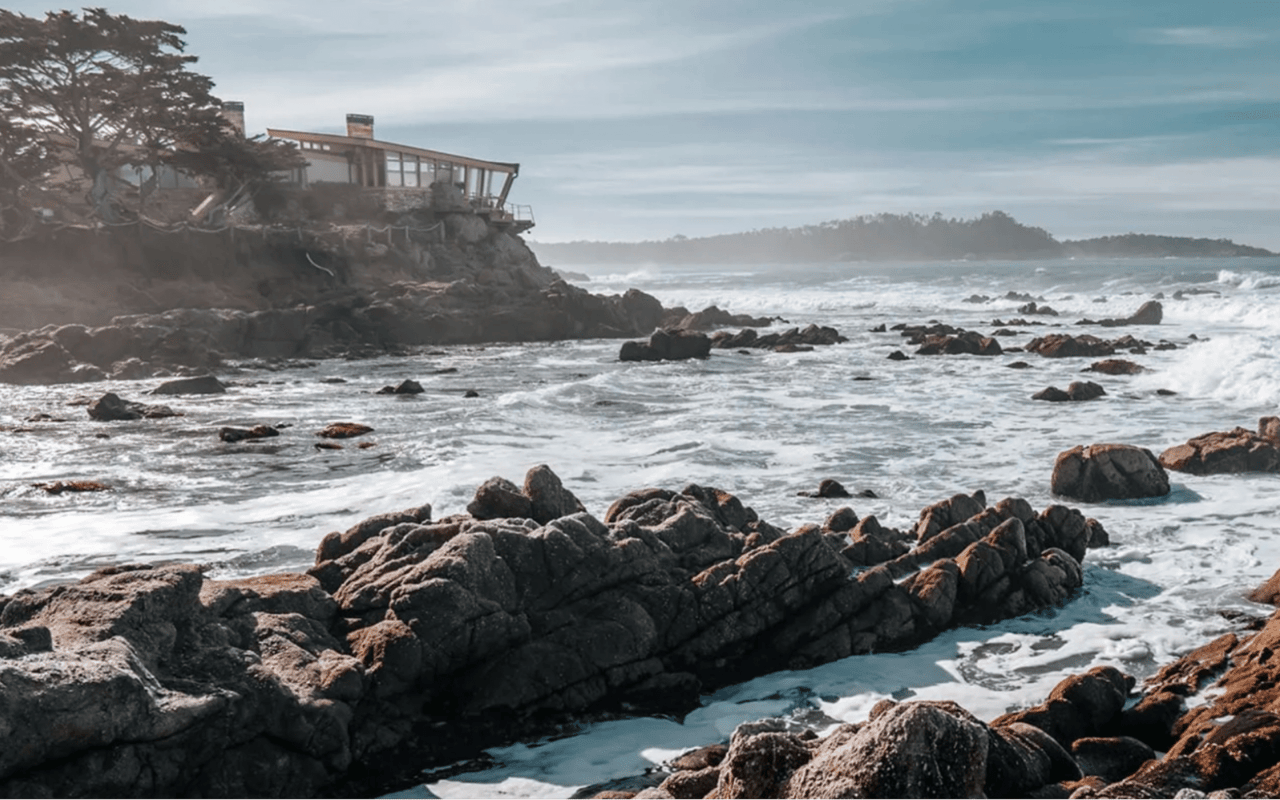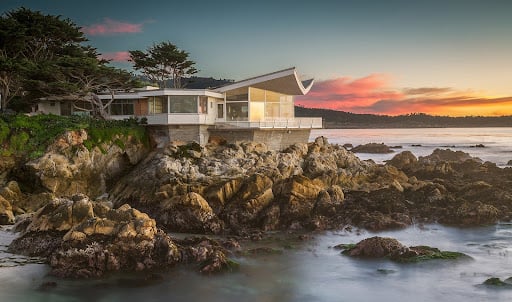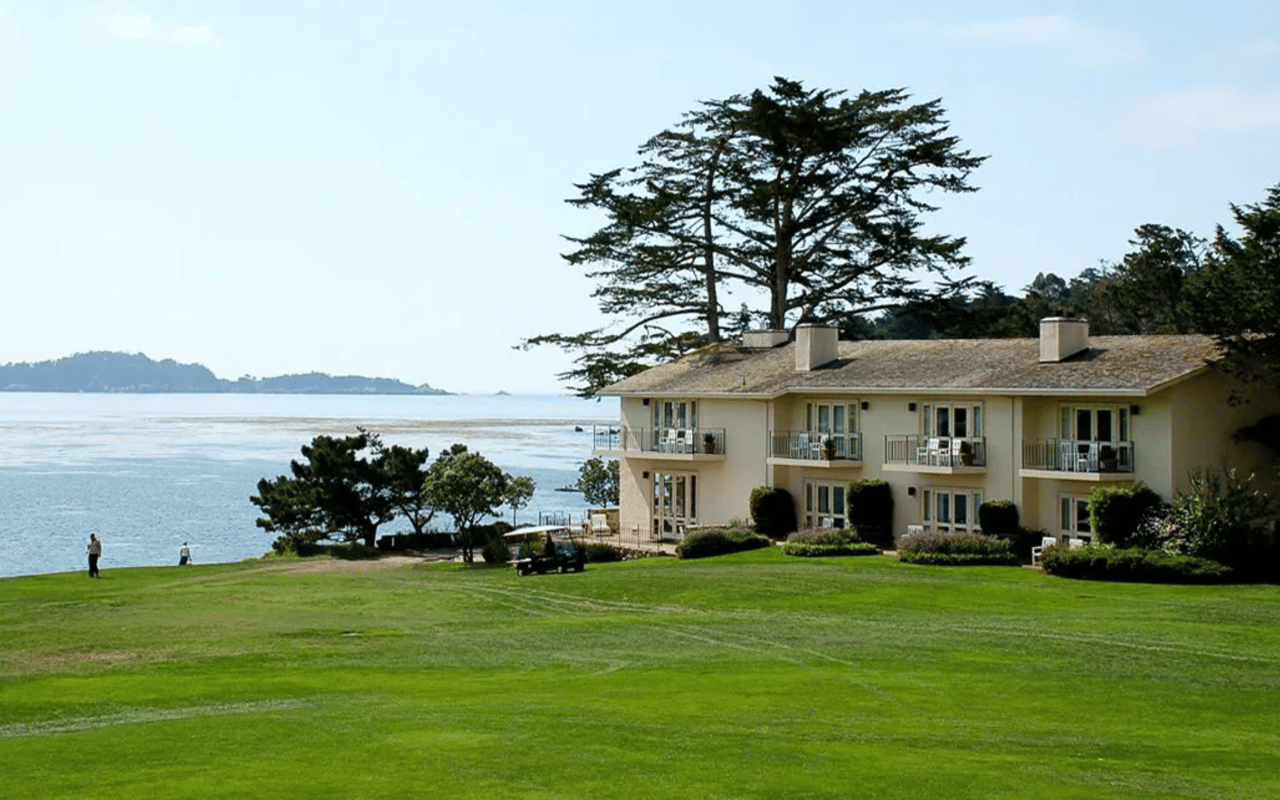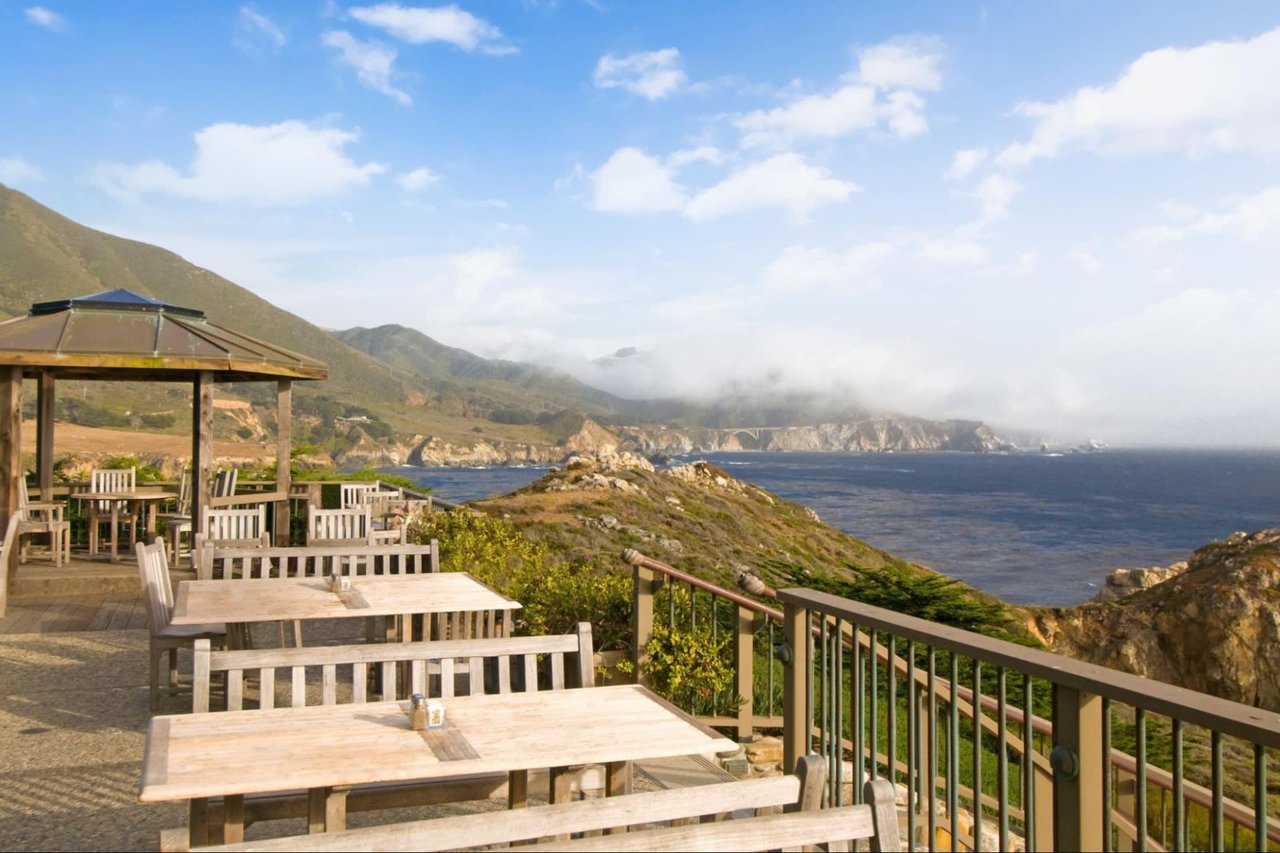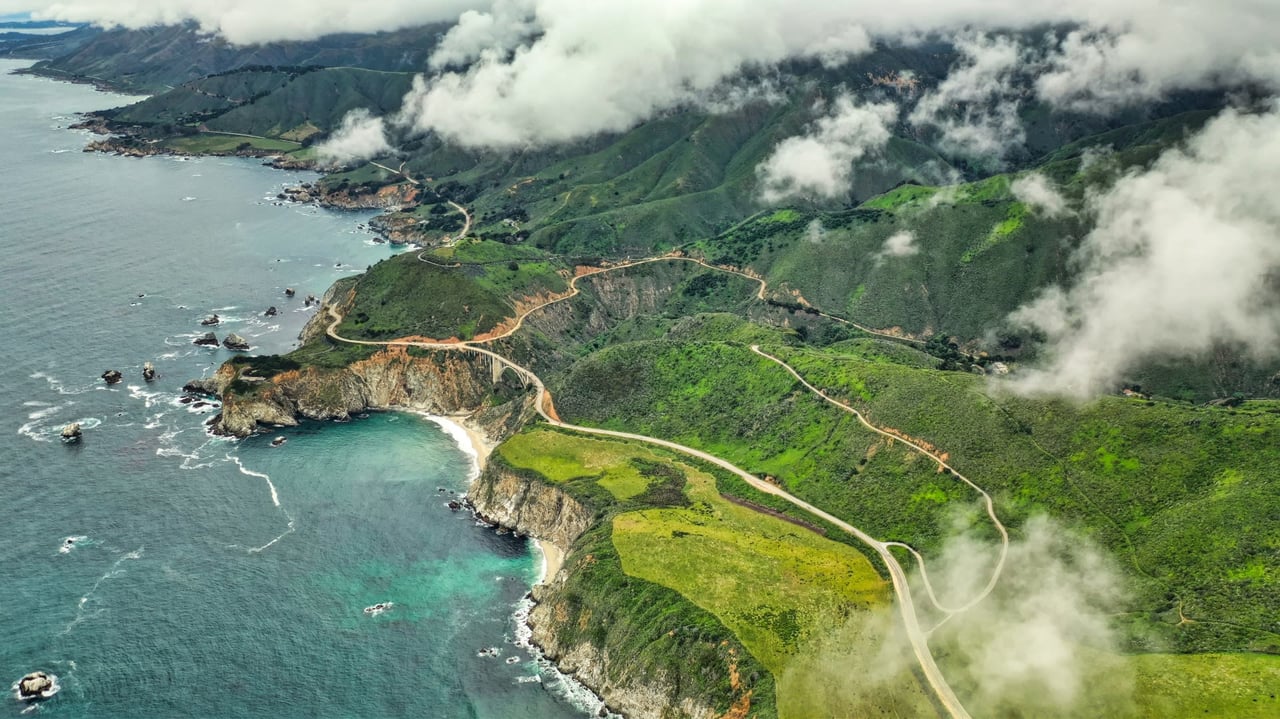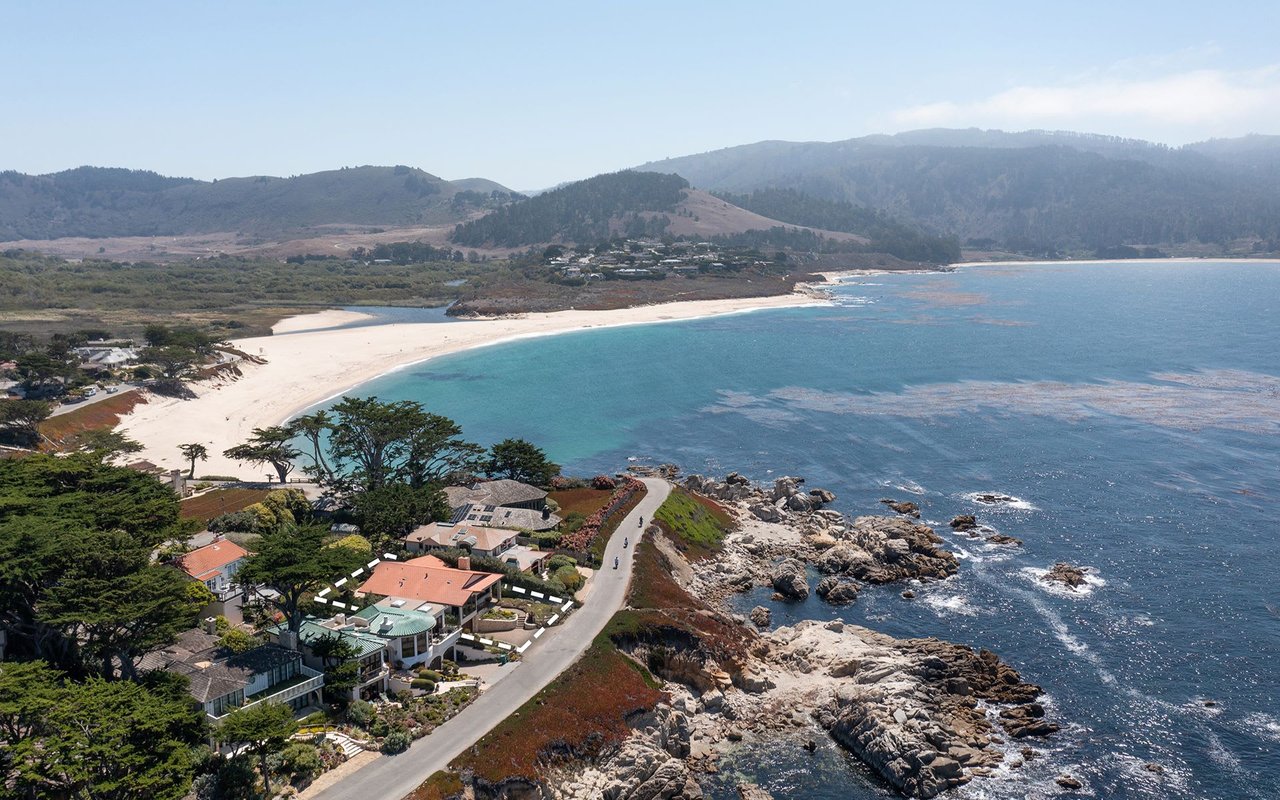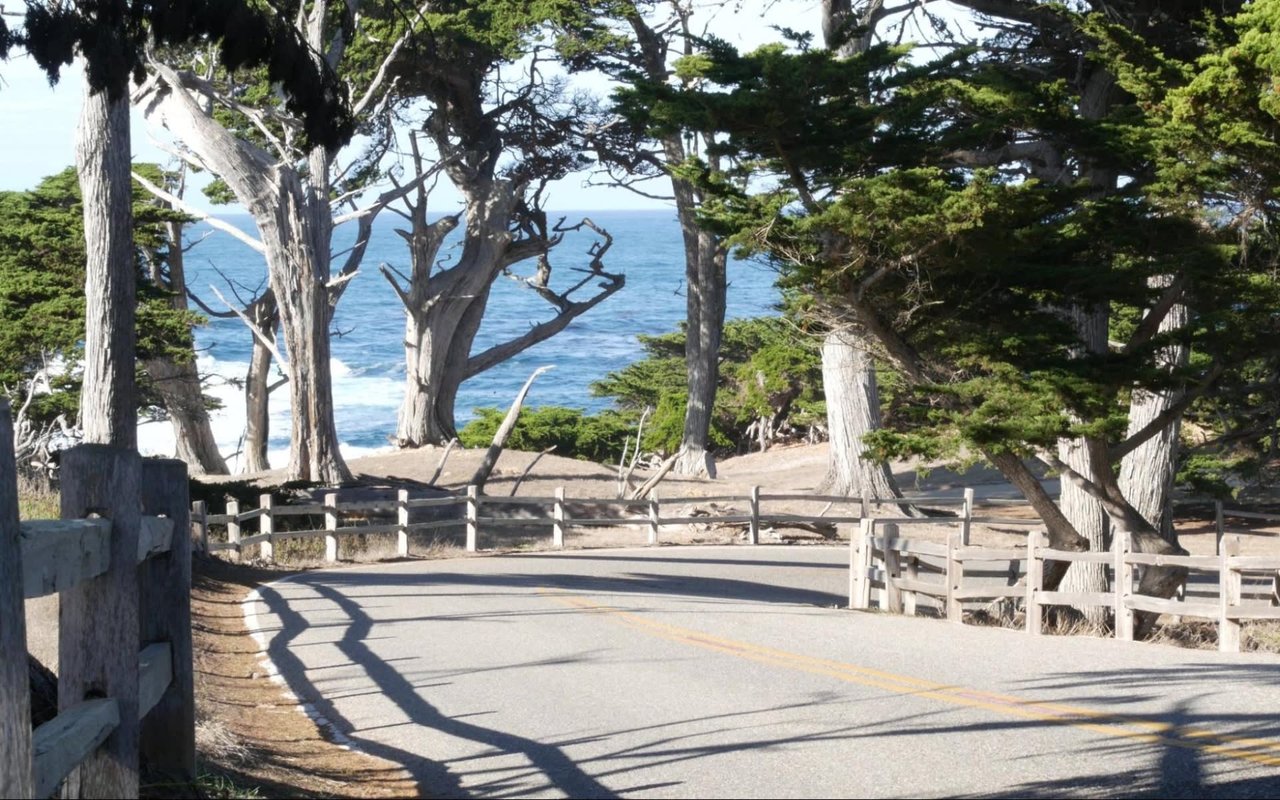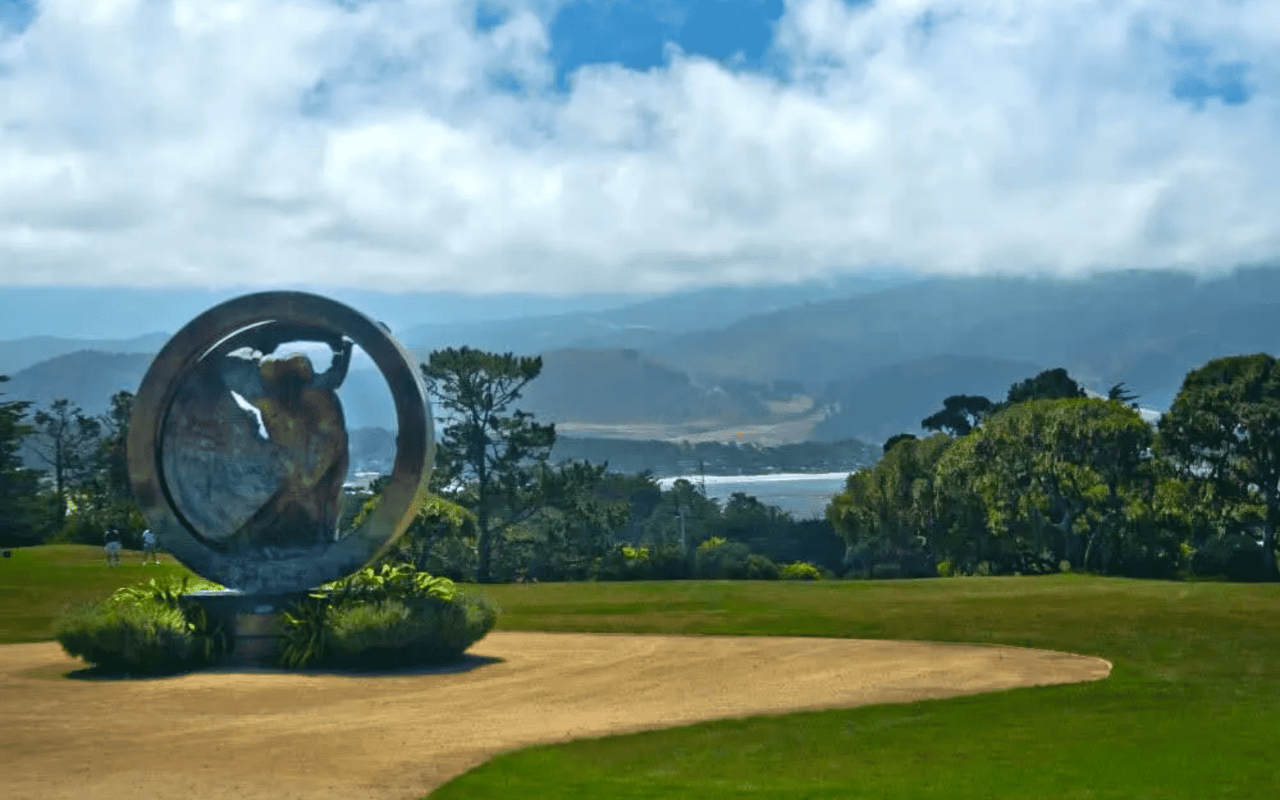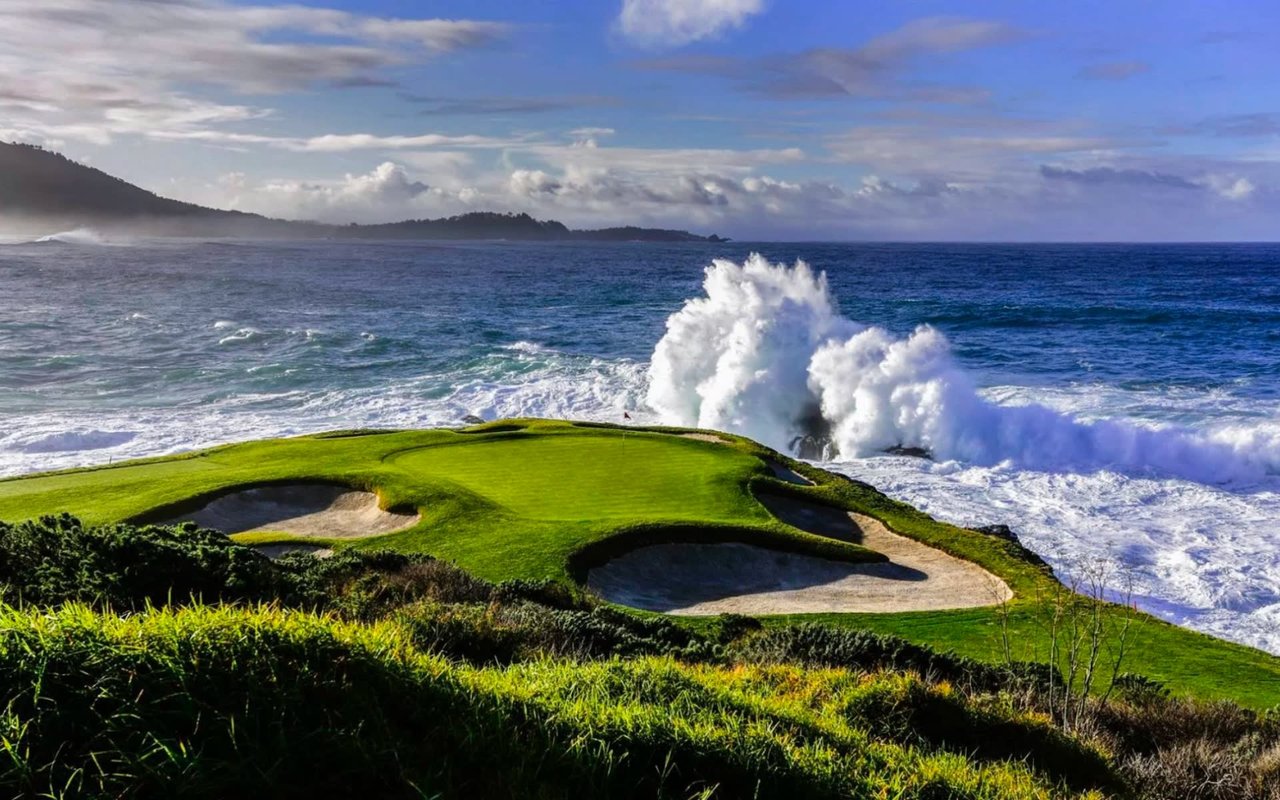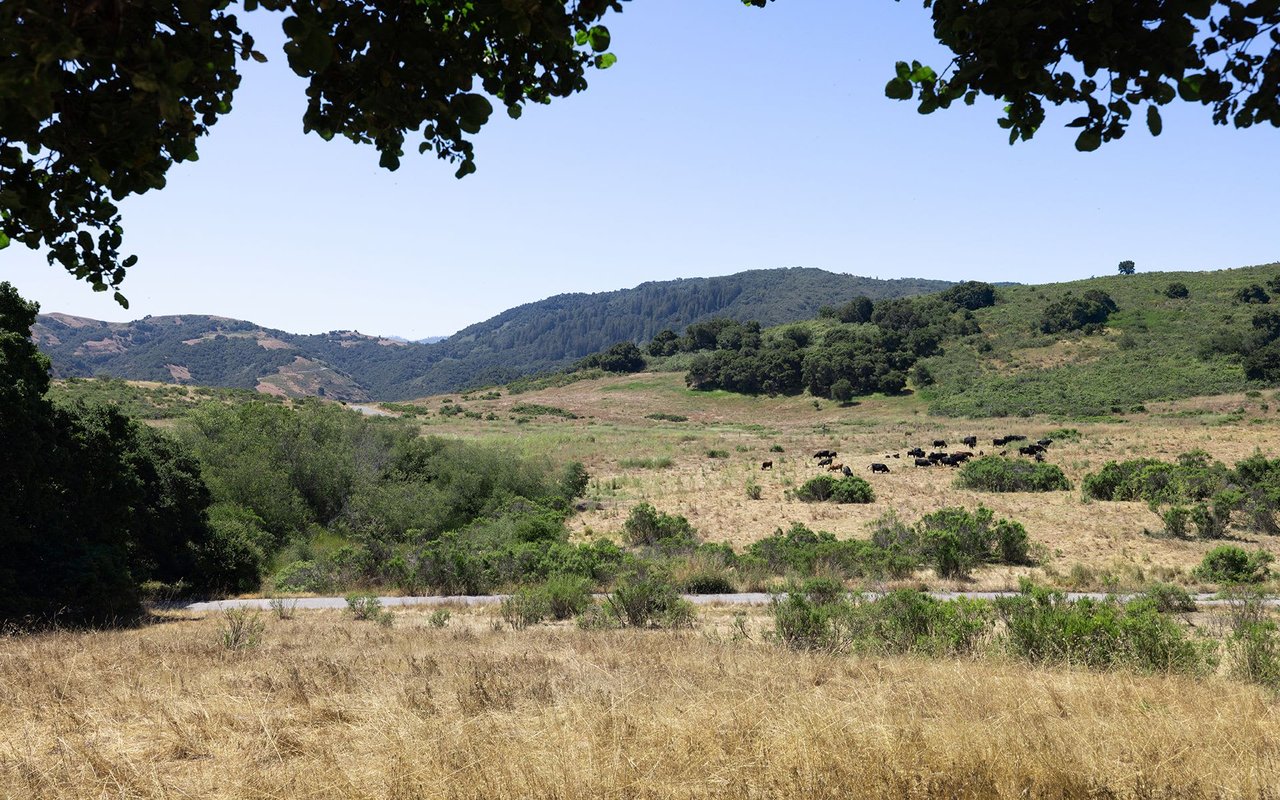
Head south from Carmel Highlands on Highway 1 toward Big Sur and the drive takes about ten minutes before a low cliffside building comes into view on the ocean side of the road. The parking lot is usually empty. The sign is still up. For anyone who has lived along this stretch long enough to remember pulling in for a sunset drink and watching for whale spouts between courses, the building reads as a kind of local riddle: still there, still visible, still closed.
The easy explanation making the rounds for years is that a wealthy buyer picked up a shuttered restaurant and is simply taking his time deciding what to do with it. That version is not wrong so much as it is incomplete. Rocky Point Restaurant has been closed since 2020 and under its current owner since November 2021, which means the property has now sat dark through nearly the entire ownership of the team that publicly announced plans to reopen it. But the delay was never really about indecision. It was about sequence. Under California coastal law, a landowner cannot get a new redevelopment proposal reviewed while an old violation is still on the books, and Rocky Point came with a stack of those violations attached to the deed.
What the new owner actually bought in 2021
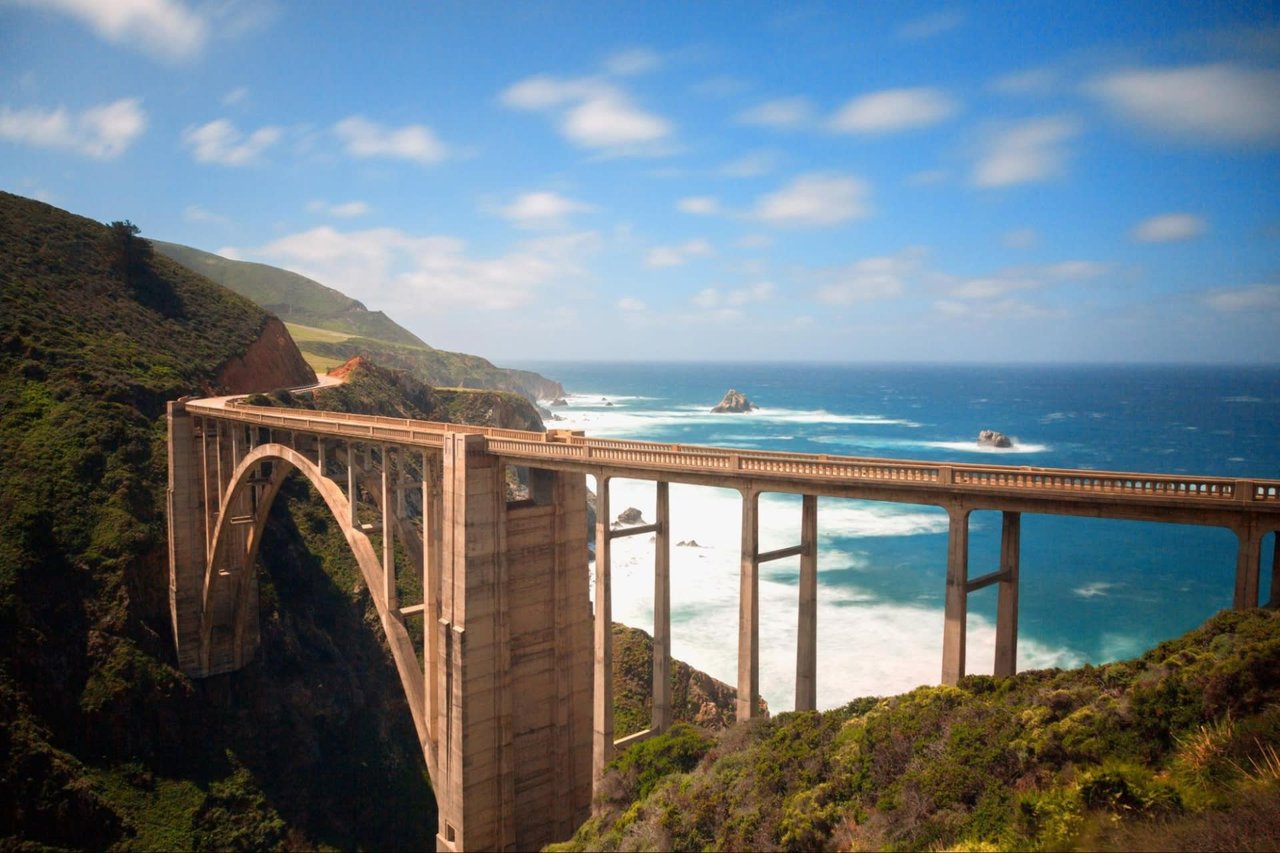
Rocky Point opened in 1947 on a bluff in Palo Colorado Canyon, between the Bixby Bridge and the Rocky Creek Bridge, and ran for more than seventy years as one of the few full-service stops on this section of coast. The prior owners, Dr. Peter Wang and his wife Grace, held the 2.5-acre property from 2012 until 2021 and spent close to a million dollars renovating it after they bought it. What they also did, according to a California Coastal Commission investigation that opened in 2018, was install a locked gate and post signage declaring public shoreline access points "private property," while clearing native vegetation for a parking area and introducing unpermitted construction and non-native plants onto the site. Any one of those actions can trigger a cease and desist order under Section 30810 of the Coastal Act. Here, several of them did.
When Esperanza Carmel, the real estate firm run by Monaco-based developer Patrice Pastor, bought the property for a reported $8 million in November 2021, it inherited that entire enforcement file along with the land. The purchase came with real fanfare. Pastor brought in David Fink, CEO of the Mirabel Hotel & Restaurant Group and the force behind Cantinetta Luca and L'Auberge Carmel, alongside chef Justin Cogley of Aubergine, who at the time held the county's only Michelin star. Reporting at the time already flagged that a reopening was years away rather than months. What that reporting could not have fully captured is that the timeline was not really Fink and Cogley's to set. It belonged to the Coastal Commission's enforcement process, which does not move until the violations it opened are formally closed.
Clearing the record took two and a half years
The sequence, laid out plainly, looks like this:
- 2018: The Coastal Commission opens an investigation into the locked gates and "private property" signage restricting access to the Rocky Point shoreline.
- November 2021: Esperanza Carmel buys the property for $8 million and announces the Fink-Cogley team.
- May 2024: Esperanza reaches a tentative agreement with Commission staff to remove the unpermitted construction, restore native habitat, upgrade public access, and record conservation easements limiting further development on much of the site.
- June 14, 2024: The Commission formally votes to clear the violations at its meeting in Morro Bay.
- 2026: The violations are cleared, but the county has still not finished reviewing what Esperanza actually wants to build there.
Martha Diehl, a Big Sur resident who sits on the Monterey County Planning Commission, was blunt about the pace when the 2024 agreement was announced, noting that some of the restoration work would likely require its own additional permitting. Her assessment at the time:
"None of this is going to happen overnight."
Her comment points at the real mechanism behind years of dark windows. County planners could not open a file on Esperanza's redevelopment proposal while the older enforcement violations remained active, so the two and a half years between the 2021 purchase and the 2024 vote were not spent on indecision. They were spent working through a state agency's own remediation process, one that had to close before the county's separate review could even begin.
Clearing the violations didn't clear the way to open
Even with the enforcement issues resolved, Rocky Point still sits on one of the most scrutinized and most photographed stretches of Highway 1 in California, the same corridor that runs past the Bixby Bridge and through Big Sur's protected coastline. That matters because the concept under discussion in 2024 reporting was not a like-for-like replacement of the old roadside lunch spot. It called for a 166-seat restaurant paired with a 14-room inn and public restrooms, a footprint meaningfully larger than what stood there before. A project that size draws more scrutiny from planners tasked with keeping this coastline looking, from the highway, roughly the way it always has. Modernizing the building without changing what a driver sees from the road is a narrower needle to thread than simply reopening a kitchen.
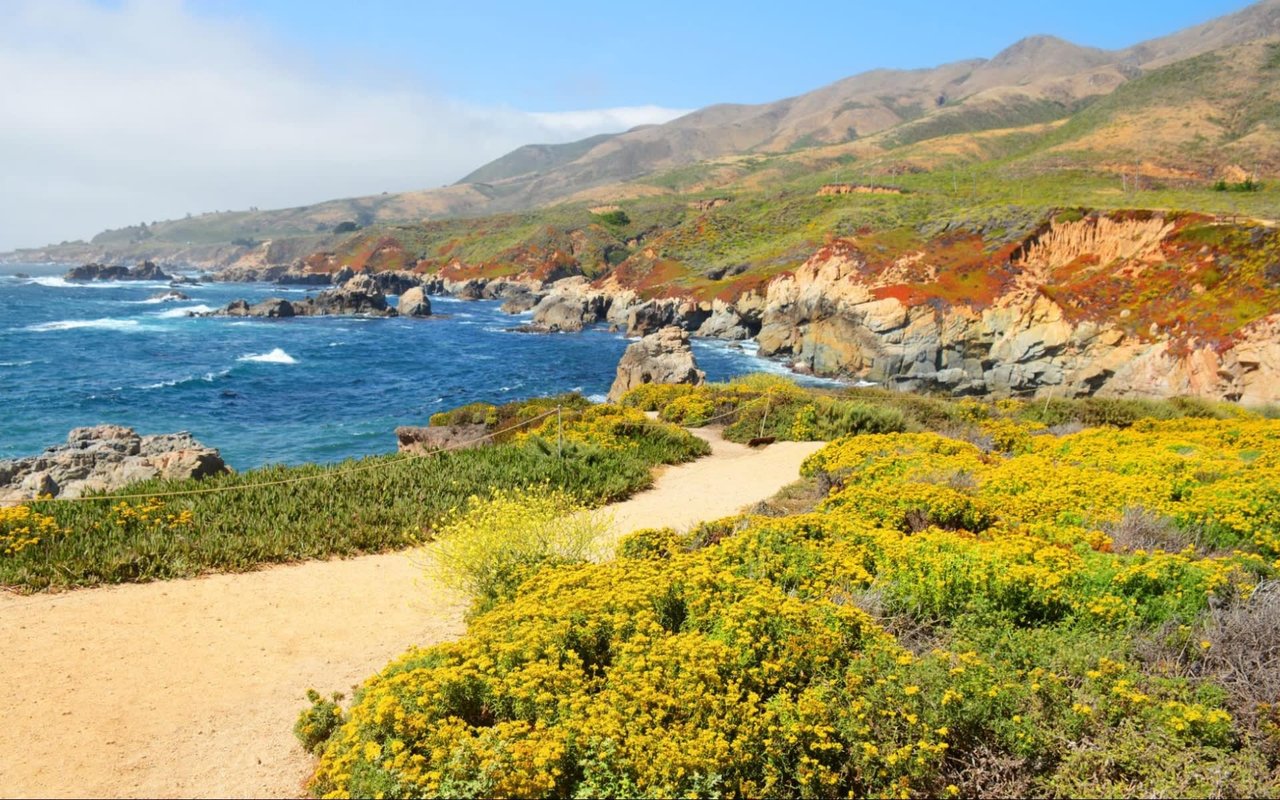
Esperanza's own project page for Rocky Point still frames the timeline in open-ended terms, saying only that the company hopes to share its plans for the site "later this year." The property remains open to the public to enjoy the trails and coastal views around the site, which is the part of Rocky Point that has quietly already reopened even while the dining room stays dark.
The Carmel Highlands connection is closer than it looks
Fink's ties to this exact piece of coast run deeper than the 2021 deal suggests. He made his name locally at the old Highlands Inn, the property now operating as the Hyatt Carmel Highlands just up the road from Rocky Point, and he lived for roughly a decade in Palo Colorado Canyon, close enough to the restaurant to call it a neighbor rather than a project site. He has also served as a board member and past president of the Big Sur Land Trust, the organization most involved in balancing development against coastal habitat along this stretch. None of that guarantees a faster outcome. It does mean the person steering Rocky Point's next chapter has spent more time on this particular hillside than the average developer taking on a coastal redevelopment, which may partly explain why Esperanza chose the slower path of full compliance rather than contesting the violations it inherited.
For anyone living in Carmel Highlands who passes this building on a regular grocery run to Carmel or a trip down toward Big Sur, the honest answer as of September 2026 is that there is still no firm reopening date. The gate came down years ago. The view came back before the restaurant did. What is actually holding up the dining room is not a stalled decision but a legal sequence that had to run its full course, one enforcement file closing before the next one could even be opened, on a stretch of coastline where scenic protections will keep shaping what gets built there long after the paperwork clears.
If you're weighing a home along this coastline, whether for a season or the long term, Tim Allen Luxury Rentals can walk you through what daily life actually looks like on this stretch of Highway 1, landmarks, closures, and all.