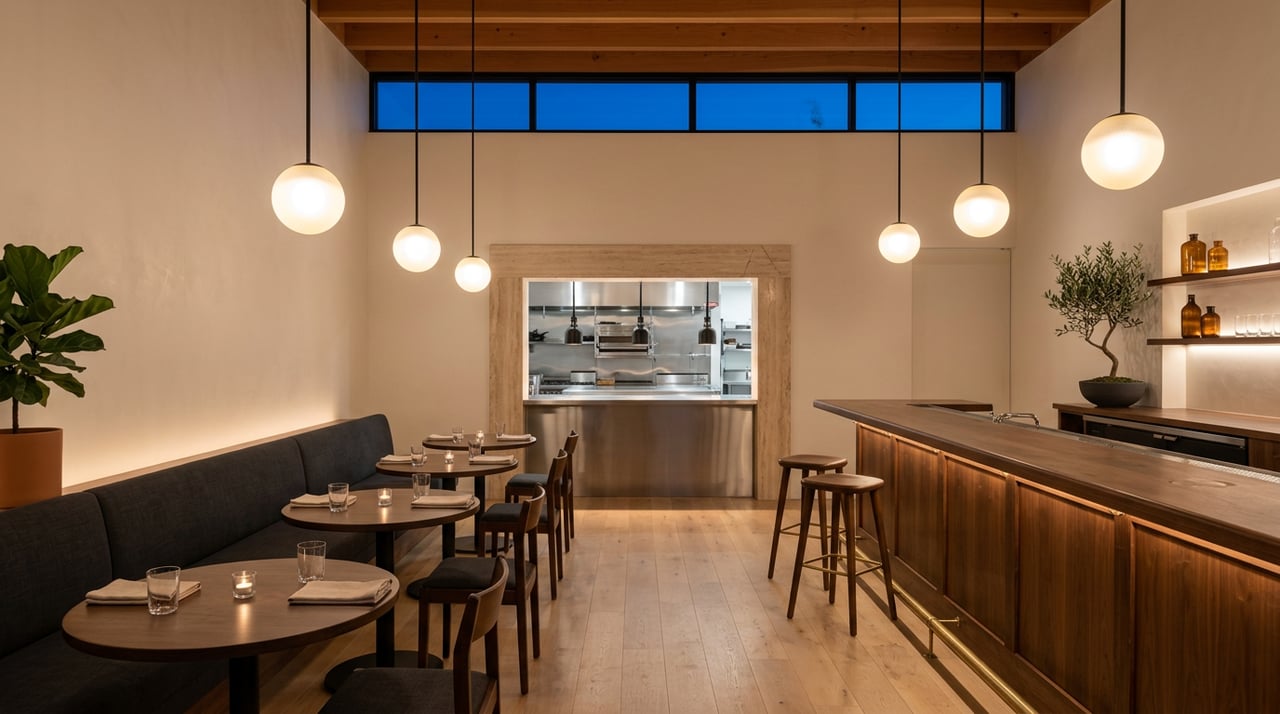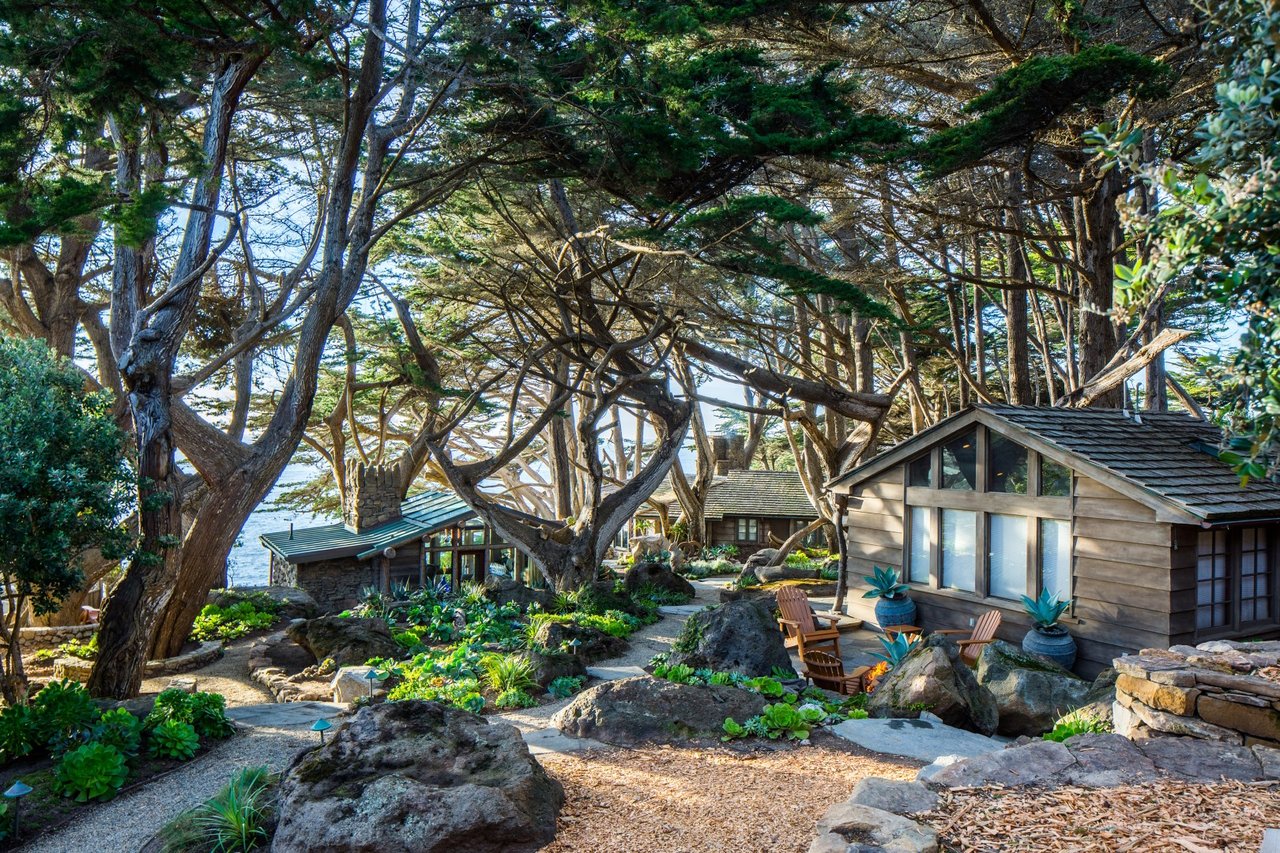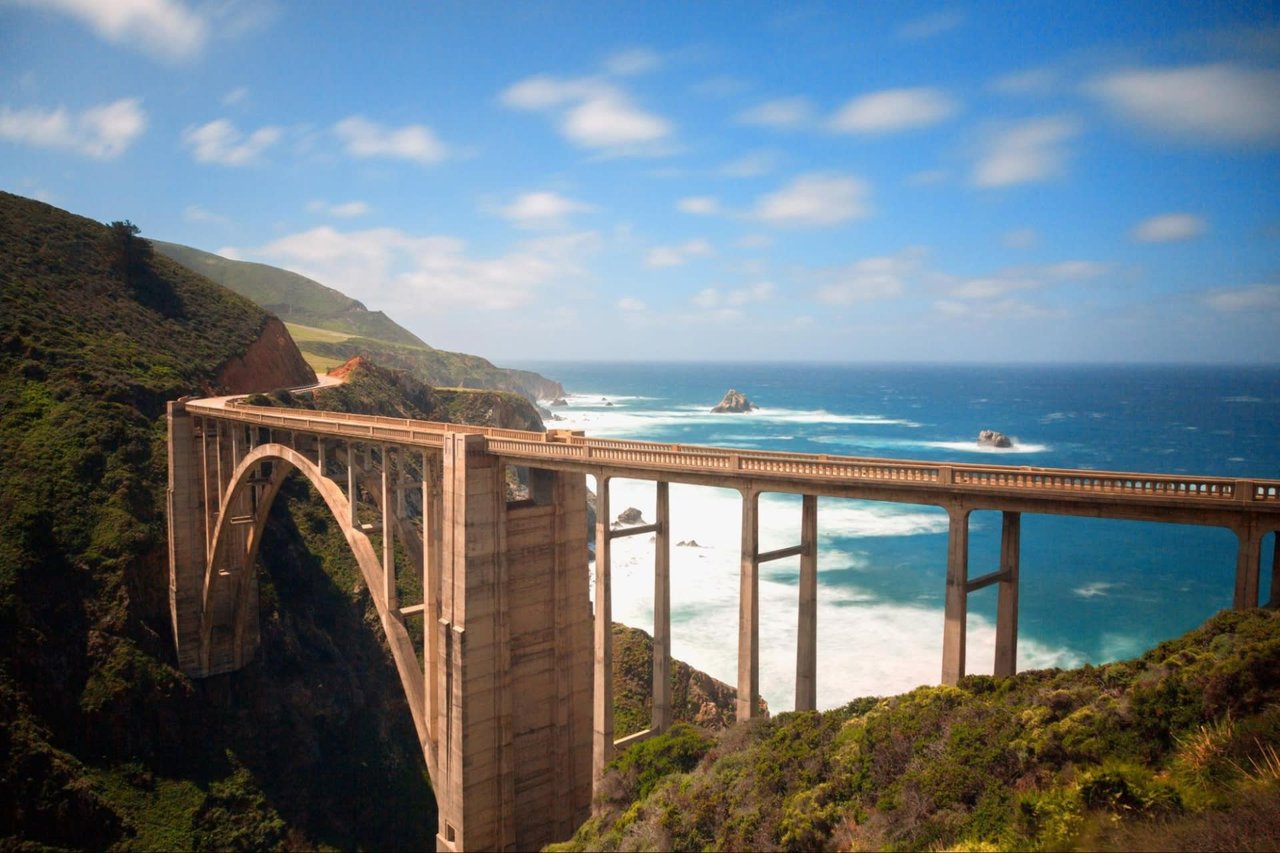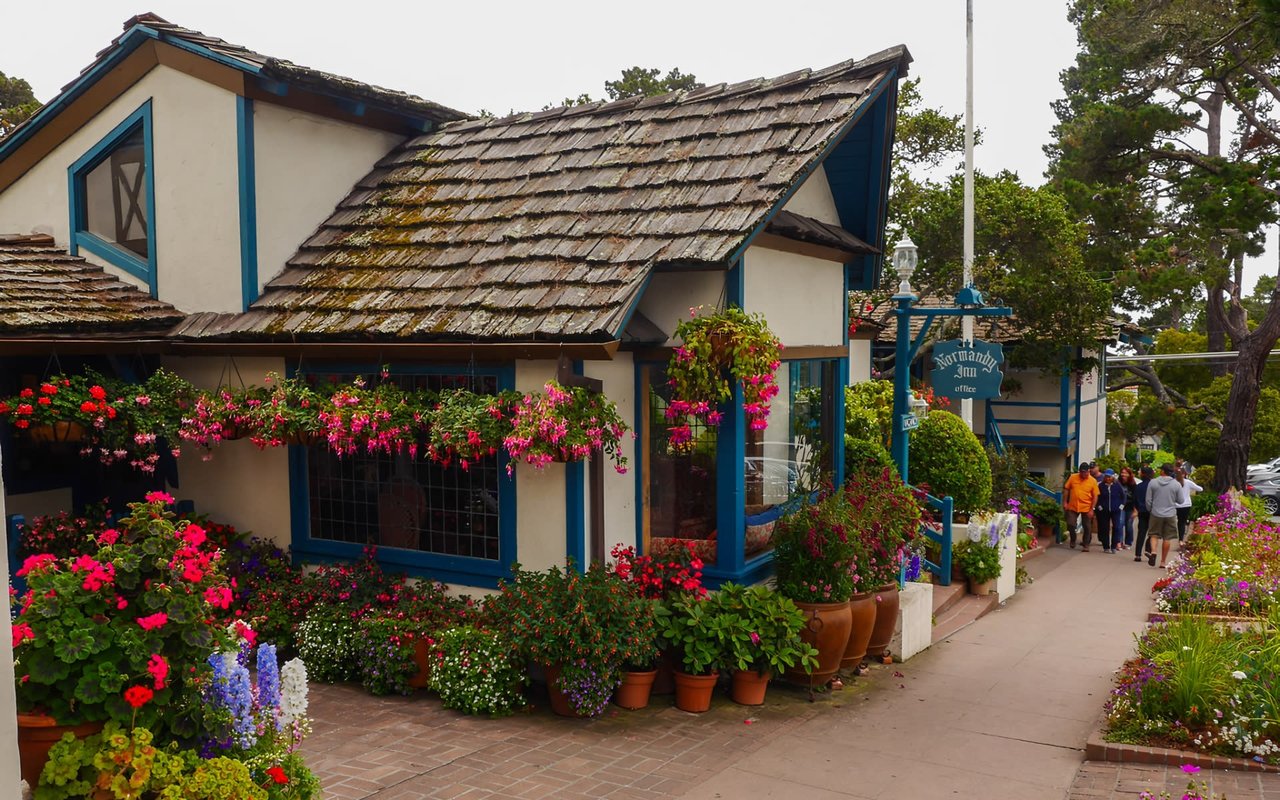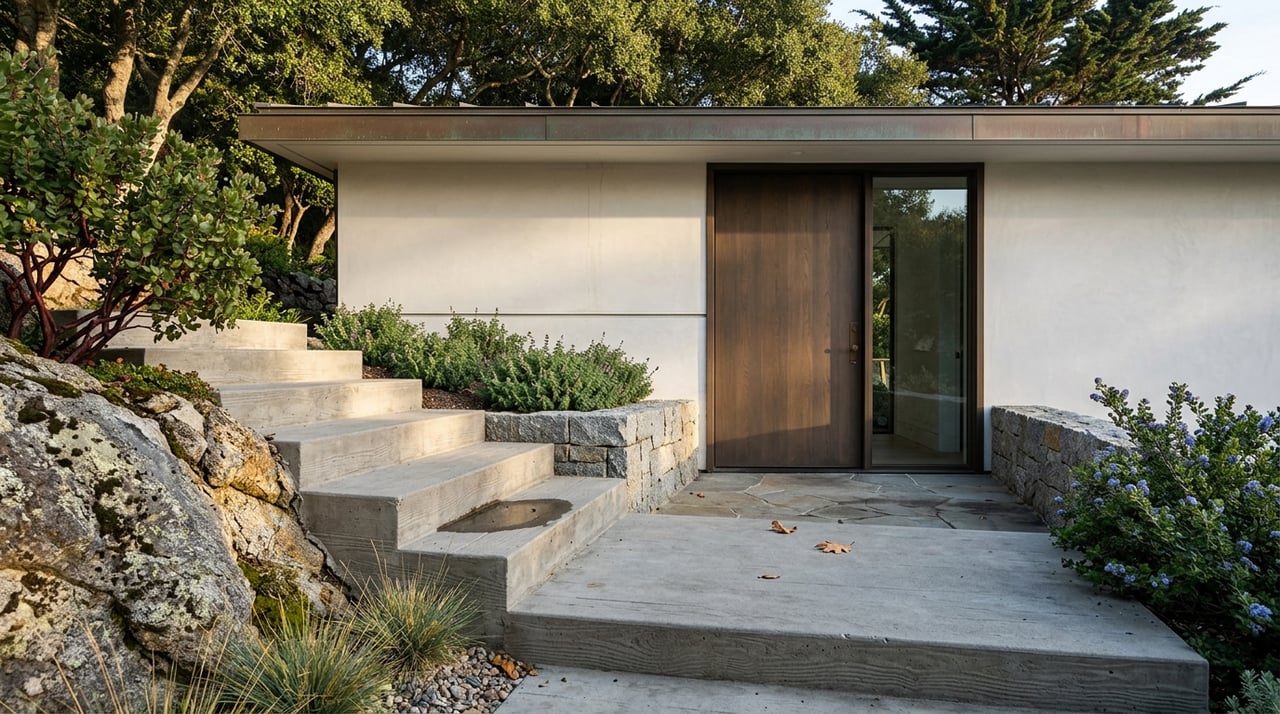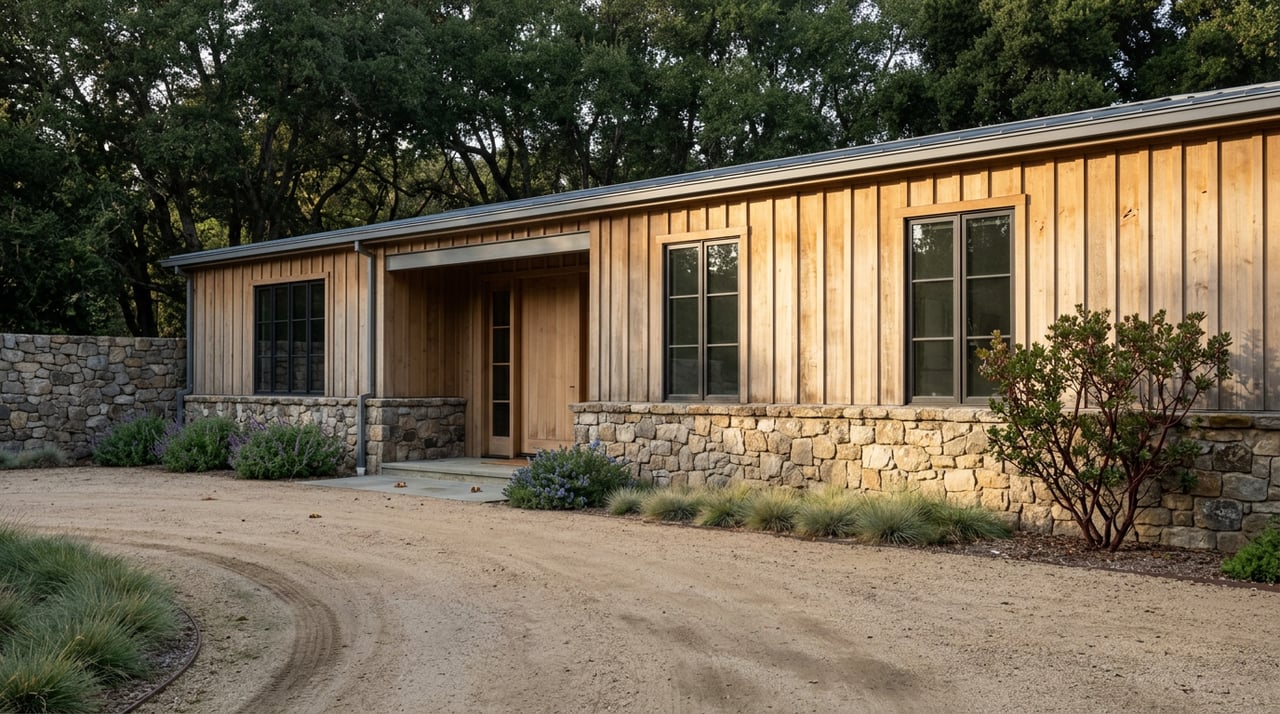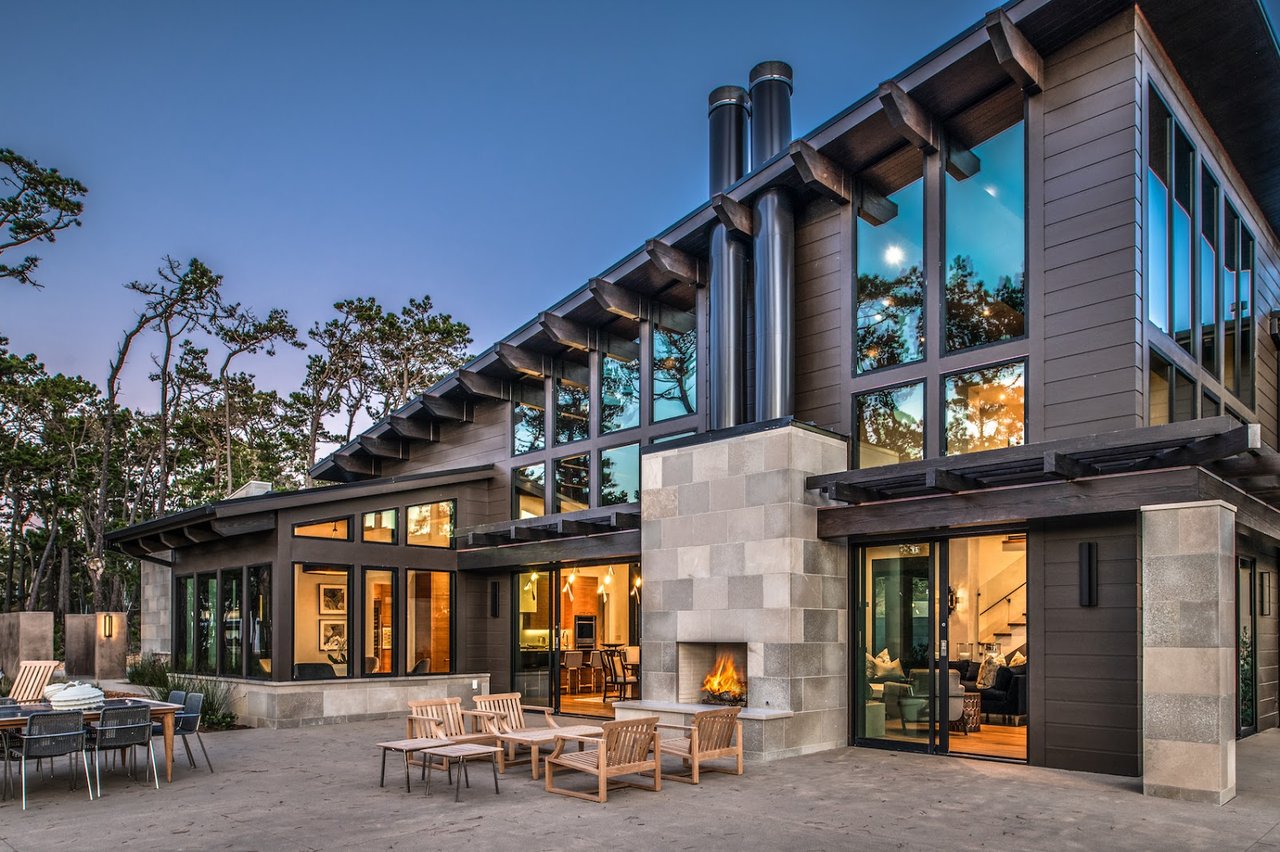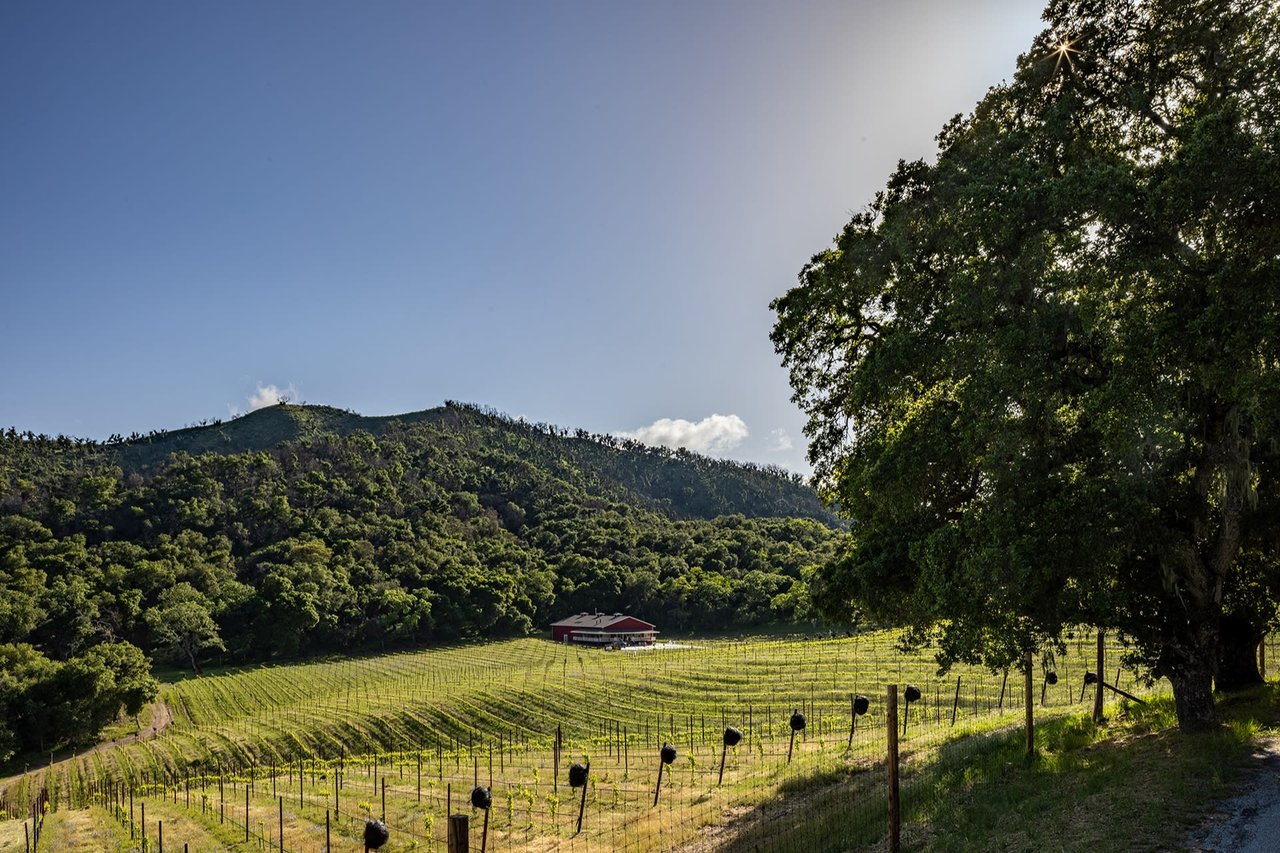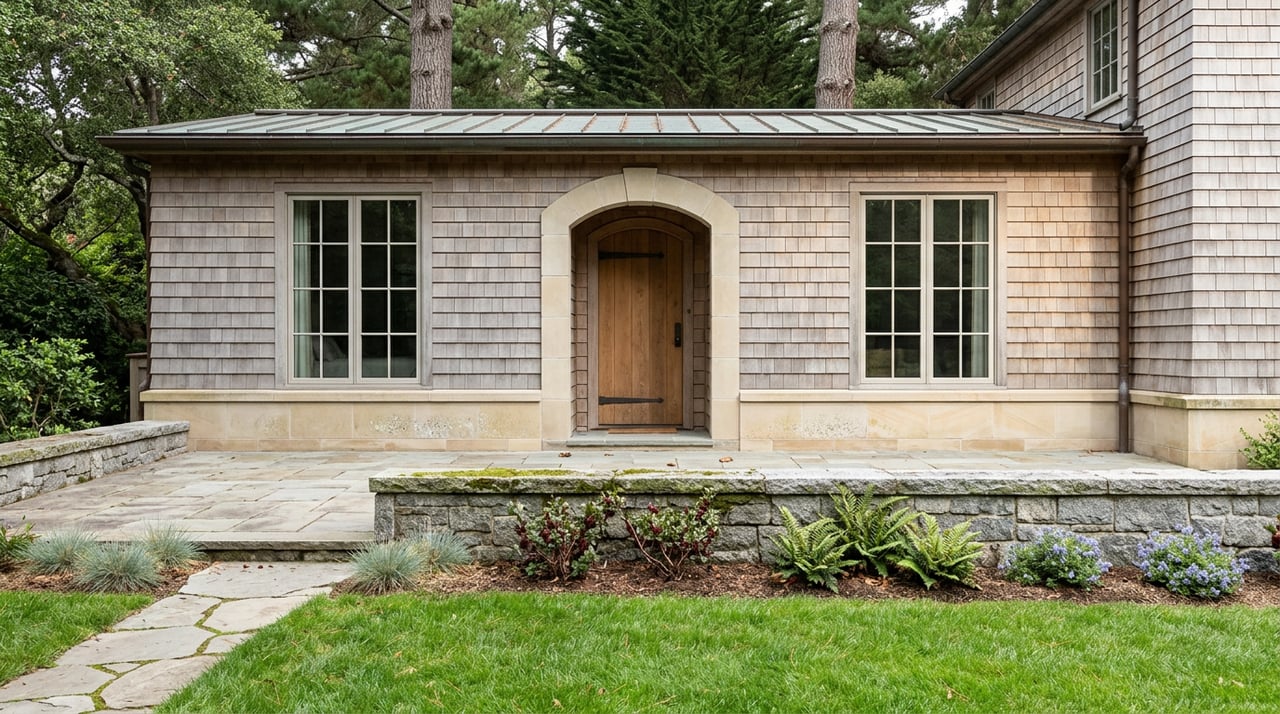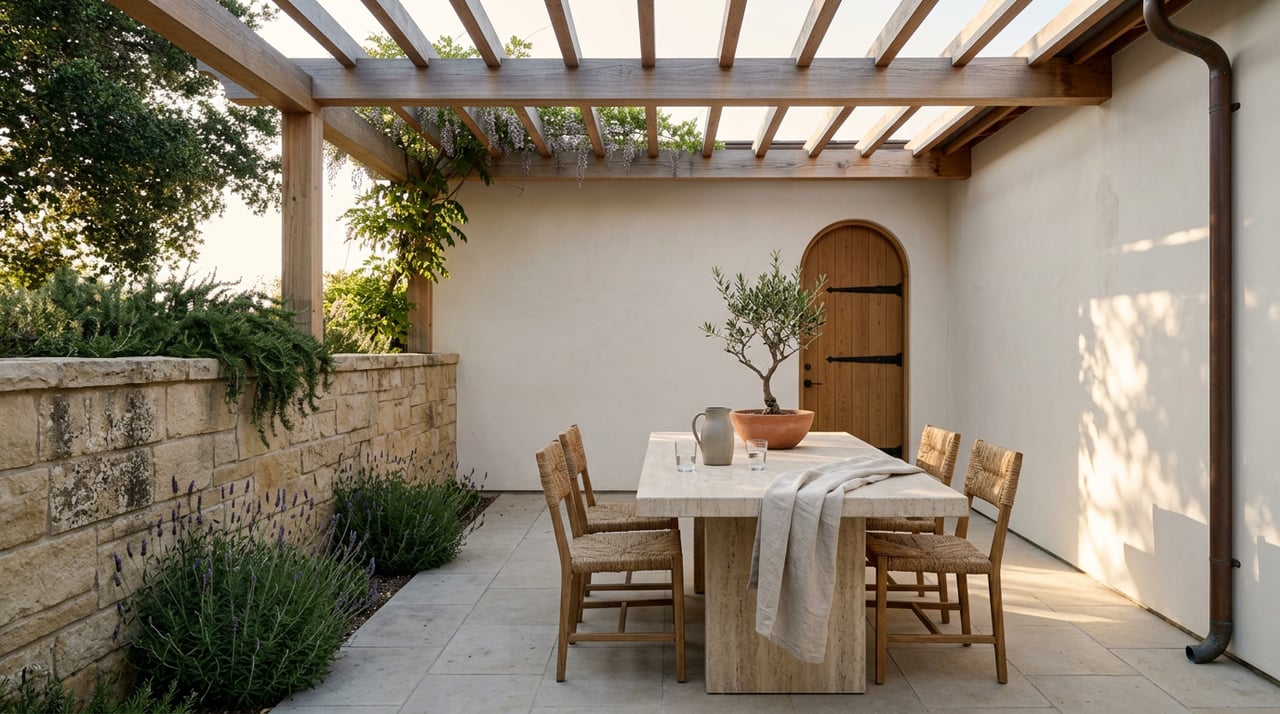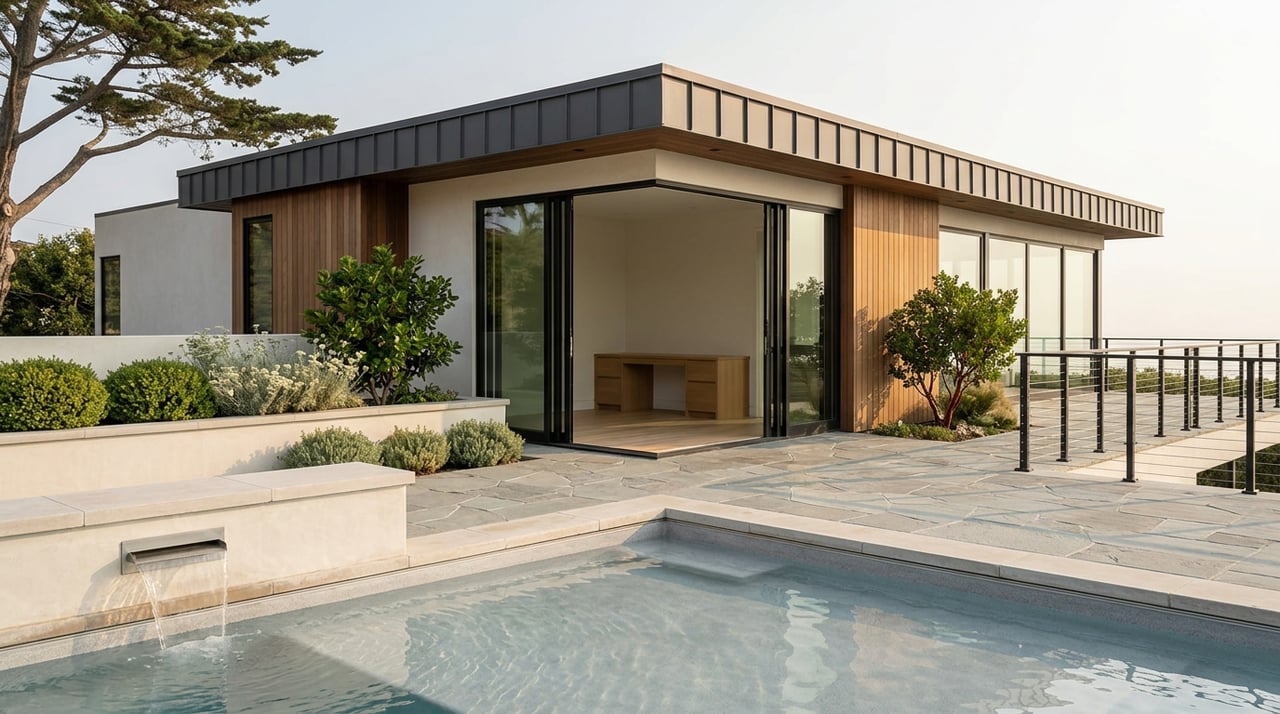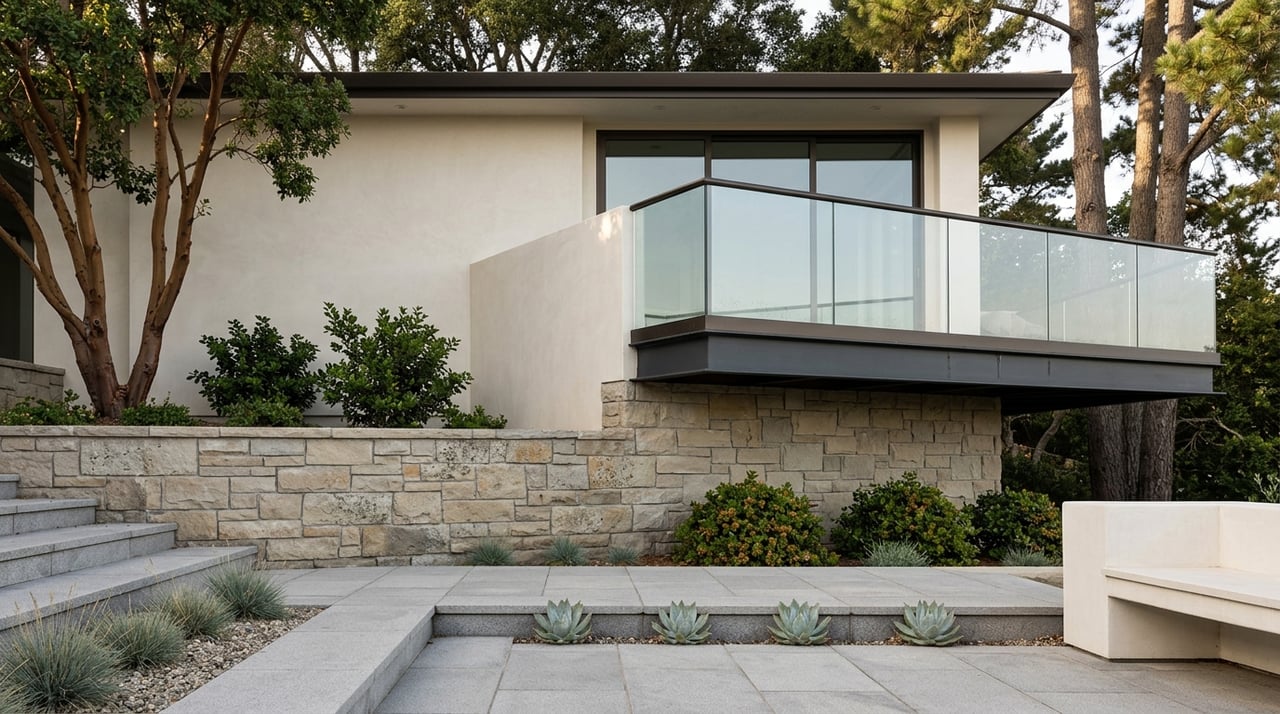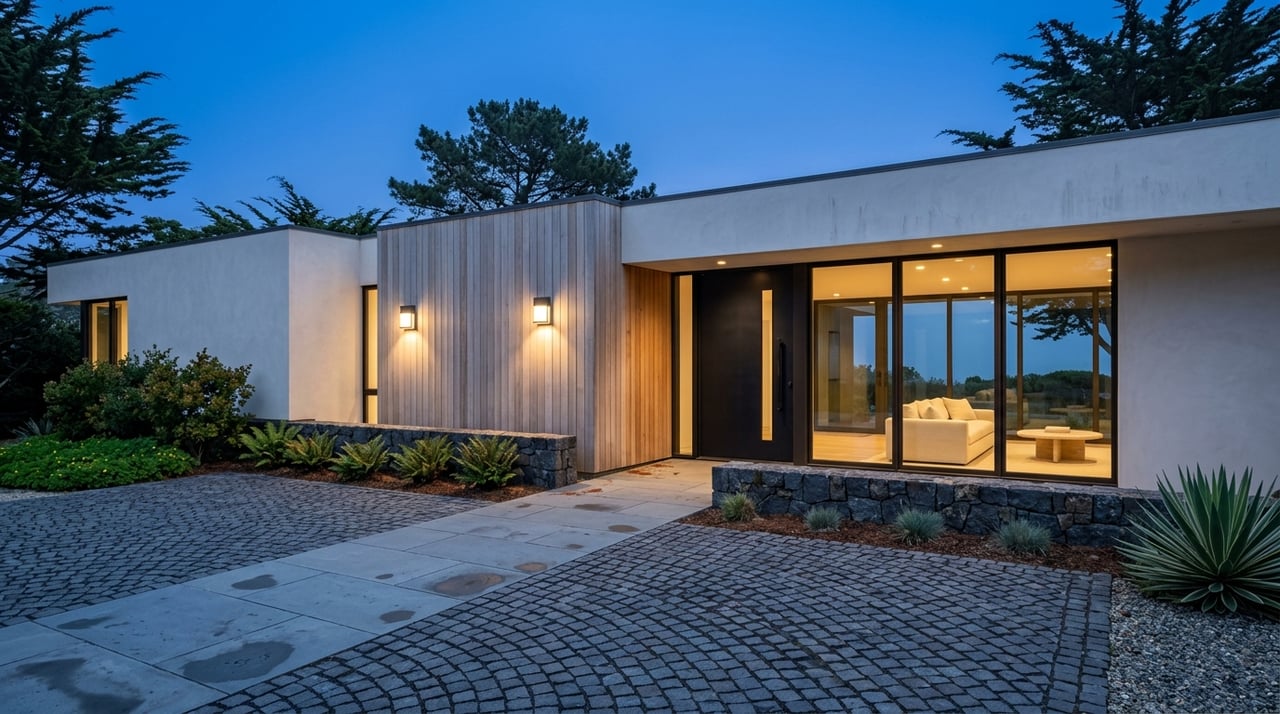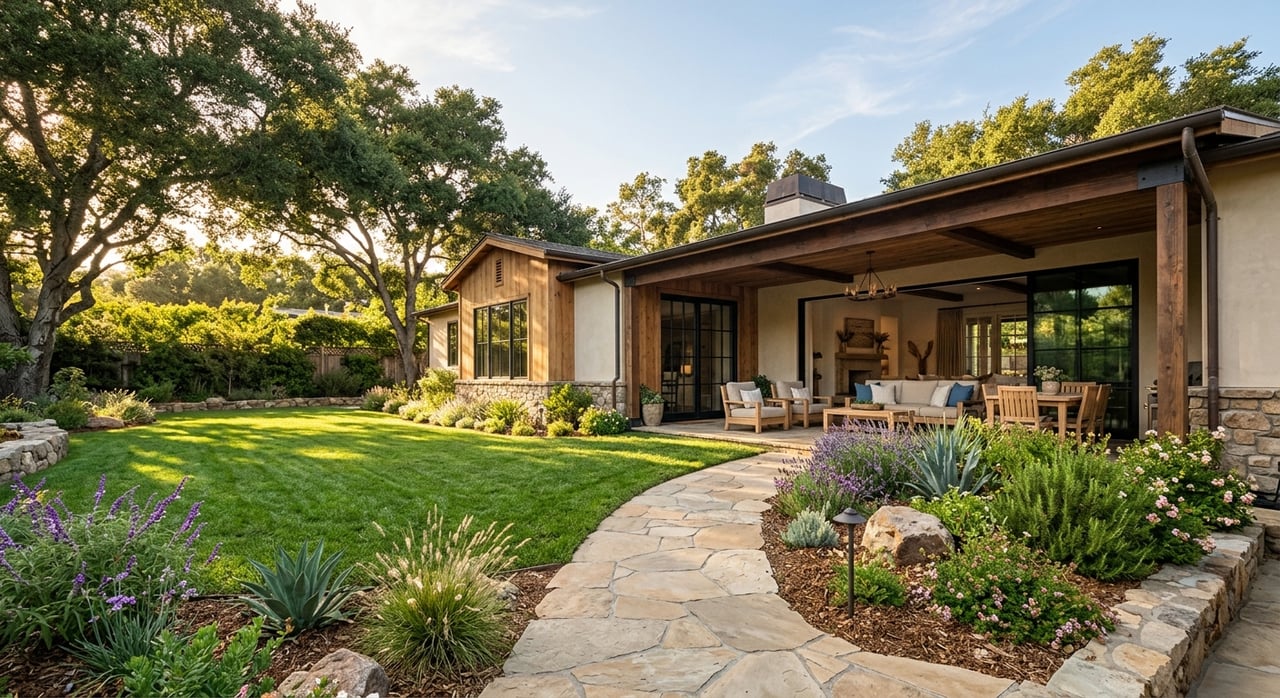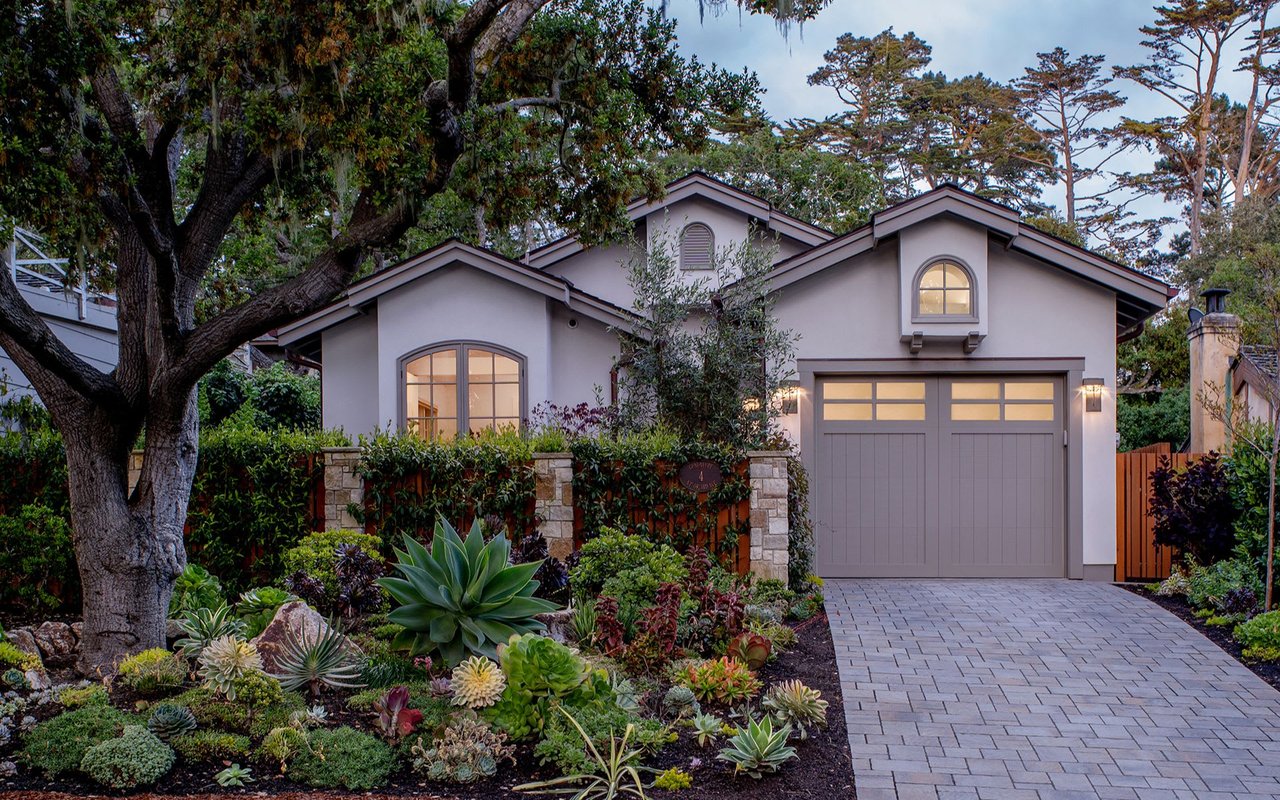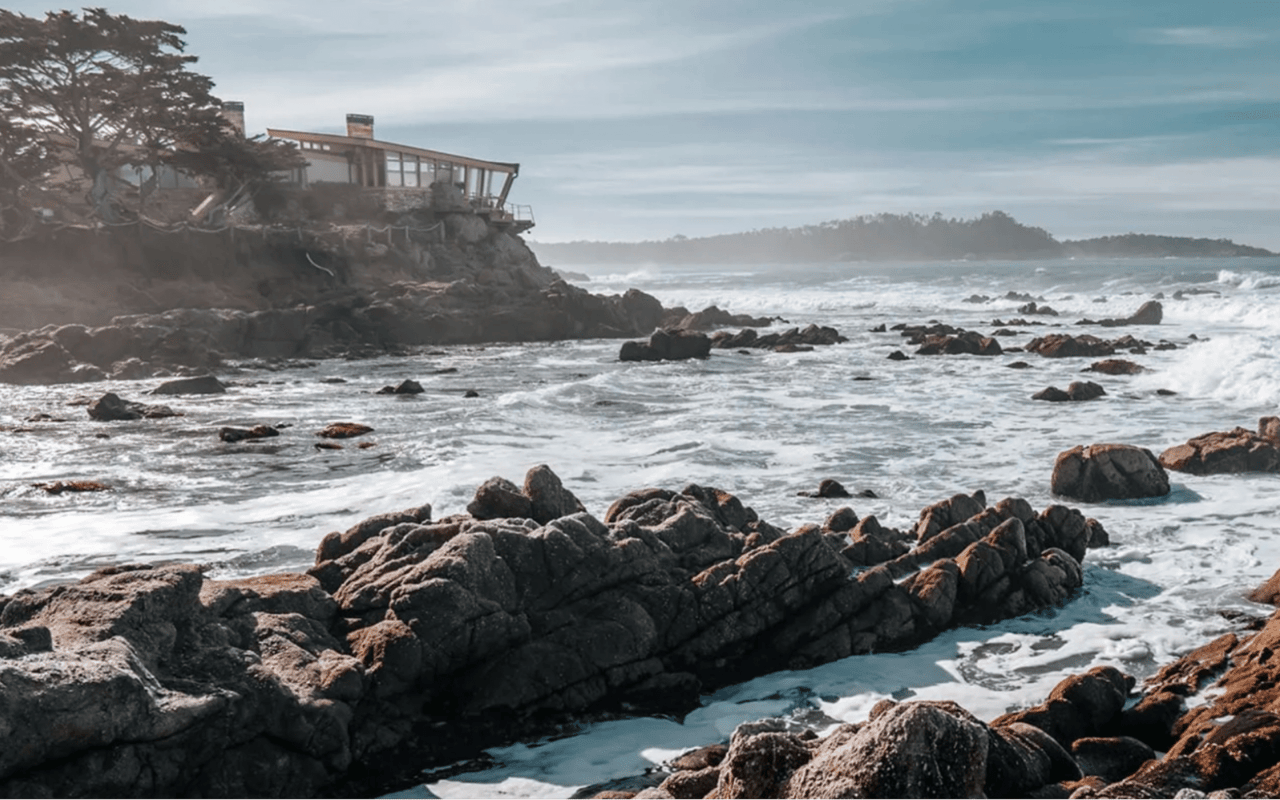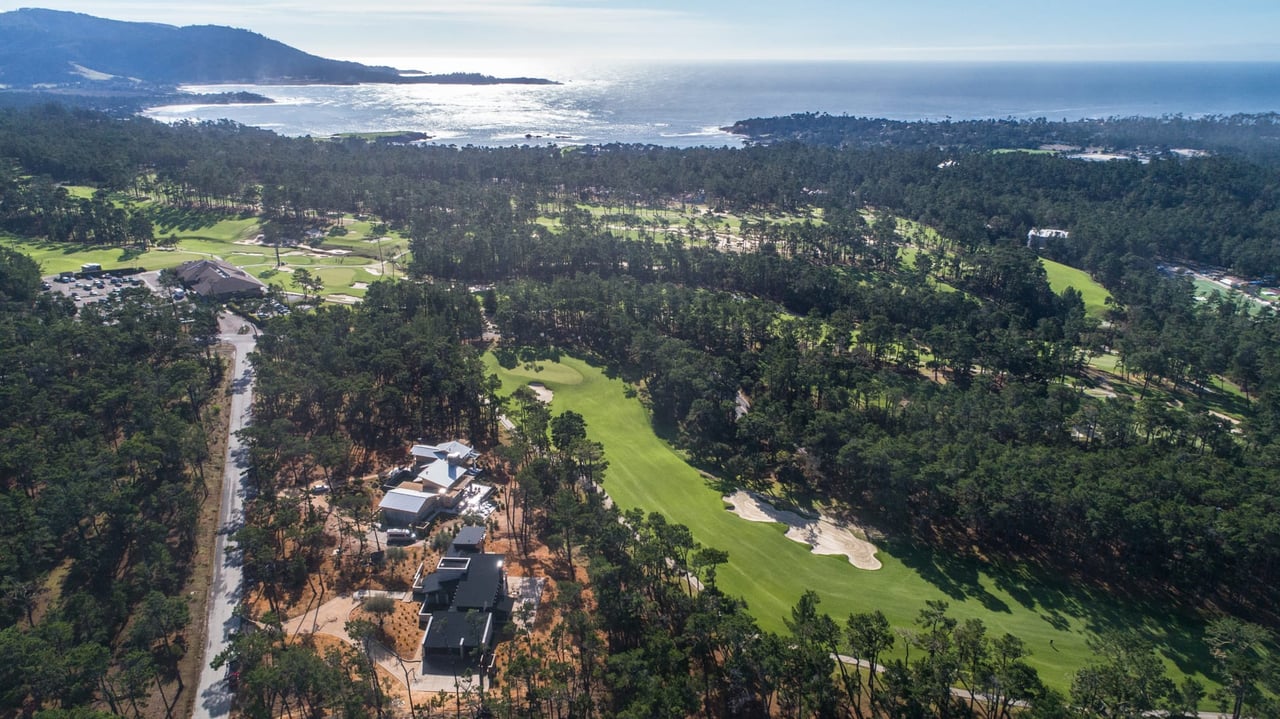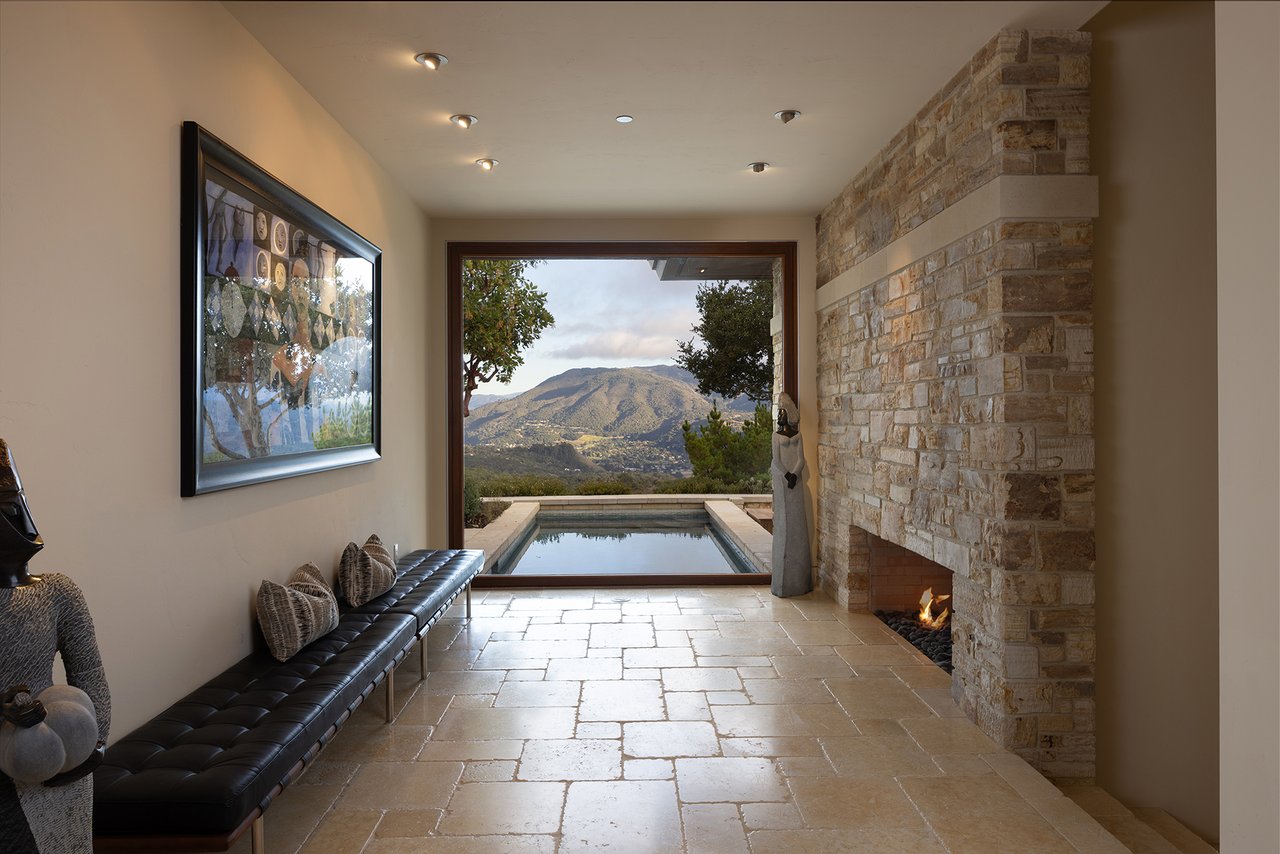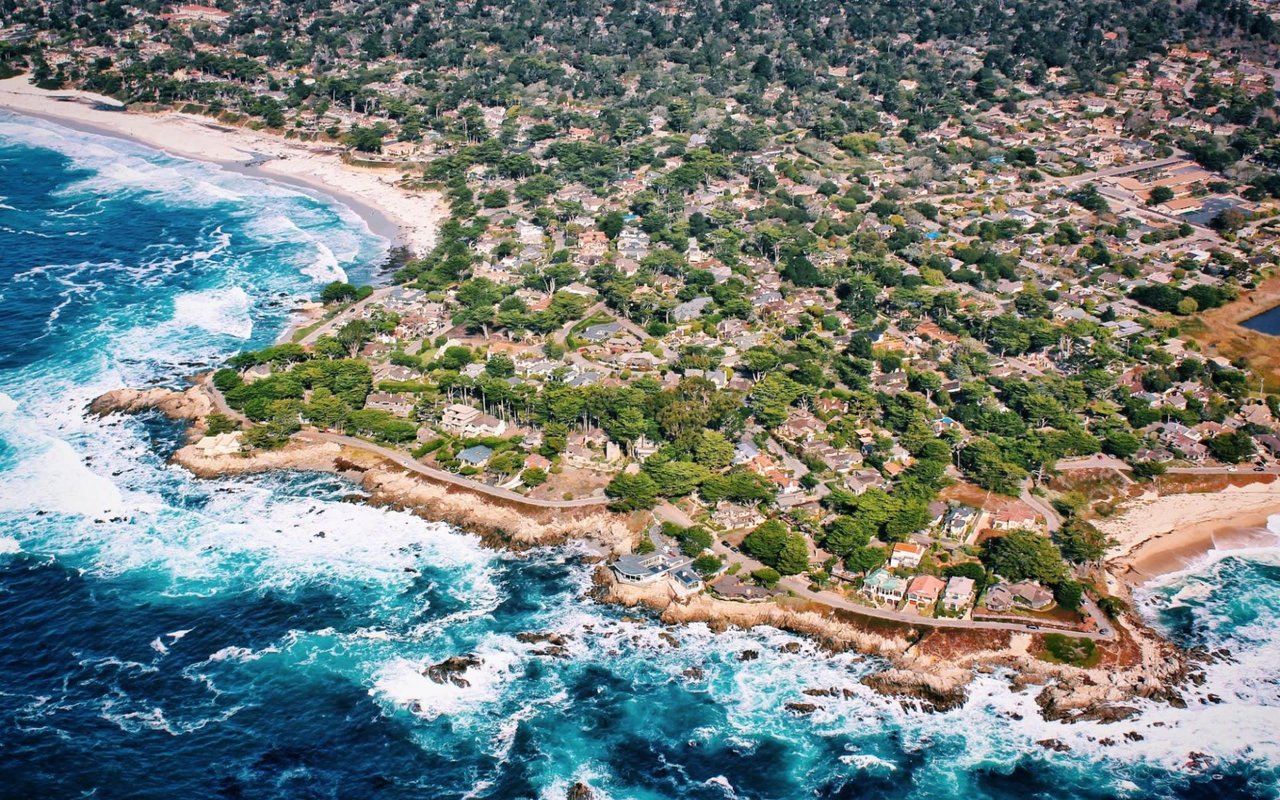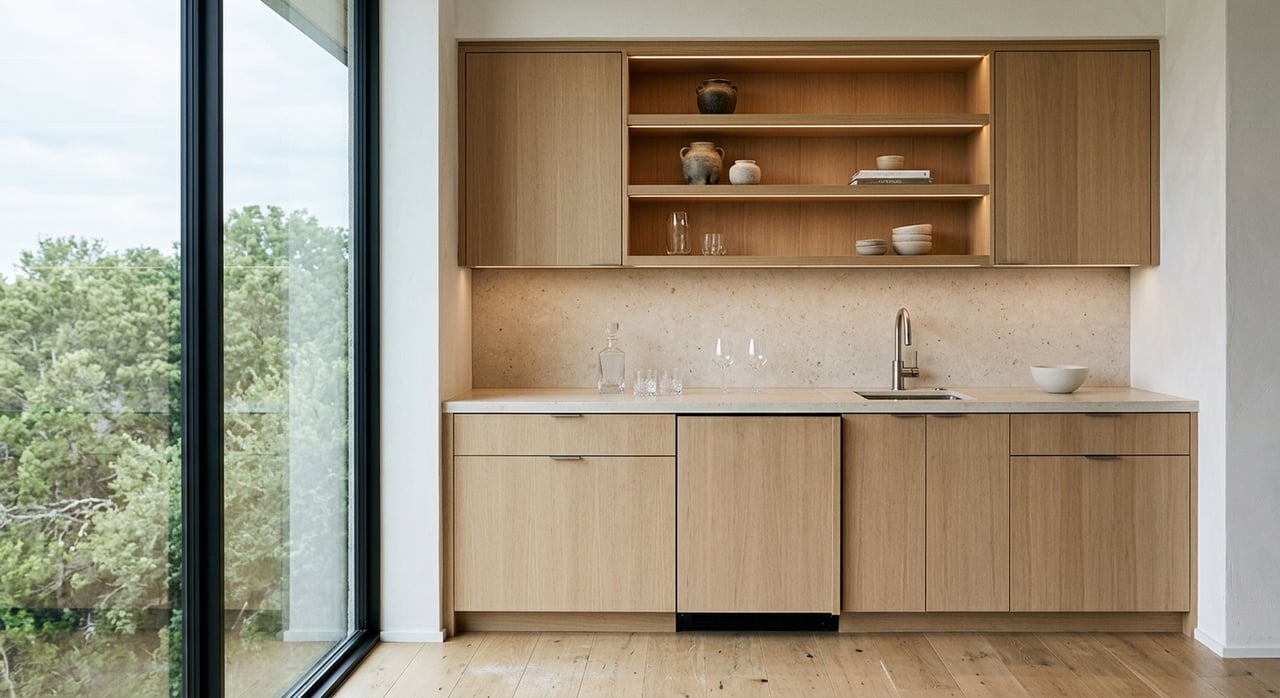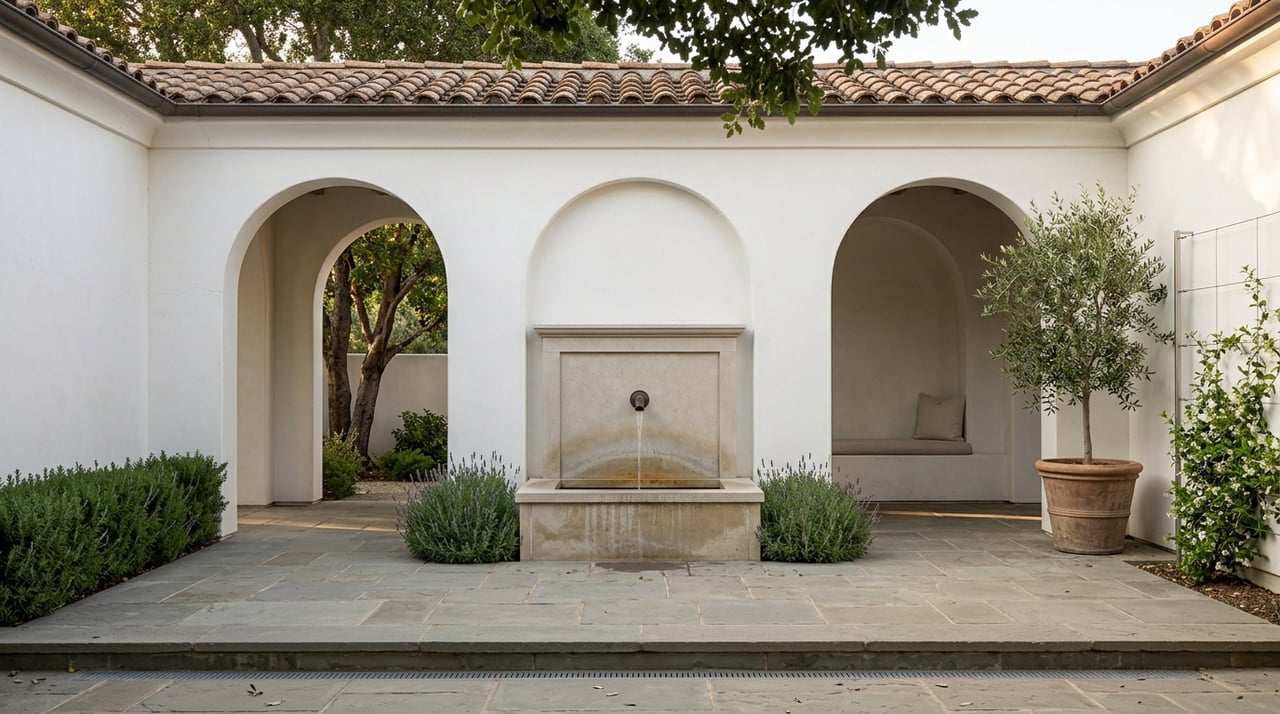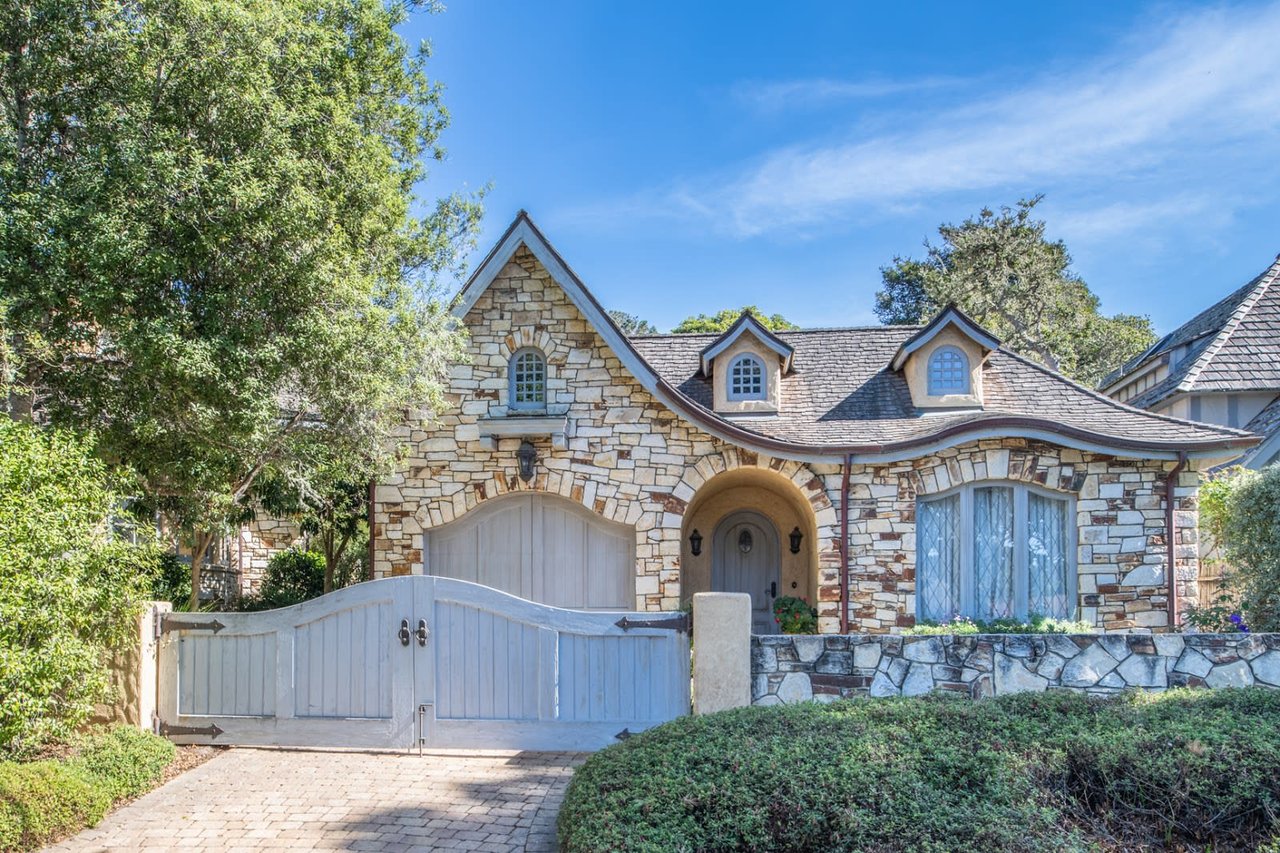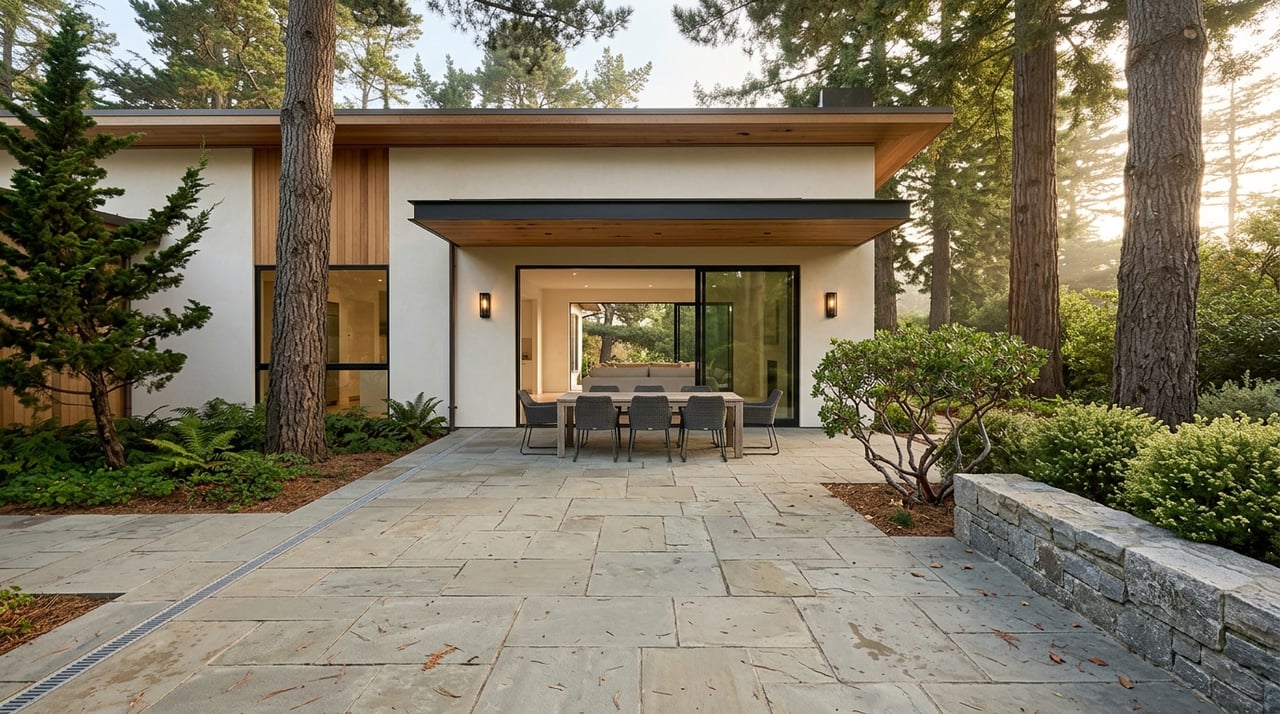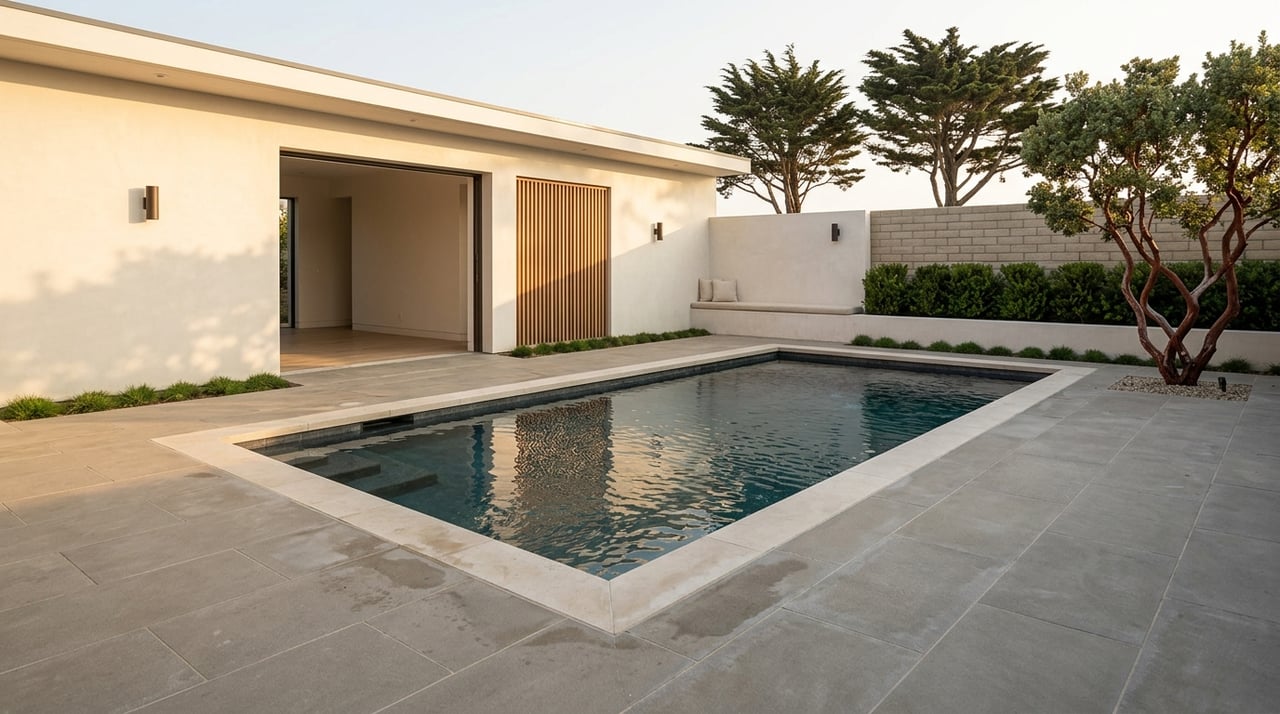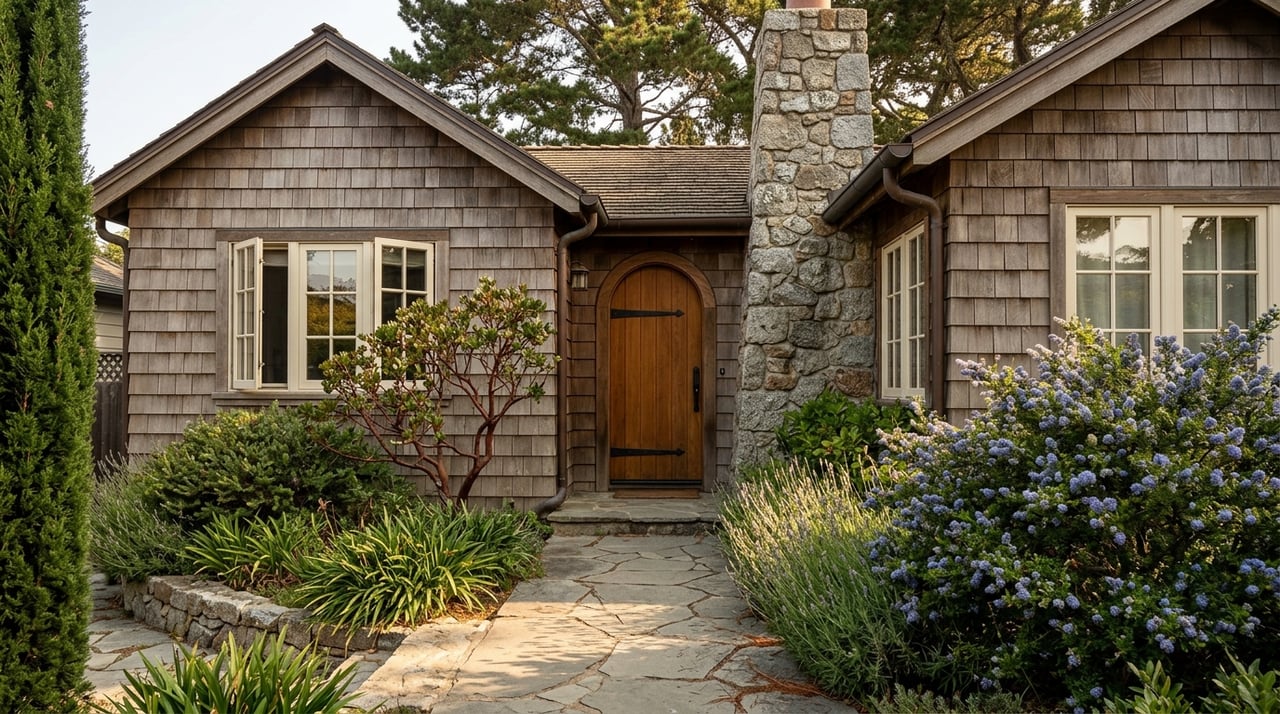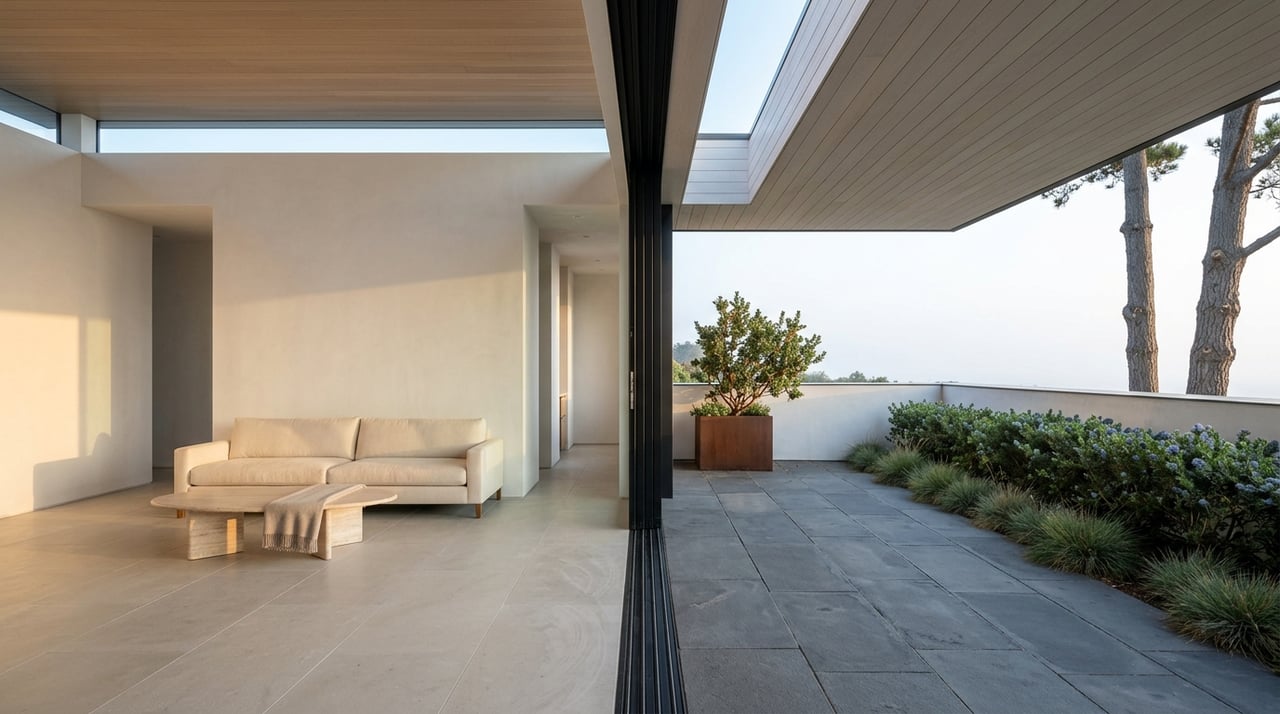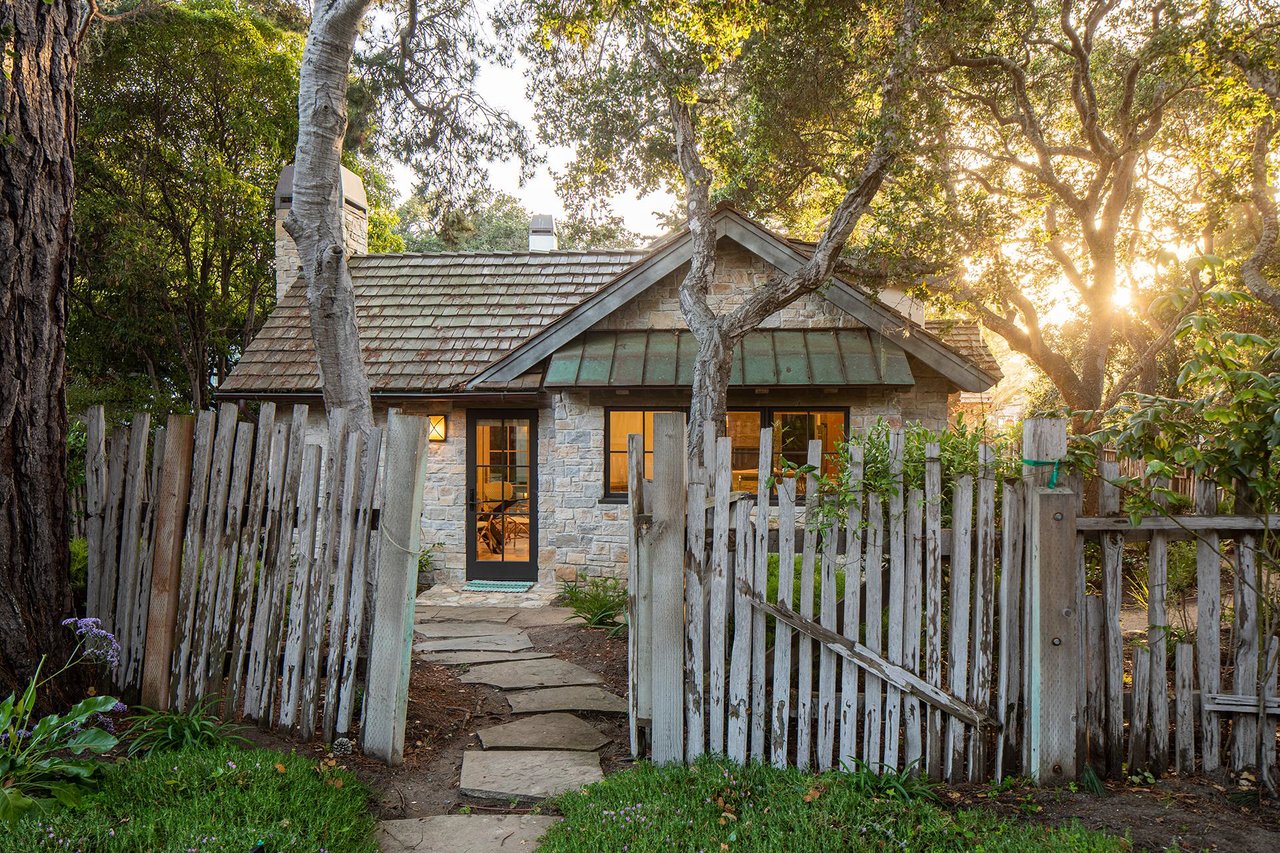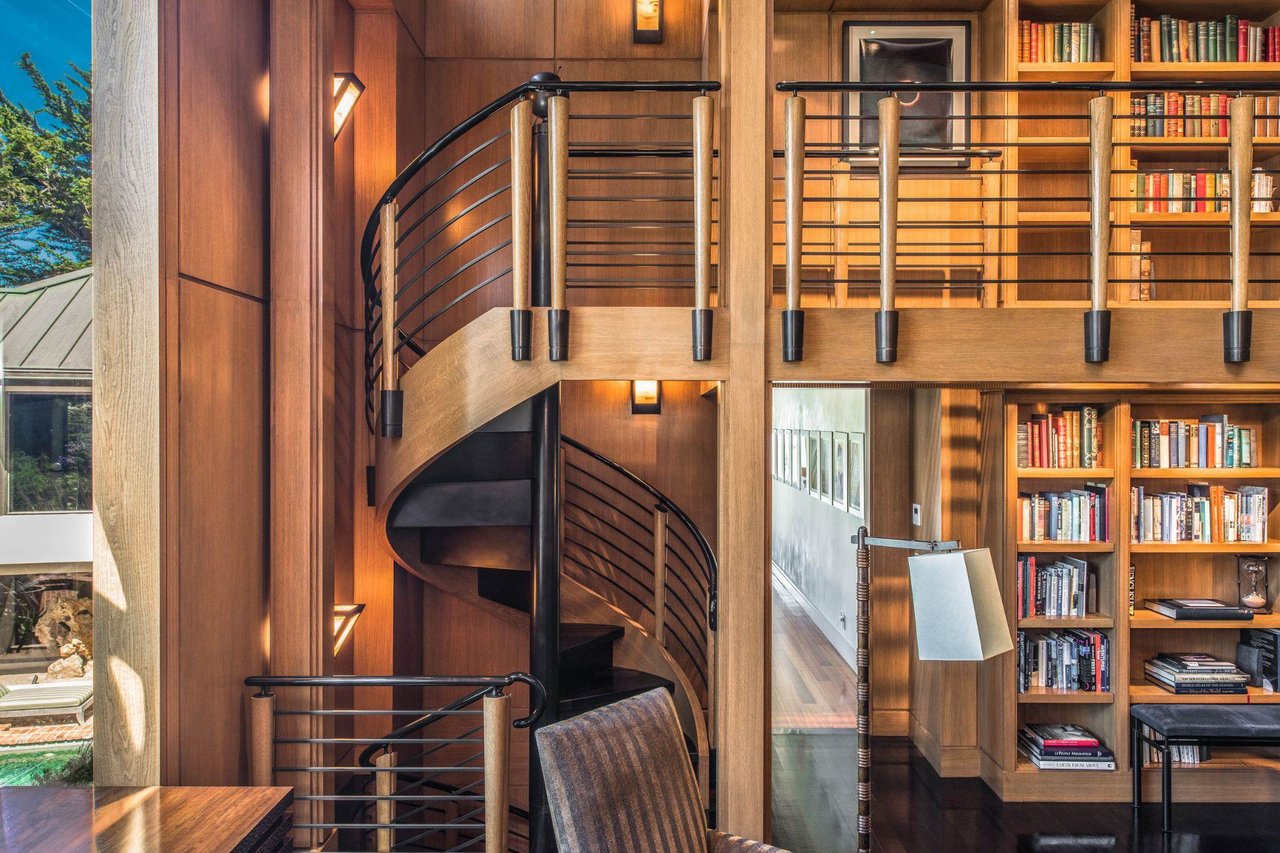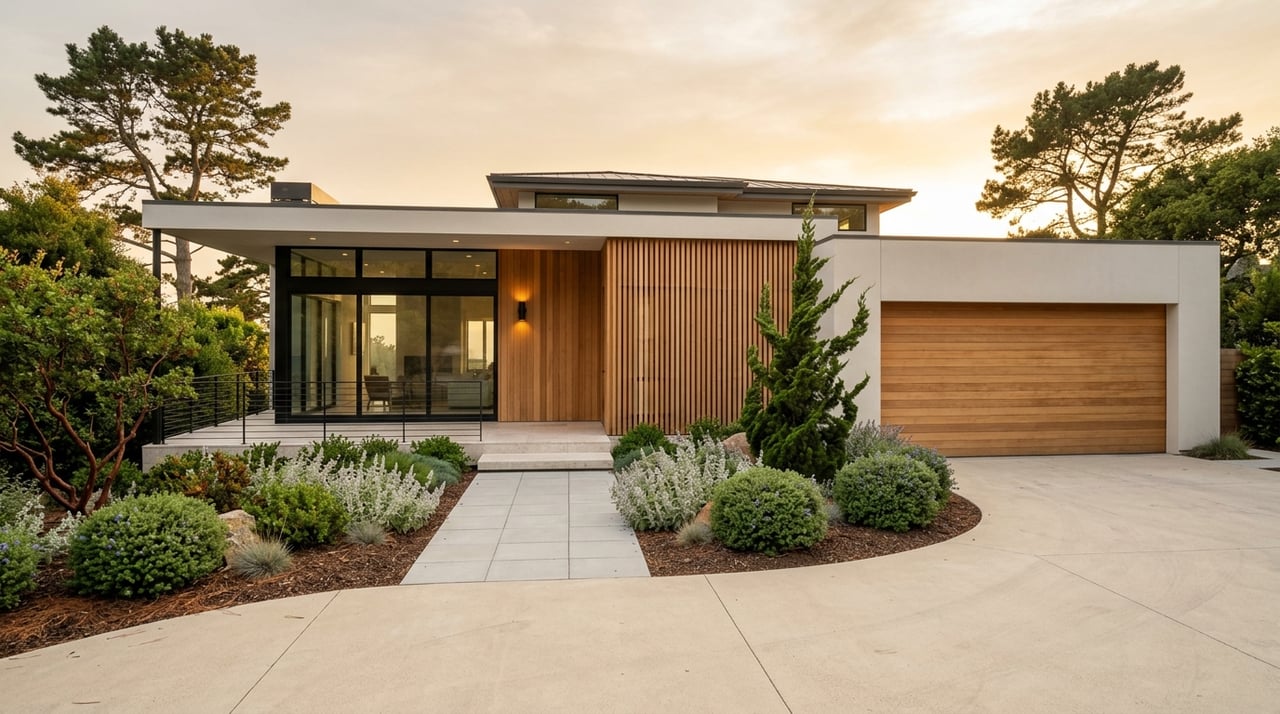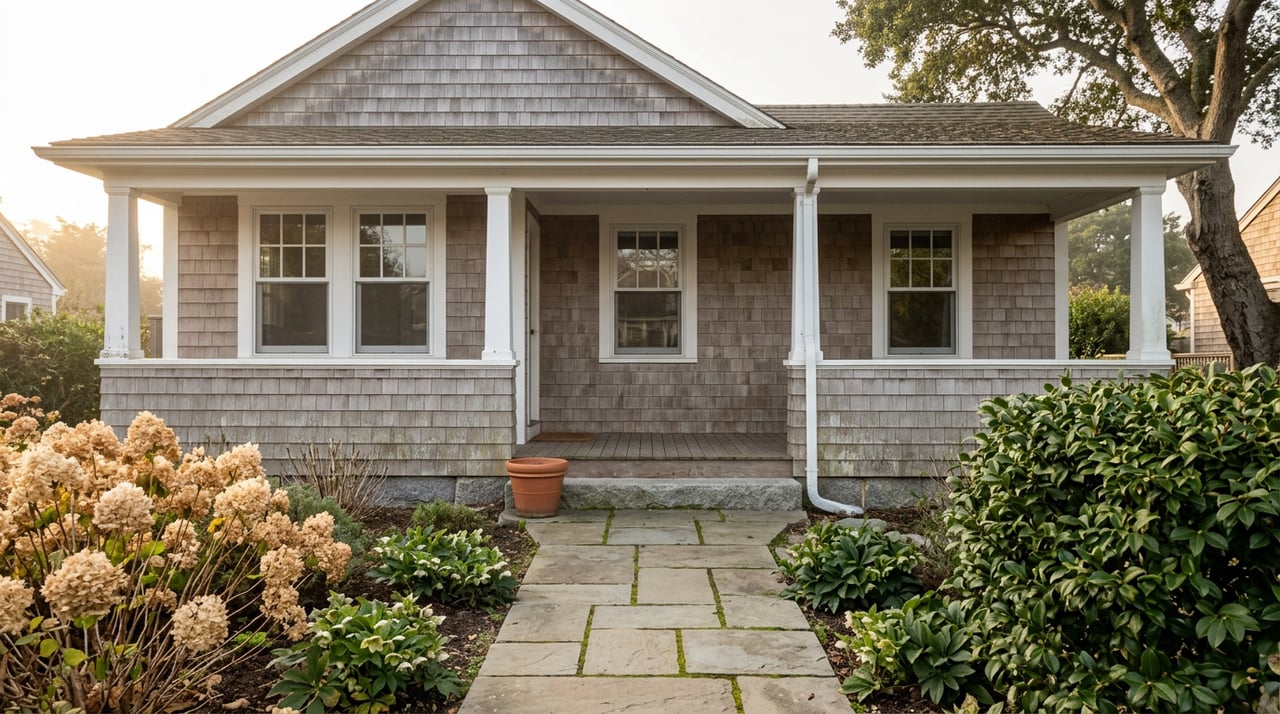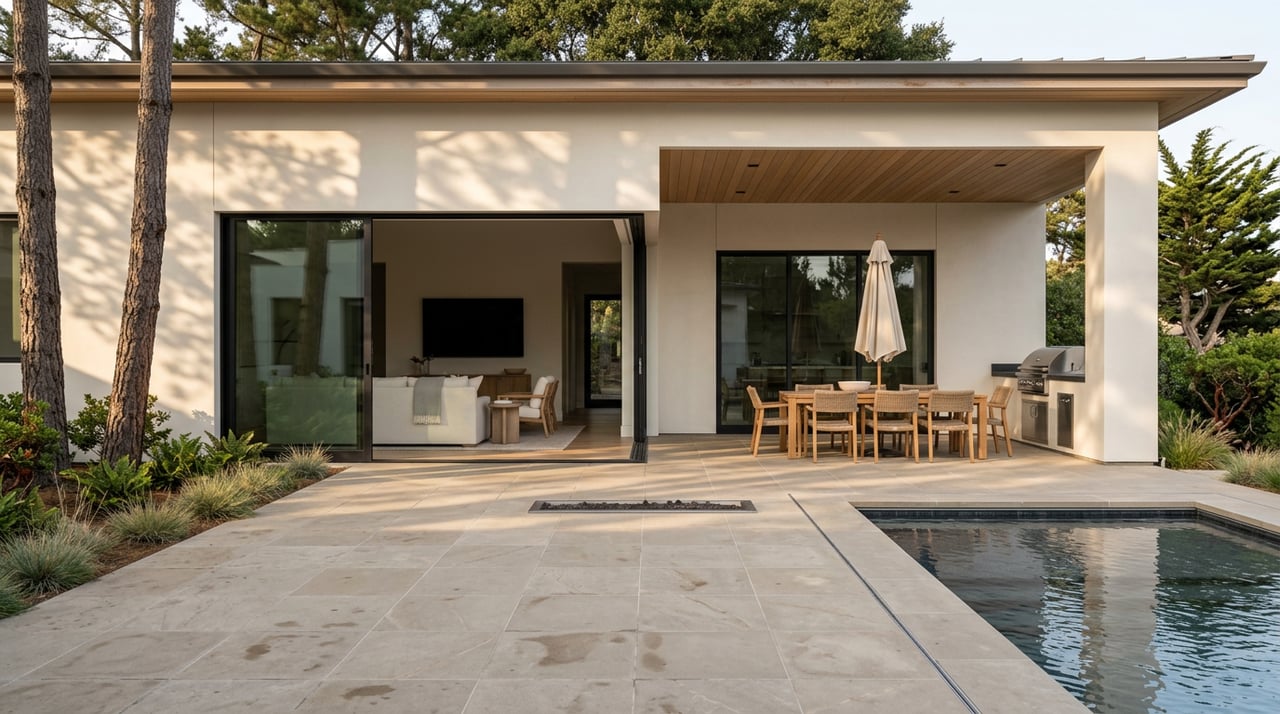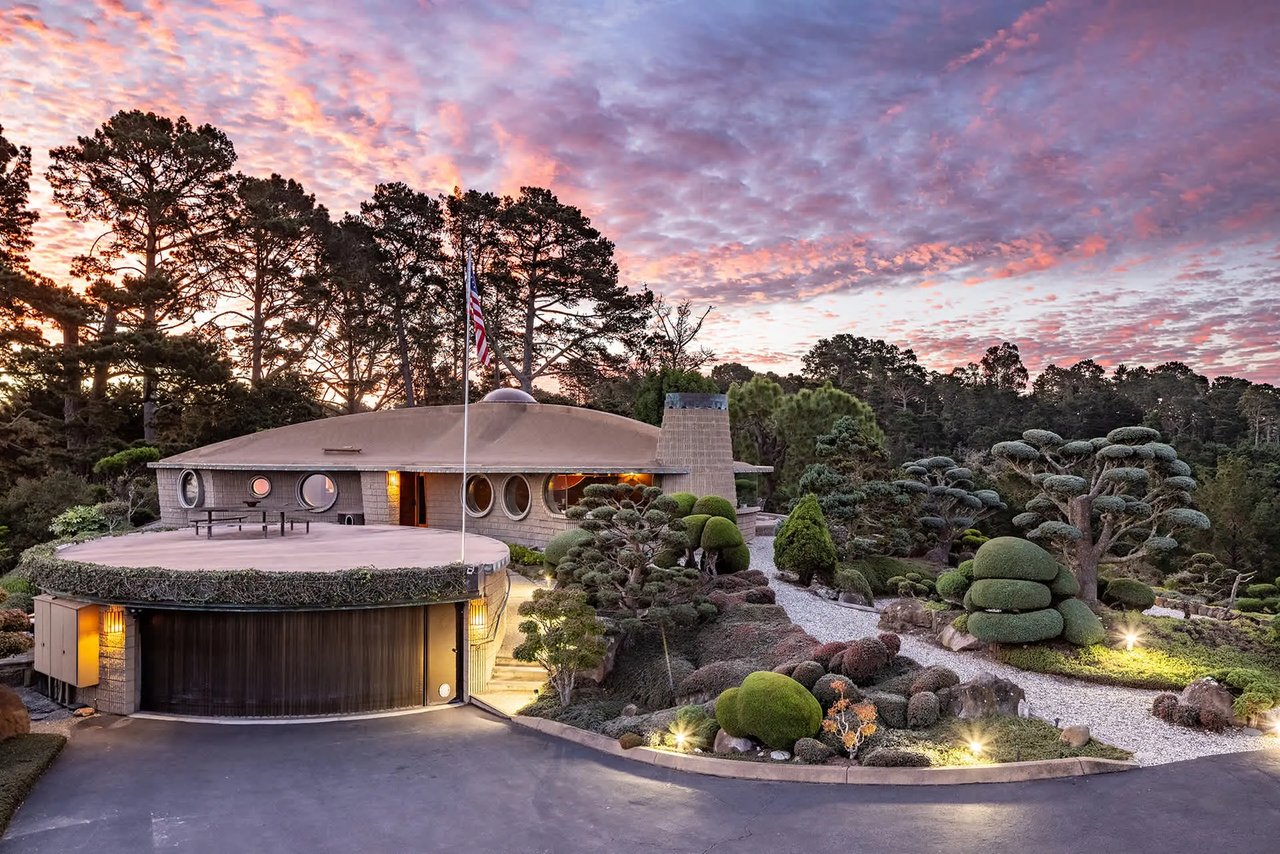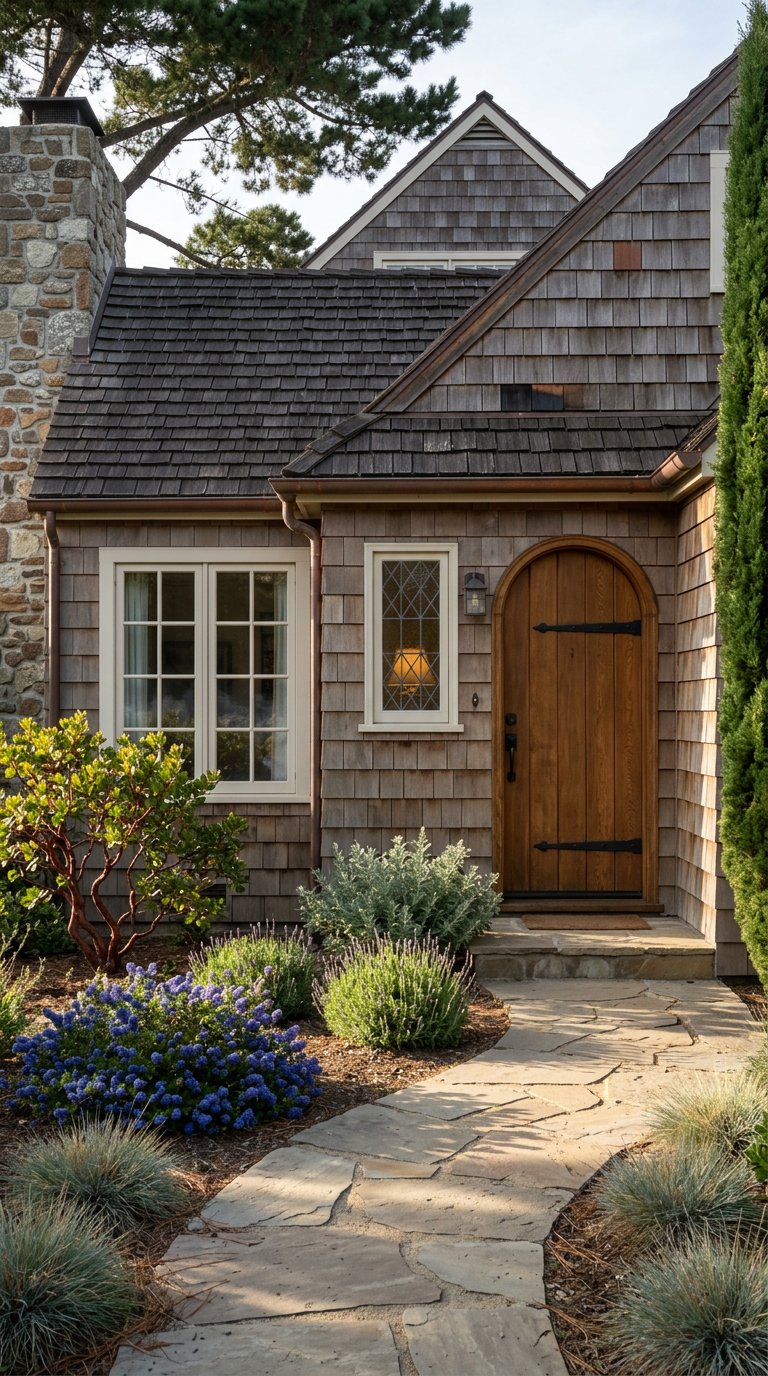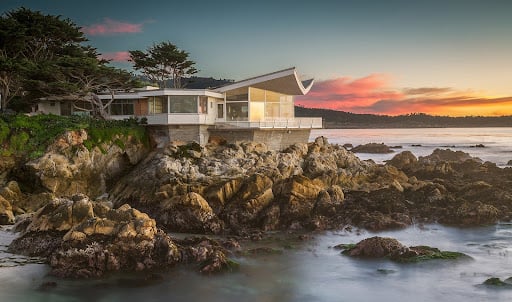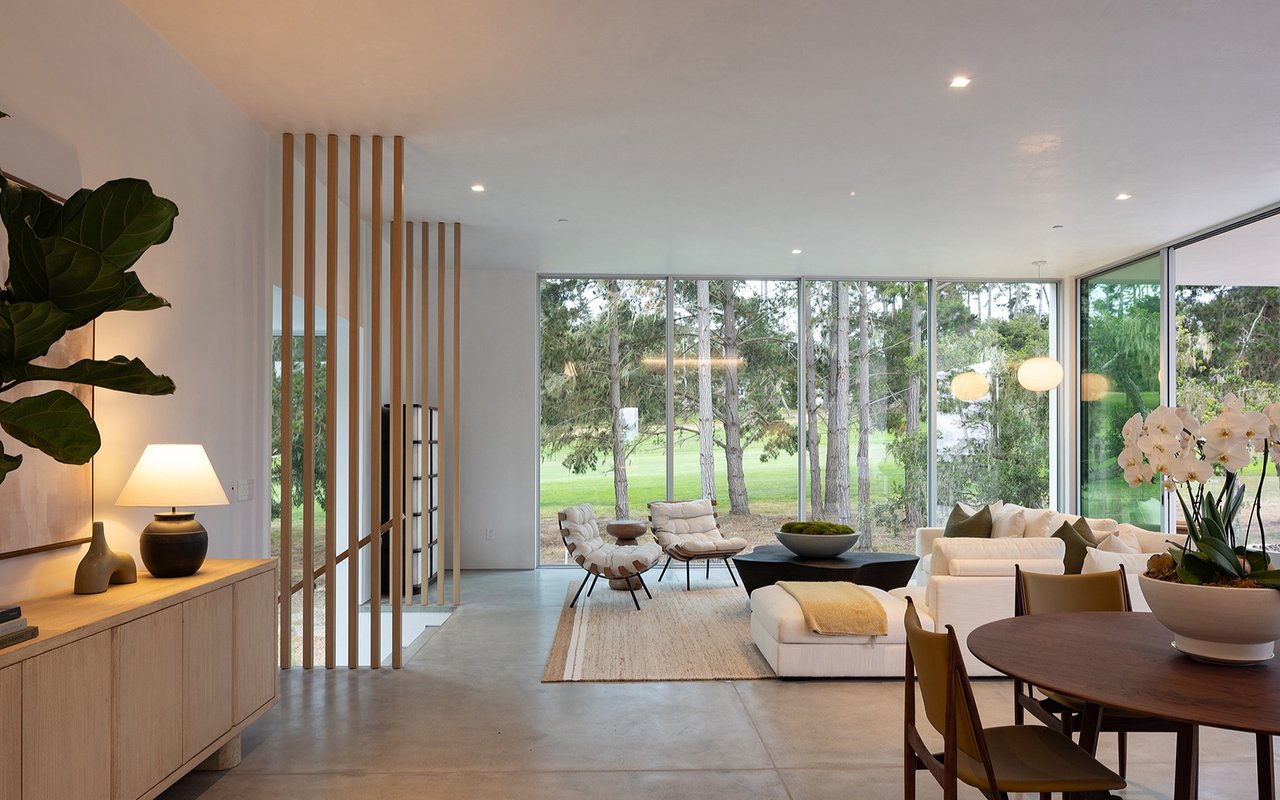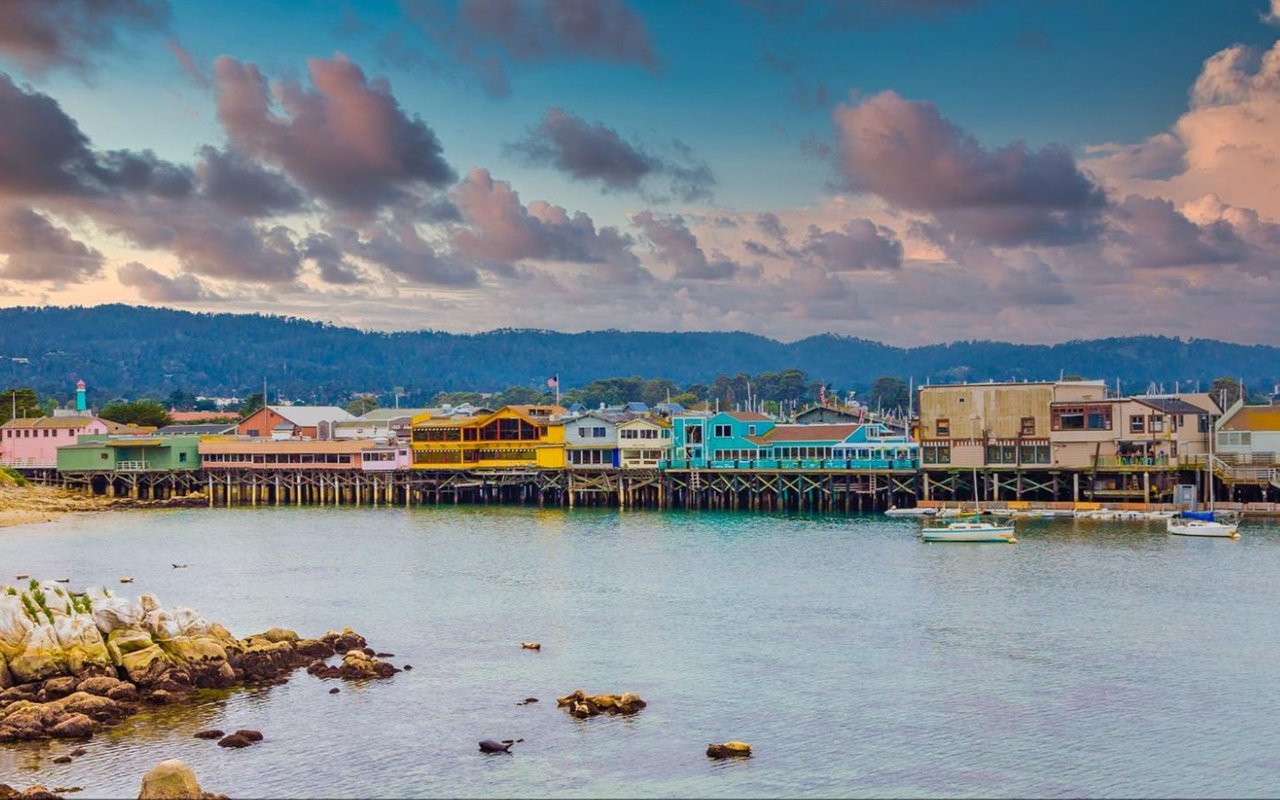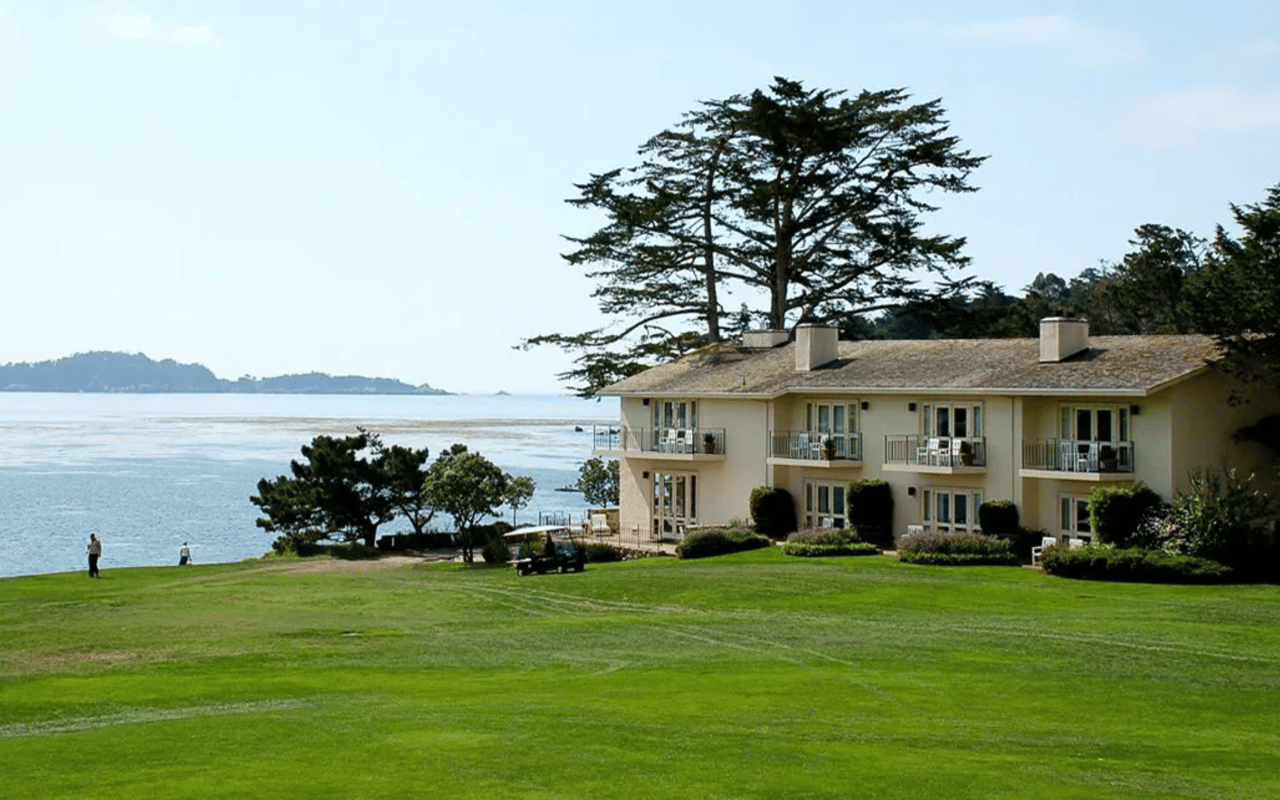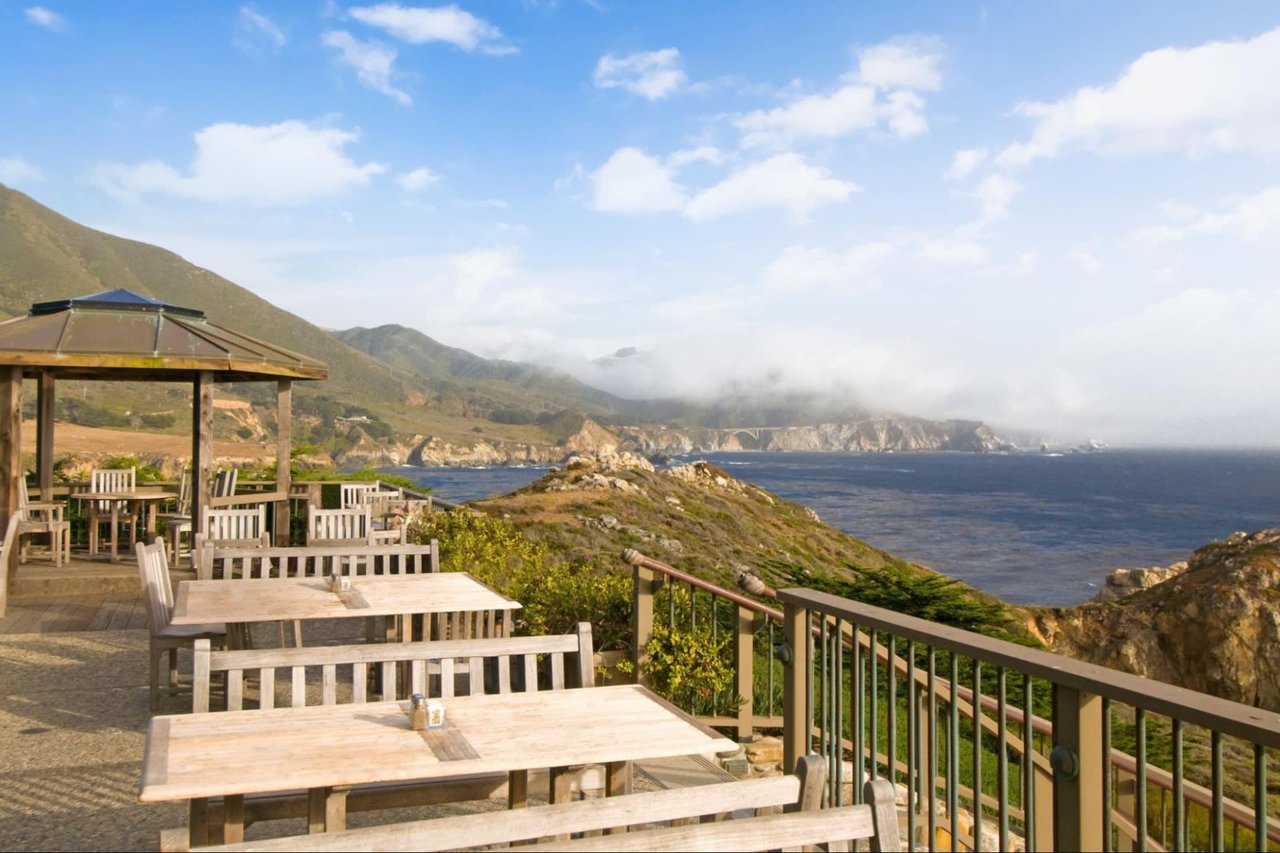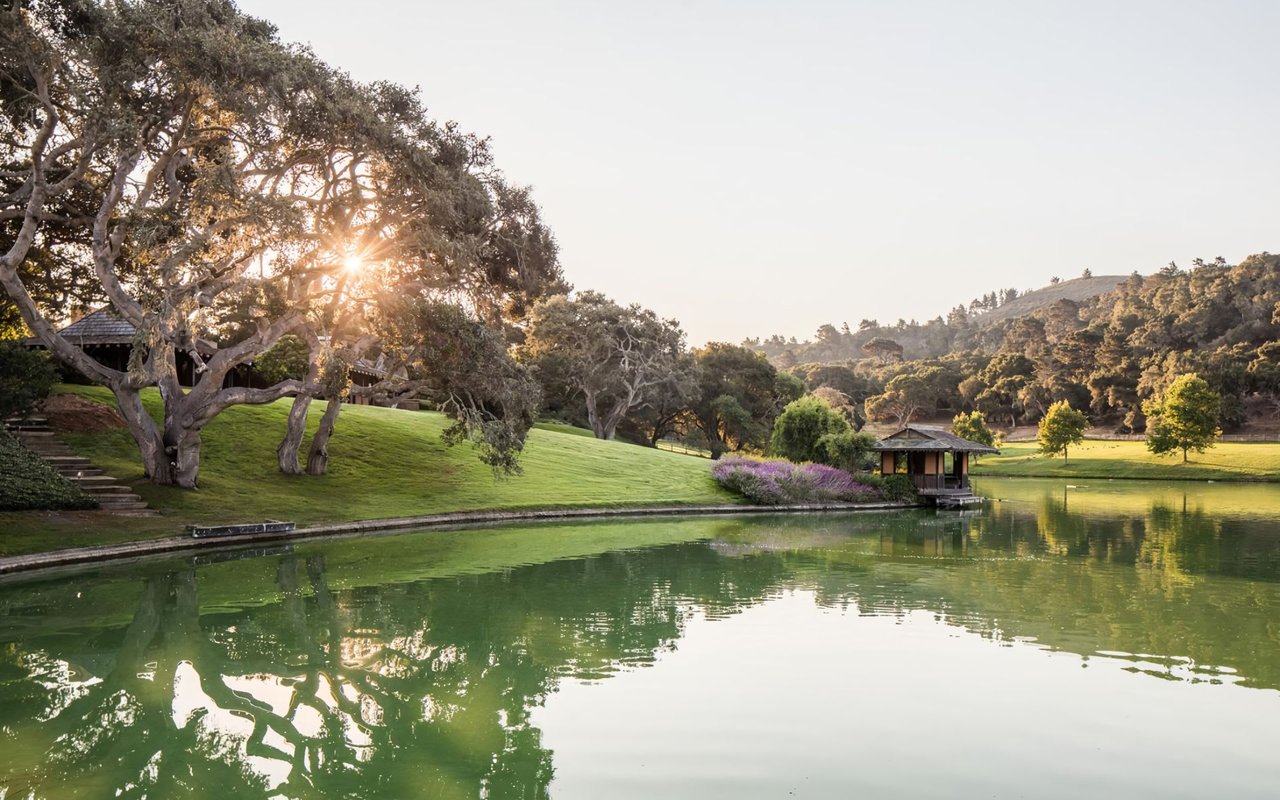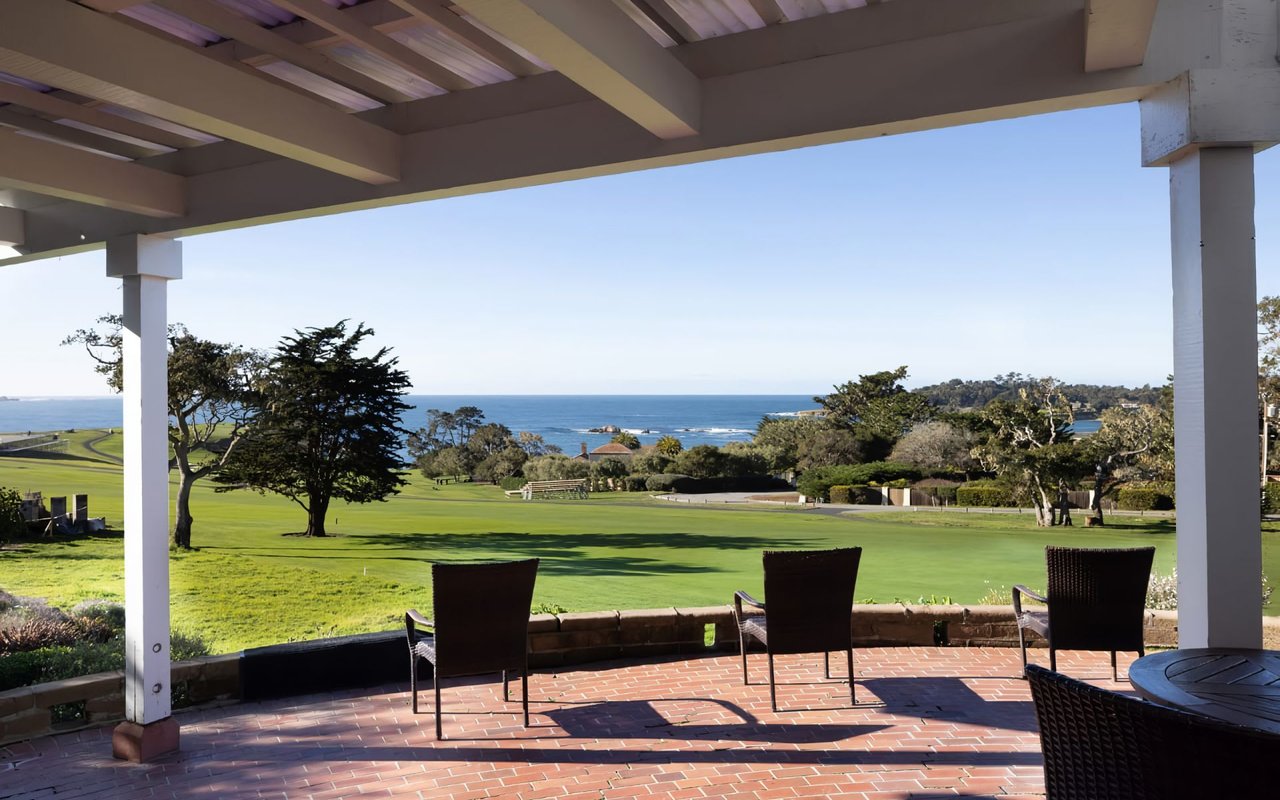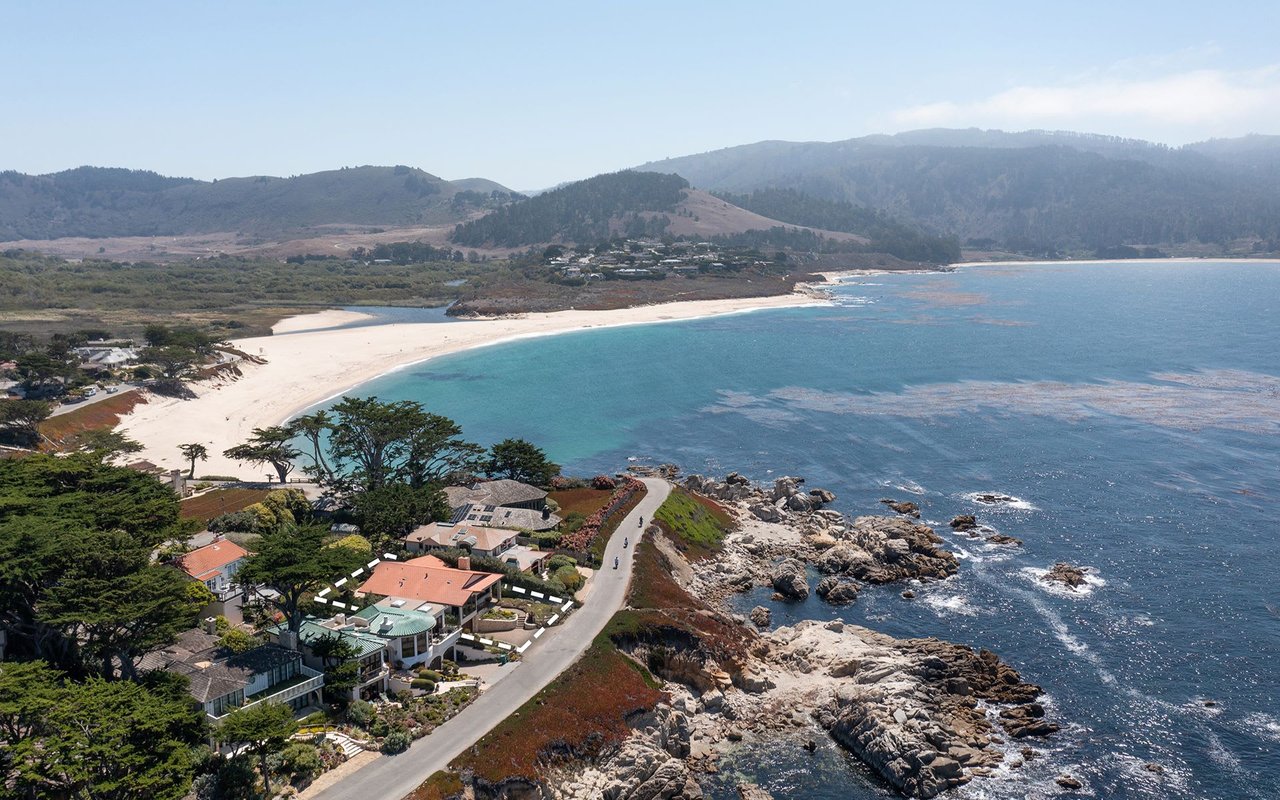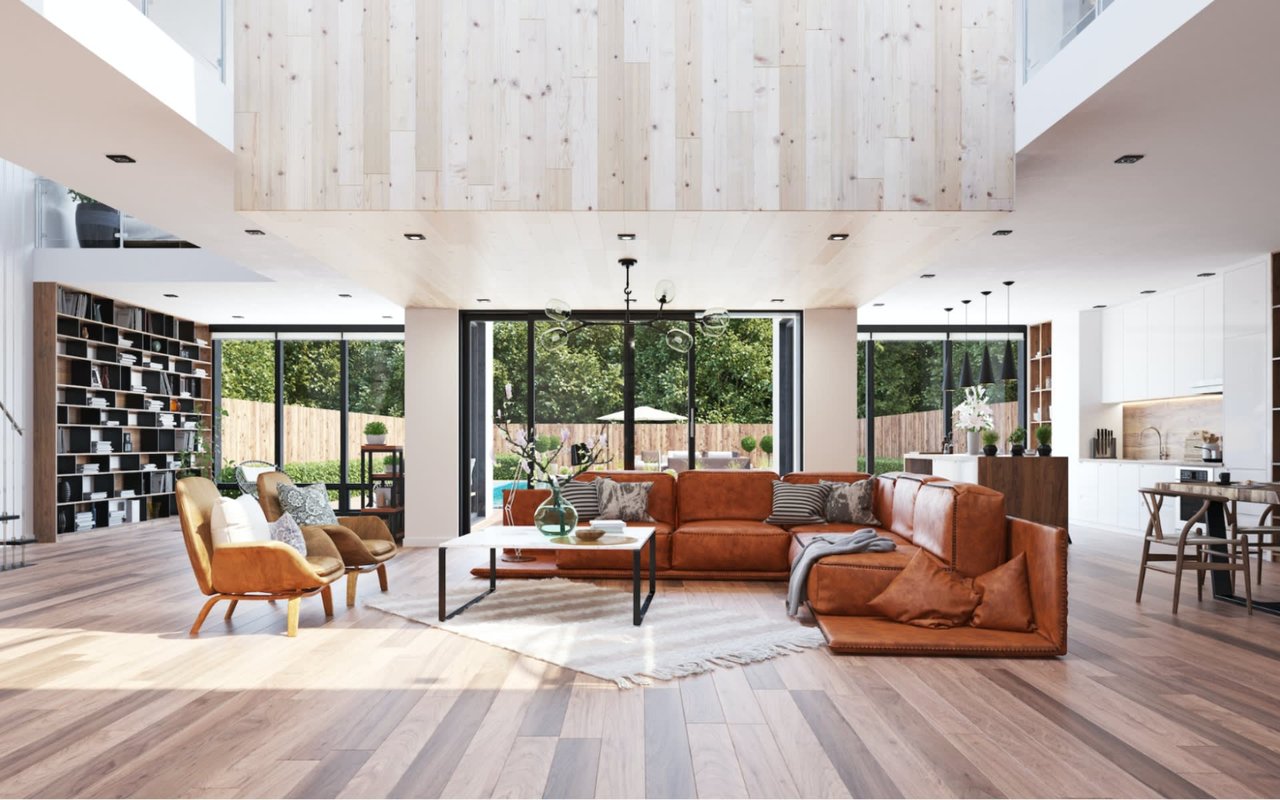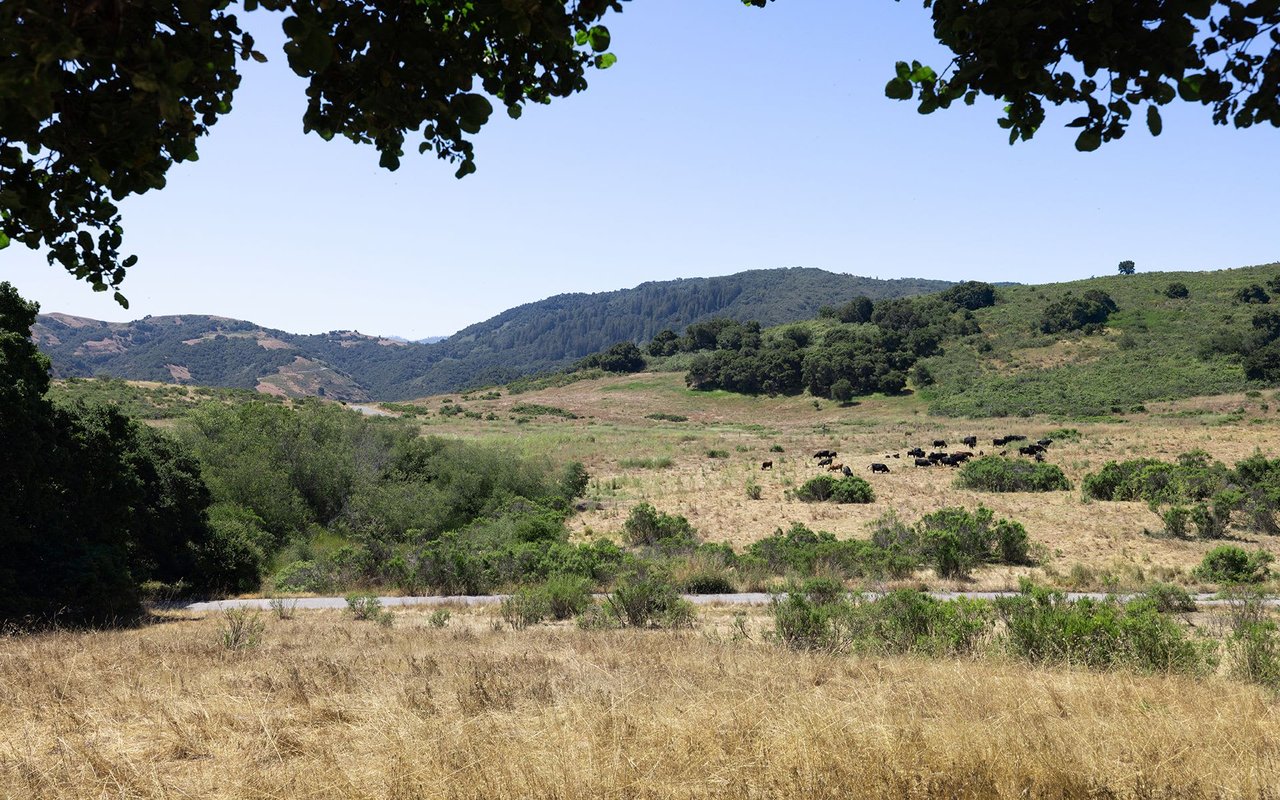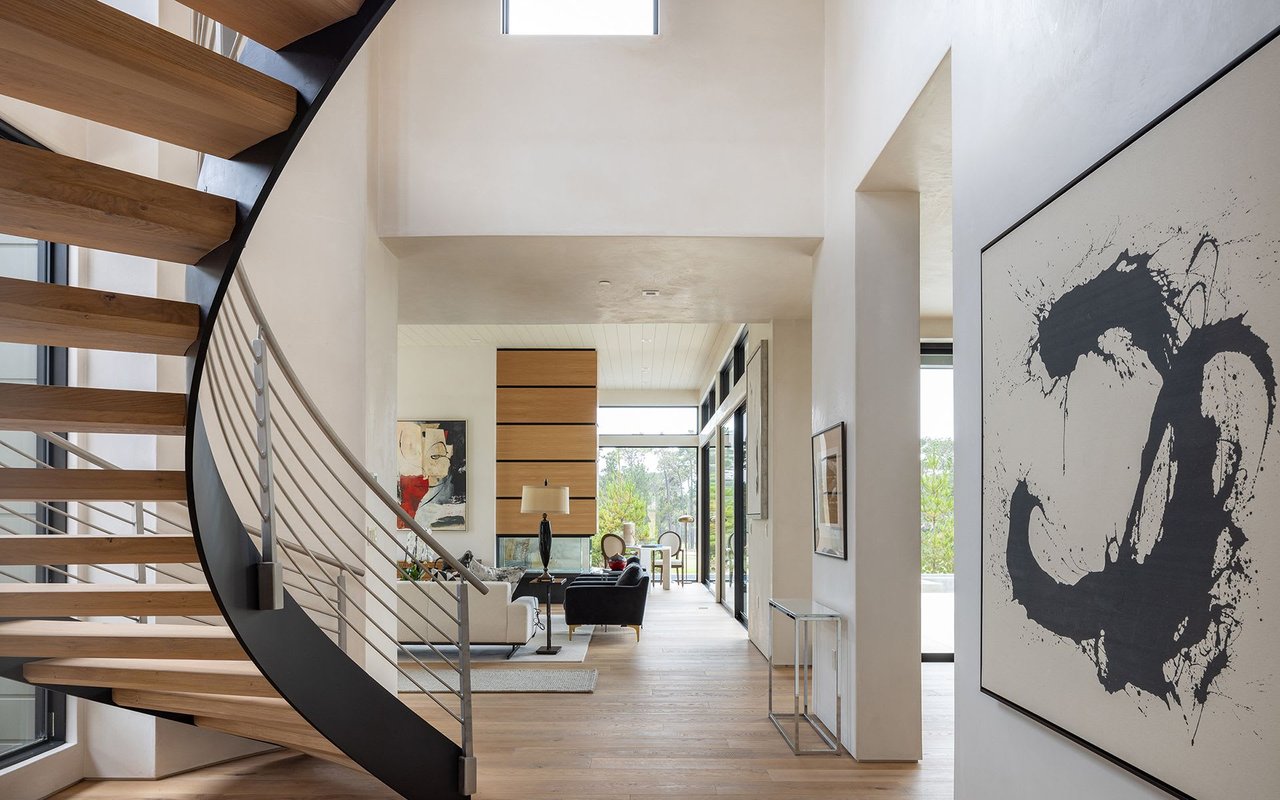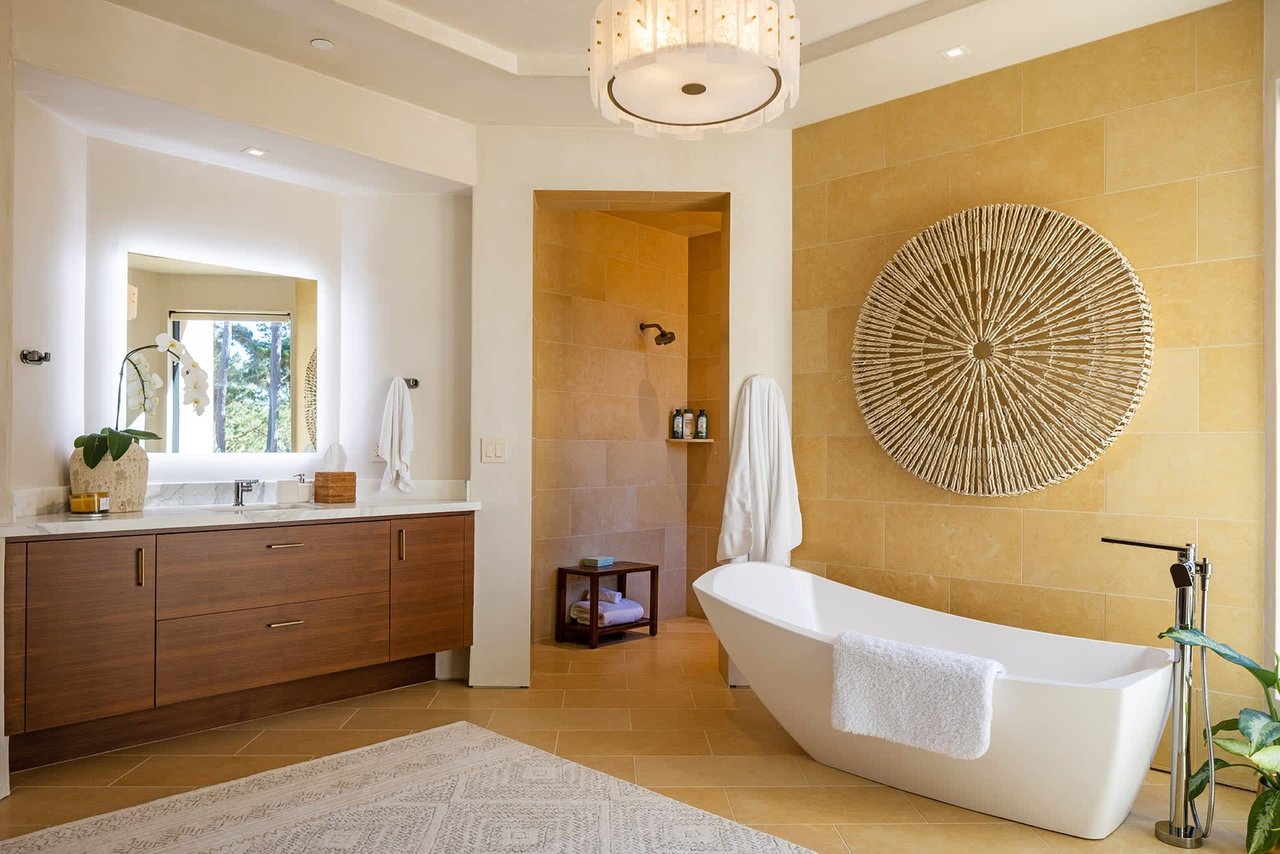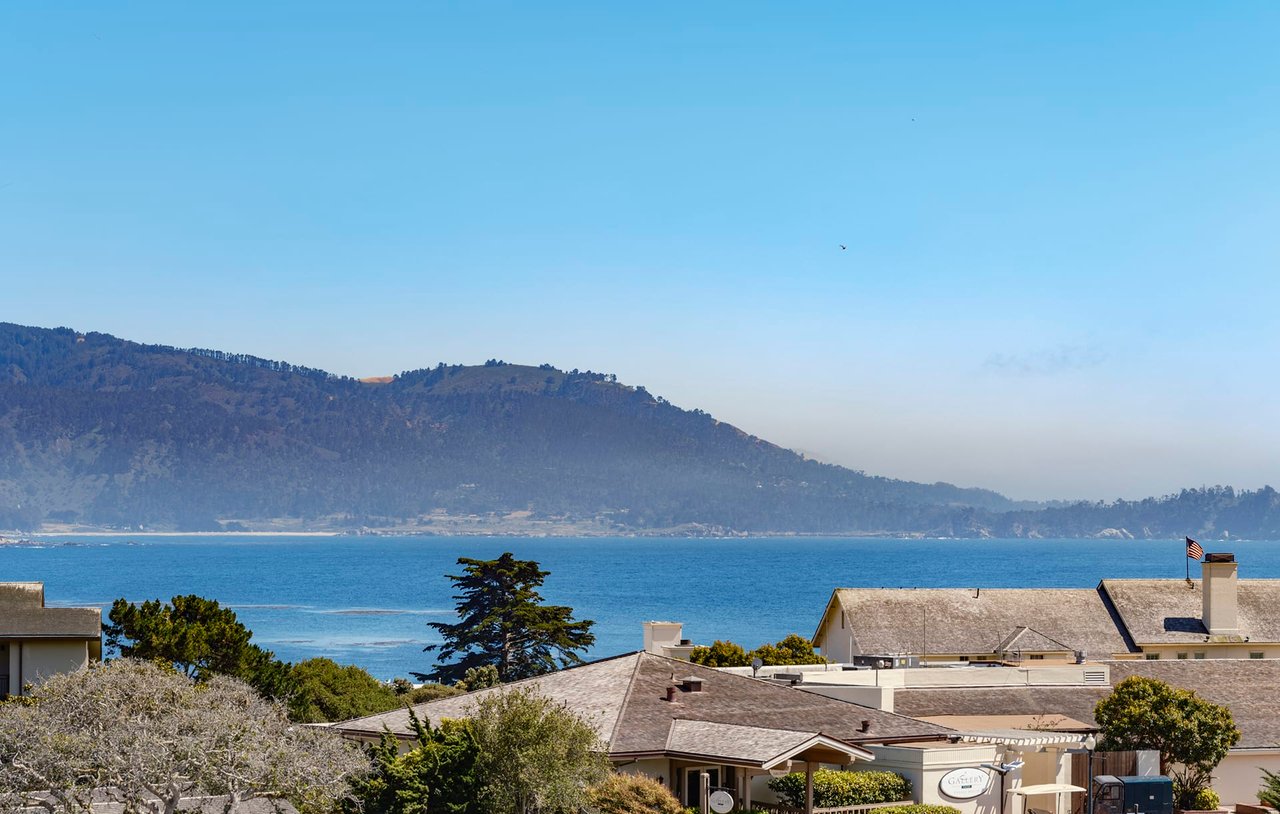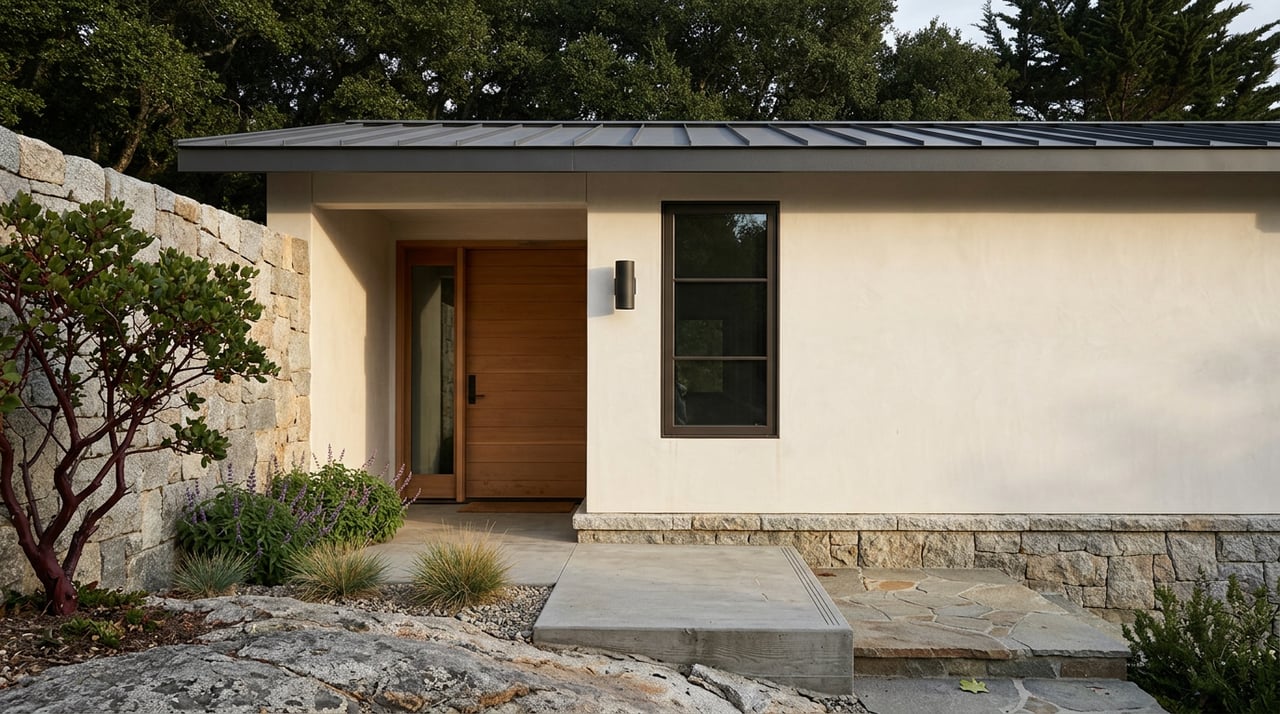
Two ocean-view homes sit four hundred feet apart on the same Highlands road. Both are roughly 3,500 square feet. Both look west over the same stretch of Pacific. One is listed near $5.5 million. The other is asking north of $10 million. A buyer arriving from a portal search reads that gap as view quality, or finish level, or square-foot math, and quietly assumes one seller is optimistic.
That reading is almost always wrong. In Carmel Highlands, the price ladder is not a view ladder or a square-foot ladder. It is an entitlements ladder. Water, septic capacity, coastal permit history, and the granite beneath the leachfield explain more of the delta than anything the listing photos can show, and they are the reason two visually similar properties transact at very different numbers.
The four things that actually price a Highlands home
A live water meter, or transferable water credits. Carmel Highlands sits outside California American Water's Cal-Am service area for most parcels and is instead served in large part by the Carmel Riviera Mutual Water Company, whose supply reaches roughly 177 property owners. Not every lot has a meter. Current Spindrift Road land listings openly disclose that a parcel has no water meter due to a longstanding moratorium, and sellers are steering buyers toward private wells or waiting for regional supply progress. When a resale house comes with a meter already assigned, and especially when it comes with documented water credits sufficient to support additional bathrooms or a pool, the buyer is purchasing a nearly non-replicable asset, not just a house.
A permitted, functioning septic system with headroom. The Highlands is not fully sewered. The Carmel Highlands Onsite Wastewater Management Plan was adopted by the Monterey County Board of Supervisors on December 15, 2009 and approved by the Central Coast Regional Water Quality Control Board on February 24, 2010, and its recommendations were later folded into the county-wide LAMP that was incorporated into Monterey County Code Chapter 15.20 in June 2023. Carmel Area Wastewater District has, since 2014, allowed only private pumped connections in the Highlands that discharge septic-tank effluent, and only six such private pumped connections exist. A house whose septic system is compliant, sized for its current bedroom count, and sited on a passable soils report is a different asset from one whose leachfield is a future capital project.
A defensible Coastal Development Permit history. Zoning falls under Monterey County via the Carmel Area Land Use Plan, adopted in 1982 as part of the certified Local Coastal Program. Construction, additions, and even some hardscape changes require Coastal Development Permits with height limits, setbacks, and geologic hazard assessments. When a Highlands home has an approved permit set for its footprint and improvements, the next owner inherits certainty. When it does not, or when past work sits in a gray zone, the next owner inherits a coastal permit application.
Granite you can build on. A May 2006 well completion report for a Corona Road site documented approximately 60 feet of decomposed granite over 180 feet of hard, unfractured granite before fractured bedrock appeared, which is the kind of profile that shapes both well yield and leachfield performance. The Coastal Commission's appeal of the Ritchie/diCicco beach-access tunnel at the Charles Sumner Greene stone house at 105 Highway 1, built between 1918 and 1922, called the site unsuitable for the proposed development because of highly fractured granite bedrock and cited prohibited landform alteration under the Carmel Area LUP. That is the ceiling on what a cliffside lot can become.
What the Q1 2026 numbers say once you read them this way
The peninsula's first quarter was, in aggregate, quiet. Roughly 58 luxury deals closed for about $268 million, down modestly from the prior quarter's 75 deals at $273 million. What is not quiet is the top of the market. Seven sales cleared $8 million in Q1 2026 alone, and thirteen deals north of $8 million closed across the two most recent quarters, compared with five in the same period a year earlier. Nearly half of Q1 2026 deals were above $4 million, versus 22% in Q1 2025.
Carmel Highlands is where a disproportionate share of that top-of-market activity has landed. The submarket booked nine escrows in a recent quarter, up from three the quarter before, and roughly $80 million in Highlands sales across the last two quarters. Median discount to list peninsula-wide widened to about 6% in the most recent quarter, roughly double the prior quarter, as sellers softened.
Read through the entitlements lens, that pattern is coherent:
| What the data shows (Q1 2026) | What it means in Carmel Highlands |
|---|---|
| Top-of-market $8M+ activity accelerating | Buyers are paying full freight for houses that already own their water, septic, and coastal permit status |
| Highlands escrows jumped from 3 to 9 quarter over quarter | Ocean-view inventory with clean entitlements is being absorbed first |
| ~6% average discount off list peninsula-wide | The discount is not evenly distributed; homes with entitlement gaps are absorbing more of it |
| 12-month Highlands median near the high $2Ms | The median masks a bimodal market split by entitlements, not by geography |
The trailing twelve-month median hovering in the high $2 millions and the active list concentration at $5.5 million to $13 million on Yankee Point Drive, Spindrift Road, Aurora Del Mar, Van Ess Way, and along Highway 1 are describing the same market. They are just describing its two rungs.
How the map reads on Spindrift and Yankee Point
Yankee Point remains the tightly held enclave inside the tightly held submarket. Flat, walkable proximity to the Pacific, two coastal access points at Otter Cove and Yankee Point Beach, and a small number of parcels with the water and septic history to support real modernization keep supply thin. Recent activity on the road includes a 2007 Tobin Dougherty Architects reimagining in local sandstone, cedar, and standing-seam metal, and 142 Carmel Riviera Drive marketed explicitly around its water credits supporting 3.5 bathrooms and a pool. The Seacliff assemblage, five contiguous lots totaling roughly 5.35 acres and nearly 1,000 feet of oceanfront on Spindrift, with a 12,441-square-foot Lodge, is the outer edge of what the entitlements ladder produces when every rung has been climbed.
Move a half-mile inland or uphill and the calculation changes. Ocean views from a ridge above Wildcat Cove or from the Aurora Del Mar corridor can be spectacular. But the parcel's well yield, leachfield siting, and Coastal Development Permit path become the price-setting variables, not the view line. A buyer who has anchored on the ridge homes' lower dollar-per-square-foot figure without pricing those variables is comparing incomparable products.
FAQ for buyers coming in from the portals
Why is a Carmel Highlands purchase closer to a Big Sur purchase than a Carmel-by-the-Sea purchase, procedurally? Because both sit inside the coastal zone under Monterey County's Local Coastal Program rather than inside an incorporated city with its own water and sewer utilities. That means Coastal Development Permits, geologic hazard assessments, and onsite wastewater rules under MCC Chapter 15.20 attach to your future plans in ways they do not inside Carmel-by-the-Sea.
What should I ask for during due diligence that I would not ask for elsewhere? The water meter number and account, any documented water credits, the most recent septic inspection and pumping records, the geotechnical or soils report on file, and the Coastal Development Permit history for every improvement visible on the property. If a seller cannot produce them, that absence is itself pricing information.
Are the Highlands' septic constraints likely to loosen? The trajectory has been the opposite. Since 2014 CAWD has limited Highlands connections to a small number of private pumped septic-effluent lines, and the Central Coast Water Board has repeatedly flagged the geology as a reason for continued caution. Anyone underwriting a purchase on the assumption of future sewer availability is underwriting a policy change that has not, so far, materialized.
Does the ocean-side of Highway 1 always price above the mountain side? Not automatically. A well-entitled Santa Lucia-facing ridge home with a compliant system and a permit history can price above a west-facing home with a moratorium-era lot, no meter, and an aging leachfield. View premiums are real, but they sit on top of the entitlements stack, not underneath it.
Reading a Highlands listing the way a local reads one takes a few extra hours of diligence and a willingness to price paperwork as an asset. It also produces a purchase that behaves the way a coastal legacy property is supposed to behave over the next thirty years. If you are weighing a specific property or comparing two, Tim Allen Luxury Rentals and the Tim Allen Properties team can walk the water, septic, and permit picture with you before you write the offer. Get in touch with our Luxury Rentals concierge to start the conversation.