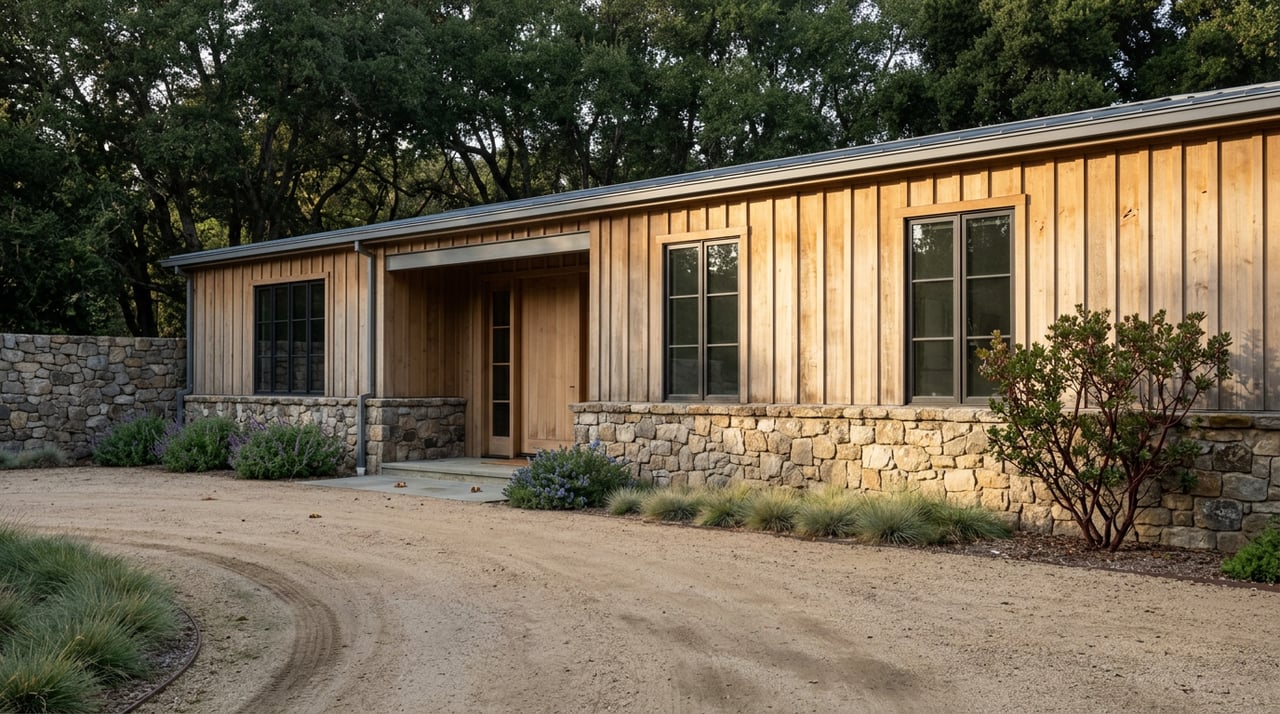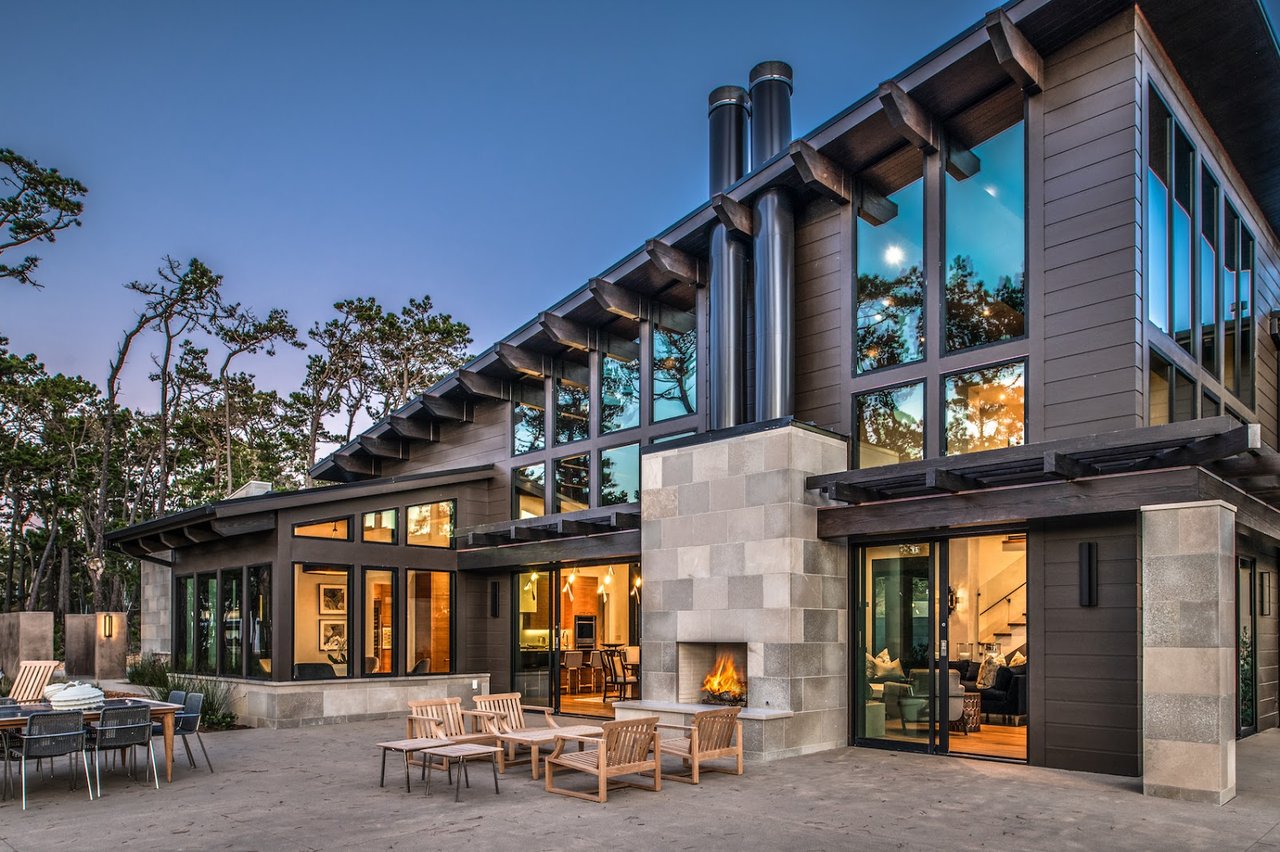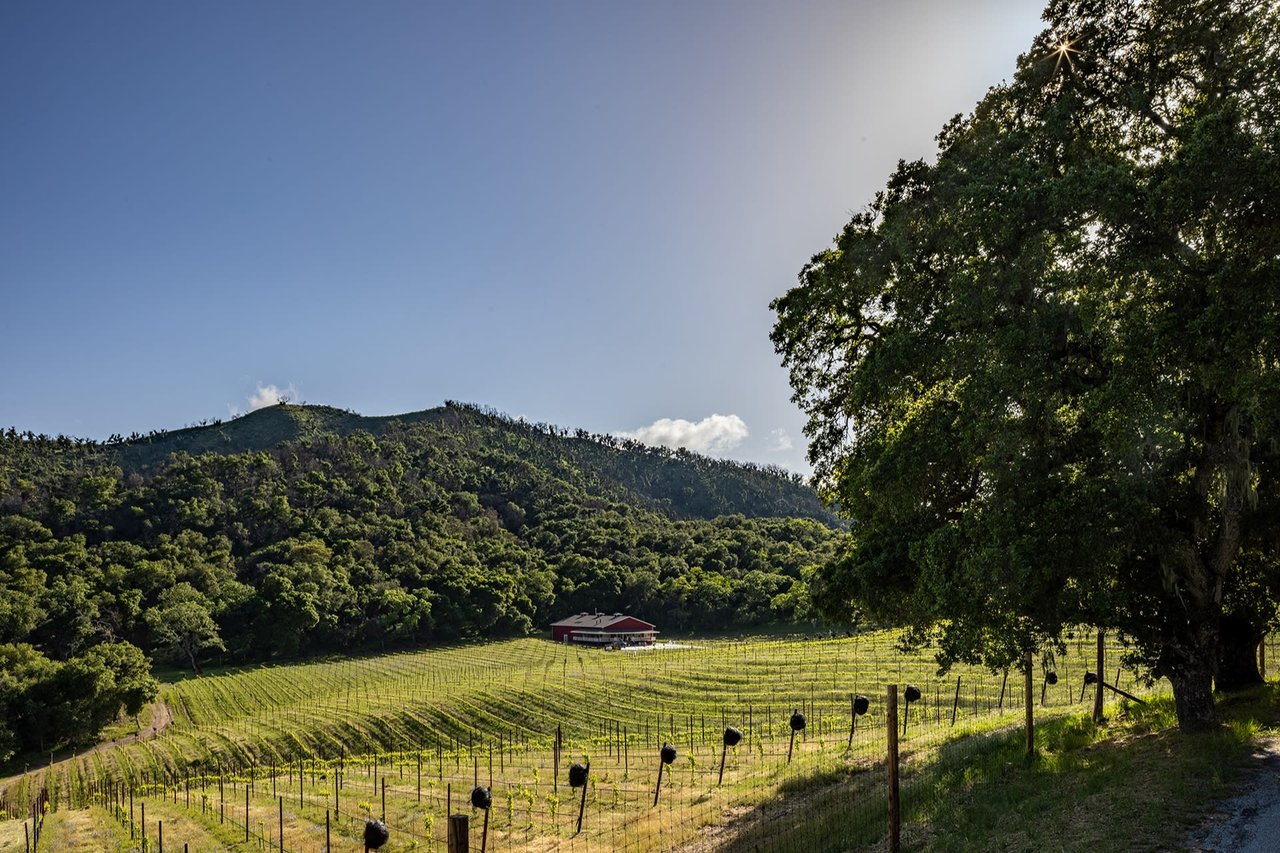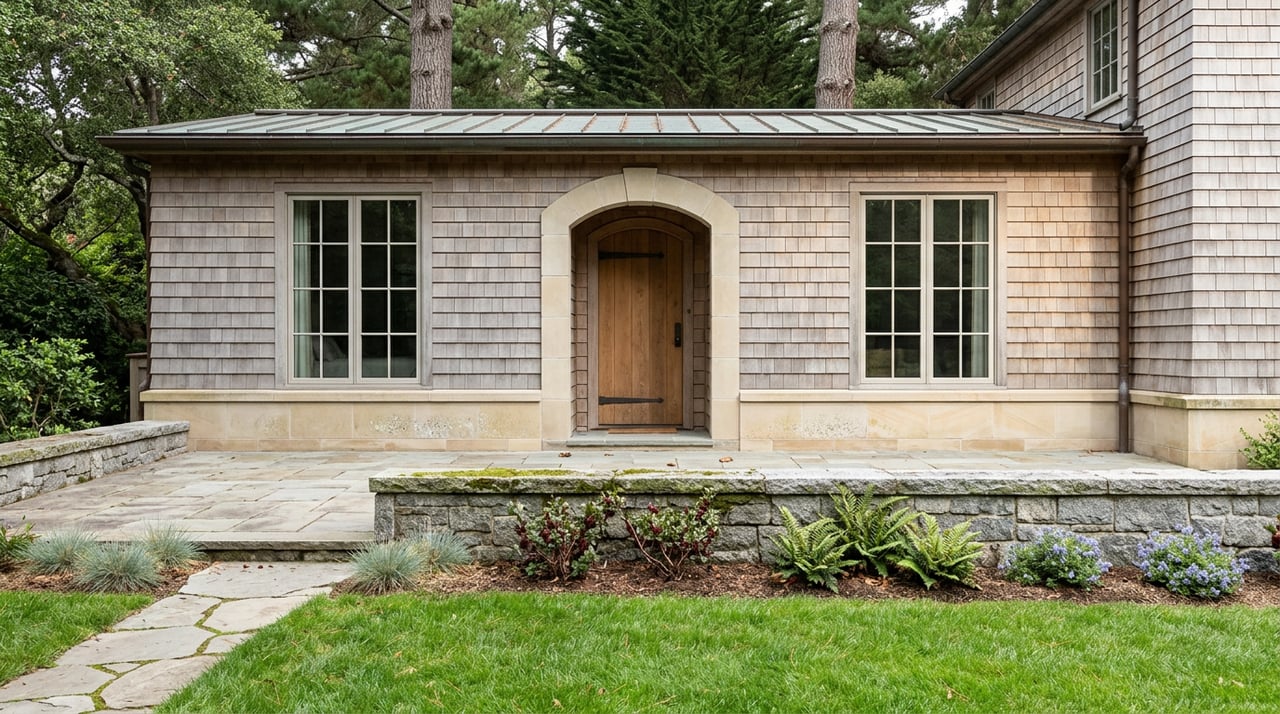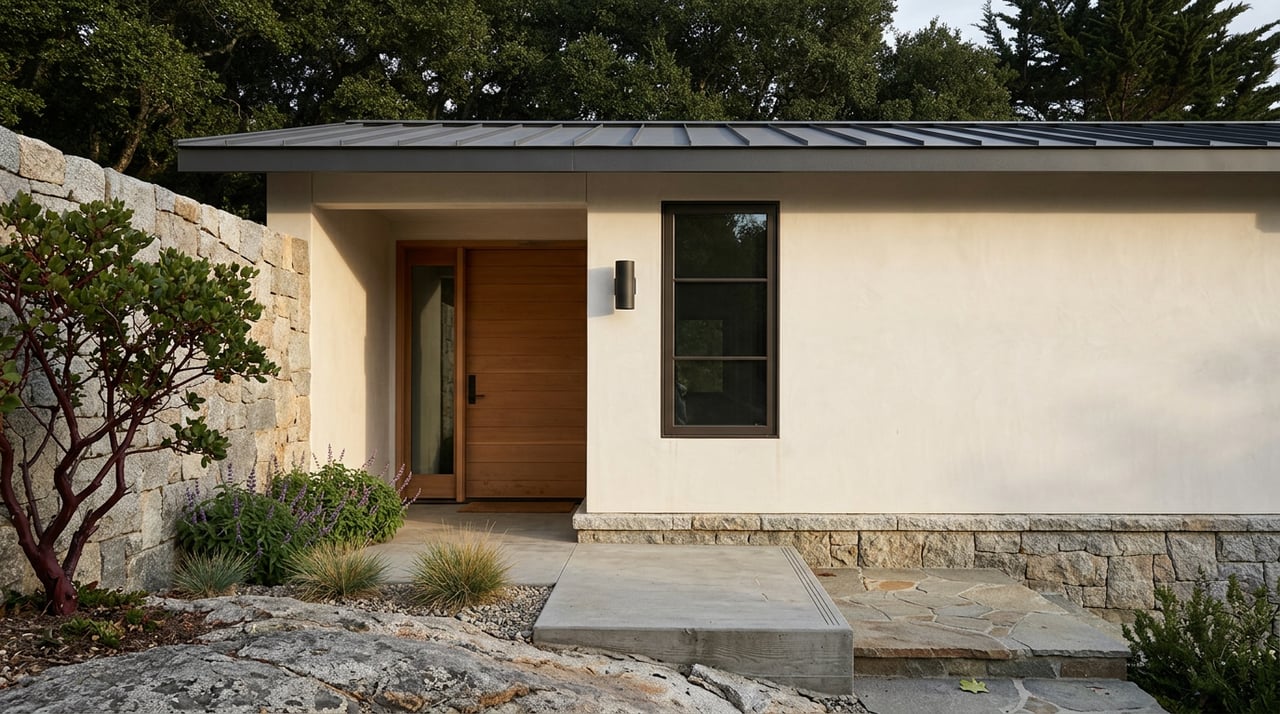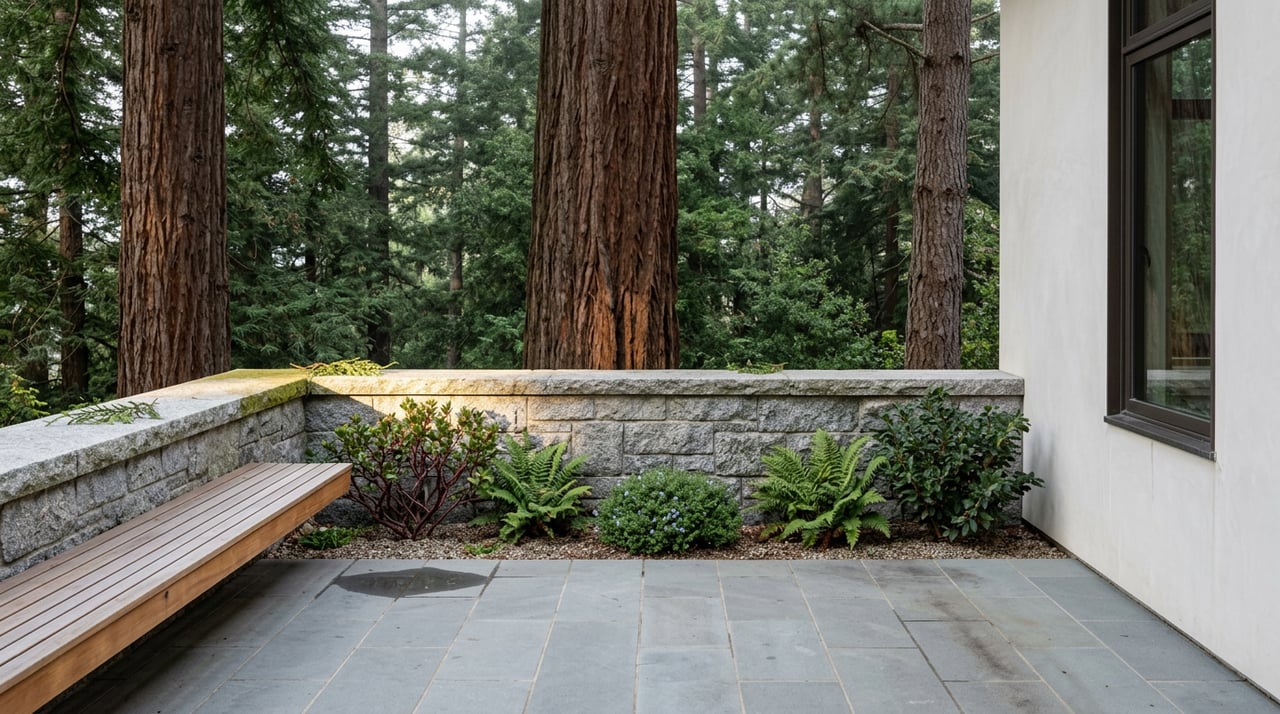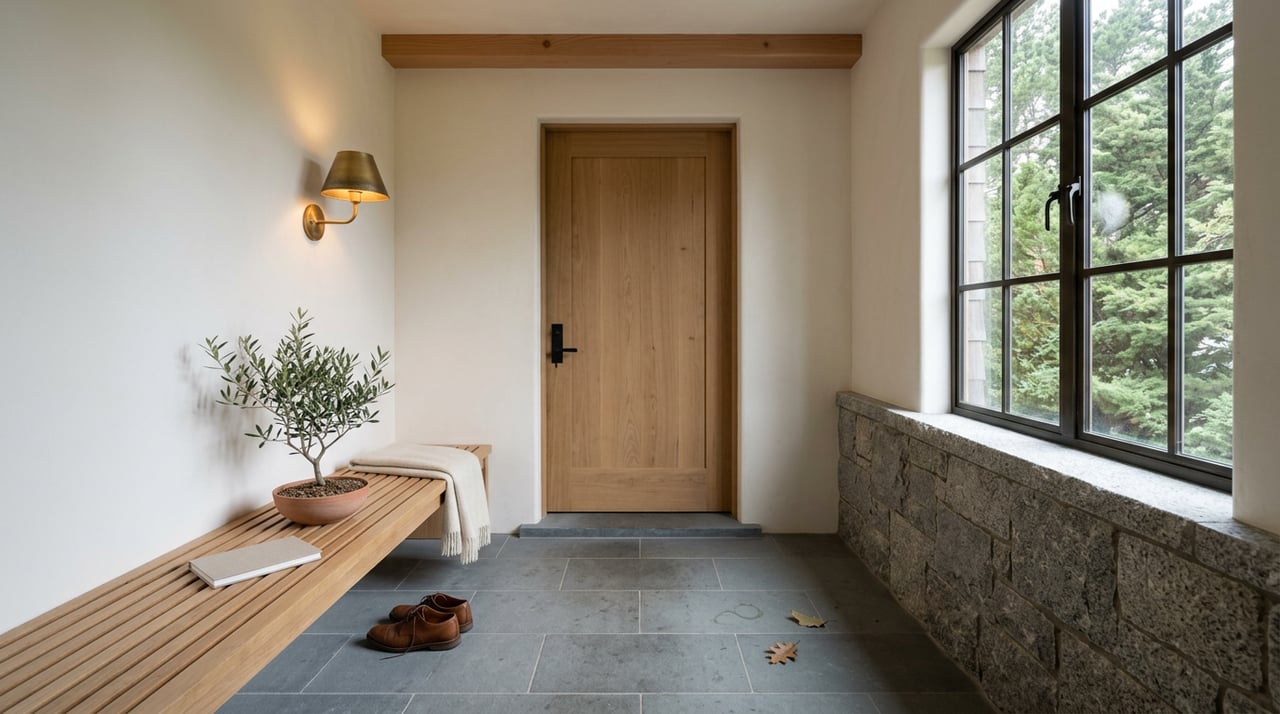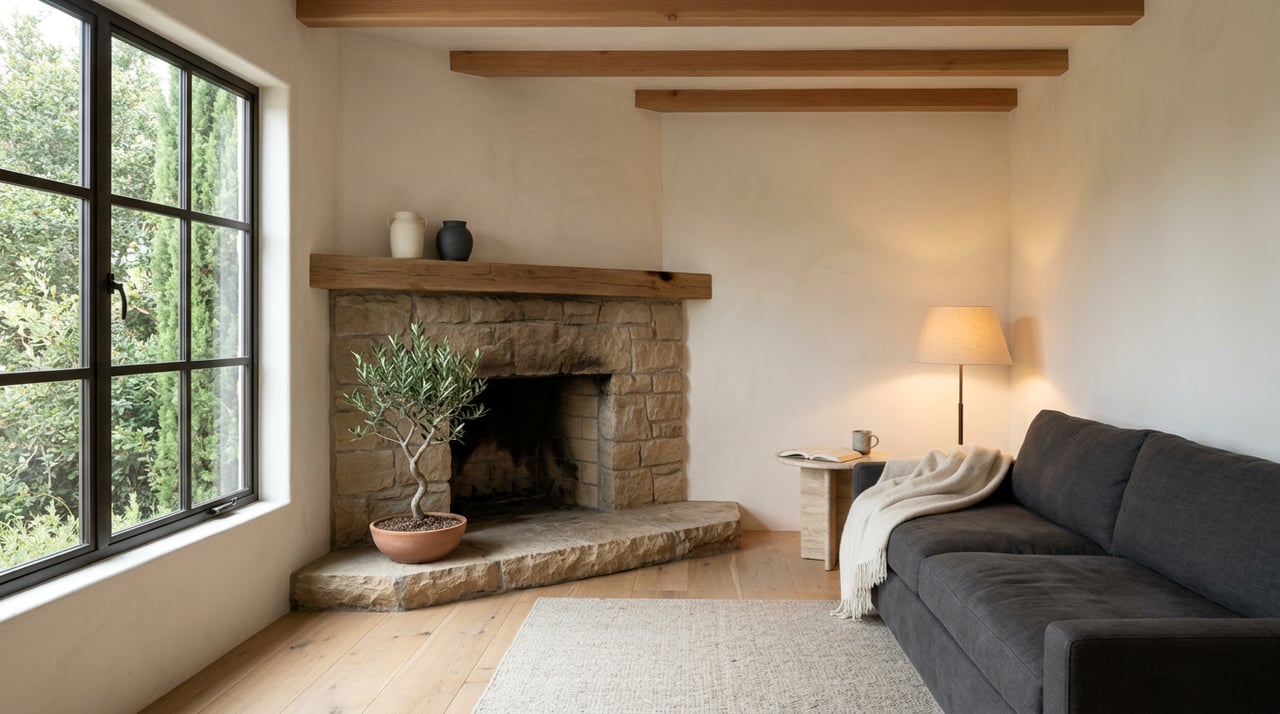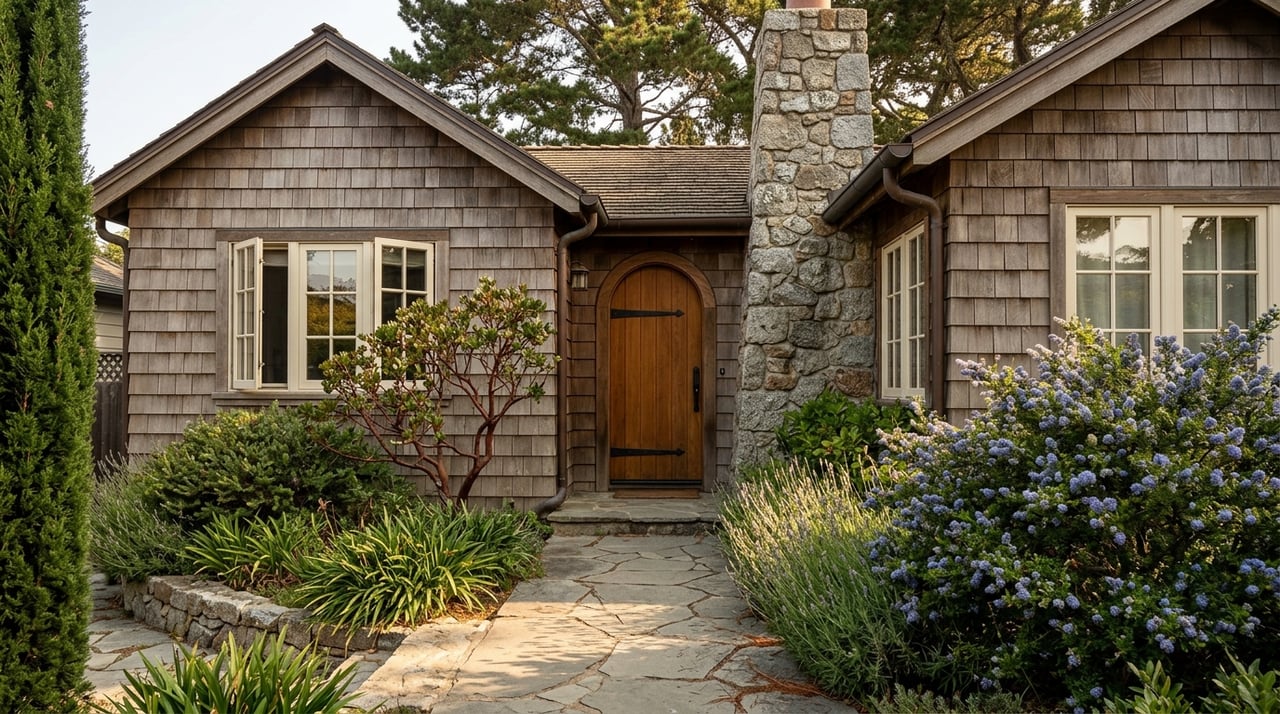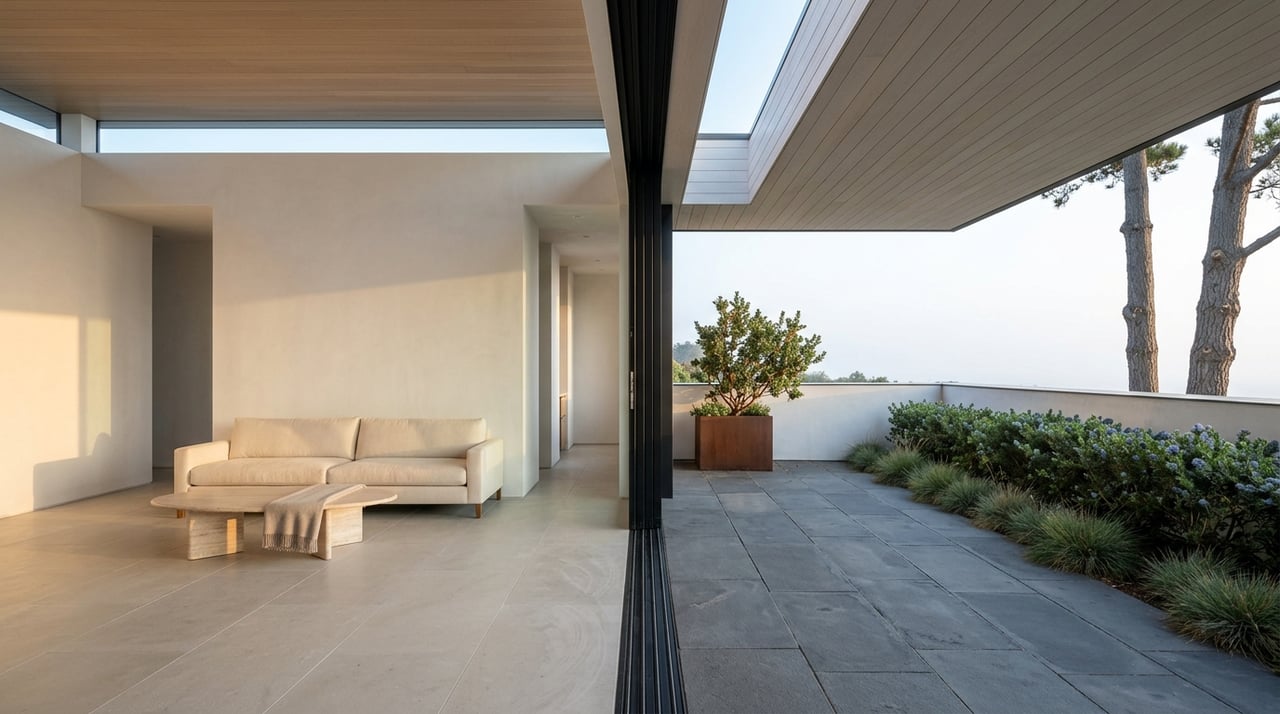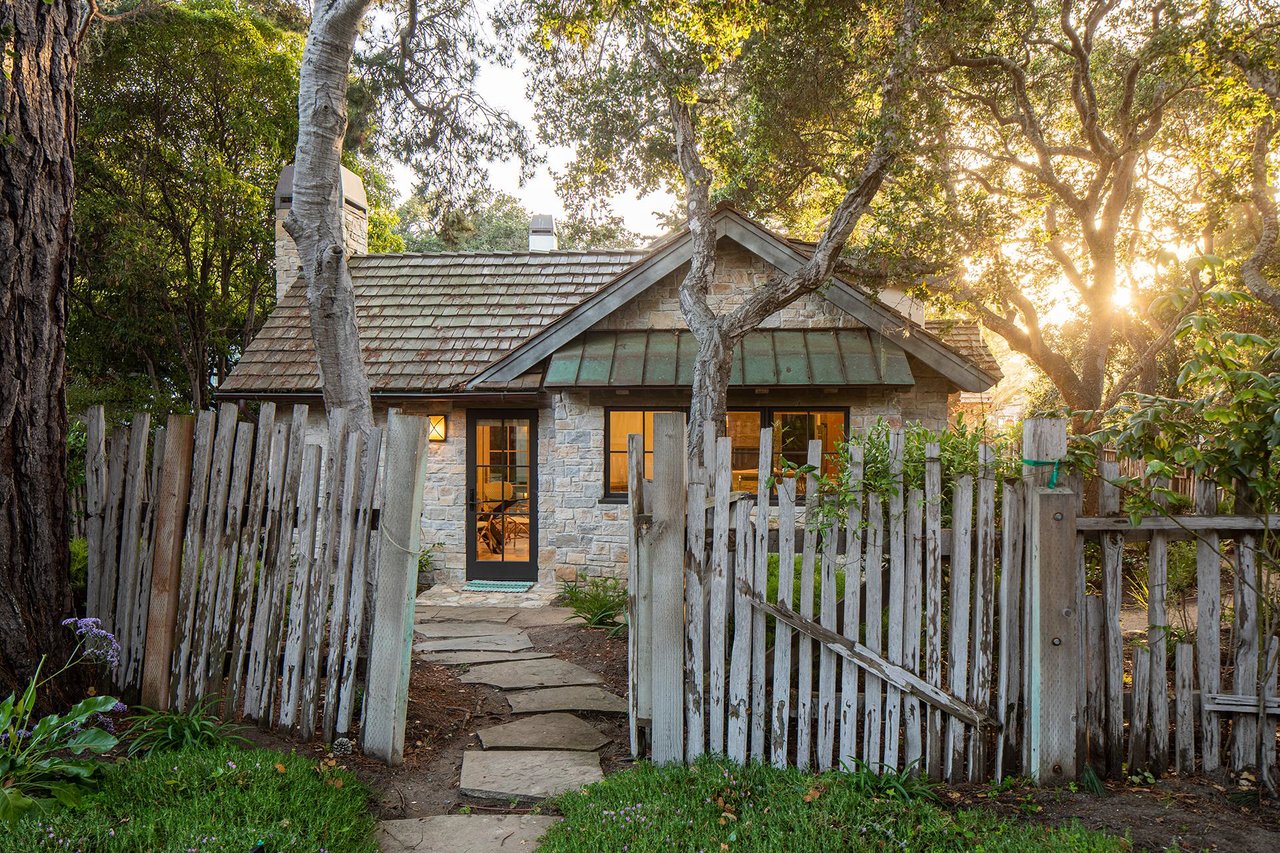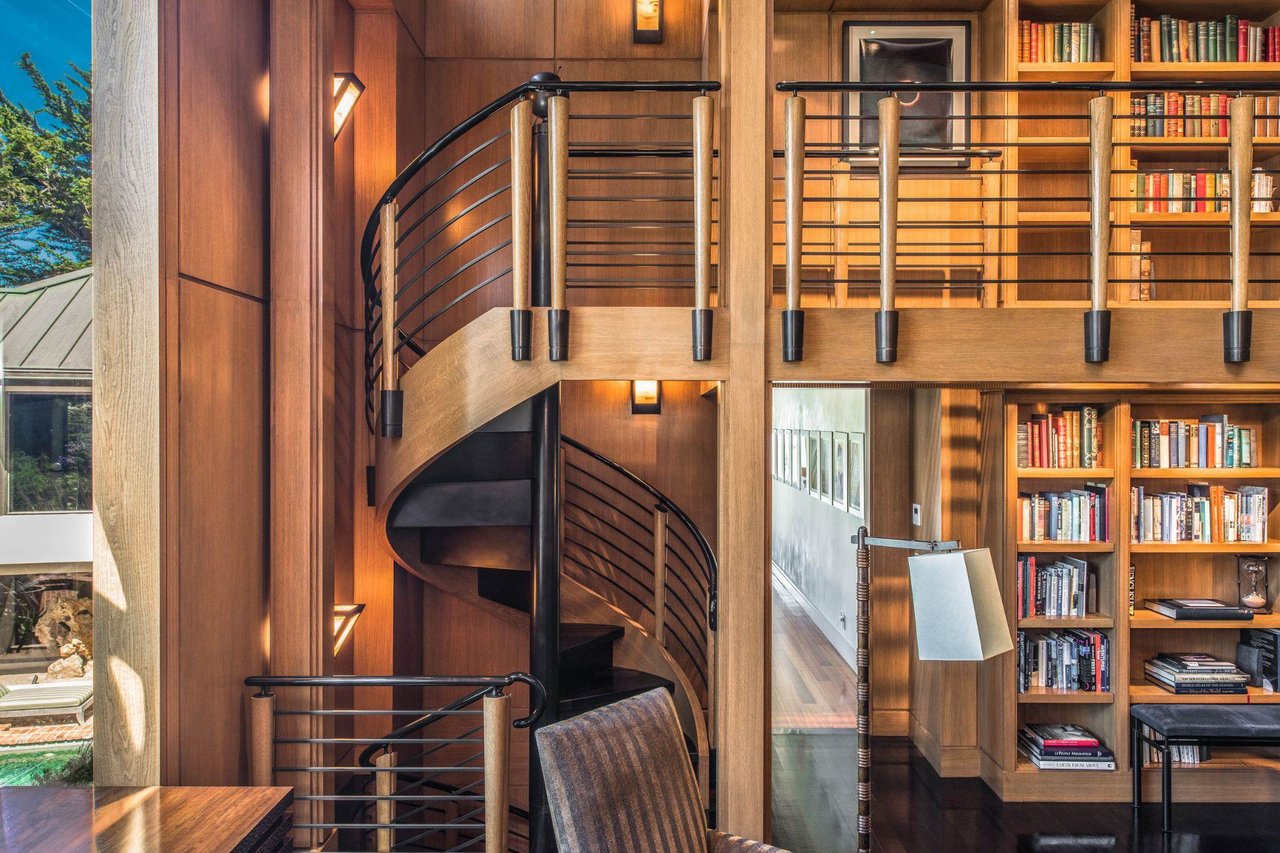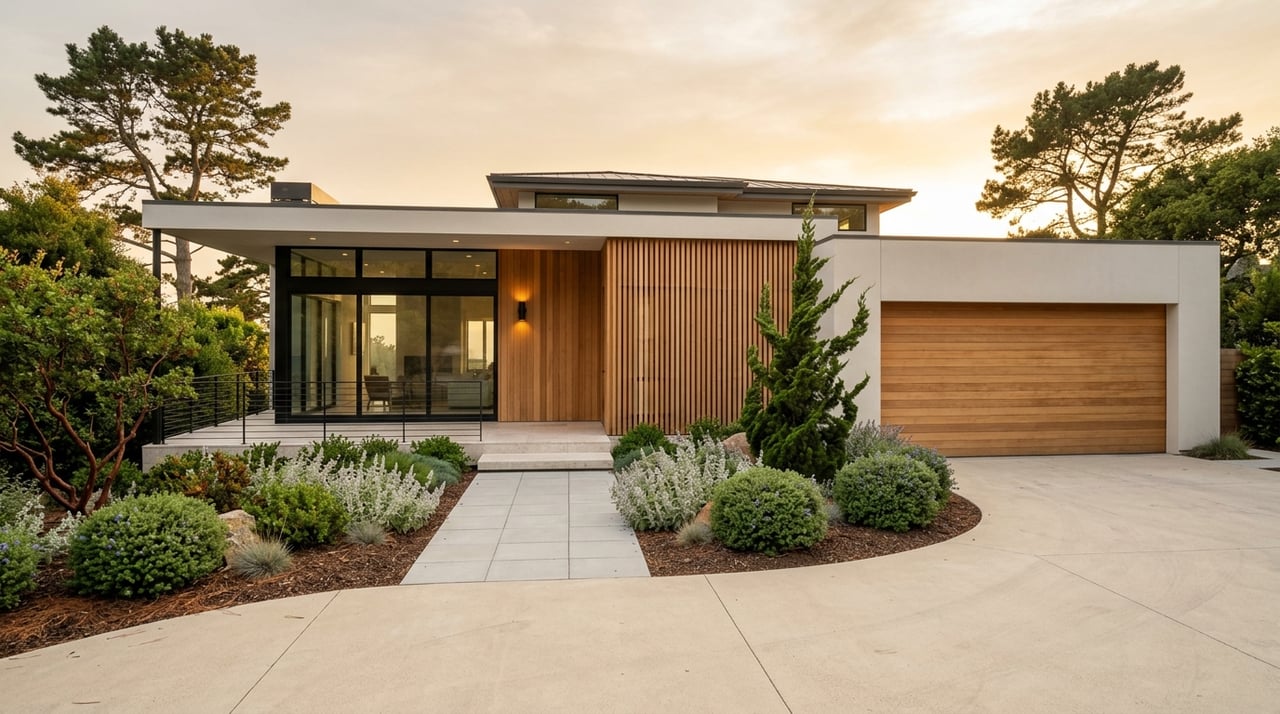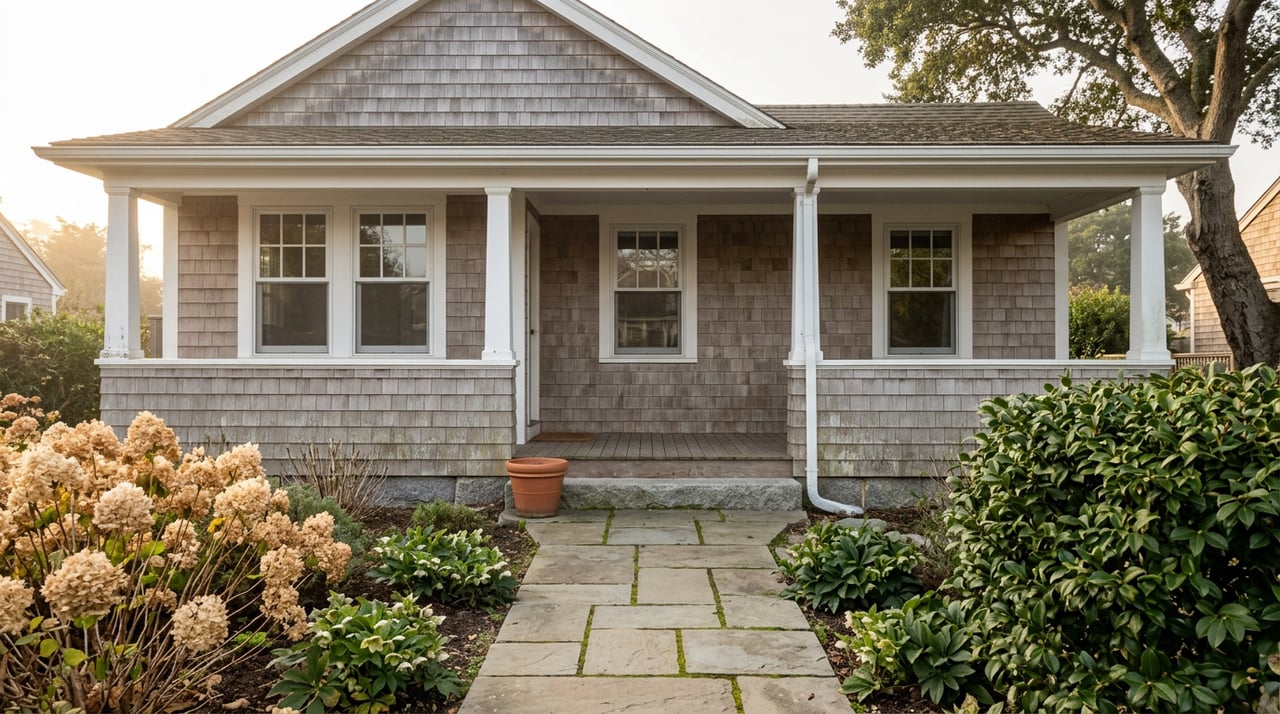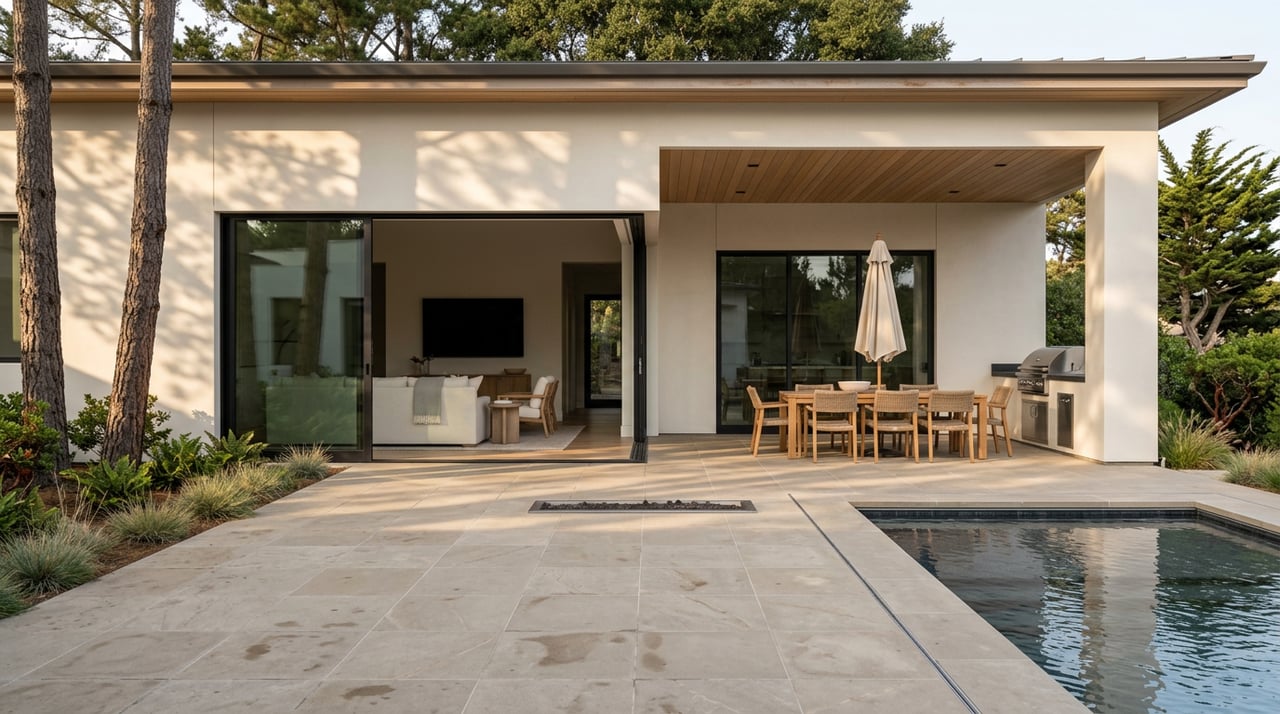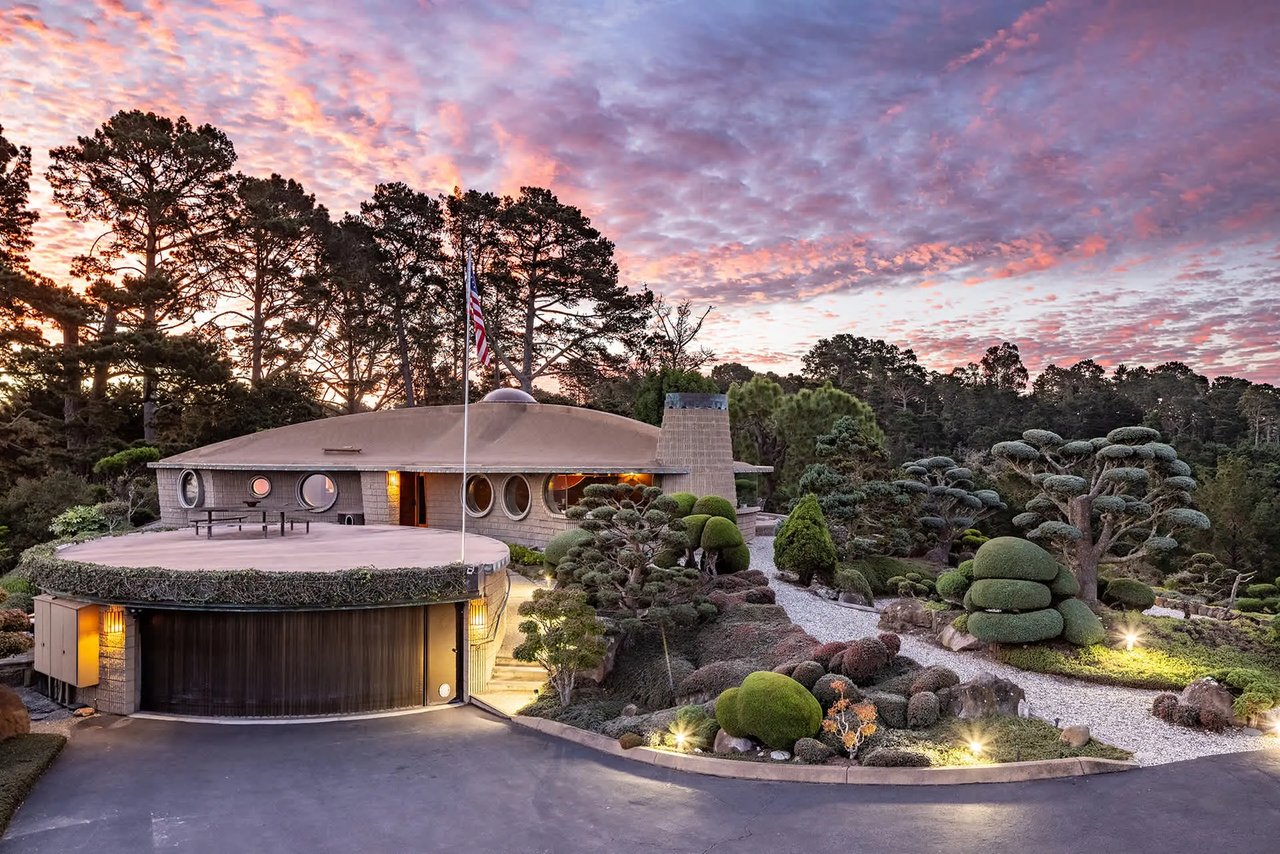
If your idea of a luxury retreat includes privacy, ocean views, and a slower pace that actually lets you breathe, Big Sur stands apart. It is not a place built for packed itineraries or high-volume event traffic, and that is exactly why it appeals to travelers who want something more meaningful. When you plan well, you can create a private Big Sur stay that feels elevated, seamless, and deeply connected to the landscape. Let’s dive in.
Why Big Sur suits private retreats
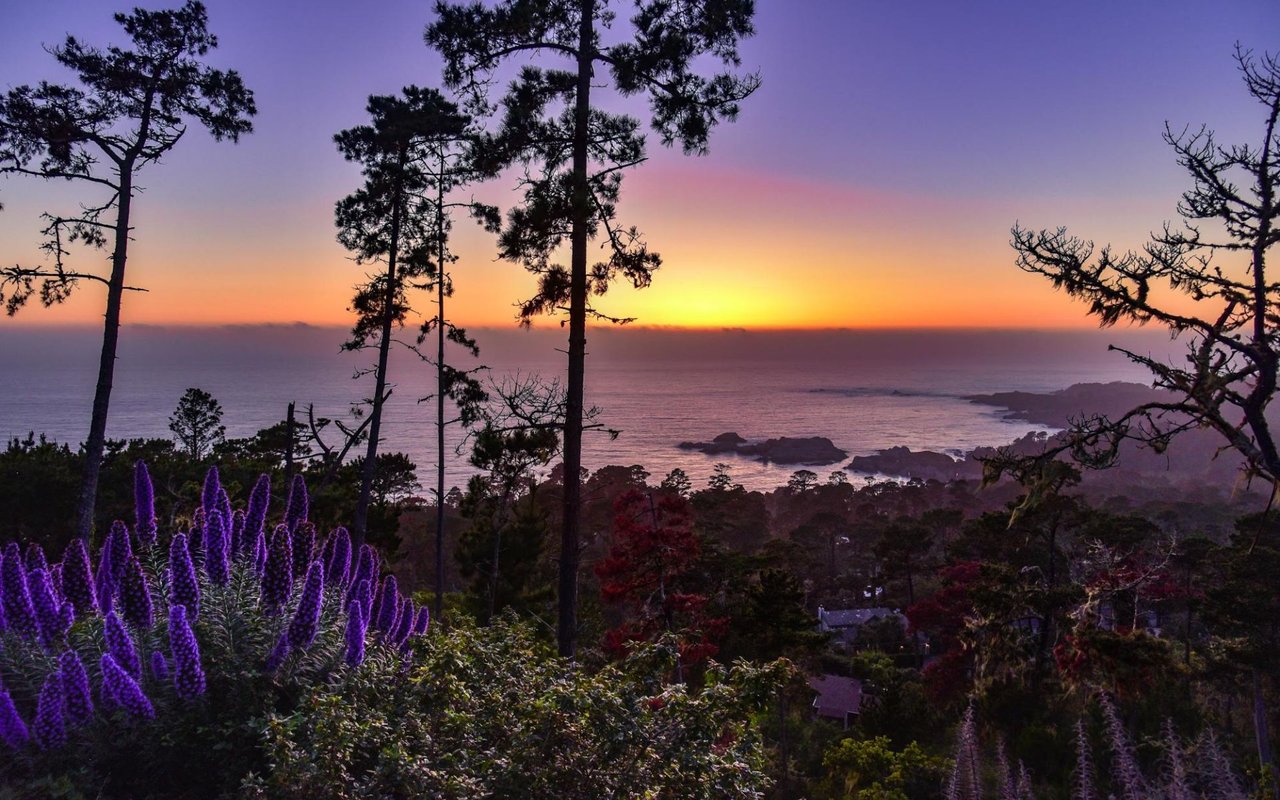
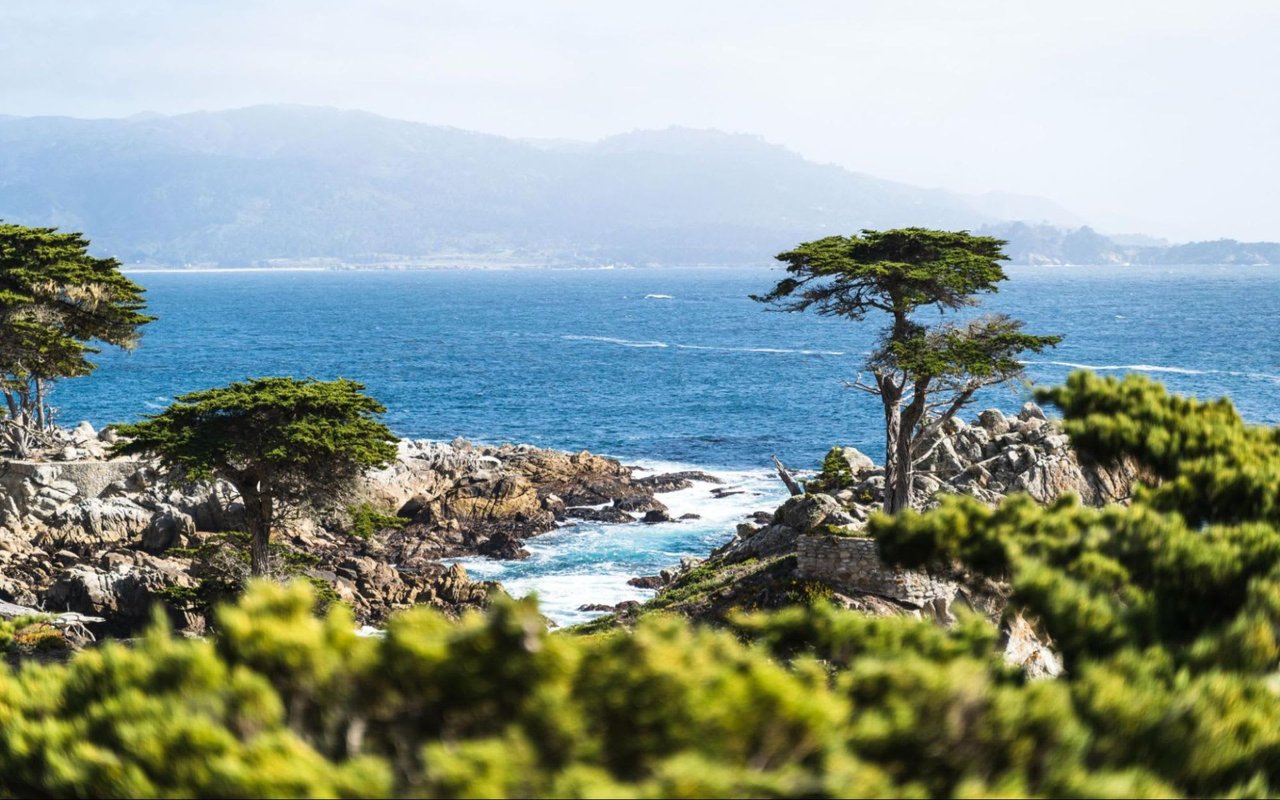
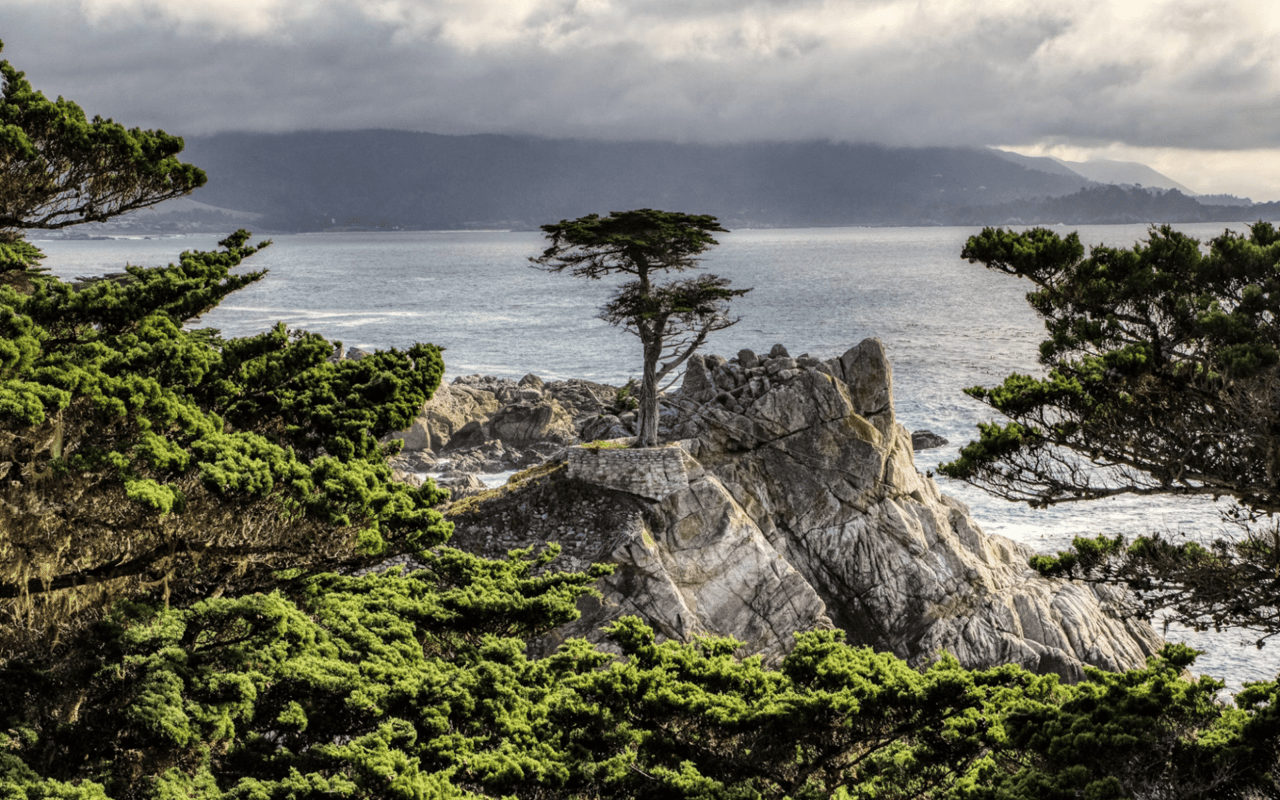
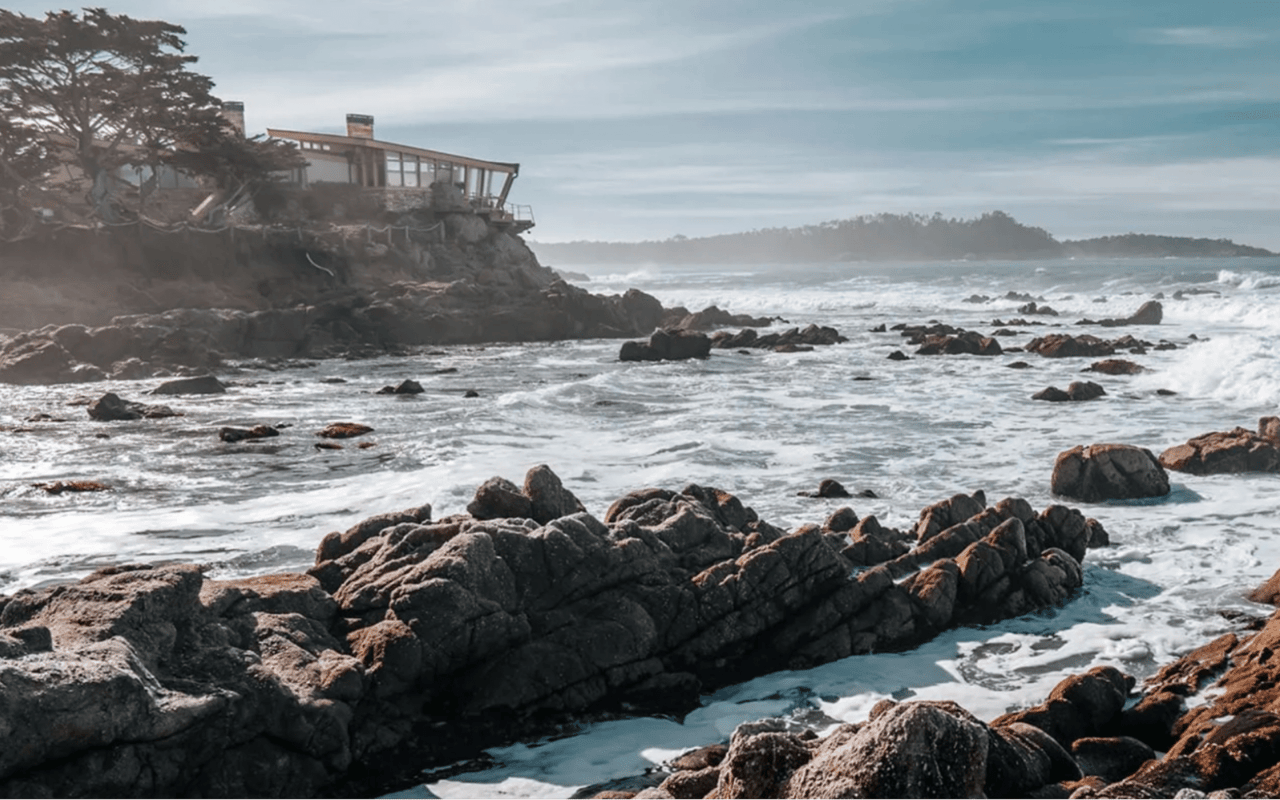
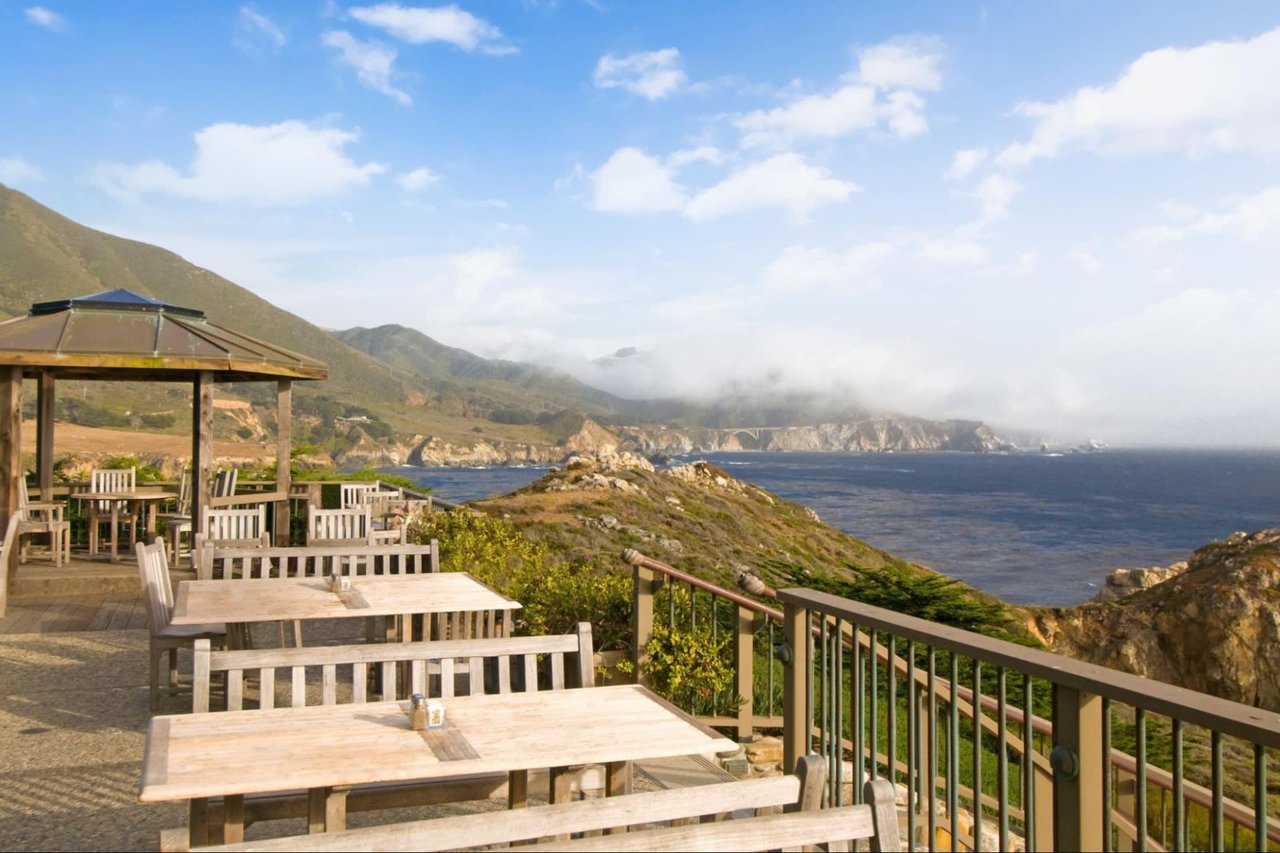
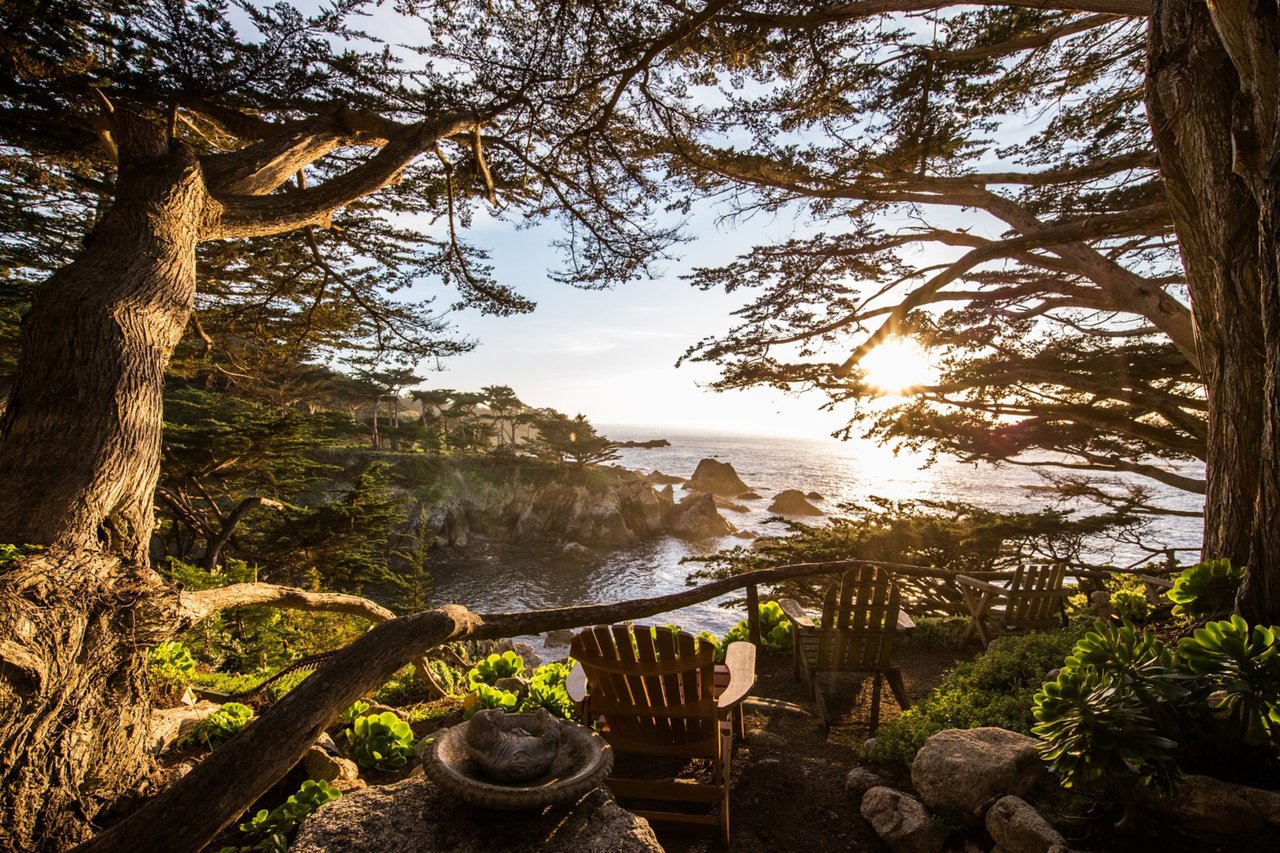
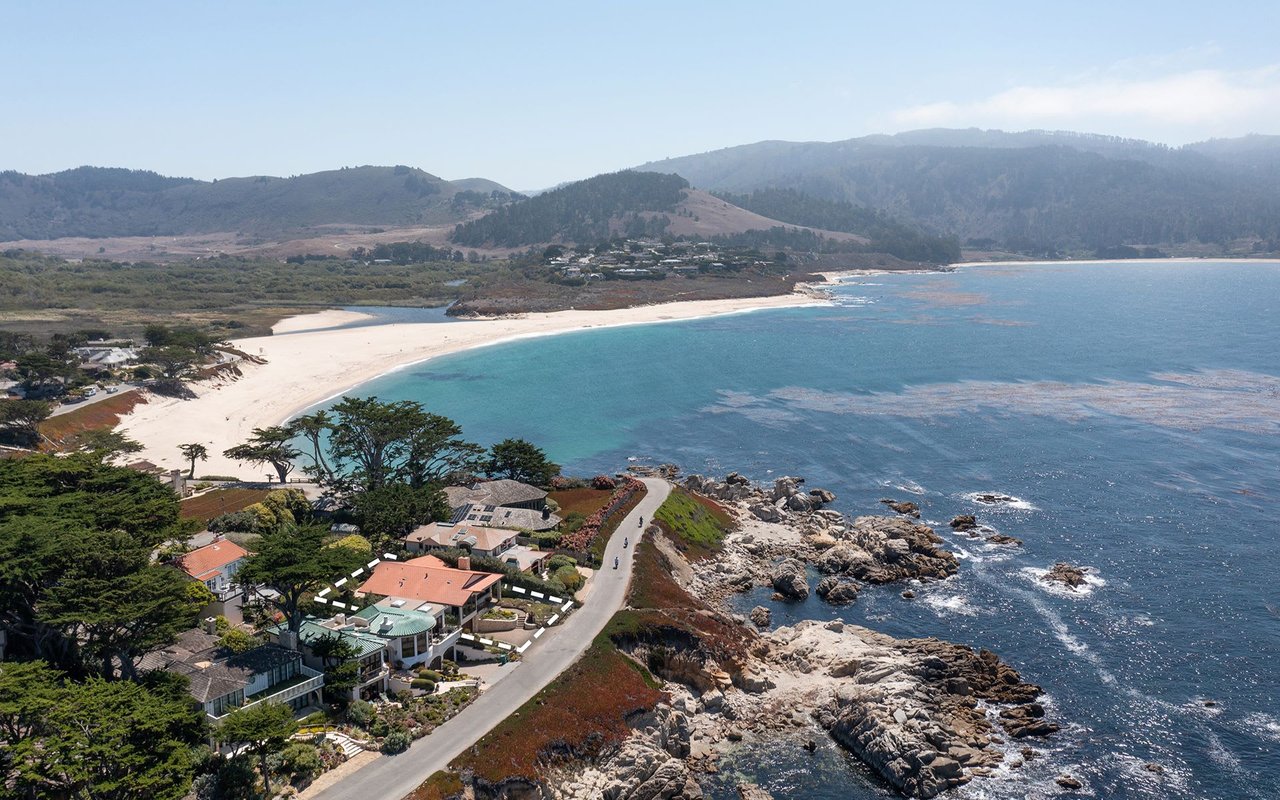
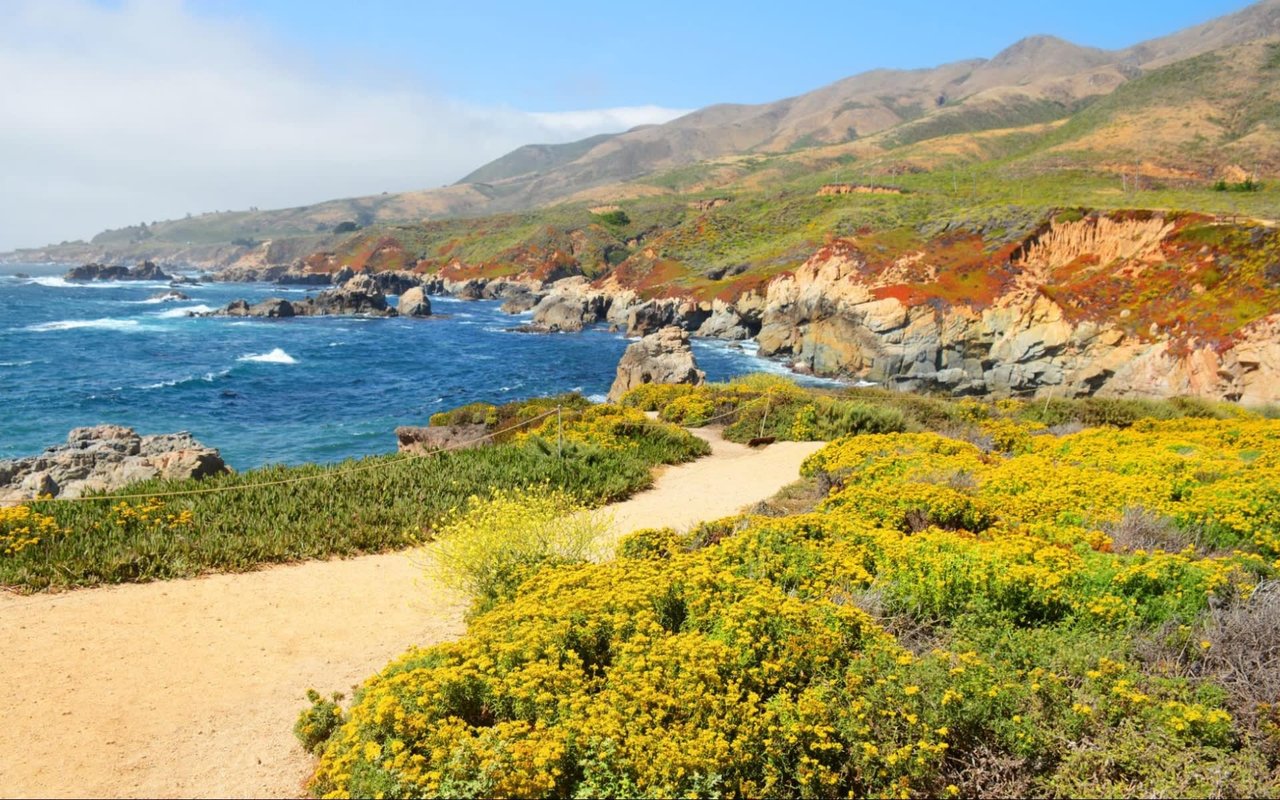
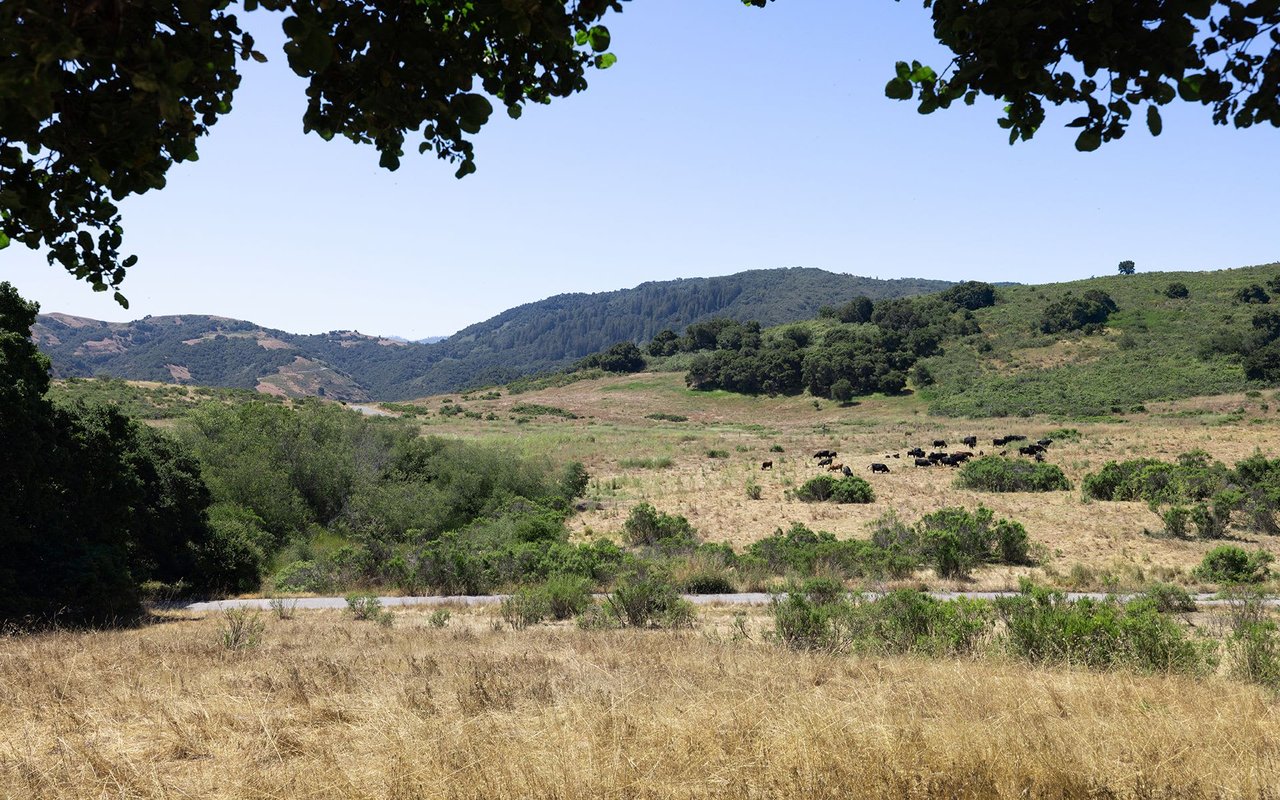
Big Sur works best when the setting leads the experience. Monterey County planning documents frame the area as a preservation landscape where scenery, quiet, and the natural viewshed matter. That means the most successful retreats tend to feel understated rather than overly programmed.
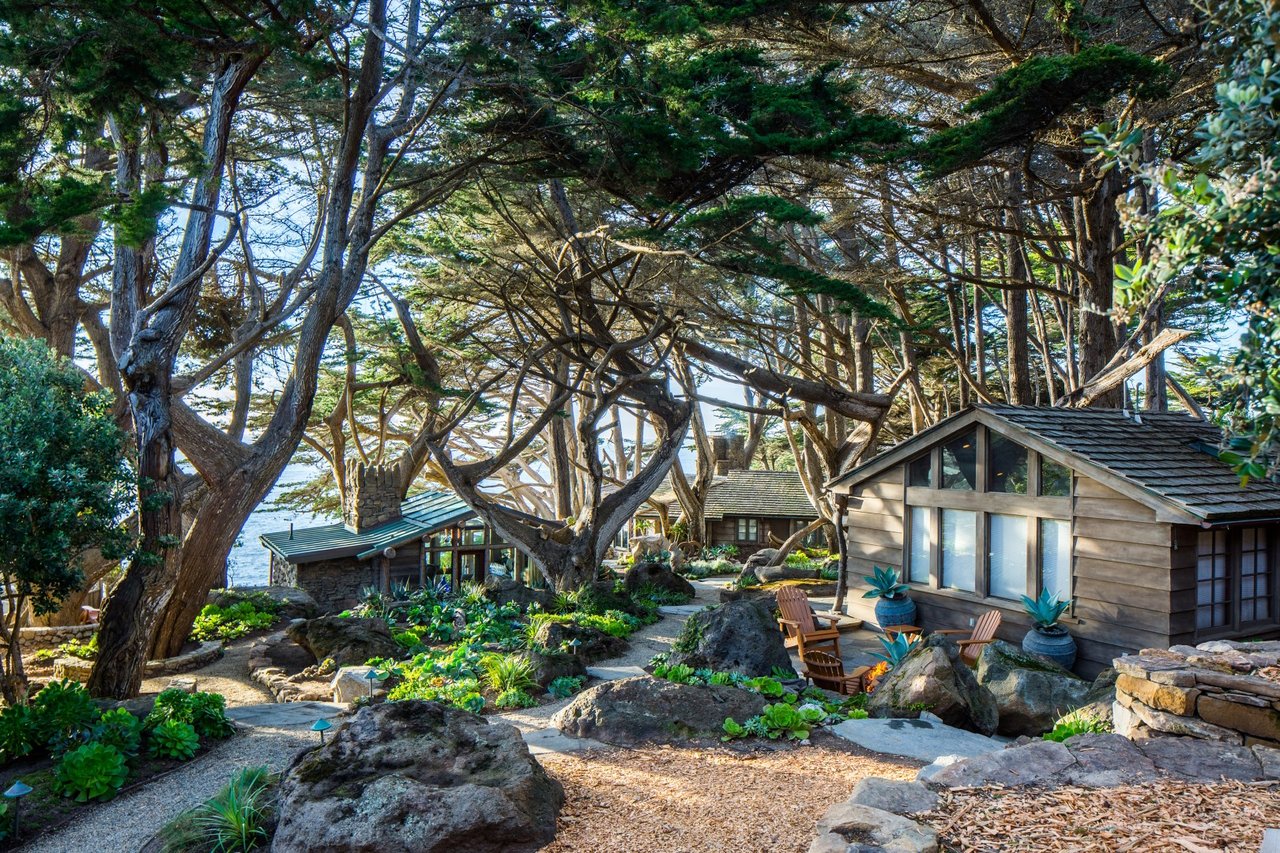
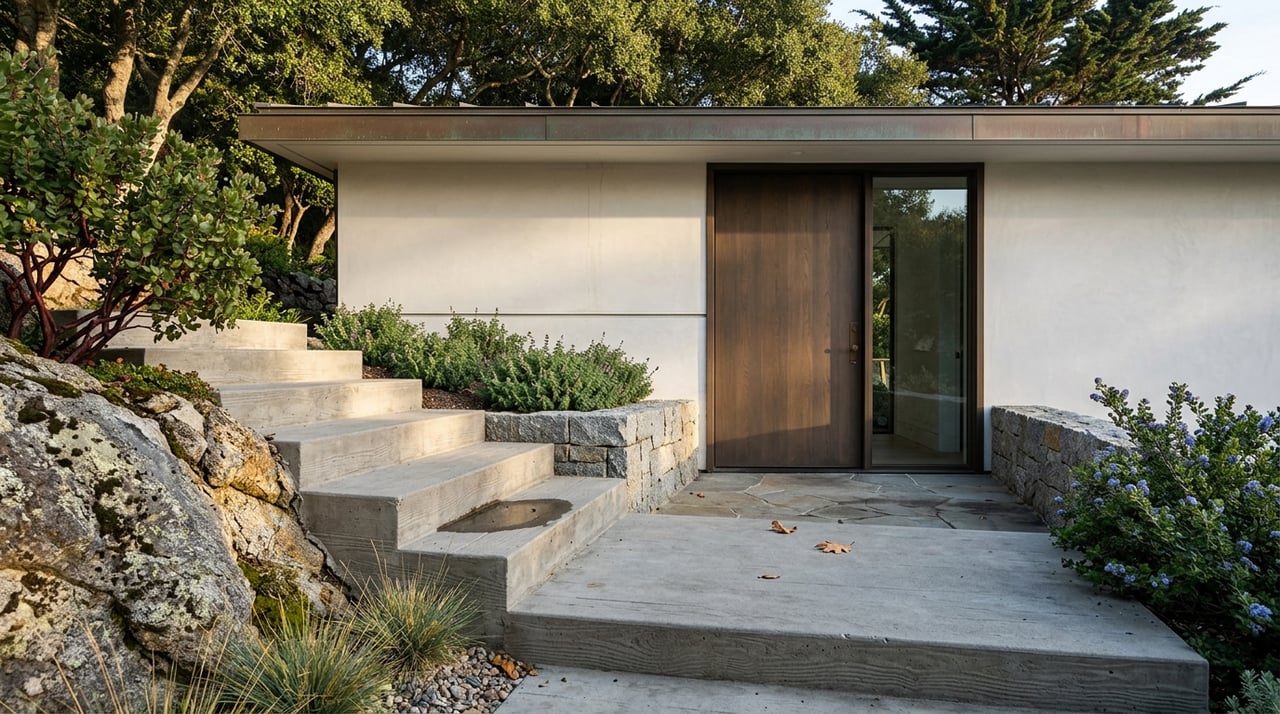
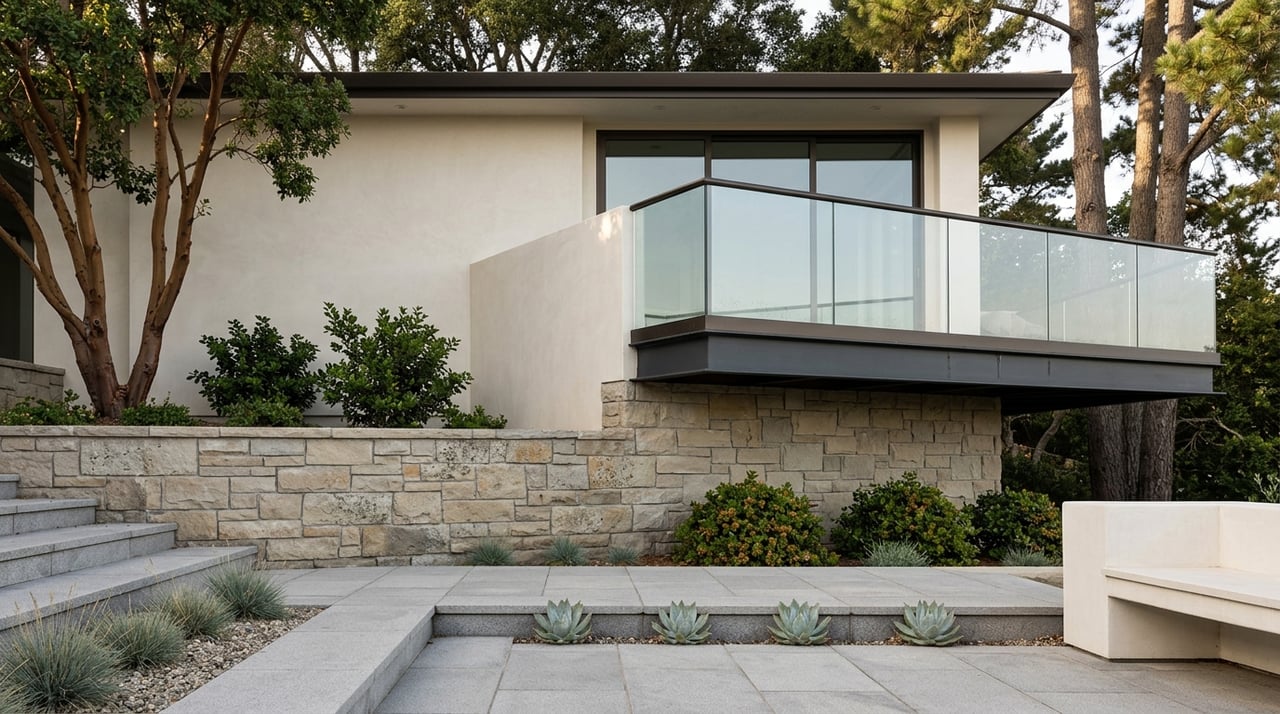
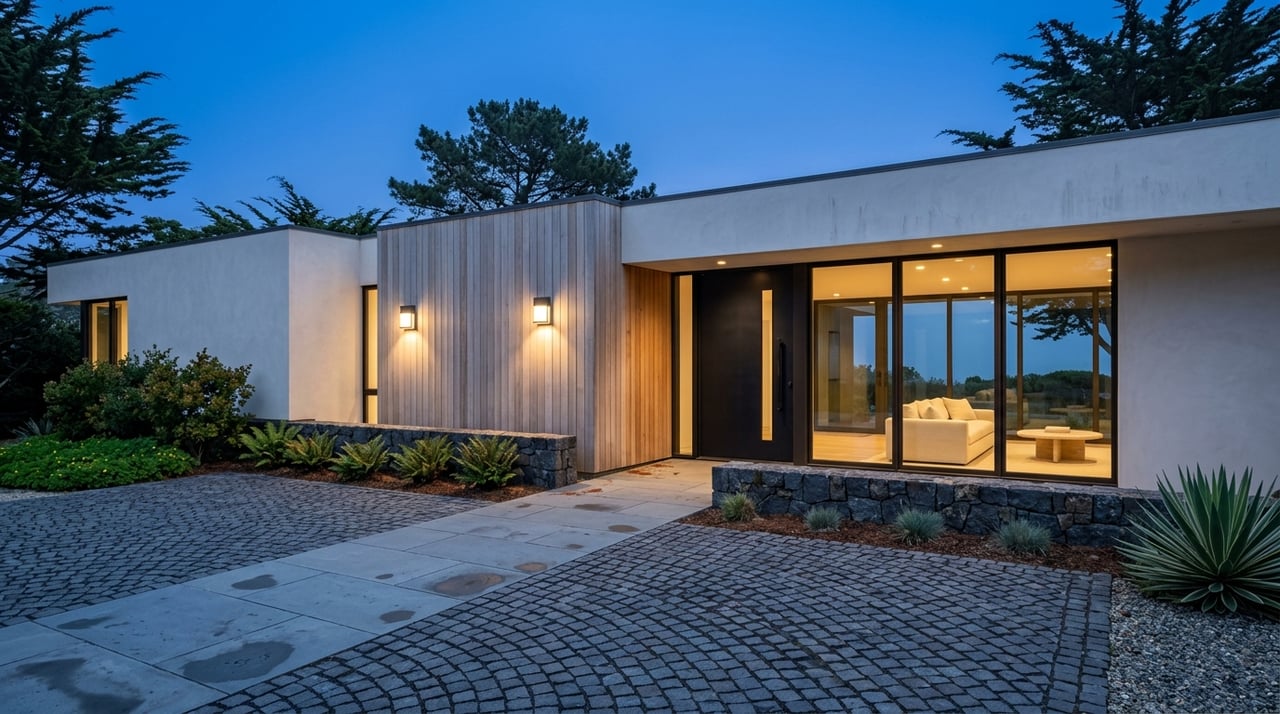
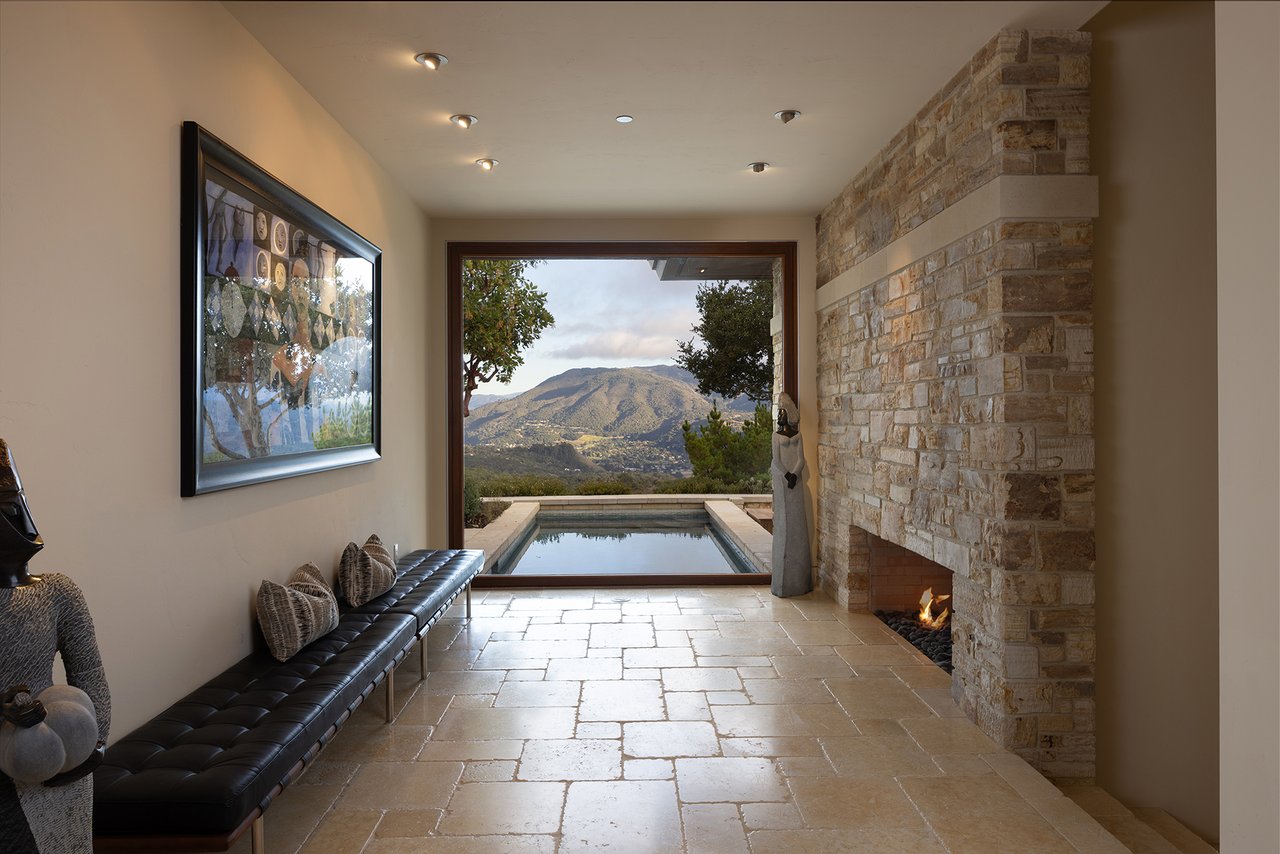
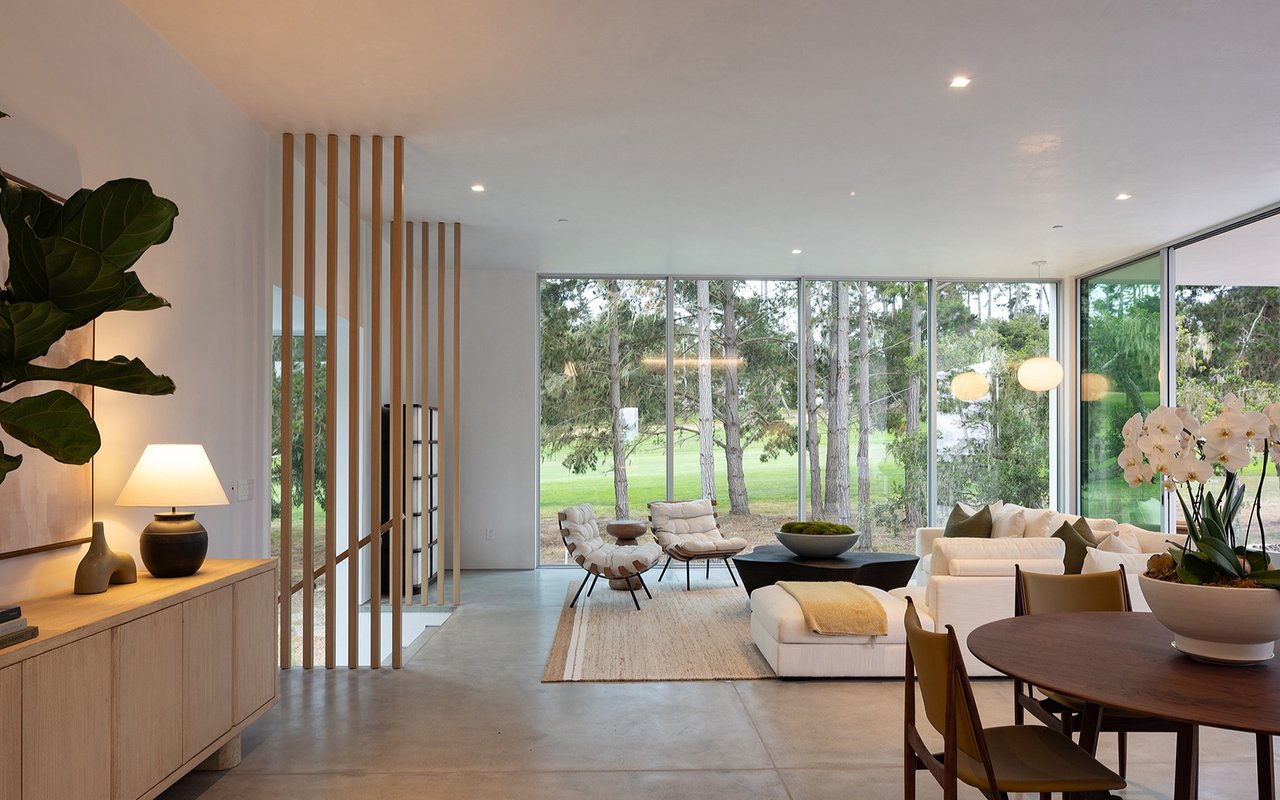
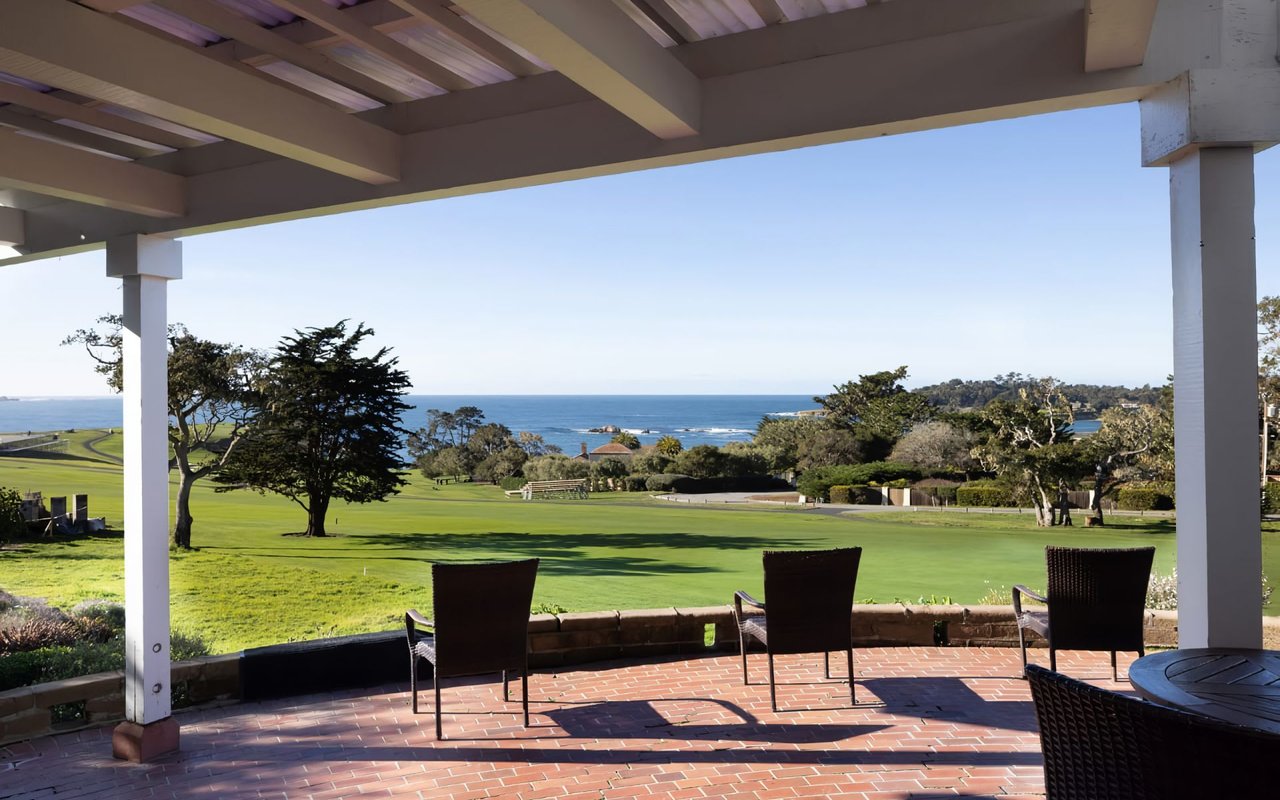
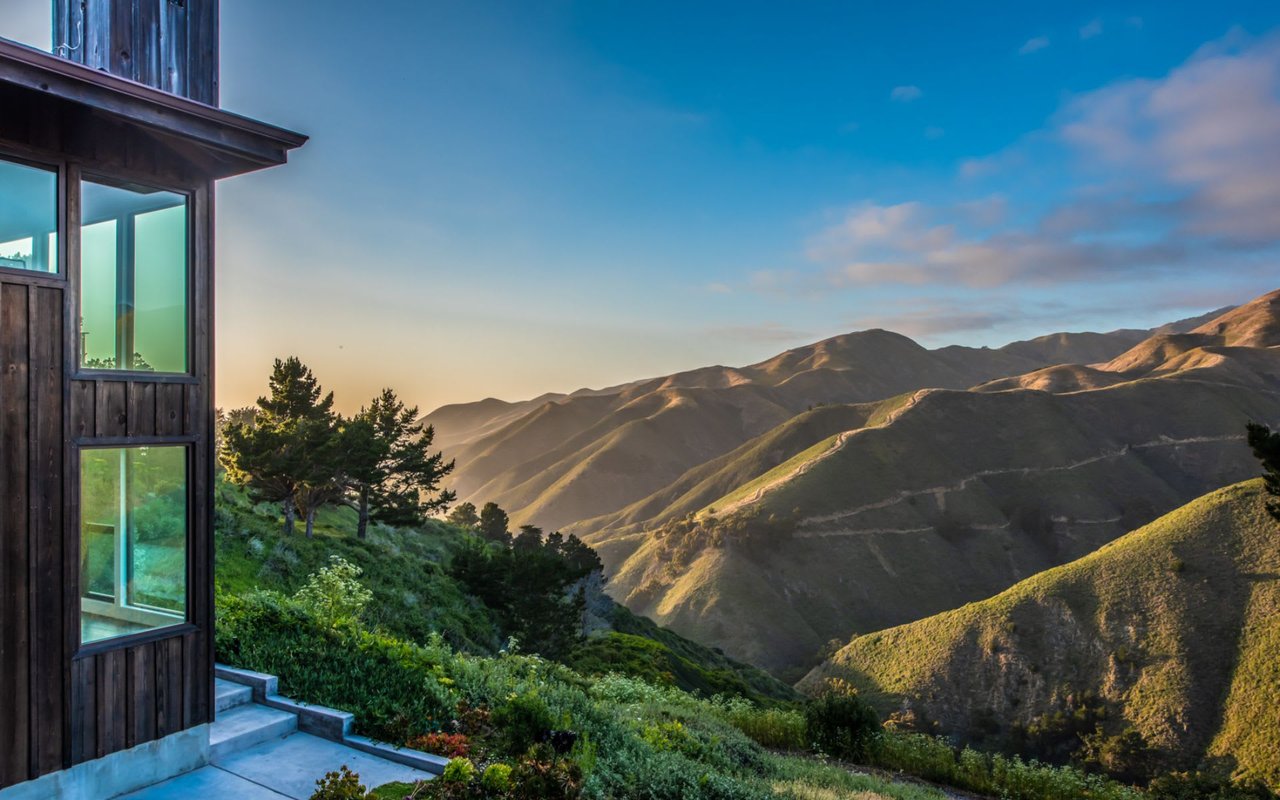
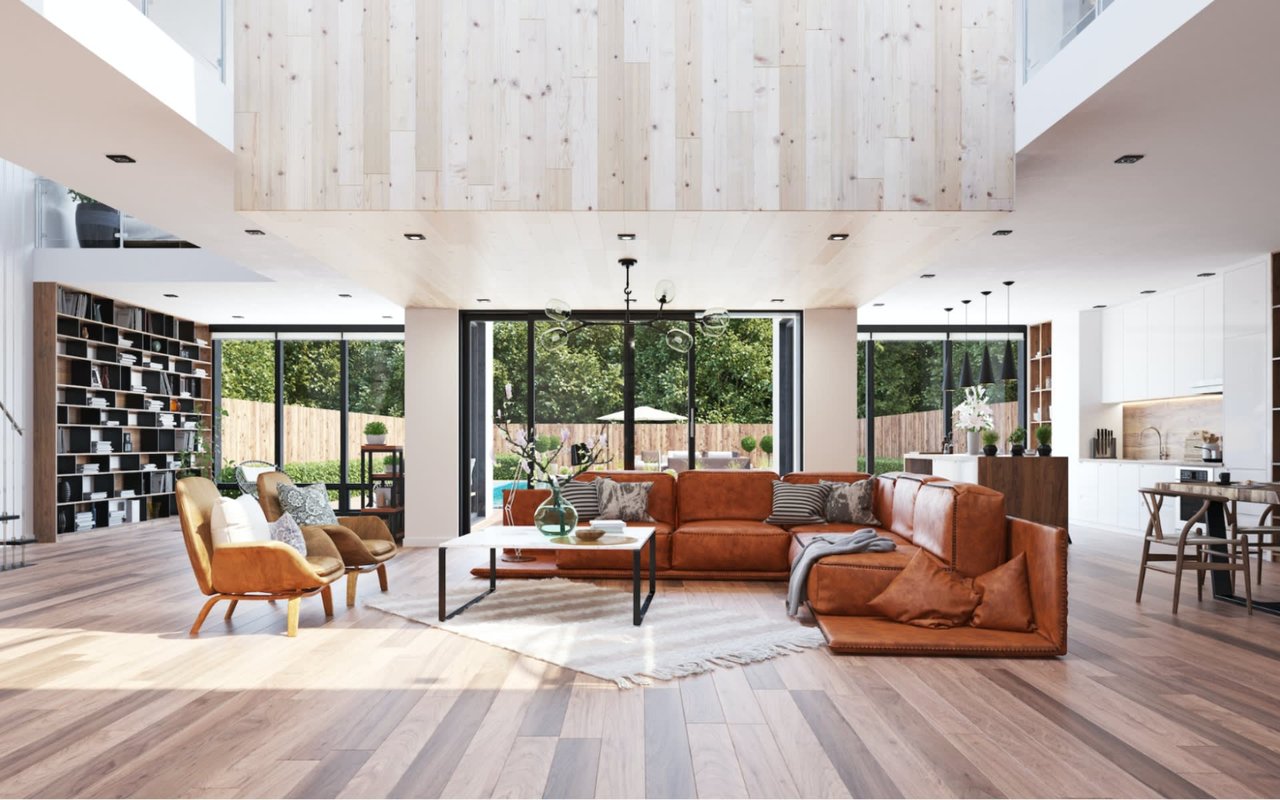
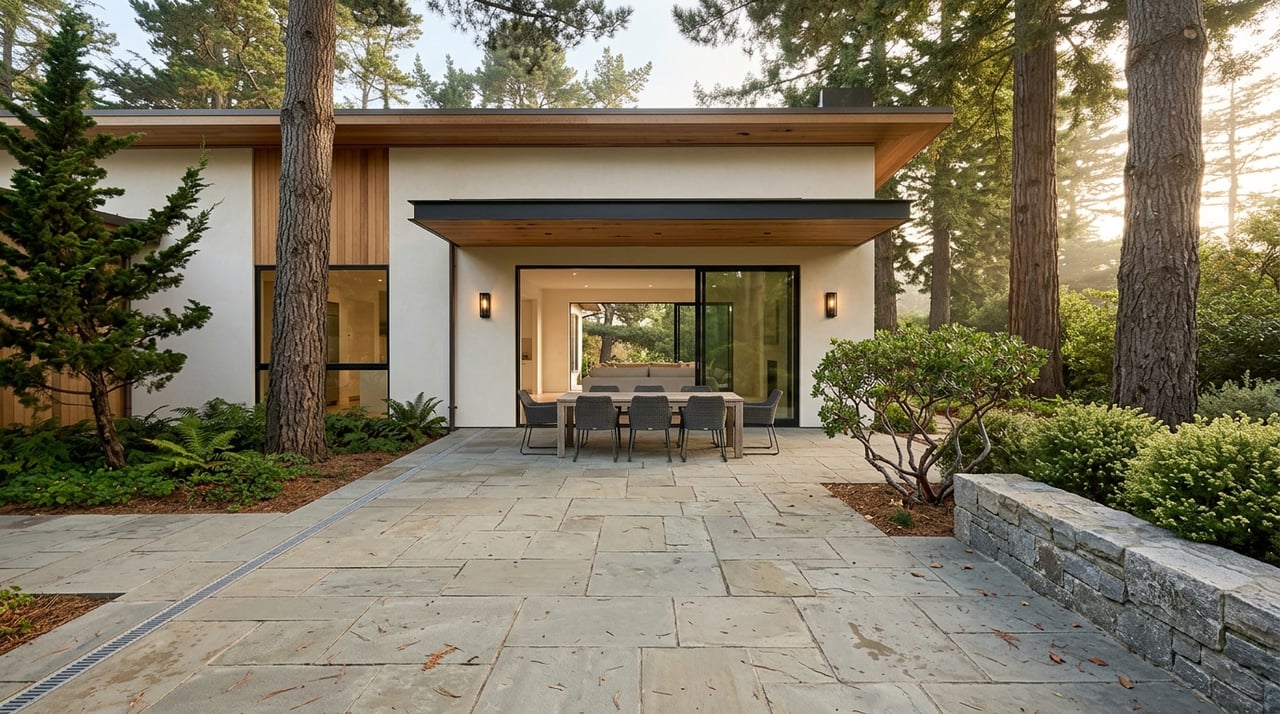
For you, that often translates into a home with strong privacy, a central gathering area, and outdoor spaces that let the coast do the work. Instead of filling every hour, the better approach is to build in time for shared meals, conversation, rest, and simple scenic moments. In Big Sur, luxury often looks like calm.
Choose the right rental format
One of the most important parts of planning a Big Sur retreat is confirming that the home is allowed for the type of stay you want. Monterey County’s current coastal vacation-rental rules prohibit commercial vacation rentals within the Big Sur Coast Land Use Plan area. In practice, that means you should verify that any retreat property is currently permitted as a homestay or a limited vacation rental.
A homestay means the owner occupies at least one bedroom and the home is the owner’s primary residence. A limited vacation rental is a non-hosted stay rented no more than three times in a 12-month period, with no more than one rental contract per seven days. County guidance also notes that litigation over parts of the vacation-rental and homestay ordinances is ongoing, with two challenged provisions currently suspended from enforcement.
That local framework matters because Big Sur is not a typical short-term rental market. If you are planning a private luxury stay, it helps to work with a team that understands how to confirm current property status and guide you toward homes that fit the rules in place.
What property setup matters most
In Big Sur, logistics are part of the luxury experience. Monterey County’s inspection checklist specifically asks for the total number of bedrooms and total onsite parking spaces, which shows how central those details are to safe and functional operation.
The homes that tend to work best for a retreat usually have:
- Enough bedrooms for your group to stay comfortably onsite
- A large shared dining or living area for meals and conversation
- Clear onsite parking that reduces vehicle shuffling
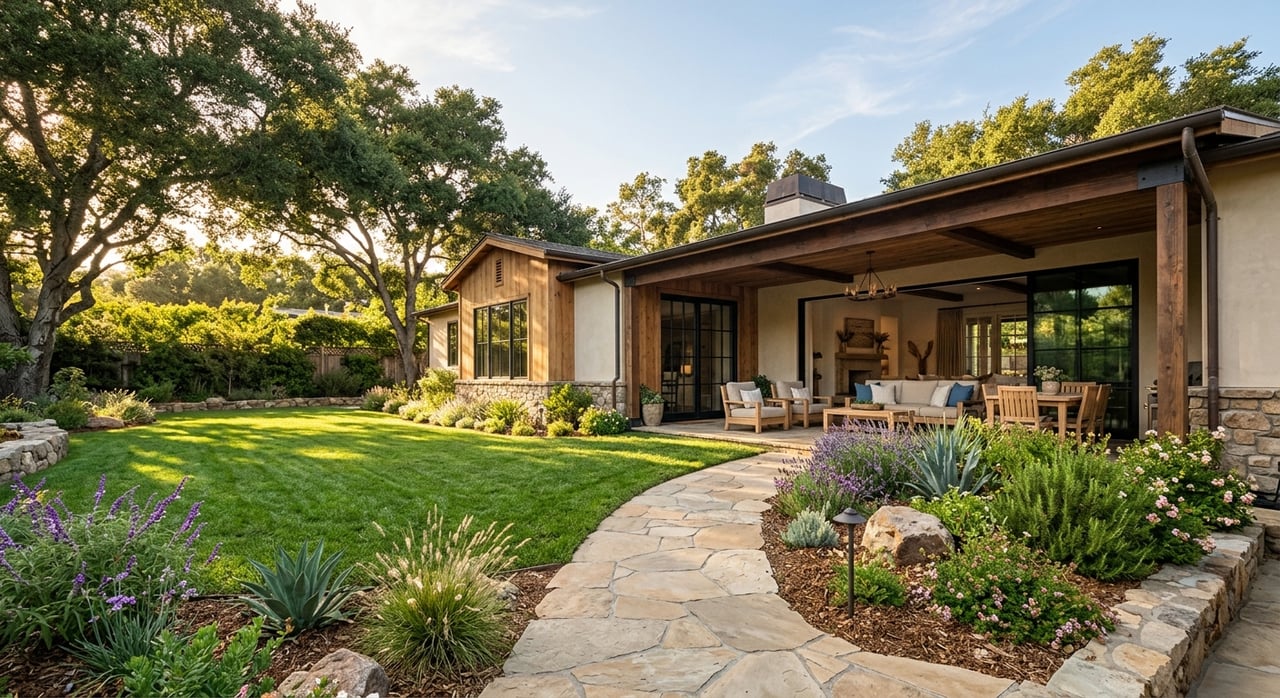
- A layout that supports privacy without separating the group too much
County rules also say vacation rentals are allowed only in detached single-family dwellings. Multi-unit buildings and ADUs are not eligible, and a guesthouse can only be rented as part of the same single-family dwelling rather than as a separate rental.
Build the itinerary around the landscape
Big Sur is best enjoyed at a slower tempo. County and Caltrans planning materials emphasize lower-impact travel along the corridor, including shuttles, walking, and other ways to reduce congestion. That makes a retreat with fewer moving parts easier to manage and often more enjoyable.
If you are considering chef service, wellness sessions, or scenic outings, timing becomes a major part of the plan. A single-household-style schedule with staggered arrivals and pre-booked transportation is usually smoother than a calendar filled with separate drop-ins and repeated trips up and down Highway 1.
Keep the schedule simple
A private retreat in Big Sur often feels more polished when the schedule leaves room to settle in. Rather than trying to recreate a large event format, focus on a few well-chosen moments.
A strong retreat flow may include:
- A relaxed arrival window with staggered check-ins
- One signature shared dinner each evening
- Morning wellness or quiet outdoor time onsite
- Limited off-property excursions with built-in travel buffers
- A simple communication plan for guests and service providers
This approach aligns with the area’s character and helps preserve the sense of ease that most guests are seeking.
Plan carefully for Highway 1 travel
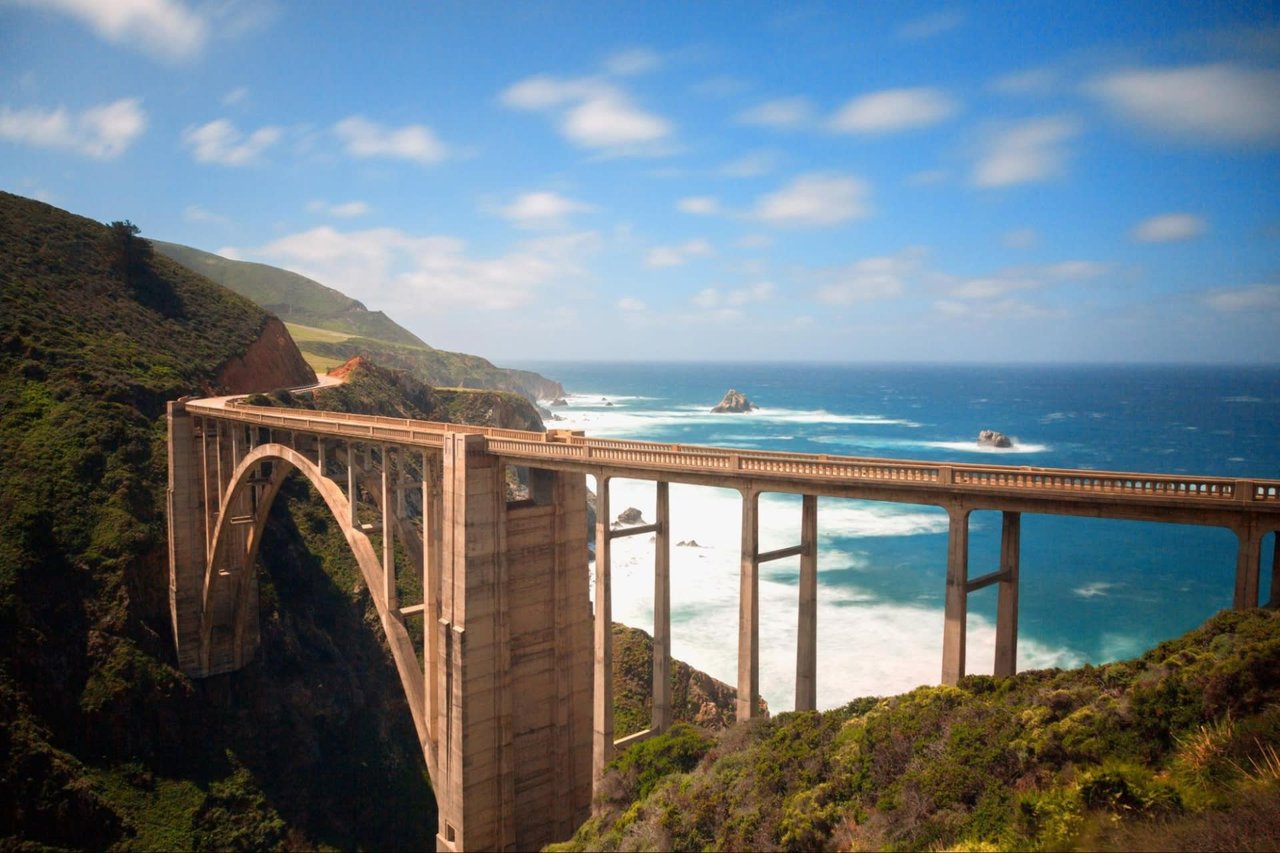
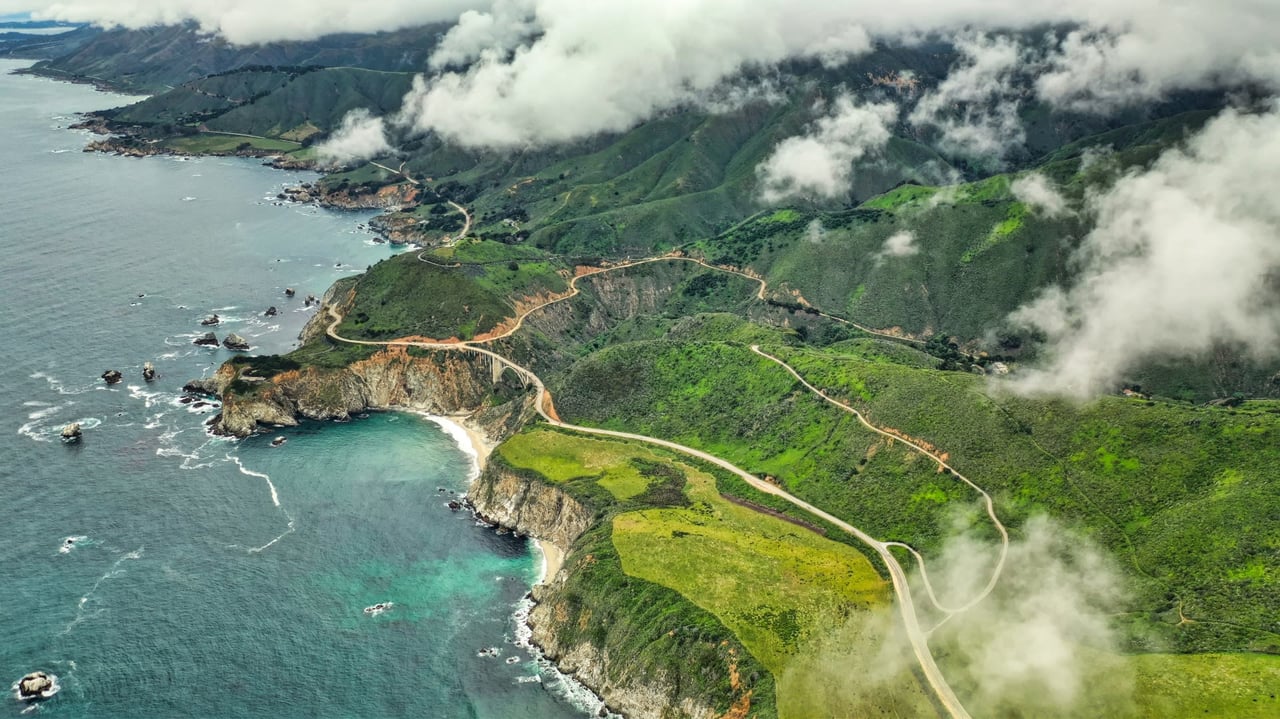
The Highway 1 corridor can shape your retreat more than almost any design detail. Monterey County planning materials identify heavy recreation-related traffic in spring and summer, especially around places like Garrapata, Bixby Creek Bridge, Pfeiffer Beach, and McWay Falls. If your group plans scenic stops or multiple arrivals, extra buffer time is essential.
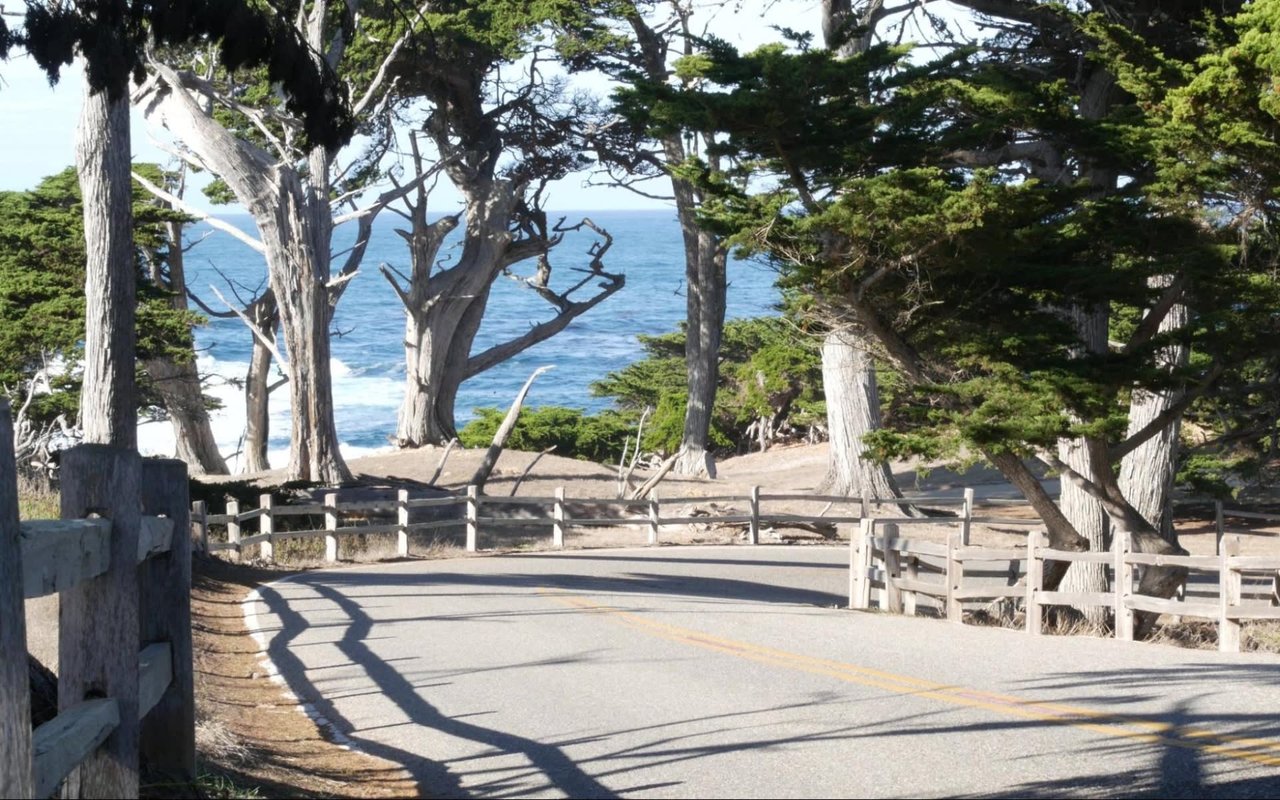
Caltrans also describes sections of Highway 1 in the Big Sur corridor, including the Limekiln area, as a two-lane undivided highway with narrow non-standard shoulders. In practical terms, that means smaller shuttle vehicles and thoughtful drop-off planning are often more realistic than assuming large coach access.
Transportation tips that support a smoother stay
To reduce stress on arrival and departure days, consider these planning choices:
- Use pre-booked shuttles instead of multiple guest vehicles when possible
- Stagger arrival times rather than bringing everyone in at once
- Share detailed driving and meeting instructions before travel day
- Build in extra time for vendors, chefs, and wellness providers
- Avoid overloading the itinerary with back-and-forth trips
In Big Sur, smooth logistics feel discreet. That understated ease is often what makes a retreat feel truly high-end.
Respect the setting during your stay
Luxury in Big Sur should feel aligned with the environment, not imposed on it. State Parks guidance emphasizes that the area has sensitive natural conditions and wildlife, with precautions related to poison oak, ticks, bobcats, and mountain lions. That makes guest briefings and thoughtful outdoor planning especially important.
A low-noise, low-light, low-waste approach also fits the region well. State park rules for nearby areas prohibit amplified music, set quiet hours from 10 p.m. to 6 a.m., and require proper food and trash storage. Even if your retreat is at a private home, those standards offer a useful model for how to host responsibly in Big Sur.
Retreat choices that fit Big Sur well
The most natural-feeling retreats often include a few simple operating principles:
- Keep exterior lighting discreet
- Minimize outdoor amplification and late-night noise
- Store food and trash securely
- Brief guests before hikes or shoreline walks
- Prioritize quiet enjoyment over heavy programming
These choices do more than protect the setting. They also create the calm, private atmosphere many guests are hoping to find.
Prepare for weather and emergency changes
Big Sur rewards flexibility. Park guidance directs travelers to check weather and road updates before visiting, and Caltrans has issued recent closure notices tied to landslides and winter storms in the area. For any private retreat, contingency planning is part of doing things well.
You do not need to overcomplicate the process, but you do need a backup plan. A clear communication chain for guests and vendors, an alternate arrival window, and transportation adjustments can make a major difference if conditions change.
Your Big Sur backup plan should include
- A designated guest contact for day-of updates
- Flexible arrival timing if road conditions shift
- A backup shuttle or pickup plan
- Shared weather and roadway check reminders before travel
- Emergency contact information available at the property
Fire preparedness also matters in this region. CAL FIRE notes that defensible space and ignition-resistant home hardening improve survivability, and Monterey County’s commercial vacation-rental rules require emergency-contact posting and fire-protection disclosure on the unit. While commercial vacation rentals are prohibited in Big Sur, the same wildfire and emergency-access realities make preparedness essential for any private stay.
Think beyond the house itself
A successful Big Sur retreat is rarely just about square footage. The real value comes from how well the home, the logistics, and the pace work together. In a place this distinct, a curated stay should feel effortless, private, and in tune with the setting.
That is where local knowledge becomes especially valuable. When you understand the area’s planning realities, transportation constraints, and environmental sensitivity, you can make better choices from the start and avoid turning a beautiful retreat into a complicated one.
If you are exploring a private luxury rental retreat in Big Sur, working with a team that understands both the experience and the local context can make all the difference. For curated guidance and discreet support, connect with Tim Allen.
FAQs
What type of rental is allowed for a private Big Sur retreat?
- In the Big Sur Coast Land Use Plan area, Monterey County says commercial vacation rentals are prohibited, so you should verify whether a property is currently permitted as a homestay or limited vacation rental.
What should you prioritize in a Big Sur retreat home?
- Focus on enough bedrooms, a strong shared gathering space, and onsite parking that supports smooth arrivals without frequent car movement.
Why is transportation planning important for a Big Sur retreat?
- Highway 1 traffic, narrow road conditions, and seasonal congestion can affect guest arrivals, vendor timing, and off-property plans, so pre-booked shuttles and buffer time help keep the stay smooth.
How should you plan a luxury retreat experience in Big Sur?
- The most effective approach is usually a slower, landscape-first itinerary with shared meals, limited excursions, and fewer moving parts.
What environmental factors should guests consider in Big Sur?
- Guests should be prepared for sensitive natural conditions, including wildlife awareness, proper trash and food storage, careful outdoor conduct, and a low-noise approach.
What backup plans should you have for a Big Sur retreat?
- You should have alternate arrival timing, a communication chain for guests and vendors, weather and road checks before travel, and clearly posted emergency contact information.