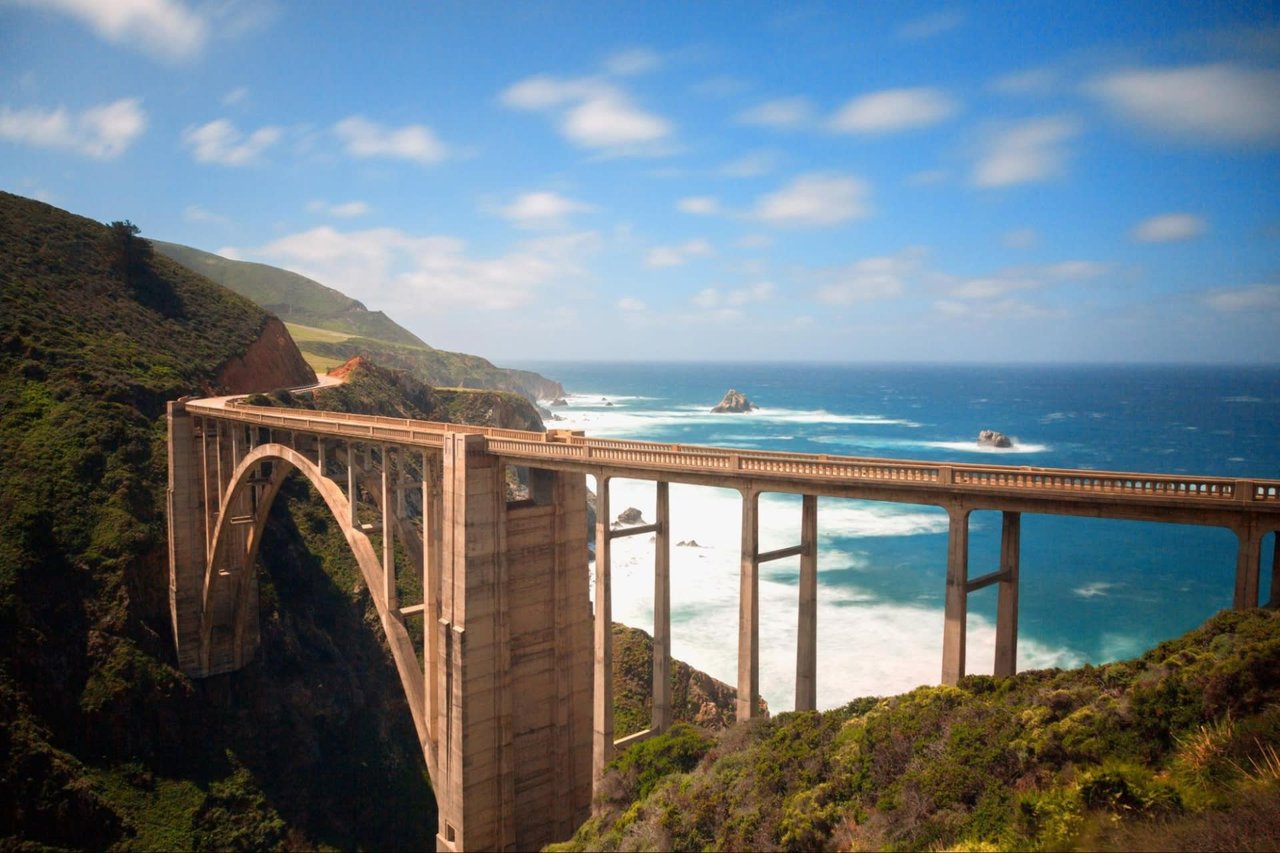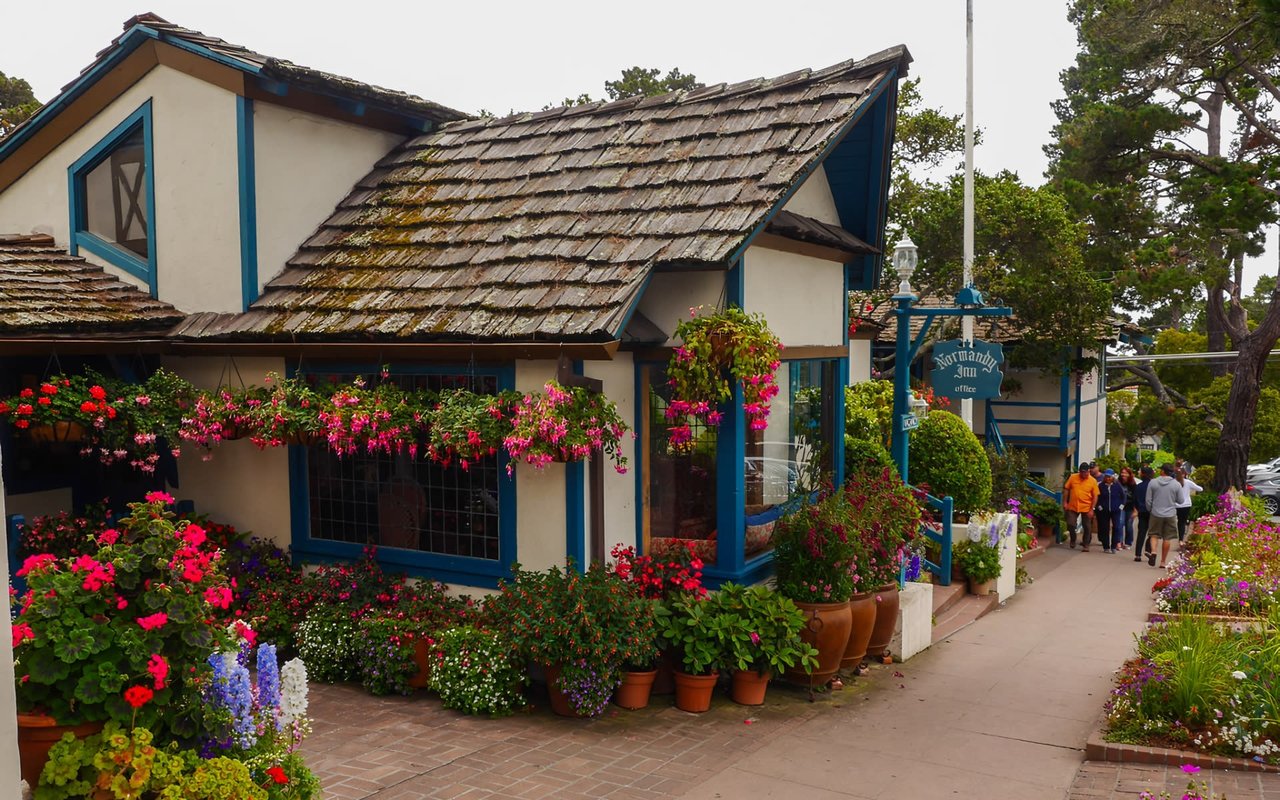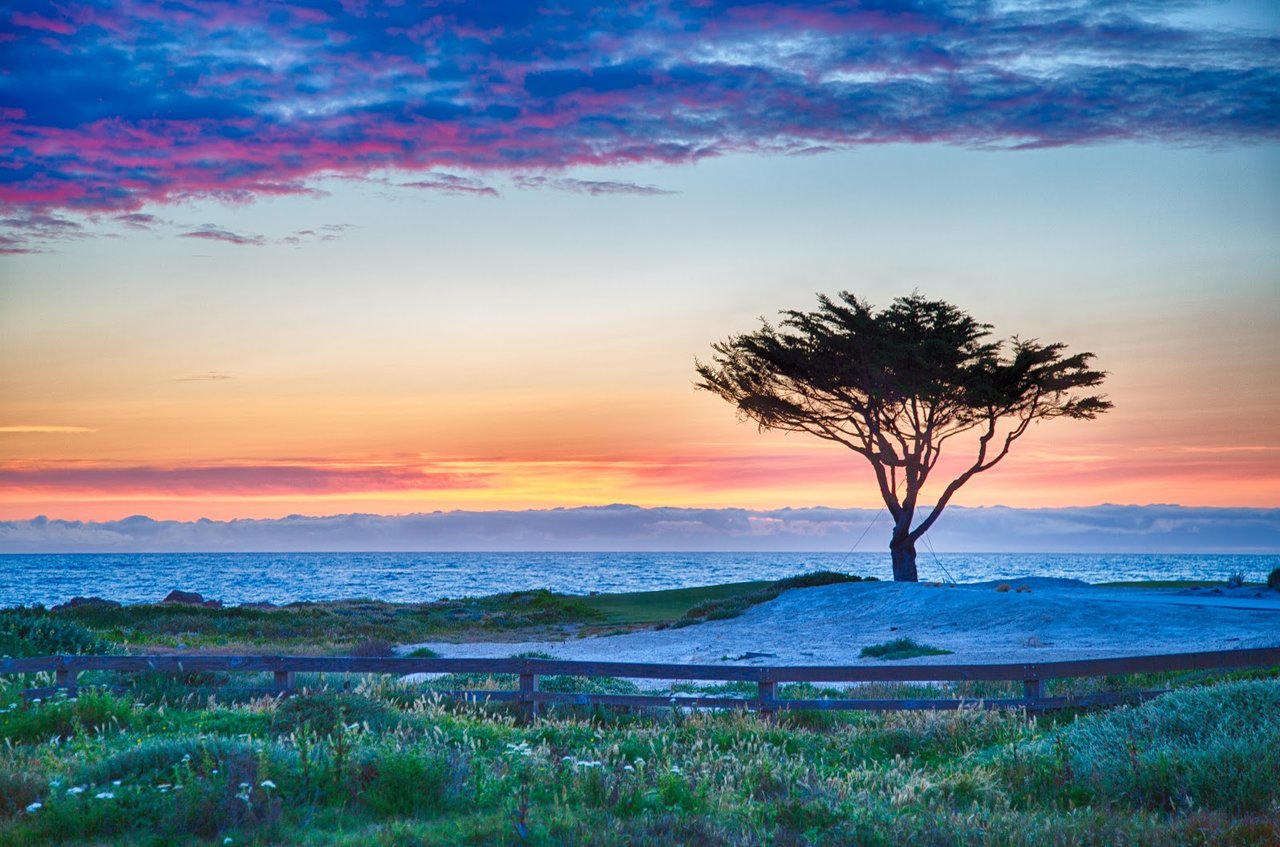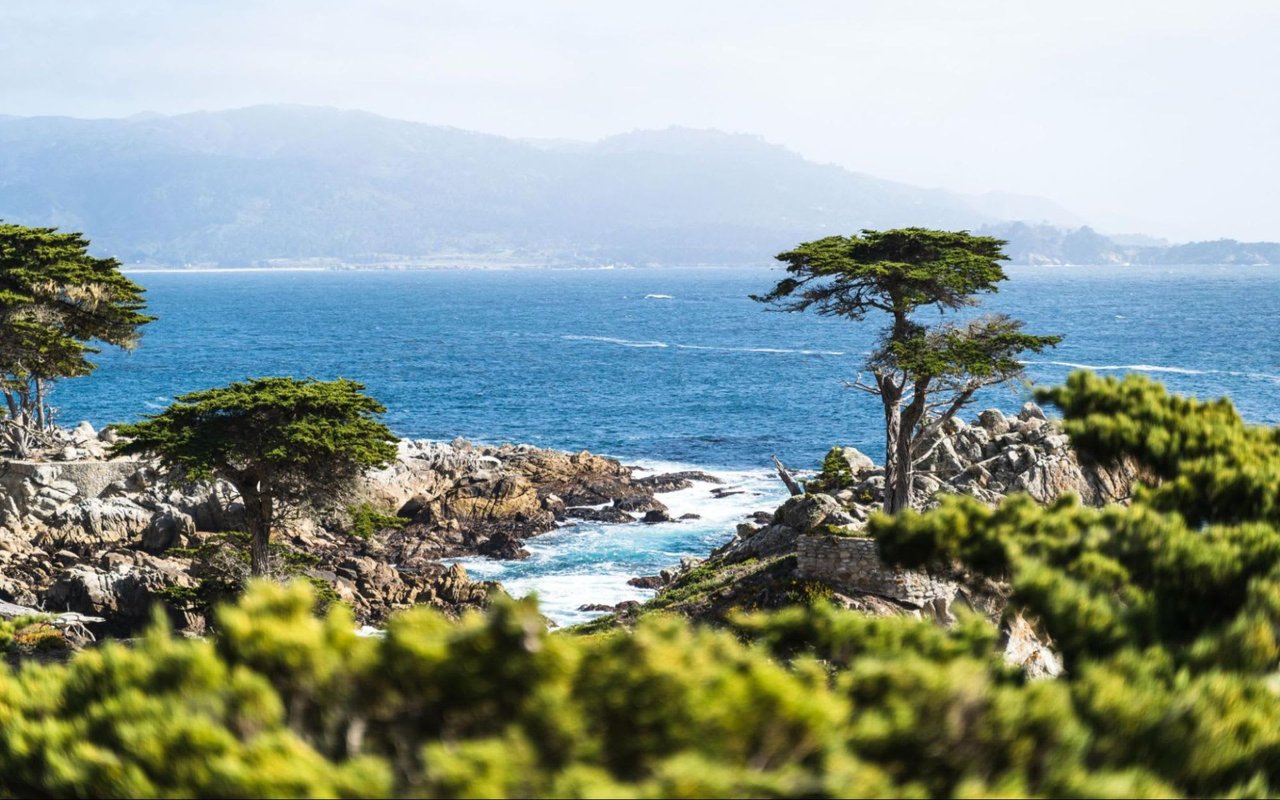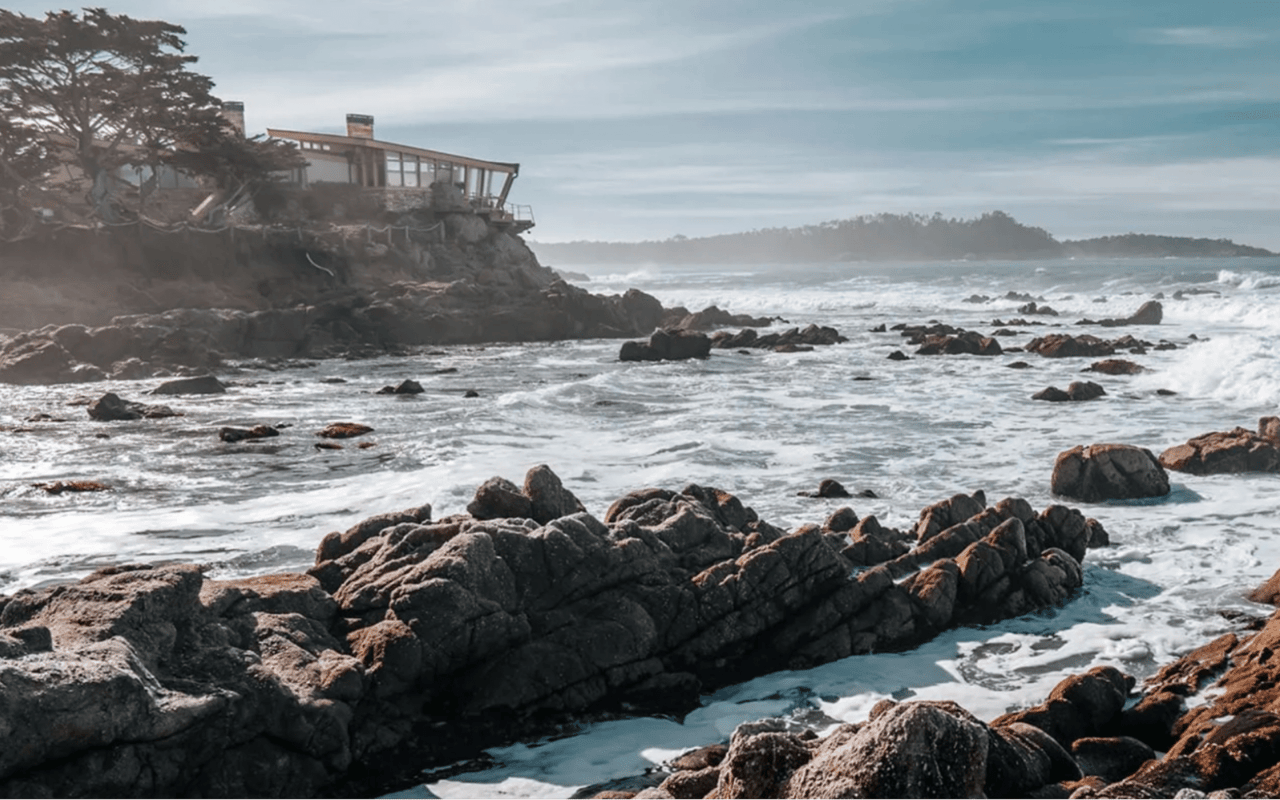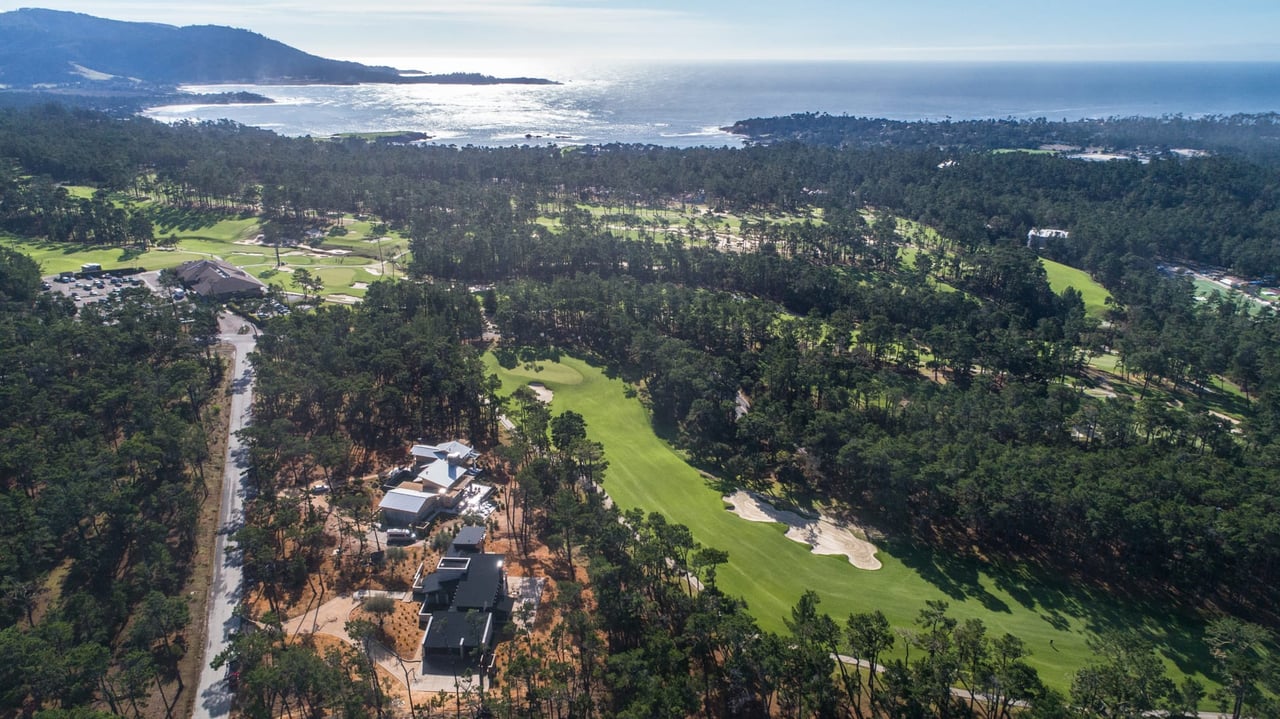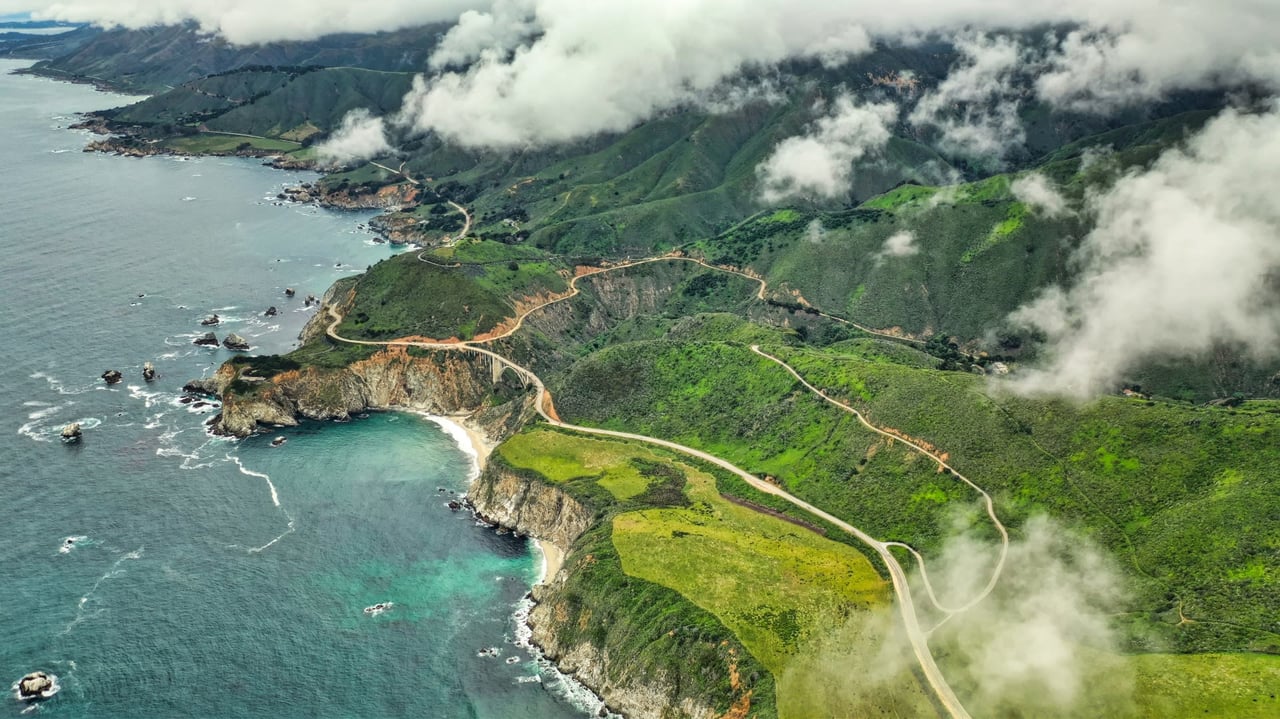
For the first summer since 2022, a driver leaving Carmel Highlands can reach San Simeon without turning around. The 71 miles between Malpaso Creek and San Carpóforo Creek are continuous again. What that continuity does not mean, for anyone who actually lives on this coast, is that the drive is back to what it used to be.
The corridor has moved from closed to metered. That is a real change, and it is a smaller change than the headlines suggest.
The two chokepoints on the map right now
As of July 11, 2026, the Caltrans QuickMap shows two active one-way signal controls between the Peninsula and the south coast. Both run twenty-four hours a day, seven days a week, with delays posted at up to fifteen minutes each. Stacked back to back on a bad afternoon, that is a half hour of turnout time before anyone reaches Nepenthe.
| Location | Reason | In effect until | Posted delay |
|---|---|---|---|
| 5.3 to 6.3 miles north of Big Sur Village | Maintenance | 7:00 a.m., July 31, 2026 | Up to 15 min |
| Rocky Creek Bridge, 15.7 miles south of Monterey | Construction | 6:00 a.m., August 31, 2026 | Up to 15 min |
The Rocky Creek window is the one to watch. The August 31 date is a mobilization deadline, not an end date.
Why "reopened" and "back to normal" do not belong in the same sentence
At last fall's Big Sur Multi-Agency Advisory Council meeting, Caltrans deputy director of traffic and maintenance Aaron Henkel told the room that Rocky Creek Bridge will drop to a single lane for roughly two years starting in 2026. The treatment is called electrochemical chloride extraction, and it is the same salt-corrosion remedy that held Garrapata Creek Bridge to one lane from August 2021 to November 2023 at a cost of $6.7 million. Rocky Creek is estimated at $16.33 million and sits inside a $5 billion statewide funding package for bridges, local roads, and alternative transportation.
Assemblymember Dawn Addis pressed Henkel on the timing overlap with the just-finished Regent's Slide work. His answer was that the contract was already out to bid and could not slip. The Caltrans District 5 lane closures on April 22 through 24 and April 27 through 29 for staging and restriping, with a pause on April 26 to accommodate the Big Sur Marathon, confirmed the crews are already positioning. The April notice described the work as preparation for "an upcoming major construction project," which is the phrasing agencies use when the project is funded, contracted, and inevitable.
Two other bridges are on the future treatment list: Big Creek and MalPaso Creek. Residents who watched Garrapata's two-year queue should read that sentence twice.
What the operators are actually planning around
The businesses that live and die by this road are pricing the summer against three years of muscle memory, not the January reopening.
Kirk Gafill at Nepenthe has said that two-thirds of a normal year's Highway 1 traffic originates from the north and turns around near his terrace. During the closure, visitation dropped by roughly one third, and Gafill has been direct about fixed costs rising well beyond inflation over the same window. The reopening does not restore the missing revenue. It restores the possibility of it, against a cost base that has moved.
At the Big Sur River Inn, general manager Colin Twohig called the January 14 reopening "a monumental milestone," which is the sort of thing a general manager says on the record and privately treats as day one of a rebuild. Diana Ballantyne at Fernwood Resort and Campground, roughly twenty miles north of the former Regent's Slide, used the closure to expand amenities rather than wait. John Handy at Treebones Resort, on the south side, watched revenue fall about forty percent and closed between Thanksgiving and Valentine's Day; his complaint through the late 2025 update cycle was not the closure itself but the lack of advance notice that made staff planning impossible.
Esalen Institute sits about a mile north of the point where the highway was severed. The Henry Miller Memorial Library, the Big Sur River Inn, and Nepenthe are all in the northern cluster that Gafill's traffic math describes. For residents, the practical read is that the north end of the coast has spent three years operating as a cul-de-sac and is now, quietly, a through-route again. Expect the parking at Nepenthe, the Library lawn, and the pullouts around Bixby to look like 2019 by August, not like 2024.
A resident's departure checklist for the summer
Anyone with a doctor's appointment in Monterey, a school run, or a Thursday grocery trip has already built some version of this. The point is to compress it.
- Check the Caltrans District 5 Highway 1 conditions page or the QuickMap before every departure, not once a week. The controls are 24/7 but the queue length is not.
- Assume a fifteen-minute wait at each active zone and a real-world thirty-minute buffer when both are stacked. That is the difference between a smooth arrival and forty-five minutes in a turnout.
- Treat weekend midday windows the way Peninsula residents treat Car Week traffic. The corridor is carrying pent-up demand from three canceled itineraries per household.
- If a trip requires the inland alternative, remember that Nacimiento-Fergusson Road adds roughly fifty miles to a detour and is not a substitute for a fifteen-minute signal delay.
- Keep a running note of which errands can be batched into a single Monterey run. Once the Rocky Creek two-year treatment settles into rhythm, that discipline stops being optional.
The winter clock is already visible
The Climate Prediction Center's outlook gives a 63 percent probability of a very strong El Niño event this winter, comparable in magnitude to the top-tier historical episodes. The USGS has mapped more than 1,500 landslides along 75 miles of Big Sur coastline, and Highway 1 has closed here more than fifty-five times since it opened in 1937. The $82 million repair at Regent's Slide, with its 4,600 shear dowels and permanent sensor array, is described by Caltrans as stable and monitored. Stable is not permanent. Monitored means the agency will know first.
Read together, the numbers describe a window rather than a restoration. The corridor is open, the signal delays are known, the two-year Rocky Creek treatment is mobilizing, and the winter has a real chance of being loud. The summer between now and the first serious storm is the one clean run.
For full-time residents, that means the calendar between mid-July and Thanksgiving is the version of Big Sur that the last three years have not offered. Ridge Road weddings, dinners at the Sur House, sunset drives to Ragged Point, and a weekday morning at Pfeiffer Beach are all inside a signal delay of home. The overnight visitor economy will follow the same math, which is why the Peninsula-facing north cluster is going to feel busier than any July since 2022.
Nothing about the geology has changed. Everything about the access has. That is the version of the summer worth planning around.
If you own a home on the south coast, in the Highlands, or in the pine canyons between and are weighing how to open it up for the season, Tim Allen Luxury Rentals manages estate-scale coastal properties with a concierge standard built for exactly this kind of window. Get in touch with our Luxury Rentals concierge to talk through the summer ahead.